
 Save to Pinterest
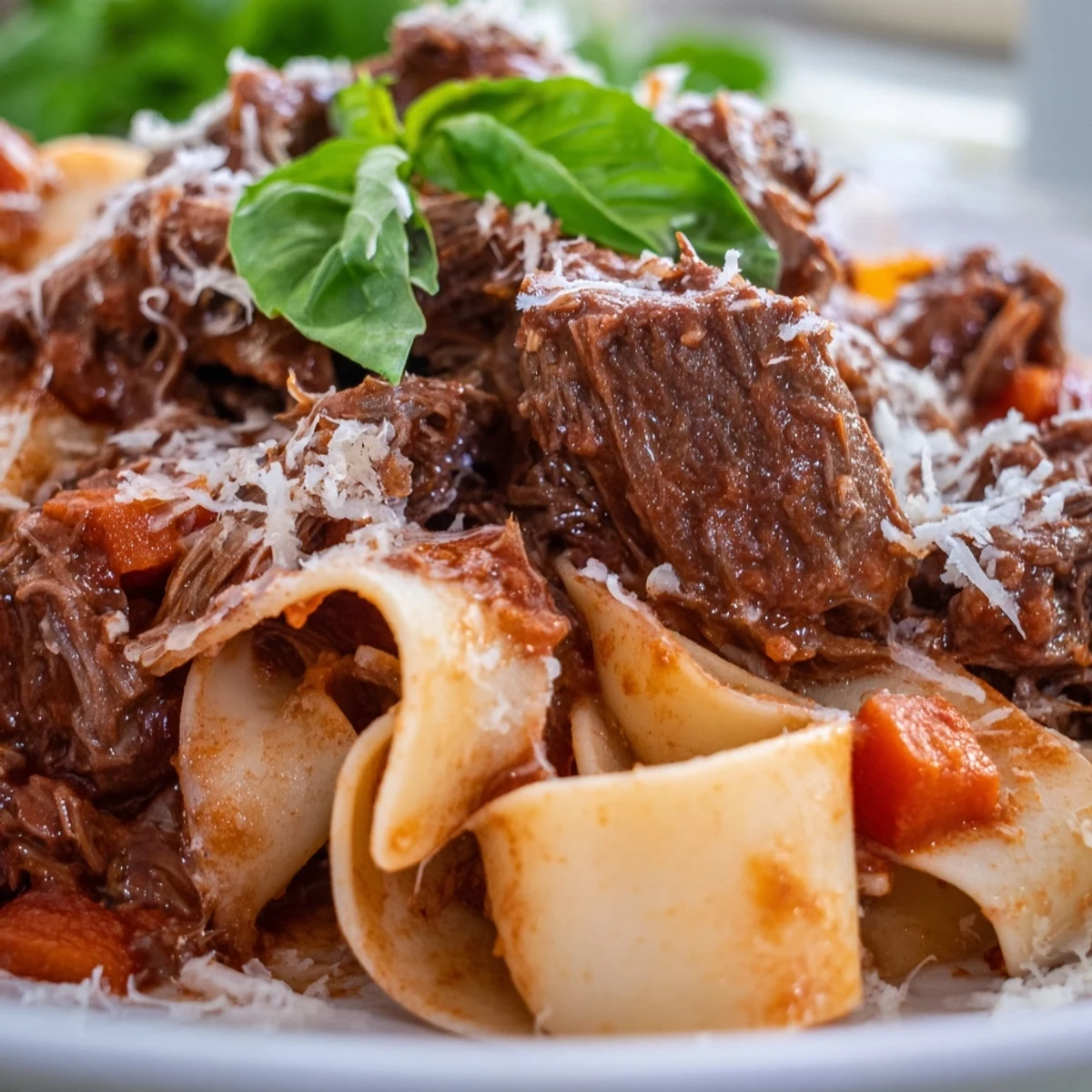
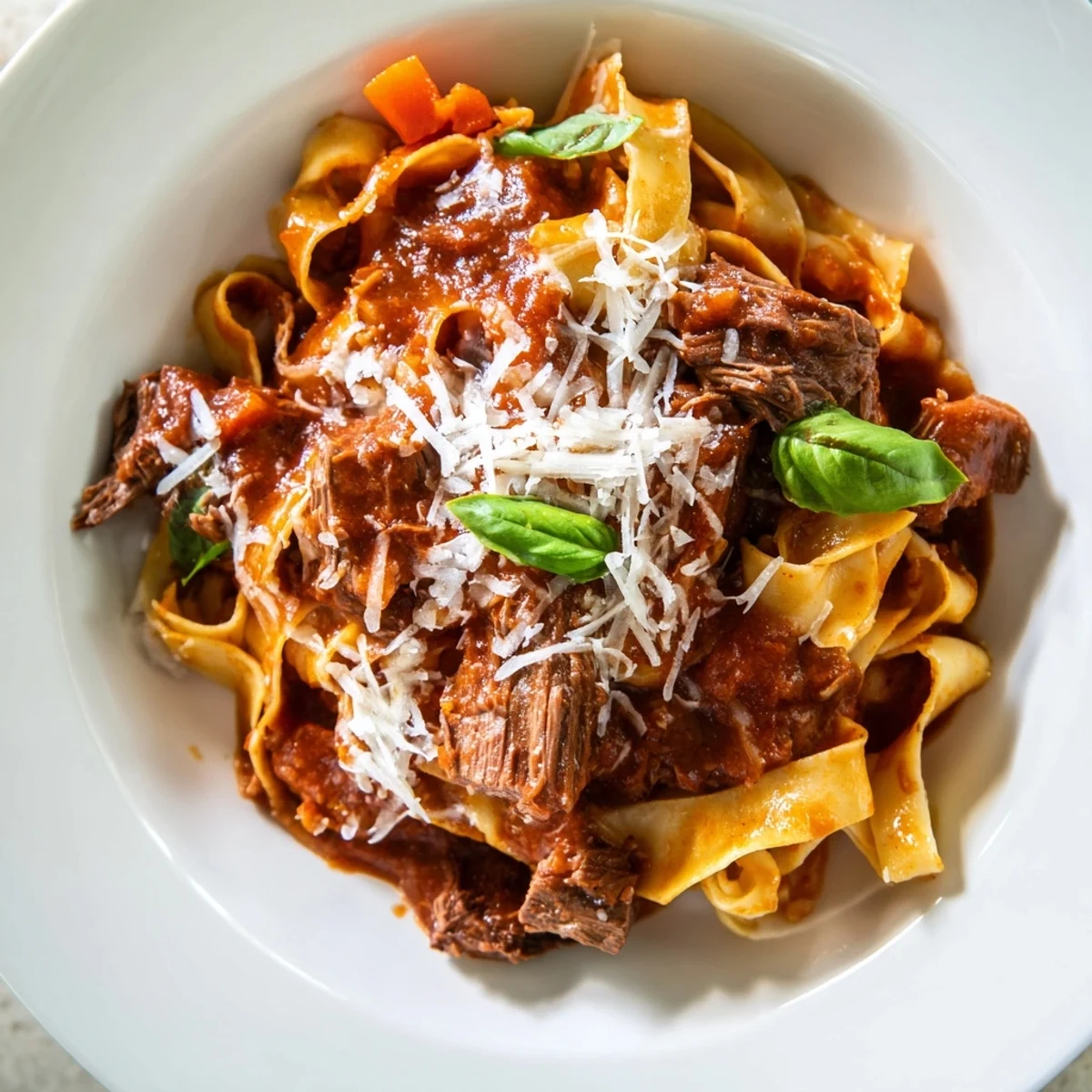
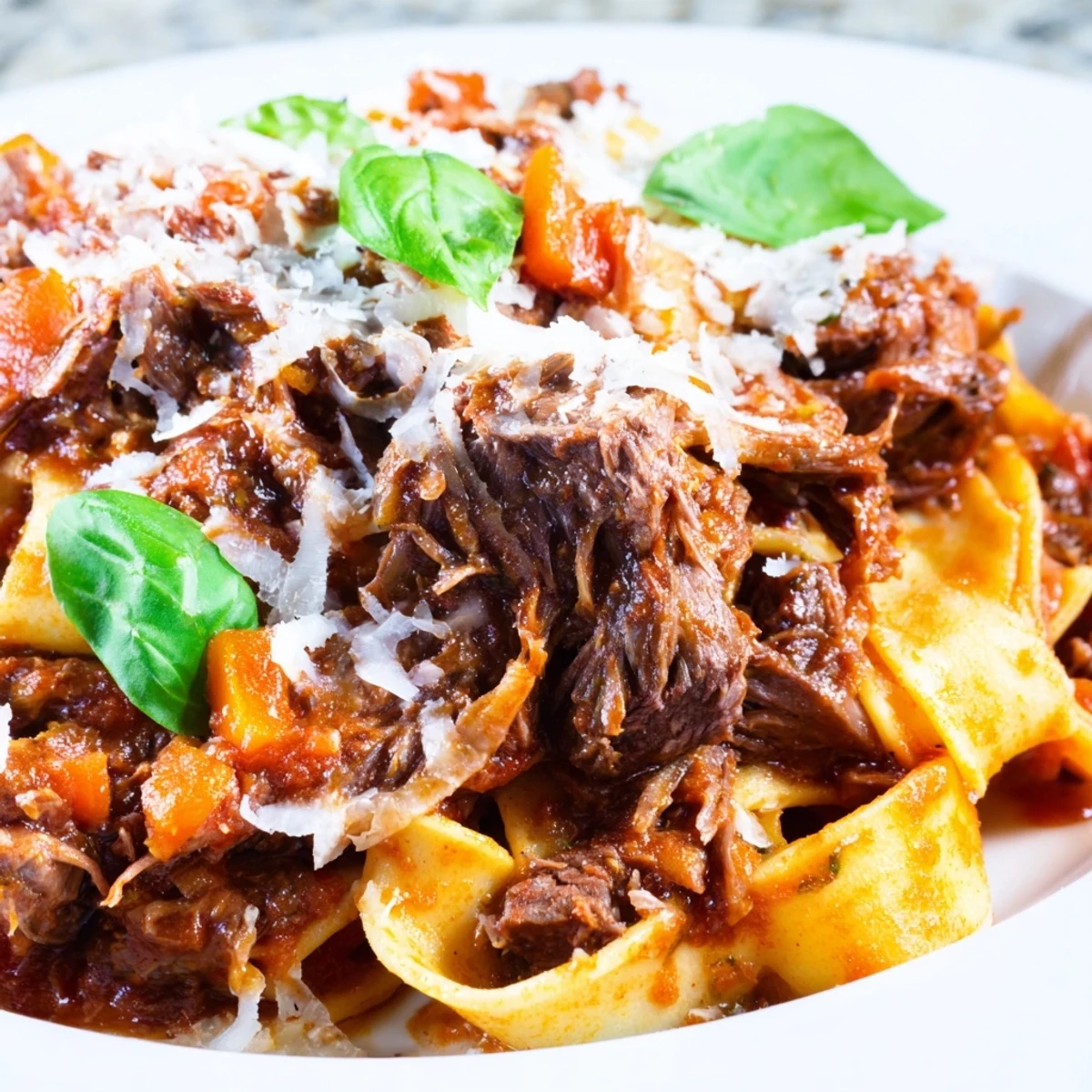
 This dish features beef chuck slowly simmered until tender with tomatoes, herbs, and red wine for deep flavor. Aromatic vegetables and spices enrich the sauce as it cooks low and slow. The rich meat sauce is served over wide, silky pappardelle pasta and finished with fresh basil and Parmesan for a comforting Italian-style meal ideal for family dinners or special occasions.
There was an evening when my kitchen smelled so insanely good that my neighbor actually knocked on the door asking what I was making. I'd thrown together this beef ragu on a lazy Sunday morning, set it on low, and basically forgot about it for eight hours while life happened around me. By dinnertime, the whole apartment was wrapped in this deep, winesoaked aroma of beef and tomatoes that made everyone stop talking when they walked in.
I learned the real magic of this dish when I made it for my mom's birthday dinner. She took one bite and immediately asked for the recipe, but what really got her was that the whole house felt warm and lived in, not like I'd been stressed in the kitchen all day. That's when I realized ragu isn't just about nailing flavors, it's about creating that feeling of being cared for.
Ingredients
- Beef chuck roast: This cut has enough marbling to become incredibly tender when braised low and slow, so don't skimp on quality here.
- Olive oil: You need good oil for searing because that browned crust is where flavor lives.
- Yellow onion, carrots, and celery: This holy trinity builds the foundation that Italian cooks have used for generations, and there's a reason.
- Garlic: Minced fine so it melts into the sauce rather than showing up as hard chunks.
- Dry red wine: Pick something you'd actually drink, not cooking wine from a shelf.
- Crushed tomatoes: The canned kind with no added junk creates a cleaner sauce than jarred pasta sauce.
- Tomato paste: A small amount concentrates tomato flavor and adds depth without making it taste thin.
- Beef broth: This keeps the sauce from becoming too acidic and adds savory richness.
- Dried oregano and thyme: These need time to bloom in the slow cooker, so don't use fresh here.
- Bay leaves: They add subtle complexity but must come out before serving.
- Pappardelle pasta: Those wide ribbons catch the sauce better than thin pasta, but any shape works if that's what you have.
- Parmesan and fresh basil: These finish the dish with brightness that cuts through the richness.
Instructions
- Season and sear the beef:
- Pat the beef dry so it browns instead of steaming, then sear it hard in a hot skillet until the outside is a deep golden brown on all sides. This takes about five minutes and fills your kitchen with the smell of what's coming.
- Sauté your aromatics:
- In that same skillet, soften the onion, carrots, and celery for a few minutes until they smell sweet, then add the garlic and let it cook just long enough to lose its raw edge. You want them soft but not falling apart.
- Build the sauce base:
- Pour in the red wine and let it bubble for a minute while you scrape up all those browned bits stuck to the pan, then dump everything into the slow cooker along with the tomatoes, paste, broth, and herbs. Give it a good stir so nothing settles at the bottom.
- Let time do the work:
- Cover and set to low for eight hours, which means you can take a walk, run errands, or just sit on the couch guilt-free knowing dinner is happening without you. The beef will transform into something so tender it practically dissolves.
- Finish and adjust:
- Fish out the bay leaves, shred the beef right in the pot using two forks, then taste and add more salt or pepper if it needs it. This is your moment to make it exactly right for your palate.
- Bring it all together:
- Cook your pasta about twenty minutes before you plan to eat, then spoon that gorgeous ragu over the top and shower everything with Parmesan and a handful of fresh basil. The warmth of the pasta helps release the basil's fragrance.
 Save to Pinterest
 The first time I served this to friends, someone asked if I'd been cooking it all day, and I got to reveal that I'd literally just pressed a button that morning. Watching their faces when they realized how simple it actually was felt like sharing a secret that makes life easier.
Why This Sauce Gets Better Overnight
If you make this ragu a day ahead, the flavors settle and deepen in a way that seems almost impossible. The sauce tastes rounder, richer, and somehow more integrated, like all those ingredients finally agreed to get along. I always make a double batch now specifically so I can have leftovers that taste even better than the first night.
Pasta Shape Really Matters Here
Pappardelle's wide ribbons are designed to cradle sauce in a way that thin spaghetti simply cannot. The first time I switched from fettuccine to pappardelle, I understood why Italian grandmothers are so particular about pasta shapes. Each bite feels different, more intentional, like the sauce and pasta are actually supposed to be together.
Customizing Without Losing the Soul
This ragu is flexible enough to bend to what's in your kitchen or your mood that day. Add mushrooms if you want earthiness, or stir in a splash of balsamic at the end for gentle sweetness. You can even blend half the sauce smooth while leaving the other half chunky if you like texture.
- Red pepper flakes are optional but they add a quiet heat that doesn't announce itself until the second bite.
- A glug of red wine at the finish wakes up flavors that may have faded during the long cook.
- Fresh basil must go on just before eating, because heat kills its brightness.
 Save to Pinterest
 This dish has become the thing I make when I want to feel grounded, when the world feels chaotic, or when someone I love needs feeding. That's the real gift of a good ragu.
Recipe FAQs
- → What cut of beef works best?
-
Beef chuck roast is ideal due to its marbling, which breaks down during slow cooking, resulting in tender, flavorful meat.
- → Can I use fresh herbs instead of dried?
-
Fresh oregano and thyme can be used, but add them later in the cooking process to preserve their aroma and flavor.
- → How should I cook the pasta for best results?
-
Boil pappardelle in salted water until al dente, then drain and toss with a bit of olive oil to prevent sticking before serving.
- → Is it possible to make the sauce smoother?
-
Using an immersion blender briefly before mixing the shredded beef back in creates a smoother, more uniform sauce texture.
- → What wine pairs well with this dish?
-
Chianti or Sangiovese complement the savory and tomato-forward flavors, enhancing the overall dining experience.
- → Can I substitute pappardelle with other pasta types?
-
Tagliatelle or fettuccine are excellent alternatives, as their similar shape holds the rich sauce well.