
 Save to Pinterest
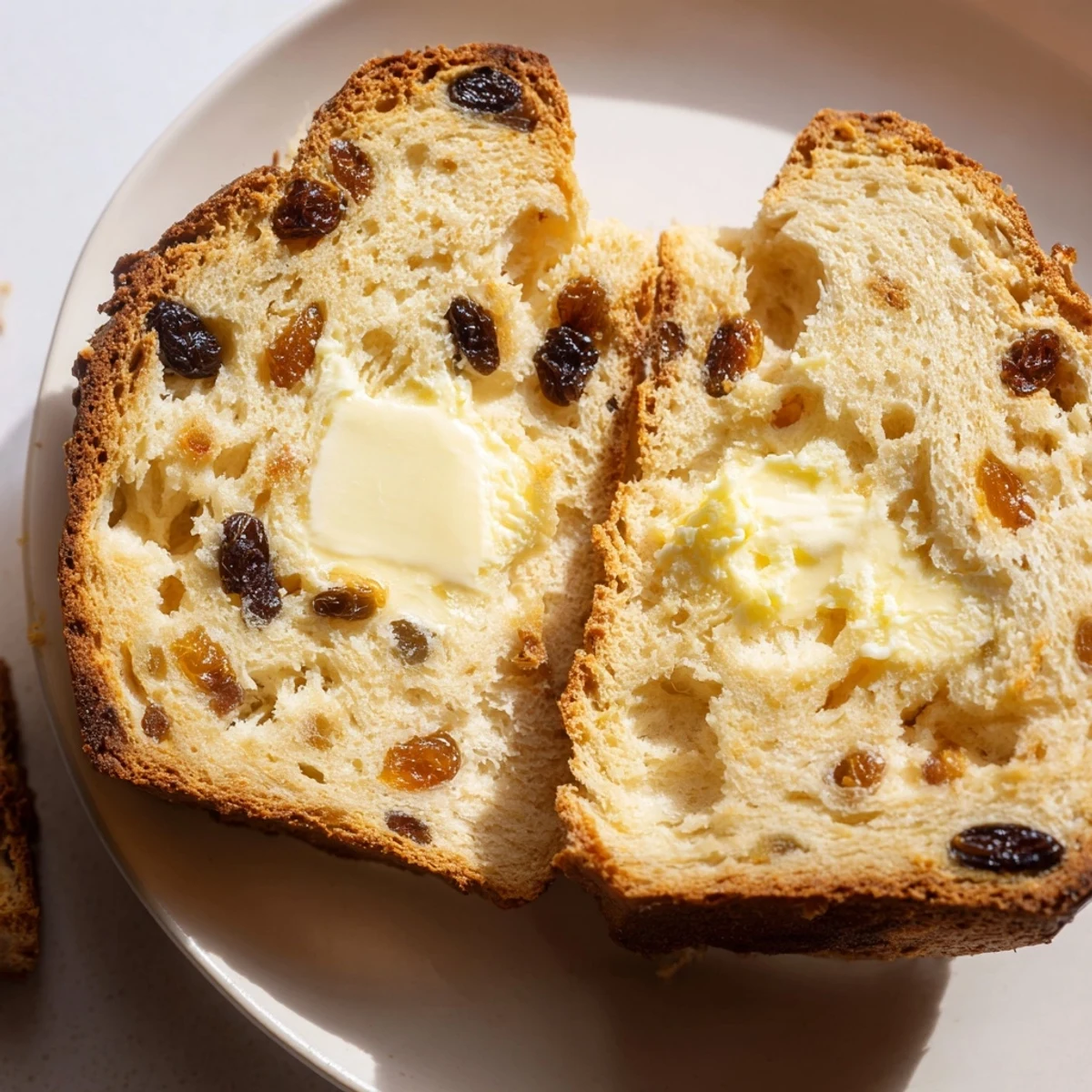
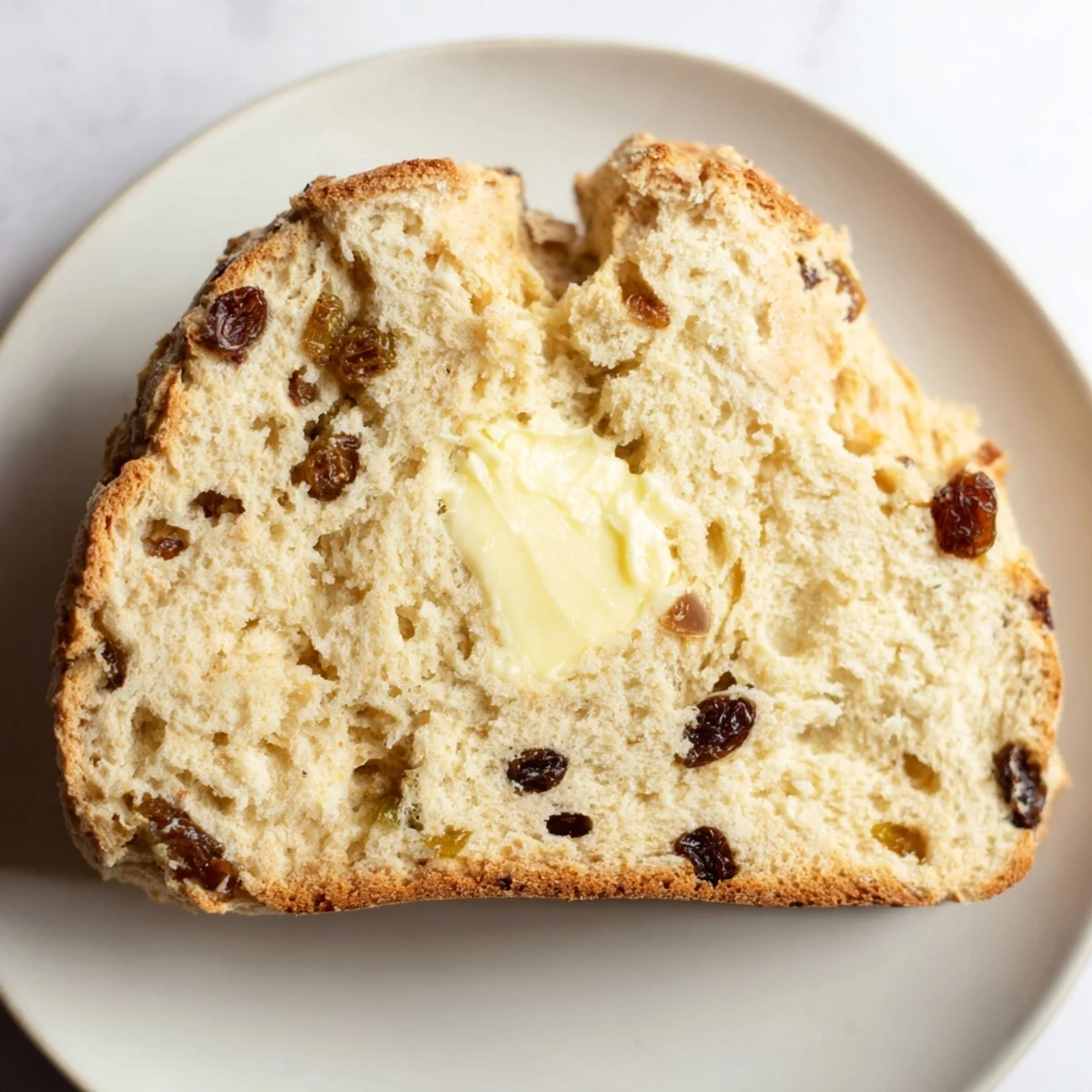
 This traditional Irish quick bread combines simple pantry staples—flour, buttermilk, and cold butter—with aromatic caraway seeds and plump raisins for a naturally sweet, tender loaf. With just 15 minutes prep and 40 minutes baking, you'll have a golden, hollow-sounding bread perfect for breakfast or tea. The signature cross-cut allows steam to escape evenly while creating an inviting presentation.
The first time I made Irish soda bread, my kitchen filled with an aroma that transported me back to a rainy afternoon in Dublin. I'd ducked into a small bakery near Trinity College, where the owner handed me a still-warm slice slathered with butter that melted instantly. Back home, with flour dusting my countertops and caraway seeds between my fingers, I knew I had to recreate that moment.
Last St. Patricks Day, my normally chaotic kitchen fell oddly silent as everyone gathered around the table, watching steam rise from the freshly cut loaf. My father-in-law, usually reserved with compliments, asked for the recipe before finishing his first slice. The raisins had caramelized slightly against the crust, creating little pockets of sweetness that balanced perfectly with the earthy caraway.
Ingredients
- Buttermilk: The acidity in real buttermilk interacts with the baking soda to create the rise, so try not to substitute unless absolutely necessary.
- Caraway seeds: These tiny powerhouses bring an aromatic, slightly anise-like flavor that makes this bread distinctive and truly Irish.
- Cold butter: After years of experimentation, I discovered that keeping the butter cold creates those beautiful little pockets of richness throughout the crumb.
- Raisins: They add just the right amount of sweetness without turning this into dessert bread, and they plump beautifully during baking.
Instructions
- Prep your workspace:
- Preheat your oven to 400°F and line a baking sheet with parchment paper. Having everything ready makes the process smoother since this dough comes together quickly.
- Mix the dry team:
- Whisk together flour, sugar, baking soda, and salt in a large bowl, creating the foundation of your bread. The sugar isnt just for sweetness, it helps achieve that beautiful golden crust.
- Cut in the butter:
- Use your fingers or a pastry blender to work the cold butter cubes into the flour mixture until it resembles coarse crumbs. You should still see little butter pieces throughout, which will create delicious pockets of richness.
- Add the flavor makers:
- Stir in the raisins and caraway seeds until theyre distributed evenly. This is where the magic happens, as these ingredients bring both sweetness and that distinctive Irish character.
- Combine the wet ingredients:
- Whisk the buttermilk and egg together in a separate bowl until well blended. The egg enriches the bread while the buttermilk adds tenderness.
- Create the dough:
- Make a well in your dry ingredients, pour in the buttermilk mixture, and stir with a wooden spoon just until combined. The dough will look shaggy and feel sticky, but thats exactly what you want.
- Shape your loaf:
- Turn the dough onto a lightly floured surface and knead it gently just 6-8 times until it comes together. Pat it into a round about 7 inches across, keeping movements gentle to maintain airiness.
- Score and bake:
- Transfer your loaf to the prepared baking sheet and cut a deep X across the top with a sharp knife. This traditional mark helps the bread bake evenly and, as my Irish grandmother would say, lets the fairies out.
- Test for doneness:
- After 35-40 minutes, check if the loaf is golden brown and sounds hollow when tapped on the bottom. This ancient bakers test never fails, regardless of how modern our kitchens have become.
- Practice patience:
- Allow the bread to cool on a wire rack for at least 30 minutes before slicing. I know its tempting to cut in immediately, but the texture develops beautifully during this resting period.
 Save to Pinterest
 One cold March evening, when my sister was going through a difficult time, I placed a warm loaf of this bread on her doorstep with a small jar of clover honey. She called me later, her voice lighter than it had been in weeks, saying the simple act of breaking bread, literally, had somehow broken her out of her funk. Food has always been my language of care, but that day I understood its true healing power.
Flavor Variations
Sometimes I soak the raisins in hot Irish breakfast tea for fifteen minutes before adding them to the dough, which infuses them with a subtle tannic complexity that complements the caraway perfectly. On more adventurous days, Ive been known to swap in dried cranberries and orange zest during the holidays, or even dark chocolate chunks and rosemary for a contemporary twist that still respects the breads rustic character.
Serving Suggestions
While traditionalists might insist on serving soda bread with only the finest Irish butter, Ive discovered it makes an exceptional foundation for both sweet and savory applications. A thick slice toasted and topped with smoked salmon and creme fraiche makes for an elegant appetizer, while leftovers transform into the most extraordinary French toast youve ever experienced, the raisins caramelizing further under the heat.
Storage and Freshness
Like all homemade breads without preservatives, Irish soda bread is at its magnificent best on the day its baked, with a gradual decline in texture thereafter. If you need to store leftovers, wrap the cooled loaf in a clean kitchen towel rather than plastic, which traps moisture and softens that wonderful crust.
- To refresh day-old bread, sprinkle it lightly with water and heat in a 300°F oven for about 10 minutes.
- For longer storage, slice the bread once completely cooled, wrap tightly, and freeze for up to one month.
- Remember that toasting revives even three-day-old soda bread, bringing back much of its original character and aroma.
 Save to Pinterest
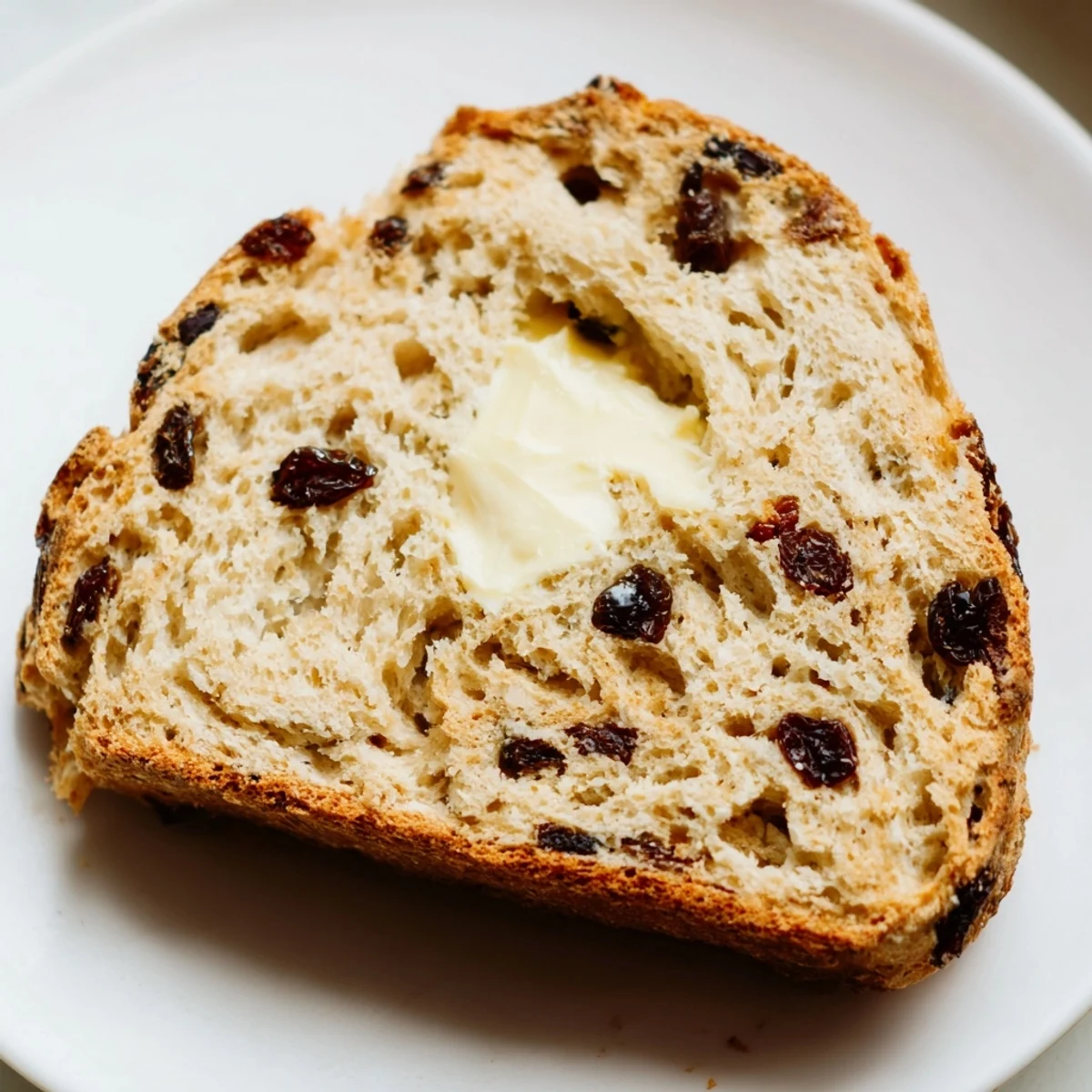
 This humble loaf reminds me that the most meaningful kitchen traditions dont require complicated techniques or rare ingredients. They simply ask us to slow down, notice the transformation of simple elements, and share the results with those we love.
Recipe FAQs
- → Why is my soda bread dense?
-
Overmixing develops gluten, which creates a tight crumb. Stir the wet and dry ingredients just until combined for a tender texture. The dough will remain slightly shaggy.
- → Can I use regular milk instead of buttermilk?
-
Buttermilk's acidity is essential for reacting with baking soda to create lift. If substituting, add 1 tablespoon lemon juice or vinegar to regular milk and let sit 5 minutes before using.
- → What does the X cut do?
-
The traditional cross-cut allows heat to penetrate the center while steam escapes evenly, preventing a tough exterior and ensuring the interior bakes through completely.
- → How do I know when it's fully baked?
-
The loaf should be golden brown and sound hollow when tapped on the bottom. An instant-read thermometer inserted in the center should register around 200–210°F (93–99°C).
- → Can I prepare the dough ahead?
-
Soda bread is best baked immediately after mixing, as baking soda begins reacting once wet ingredients combine. However, you can measure dry ingredients the night before and mix just before baking.
- → What's the best way to store leftovers?
-
Wrap cooled bread in plastic wrap or store in an airtight container at room temperature for 2–3 days. For longer storage, slice and freeze for up to 3 months. Toast slices from frozen.