
 Save to Pinterest
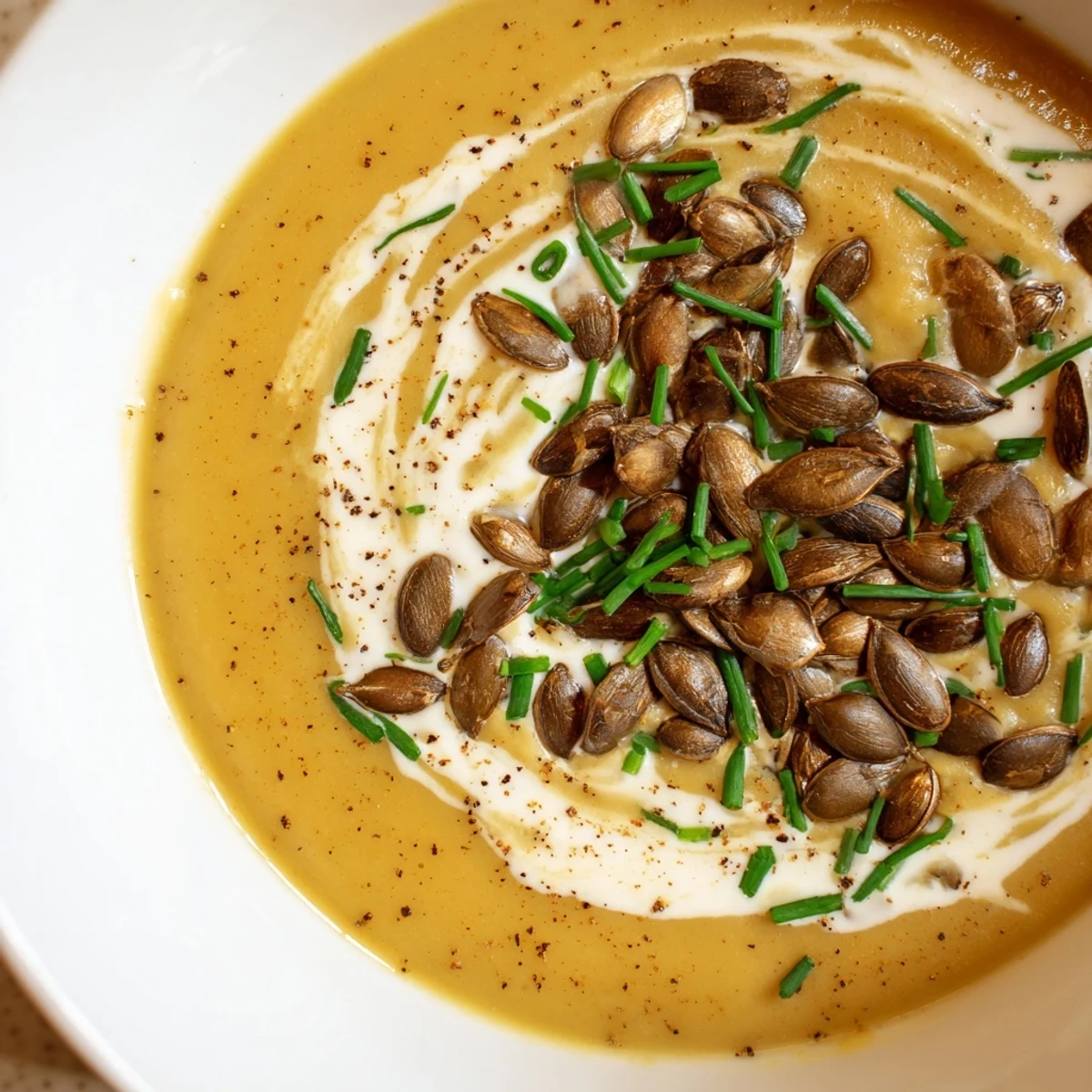
 This dish combines tender pumpkin and vegetables simmered to perfection, blended until smooth for a creamy texture. Warmth comes from nutmeg, cumin, and optional chili flakes, while a gentle swirl of cream or coconut milk adds richness. Toasted pumpkin and sunflower seeds crown the serving, delivering a satisfying crunch that complements the velvety soup. Perfect for comforting meals and easy to prepare within 45 minutes, it suits vegetarian and gluten-free preferences, with optional vegan adjustments.
There's a particular moment in early autumn when the kitchen feels different—cooler air drifting through the window, and suddenly pumpkin seems like the only logical choice. I stumbled into this soup one October afternoon while trying to use up a pile of pumpkins from a farmers market haul, and what started as a practical solution became something I find myself making whenever someone needs comfort in a bowl. The secret turned out to be simpler than expected: good spices, proper toasting of the seeds for that crucial crunch, and the kind of cream swirl that makes people pause mid-spoonful.
I remember serving this to my neighbor one chilly evening after she'd mentioned feeling under the weather, and watching her expression shift from polite to genuinely grateful was its own kind of magic. She asked for the recipe that night, which felt like the ultimate compliment—not just eating something I made, but wanting to recreate that moment herself. That's when I knew this wasn't just another soup.
Ingredients
- Pumpkin (1 kg, peeled and cubed): The star that shouldn't be rushed—Hokkaido or butternut varieties give you natural sweetness without watery disappointment, and peeling ahead of time saves your knuckles and your patience.
- Onion and garlic: These are your flavor foundation, and taking time to let them soften properly sets up everything that follows.
- Carrot (1 medium, sliced): Adds subtle sweetness and body; don't skip it even though pumpkin seems to cover that job.
- Vegetable broth (750 ml): Quality matters here since it's doing real work—if you only have watery broth, use a bit less and it'll concentrate nicely.
- Heavy cream or coconut milk (200 ml): This final addition is what transforms chunky orange liquid into actual velvet; the choice between cream and coconut milk shifts the flavor but not the luxurious feel.
- Olive oil (2 tbsp): For both sautéing and finishing; decent oil makes a noticeable difference in the final taste.
- Nutmeg and cumin (1/2 tsp each): These warm spices are what make people say it tastes like autumn, so measure properly and don't substitute.
- Chili flakes (1/4 tsp, optional): Just enough heat to make you wonder what it is, then realize it's a brilliant choice.
- Pumpkin and sunflower seeds (3 tbsp and 1 tbsp): These must be toasted—it's non-negotiable, the difference between good and actually memorable.
- Fresh chives or parsley: The bright note at the end that says you cared enough to finish properly.
Instructions
- Start with aromatics:
- Heat your oil over medium heat, then add the chopped onion and carrot slices, stirring occasionally for about 4-5 minutes until they start to soften and the kitchen smells inviting. You'll know you're there when the onion turns translucent and loses that sharp edge.
- Wake up the garlic:
- Add your minced garlic and let it cook for about a minute—this is brief but crucial, long enough to release its aroma but not so long it turns bitter and regretful.
- Build the base:
- Stir in the pumpkin cubes along with the nutmeg, cumin, and chili flakes if you're using them, cooking for 2-3 minutes so the spices toast slightly and release their warmth. This moment is where the soup starts to smell like something special.
- Let it simmer:
- Pour in your vegetable broth, bring everything to a boil, then lower the heat and cover the pot. Simmer for 20-25 minutes until the pumpkin and carrots collapse easily under a spoon—this is your signal they're ready.
- Toast the seeds:
- While the soup simmers, place your pumpkin and sunflower seeds in a dry skillet over medium heat, stirring often for 3-5 minutes until they're golden and smell toasted and nutty. Transfer to a plate immediately so they don't overcook.
- Blend to silk:
- Once the vegetables are tender, use an immersion blender to purée the soup directly in the pot until completely smooth—no flecks, no chunks. If you prefer using a countertop blender, work in batches and be careful with hot liquid.
- Finish with cream:
- Stir in your cream or coconut milk gently, then reheat if needed over low heat. Season generously with salt and freshly ground black pepper, tasting as you go.
- Serve with intention:
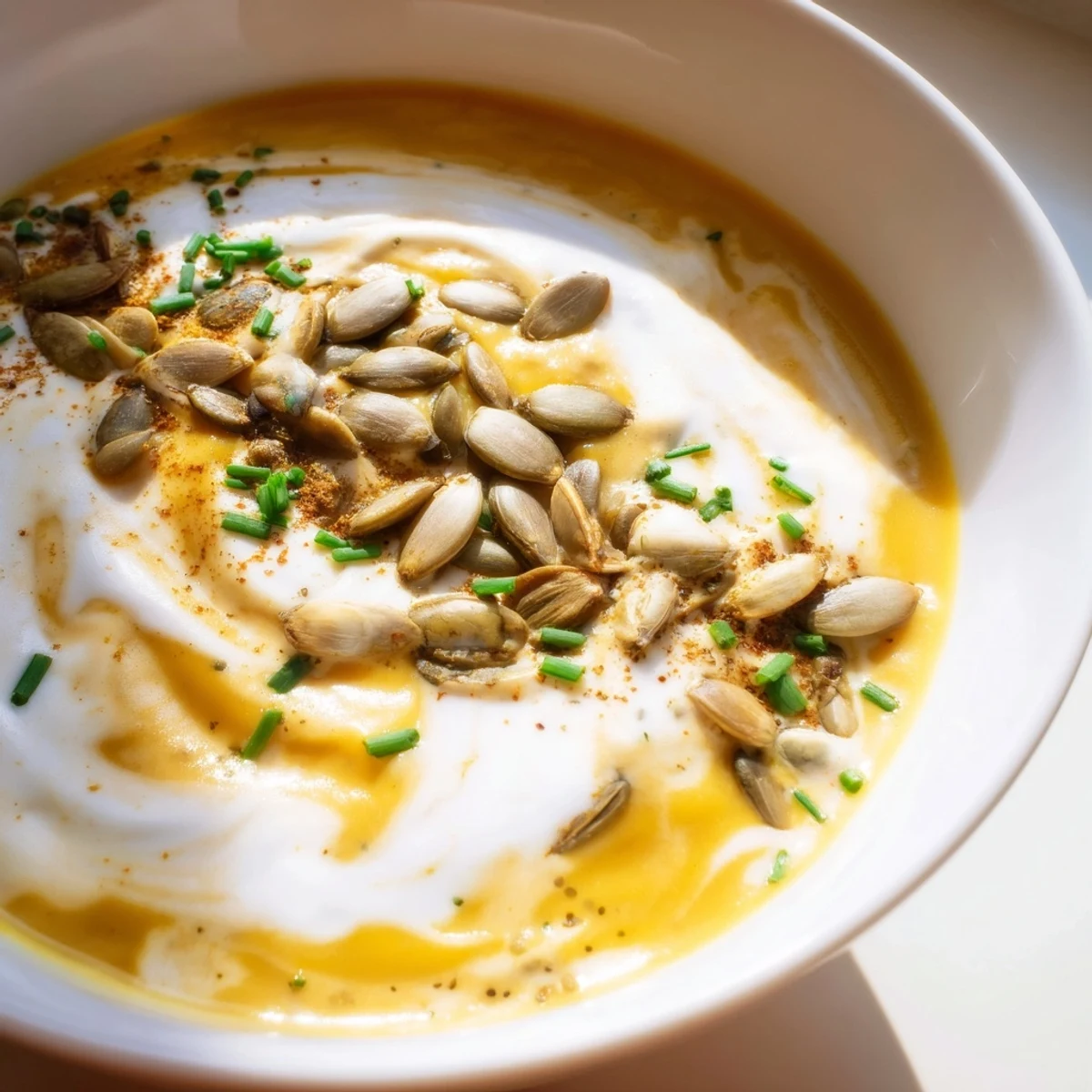
- Ladle into bowls and top each one with a small handful of your toasted seeds and a sprinkle of fresh herbs, maybe a tiny drizzle of good olive oil if you're feeling it.
 Save to Pinterest
 There's something about toasted pumpkin seeds that transforms how people eat soup—suddenly they're not just spooning through cream, they're actively engaged with textures and flavors. That small moment of crunch becomes the reason they come back to this recipe instead of just making any other soup.
Variations Worth Exploring
Once you've made this soup straight, you'll start noticing how flexible it actually is. A handful of sage leaves toasted in butter at the end adds earthiness, while a pinch of cayenne instead of chili flakes gives sharper heat. Some afternoons I've added a splash of apple cider or a dollop of sour cream instead of heavy cream, and each version feels like a small discovery. The foundation is so solid that you can safely play with it without losing what makes it work.
Pairing and Serving Ideas
This soup deserves something to accompany it, not because it's incomplete, but because sharing food is better than eating alone. Crusty bread that can be dipped and dragged through the cream is the obvious choice, but I've also served this alongside a simple arugula salad with lemon dressing, and the brightness cuts through the richness beautifully. For wine, a dry Riesling or Chardonnay works like the pairing was meant to happen.
Making It Ahead and Keeping It Fresh
This soup actually improves slightly when made a day ahead—flavors settle and deepen in ways that feel almost intentional. Store it in the refrigerator in an airtight container for up to three days, and reheat gently on the stove, stirring occasionally so the bottom doesn't scorch. Freeze it without the cream for up to two months; thaw overnight and stir the cream in fresh when you reheat.
- Never boil the soup after adding cream—gentle reheating keeps it silky instead of breaking into separated patches.
- If the soup thickens too much after sitting, thin it with a splash of broth or water when you reheat.
- Toasted seeds are best made fresh, but you can toast them several hours ahead and store them in an airtight container.
 Save to Pinterest
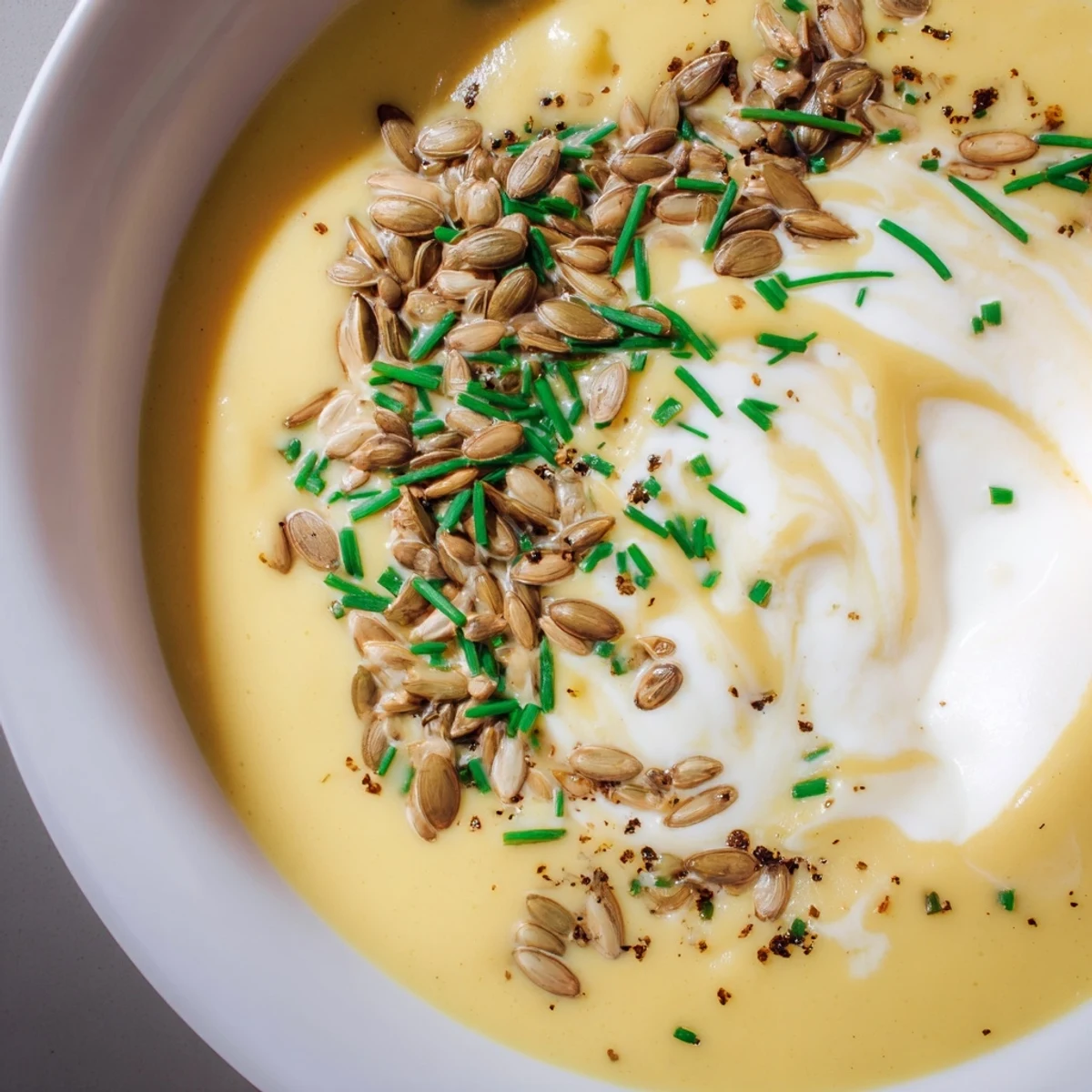
 This soup has become my answer to the question of what to make when someone needs something warm and genuine. It's the kind of recipe that reminds you why cooking for people matters.
Recipe FAQs
- → What type of pumpkin works best?
-
Butternut or Hokkaido pumpkins are ideal due to their sweetness and smooth texture when cooked.
- → Can the cream be substituted?
-
Yes, coconut milk can replace heavy cream for a dairy-free or vegan alternative without compromising creaminess.
- → How do I achieve the toasted seed flavor?
-
Toast pumpkin and sunflower seeds in a dry skillet over medium heat until fragrant and golden, around 3-5 minutes.
- → What spices enhance the flavor?
-
Ground nutmeg and cumin add warmth, with an optional touch of chili flakes for subtle heat.
- → Is this suitable for gluten-free diets?
-
Yes, all ingredients are naturally gluten-free; just ensure broth and seasonings are gluten-free as well.
- → What are good serving suggestions?
-
Serve with crusty bread or grilled cheese for a comforting pairing, and consider a dry Riesling or Chardonnay alongside.