
 Save to Pinterest
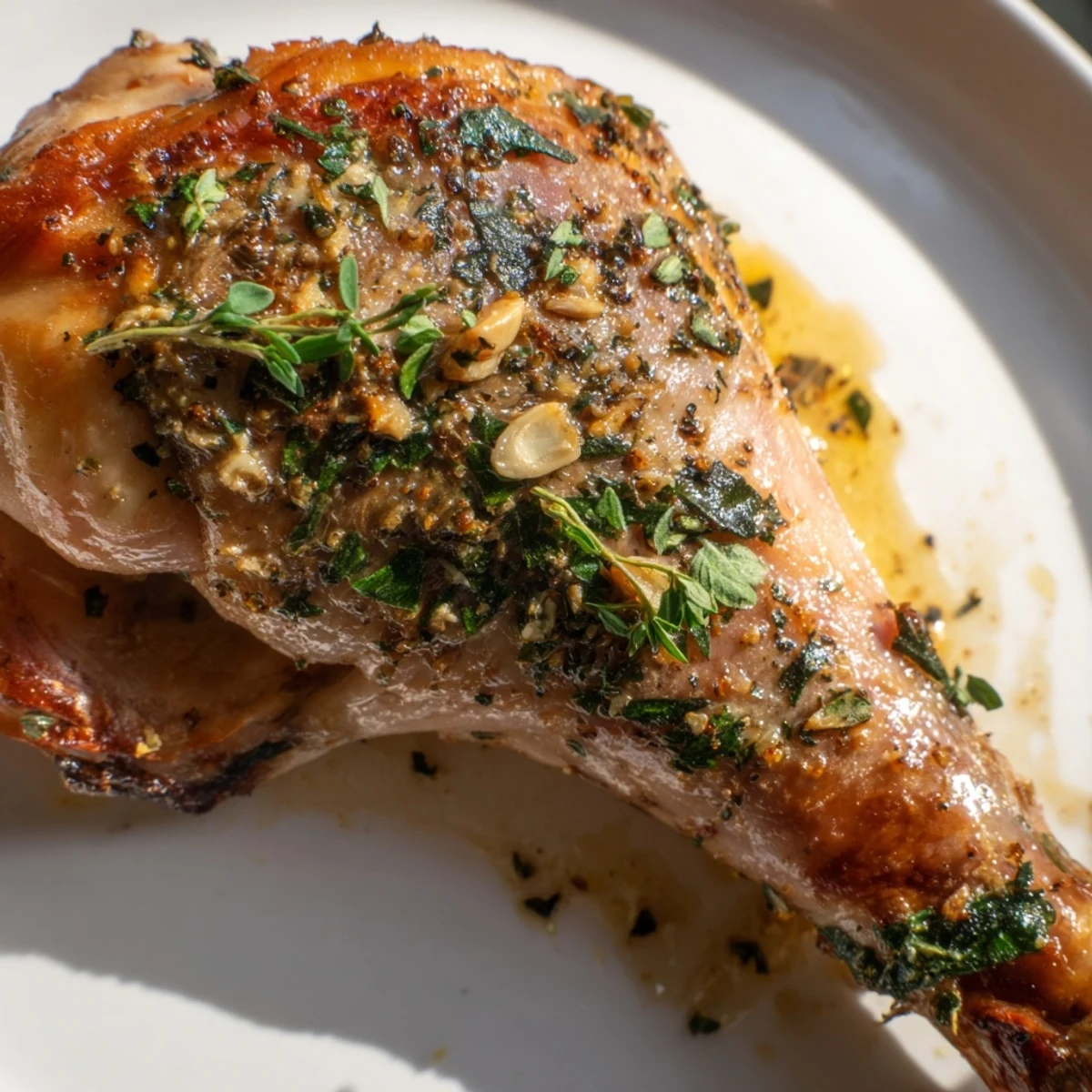
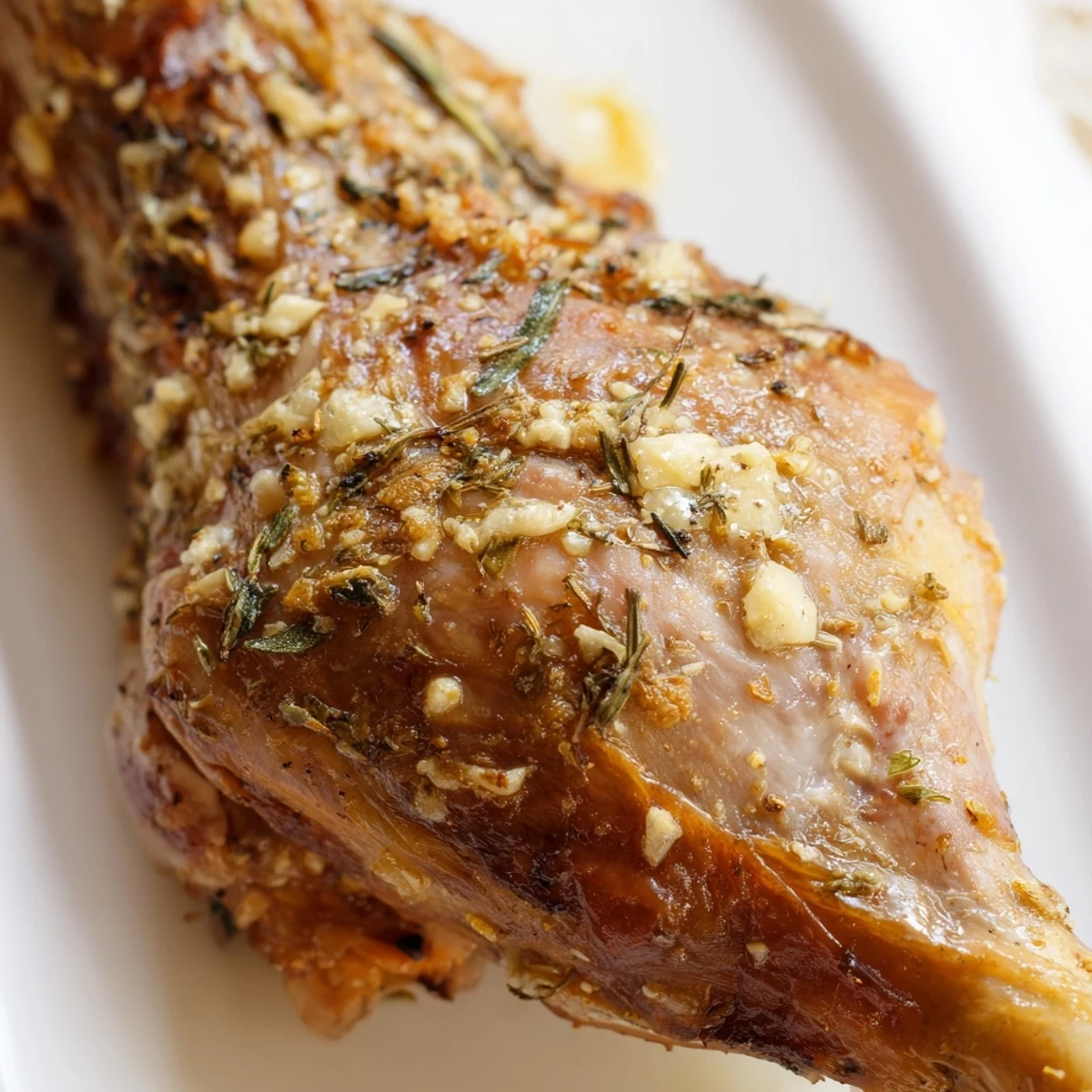
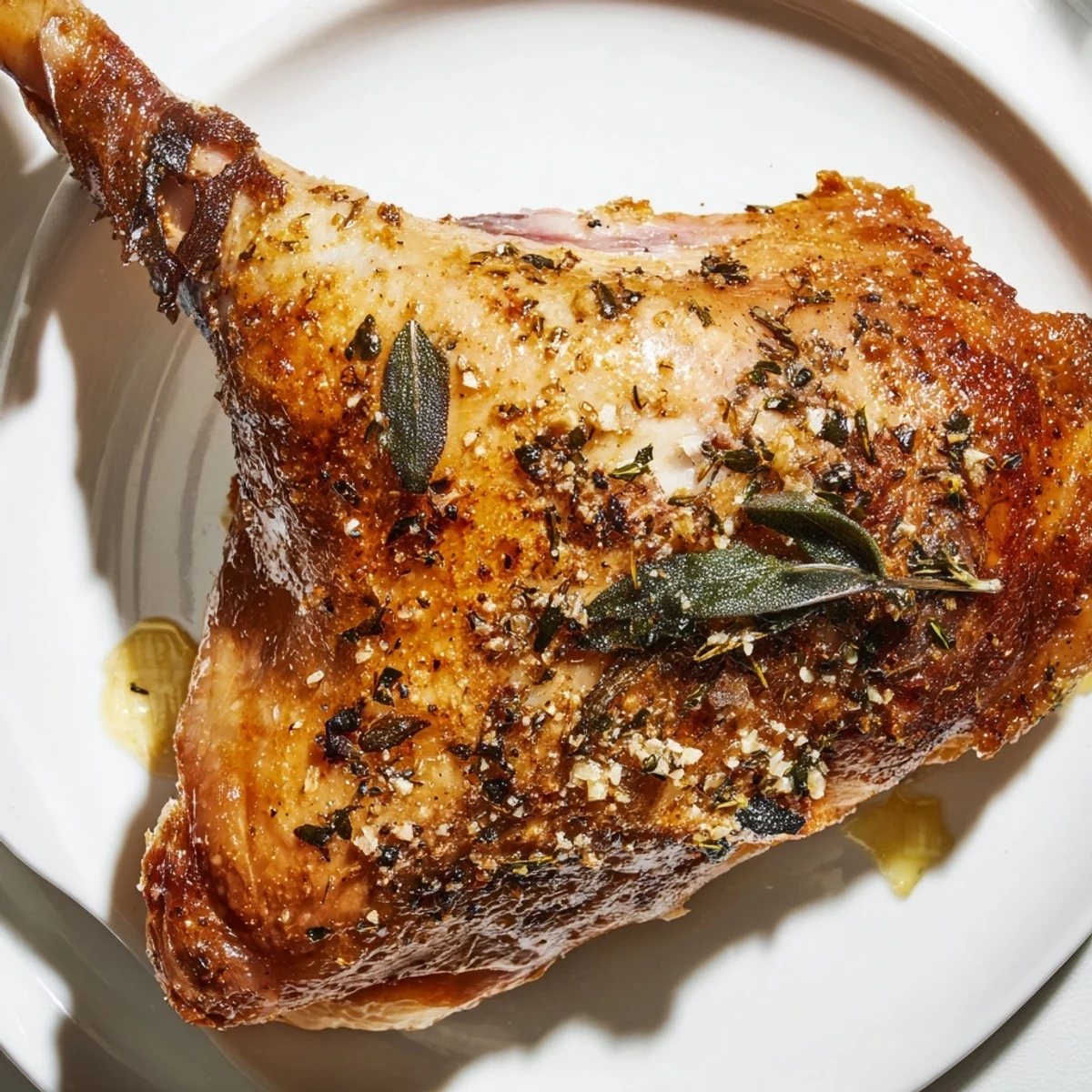
 This dish features tender turkey legs slow-cooked to perfection with a blend of fresh sage, garlic, and lemon for a rich, aromatic flavor. Vegetables like onions, carrots, and celery add subtle sweetness and depth as the turkey slowly roasts in a covered pan. Finishing with a high-heat roast crisps the skin for a golden, savory finish. Resting the meat allows juices to redistribute, enhancing tenderness. Ideal for cozy gatherings, this flavorful dish pairs wonderfully with mashed potatoes or roasted root vegetables. Optional rosemary or thyme sprigs can deepen the aroma and taste.
There's something about the smell of sage and lemon filling your kitchen on a quiet afternoon that makes you slow down. I'd been rushing through weeknight dinners for months when my neighbor mentioned her secret for turkey legs—low heat, patience, and enough fresh herbs to make the house smell like a cozy farmhouse. That conversation changed how I thought about cooking turkey altogether, turning what could be an ordinary bird into something people actually look forward to.
The first time I made this for a small gathering, I kept opening the oven door every five minutes, convinced something was going wrong because everything seemed so quiet and slow. By hour two, when I finally pulled back the foil, the sizzle and golden skin told me I'd been overthinking it. My guests had seconds, and someone asked if I'd been slow-cooking turkey legs all along without telling them.
Ingredients
- Turkey legs (4, about 300 g each, skin on): The foundation of this dish—look for meaty legs with intact skin, which crisps beautifully at the end and keeps everything juicy underneath.
- Olive oil (2 tbsp) and unsalted butter (1 tbsp, melted): Together they create a marinade that browns the skin gently and carries flavor deep into the meat.
- Fresh sage leaves (2 tbsp, finely chopped) or dried sage (2 tsp): Fresh sage has a peppery warmth that dried simply can't match, but dried works if that's what you have on hand.
- Garlic cloves (4, minced): Don't use pre-minced garlic here—fresh cloves mellow beautifully as everything roasts and mingle with the lemon notes.
- Fresh lemon juice (1 tbsp) and lemon zest (1 tsp): The zest adds brightness that lingers, while juice cuts through the richness of the meat and keeps things from feeling heavy.
- Salt (1 tsp) and freshly ground black pepper (½ tsp): Season generously—turkey needs it.
- Onion (1 large, sliced), carrots (2, sliced), celery (2 stalks, sliced): These roast into a fragrant bed underneath and flavor the pan juices that you'll spoon over everything.
- Chicken or turkey broth (1 cup): Keeps the environment steamy and gentle, creating pan juices that taste like liquid gold by the end.
Instructions
- Set your oven low and slow:
- Preheat to 150°C (300°F)—this temperature is the secret to tender meat that doesn't toughen.
- Make the marinade:
- In a small bowl, stir together olive oil, melted butter, sage, garlic, lemon juice, lemon zest, salt, and pepper until fragrant. You're creating a paste that will coat every inch of the turkey.
- Dry and coat the turkey legs:
- Pat the turkey legs completely dry with paper towels—dry skin is how you get that crisp finish. Rub the marinade generously all over, making sure to work it under the skin where you can reach it.
- Build your roasting bed:
- Scatter sliced onion, carrots, and celery across the bottom of a large roasting pan, then nestle the turkey legs on top, skin side up. Pour broth around (not over) the legs so the skin can brown and crisp, not steam.
- Roast low and covered:
- Cover the pan tightly with foil and roast for 2 hours, basting the turkey legs with the pan juices once halfway through—this keeps the meat incredibly moist. The foil traps steam and keeps everything gentle.
- Finish high and crispy:
- Remove the foil, raise the oven to 200°C (400°F), and roast uncovered for 15 minutes until the skin turns golden and crisp, a contrast to the tender meat underneath.
- Rest and serve:
- Let the turkey legs rest for 5–10 minutes so the juices redistribute. Spoon some of the pan juices and vegetables over each portion before serving.
 Save to Pinterest
 There was a moment during that first dinner party when someone asked what I'd done differently, and I realized I hadn't stressed or fussed—I'd simply let time and heat do their job. That's when turkey legs stopped being something to worry about and became something I actually wanted to cook.
Why This Works Better Than Faster Methods
High-heat roasting dries out turkey, but this low-and-slow approach lets the meat relax and stay tender while the flavors develop quietly in the background. The foil traps steam at first, steaming the meat through, then you remove it at the end to crisp the skin—the best of both worlds. By the time everything finishes cooking, you've built layers of flavor: from the sage and garlic rub, from the vegetables caramelizing underneath, from the broth becoming a pan sauce. It's not complicated, but it's thoughtful.
Serving Ideas and Sides That Make Sense
Mashed potatoes are the obvious choice, and they soak up those pan juices beautifully, but roasted root vegetables—carrots, parsnips, beets—add color and sweetness that balances the savory herbs. A simple green salad with vinaigrette cuts through the richness if you want something fresh alongside. Some people shred leftover turkey legs for sandwiches the next day, layering them on bread with a spread made from the pan juices mixed with a little mayo. The versatility of this dish means you're not locked into one way of serving it.
Adapting This Recipe to Your Taste
If sage isn't your thing, fresh rosemary or thyme work equally well—add a full sprig with the vegetables if you want something earthier. A splash of white wine in place of some of the broth deepens the flavor and adds complexity. Citrus can shift too; try orange zest and juice instead of lemon if you want something warmer. Don't be afraid to taste the pan juices at the end and adjust seasoning one last time before serving.
- Fresh herbs matter more than dried, but dried sage still delivers when you need it.
- The resting step is non-negotiable if you want meat that stays juicy on the plate.
- Leftovers keep beautifully in the refrigerator for three days and reheat gently in a low oven.
 Save to Pinterest
 Slow roasting turkey legs has become my answer to the question of what to cook when people are gathering and I want something that tastes thoughtful but doesn't demand my attention all evening. The smell alone is worth it.
Recipe FAQs
- → How do I ensure the turkey legs stay tender?
-
Slow roasting at a low temperature while covered helps retain moisture and break down connective tissues, resulting in tender meat.
- → Can I use dried sage instead of fresh?
-
Yes, dried sage can be used at about one-third the amount of fresh to maintain aromatic flavor.
- → What vegetables work well with this dish?
-
Onions, carrots, and celery add sweetness and depth, complementing the herbs and turkey flavors.
- → Why is the turkey roasted uncovered at the end?
-
Roasting uncovered at higher heat crisps and browns the skin for a flavorful, golden finish.
- → How long should the turkey legs rest before serving?
-
Allow 5–10 minutes for resting after roasting so the juices redistribute evenly, enhancing tenderness.
- → Can this cooking method be used on other poultry parts?
-
Yes, slow roasting with herbs and aromatics works well for thighs and drumsticks, ensuring moist, flavorful results.