
 Save to Pinterest
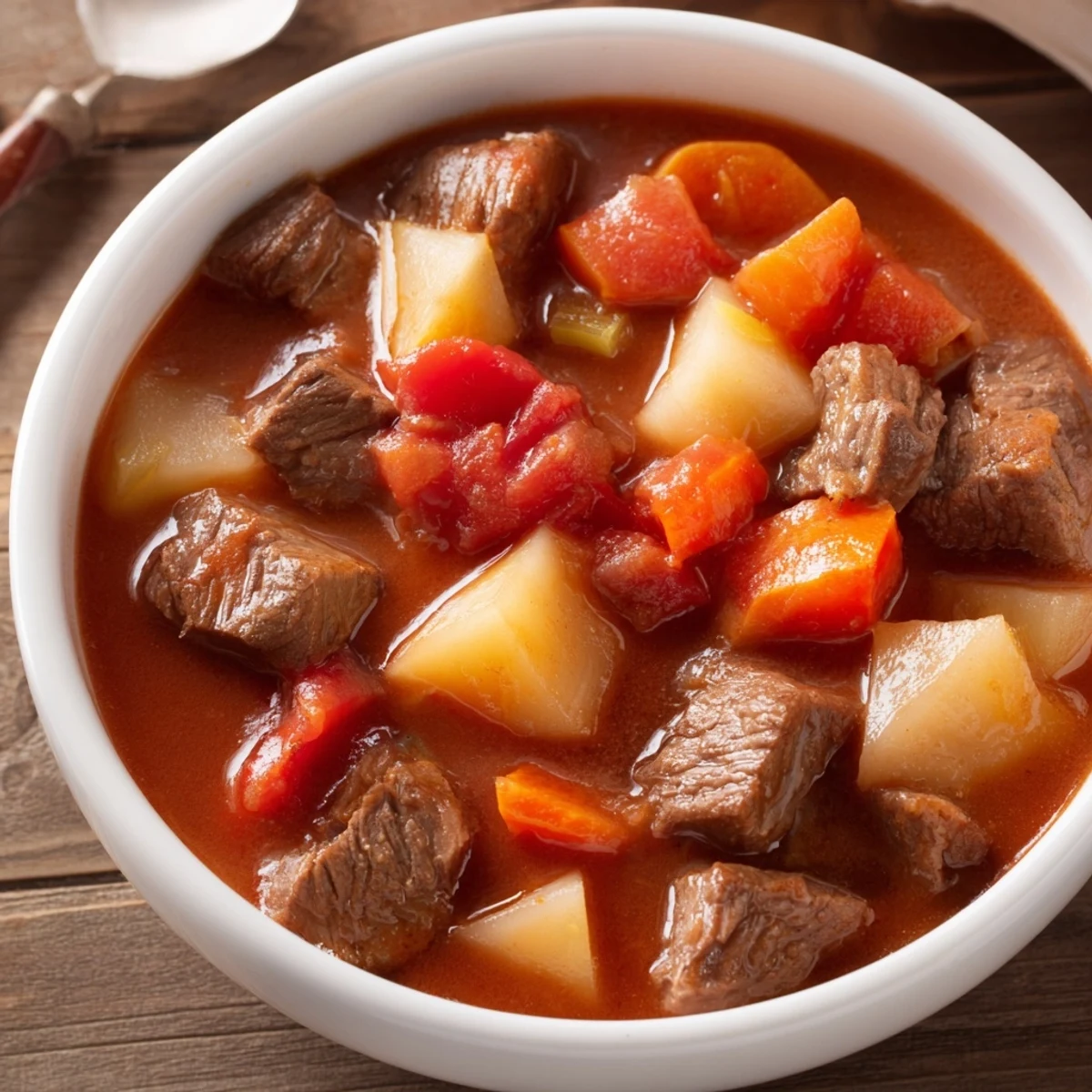
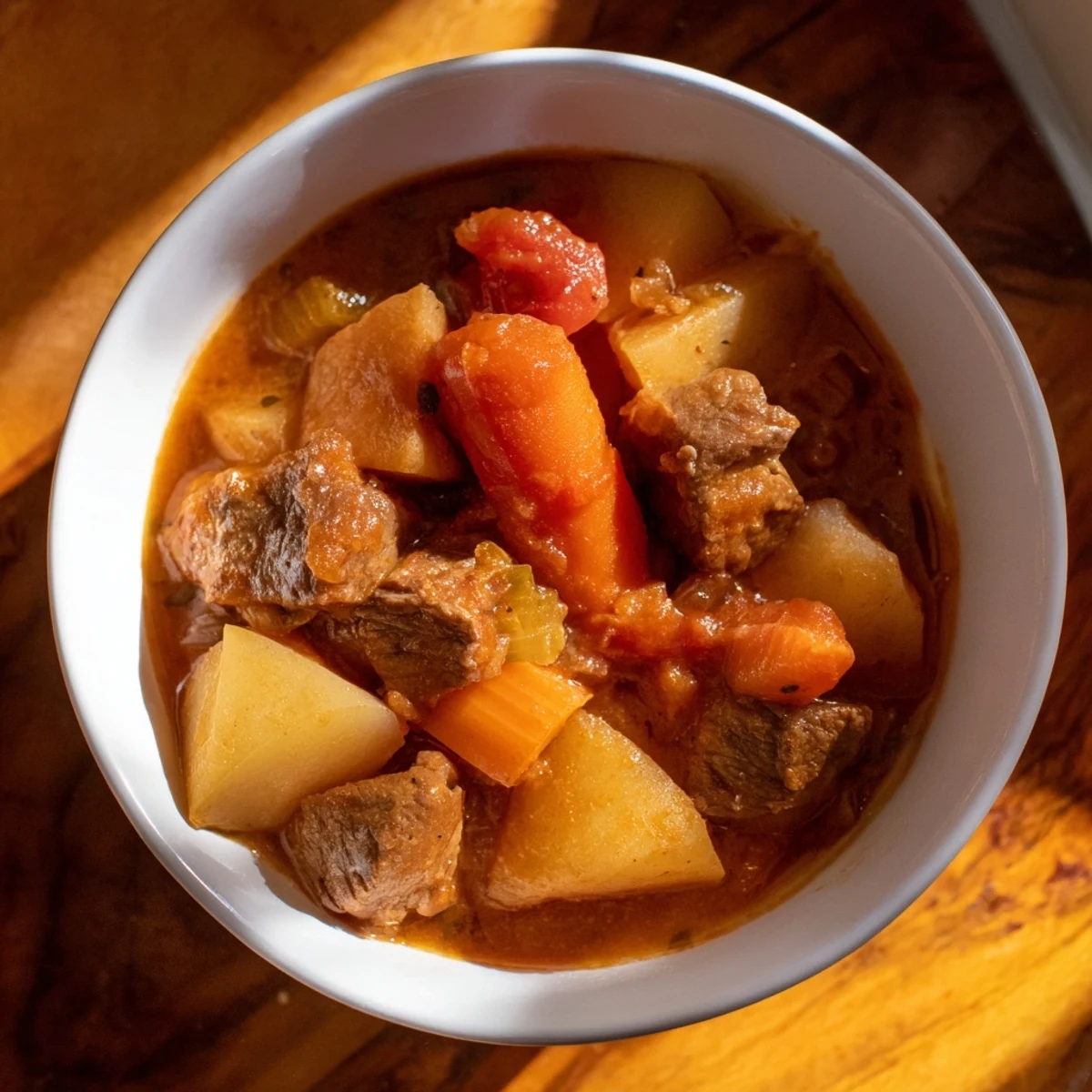
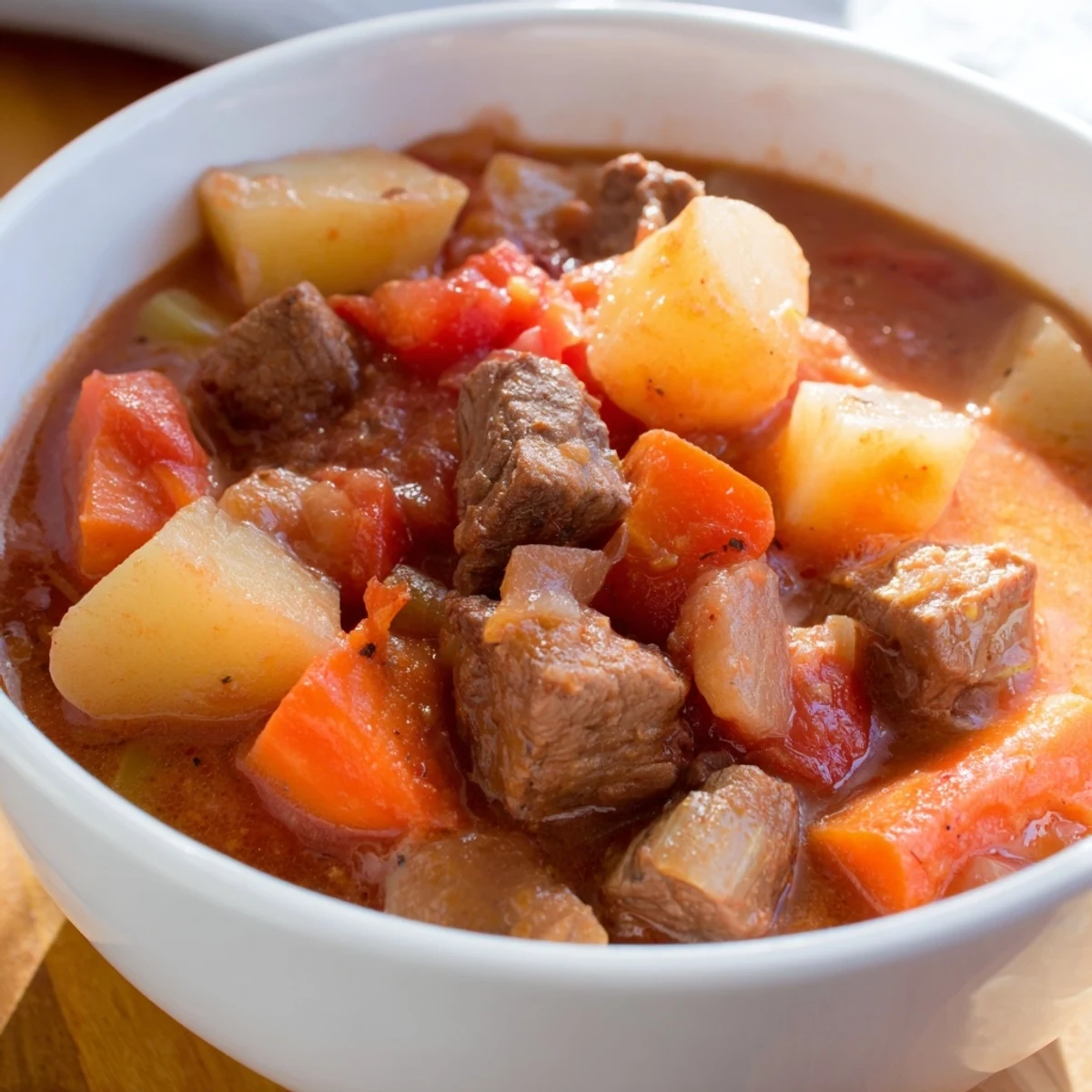
 This hearty stew combines tender beef cubes with carrots, potatoes, celery, onion, and garlic, simmered slowly in a savory broth enriched with diced tomatoes, tomato paste, and Worcestershire sauce. Aromatic herbs like thyme, rosemary, and bay leaves deepen the flavor. The stew is thickened at the end with a cornstarch slurry for a satisfying texture. Ideal for a cozy evening, it serves six and pairs well with crusty bread or mashed potatoes.
There's something about the smell of beef and herbs simmering all day that makes a house feel like home. I discovered this stew on a particularly gray afternoon when I needed something that would fill the kitchen with warmth for hours, and it delivered exactly that. The beauty of slow cooking is how little attention it demands—you're free to move through your day while the magic happens quietly behind a closed lid. When you lift that cover at the end, the aroma alone makes everyone gather in the kitchen.
I made this for my sister during her first week in a new apartment, when she hadn't unpacked half her boxes and her kitchen felt sterile and strange. She cried a little when she smelled it—not from sadness, but from the comfort of it. That's when I realized this stew isn't just food; it's an edible hug that says someone cares enough to let time do the work.
Ingredients
- Beef stew meat (2 lbs): Cut into 1-inch cubes for even cooking and tender bites that break apart without effort.
- Carrots (3 medium): Slice them at a slight angle so they cook evenly and look intentional on the plate.
- Potatoes (3 medium): Dice them roughly the same size as the beef so everything finishes together.
- Celery (2 stalks): The quiet backbone of flavor that nobody mentions but everyone notices when it's missing.
- Onion (1 large): Chop it fine—it dissolves into the broth and builds a savory foundation.
- Garlic (3 cloves): Mince it small so it distributes throughout and mellows into warmth rather than raw sharpness.
- Beef broth (4 cups): Use low-sodium so you control the salt and the flavors don't overwhelm.
- Diced tomatoes (1 can, 14.5 oz): Keep the juices—they add acidity that makes everything taste brighter.
- Tomato paste (2 tbsp): This concentrated stuff deepens the color and adds a subtle sweetness that balances the herbs.
- Worcestershire sauce (2 tbsp): A splash of umami that most people won't identify but will absolutely taste.
- Dried thyme (1 tsp): Earthy and gentle, it whispers rather than shouts.
- Dried rosemary (1 tsp): Aromatic and bold—crush it between your fingers before adding to wake up the oils.
- Bay leaves (2): Remove them before serving; they're there to flavor, not to chew.
- Salt and black pepper (1 tsp and 1/2 tsp): Season as you taste, remembering that slow cooking concentrates flavors.
- Cornstarch and cold water (2 tbsp each): This slurry thickens without flour, keeping the stew naturally gluten-free.
Instructions
- Prep your foundation:
- Peel and chop everything into roughly even pieces—this takes about twenty minutes and is meditative if you let it be. Uneven pieces cook at different rates, so take your time here.
- Layer it in:
- Dump the beef, carrots, potatoes, celery, onion, and garlic into your slow cooker in whatever order feels natural. The order doesn't matter much, but I like to put the beef on the bottom so it cooks gently surrounded by vegetables.
- Build the liquid base:
- Pour in the beef broth, diced tomatoes with their juices, tomato paste, and Worcestershire sauce, then stir everything together so nothing sticks to the bottom. The paste might seem stubborn at first, but it will dissolve and distribute as it cooks.
- Season with intention:
- Sprinkle the thyme, rosemary, bay leaves, salt, and pepper over everything, then mix gently to make sure the herbs reach different corners. You're not being fancy here—just thorough.
- Let time work:
- Cover and set to low for eight hours or high for four to five hours. The beef should be fall-apart tender and the vegetables soft enough to easily pierce. Resist opening the lid to peek; every time you do, you let heat escape and add time to the cook.
- Thicken at the end:
- Whisk cornstarch and cold water together in a small bowl until completely smooth, then stir it into the simmering stew. Cover and let it cook on high for fifteen to twenty minutes until you notice the liquid clinging to the spoon.
- Finish clean:
- Fish out the bay leaves before ladling into bowls—nobody wants that surprise.
 Save to Pinterest
 I learned something unexpected while making this: the stew tastes better when you eat it with other people, even if they're just sitting nearby. The sharing transforms it from a meal into a moment, and suddenly the eight hours of waiting feel worth it.
Why Slow Cooking Changes Everything
A slow cooker doesn't rush—it coaxes flavors slowly and gently, breaking down the toughest cuts until they surrender to tenderness. The low, steady heat means the beef stays moist instead of becoming stringy, and the vegetables soften without turning to mush. It's the opposite of a quick weeknight panic; it's planning ahead and being rewarded for patience.
Variations That Work
Swap the beef for lamb if you want something richer and more pronounced, or use chicken thighs for a lighter but still deeply flavored version. I've also added dried mushrooms for earthiness and a splash of red wine for complexity. The structure stays solid; only the personality changes.
Serving Ideas
Ladled over mashed potatoes, it becomes almost decadent; with crusty bread on the side, you'll use every bit of broth. Some people pour it over egg noodles, and I've even served it in bread bowls when I'm feeling fancy but still want something casual.
- Add a handful of peas or green beans in the last thirty minutes if you want a pop of color and fresh flavor.
- Finish with a sprinkle of fresh parsley just before serving to cut through the richness.
- Make a double batch and freeze half—it reheats beautifully and tastes like a gift to your future self.
 Save to Pinterest
 This stew has a way of becoming tradition without trying. Make it once, and someone will ask for it again, and soon it's the meal you make when life needs softening around the edges.
Recipe FAQs
- → How can I enhance the stew’s flavor?
-
Browning the beef before slow cooking adds a rich, caramelized depth that intensifies the overall taste.
- → Can I substitute the beef with other meats?
-
Yes, lamb or chicken can be used as alternatives, adjusting cooking times accordingly to ensure tenderness.
- → What thickening method is used for the stew?
-
A mixture of cornstarch and cold water is stirred in near the end of cooking to gently thicken the sauce.
- → Are there suggestions for adding more vegetables?
-
Peas or green beans can be added during the last 30 minutes of cooking for extra color and nutrition.
- → What sides complement this stew best?
-
Crusty bread or mashed potatoes serve as excellent accompaniments to soak up the flavorful broth.