
 Save to Pinterest
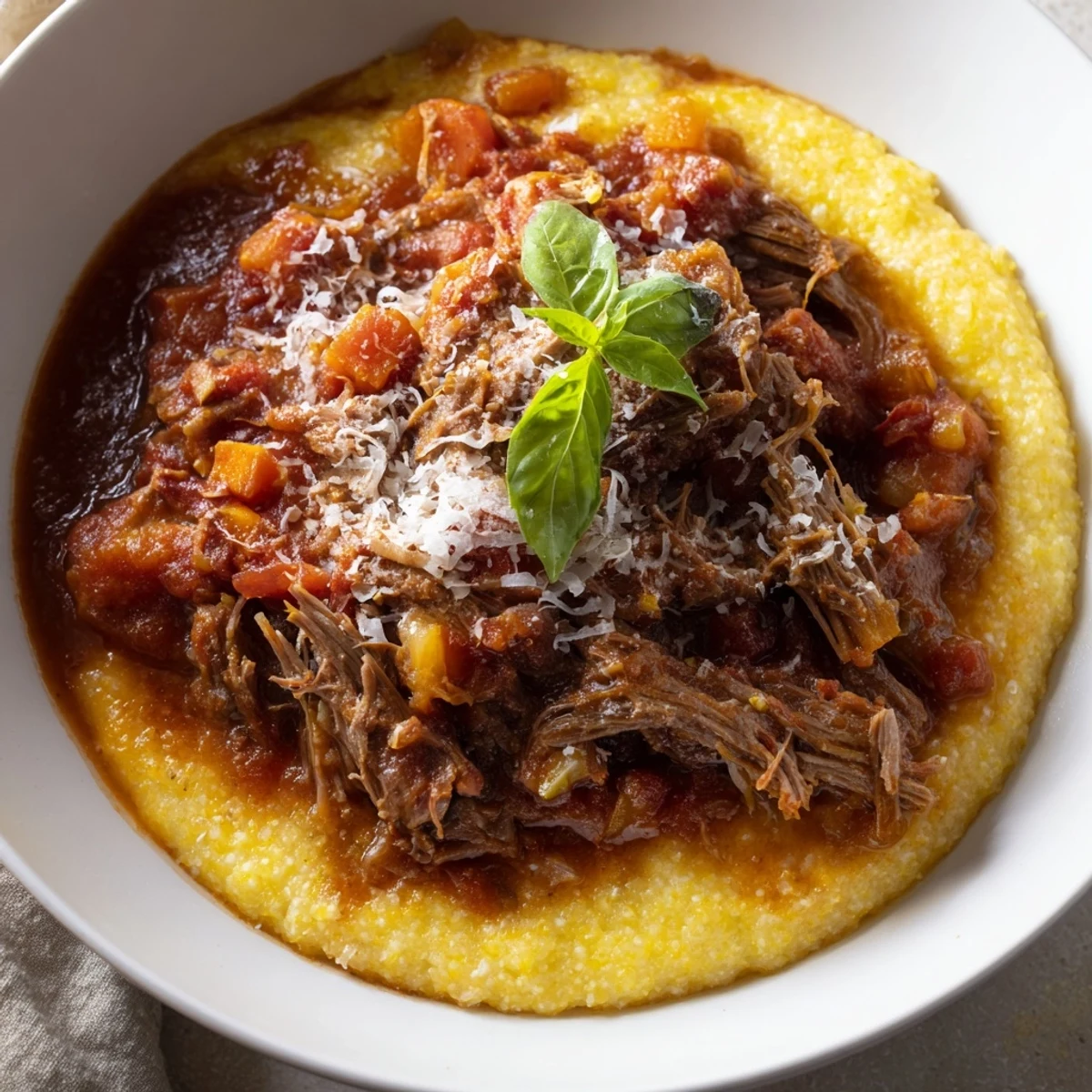
 This hearty Italian-style dish combines tender, slow-cooked beef chuck simmered with tomatoes, herbs, and red wine. The rich sauce is served over creamy, buttery polenta made from coarse cornmeal, Parmesan, and butter. With its comforting textures and layers of flavor from garlic, onion, and aromatic herbs, this slow-cooked beef ragu creates a satisfying and warming meal perfect for sharing. The dish balances savory meat with smooth, cheesy polenta, ideal for a cozy family dinner.
There's something about the smell of beef and tomato simmering for hours that turns a regular Tuesday into something worth remembering. I discovered this ragu on a cold afternoon when my neighbor mentioned she'd been using her slow cooker since morning, and by the time I stopped by around dinner, her kitchen smelled like a Roman trattoria. She served it over polenta, creamy and buttery, and I realized that night how the right dish can make you feel like you're sitting at a long table with family, even if it's just a quiet weeknight.
I made this for friends on a winter evening, and what struck me most was watching people go quiet when they took the first bite, then immediately reach for more. One friend asked if I'd been cooking it since morning, and I got to deliver that satisfying answer: the slow cooker had been handling it all day while I was at work. That moment of revealing the effort-to-reward ratio made the dish feel even better.
Ingredients
- Beef chuck roast: The marbling in this cut breaks down into gorgeous tenderness over 8 hours; cheaper cuts work brilliantly here because time does the tenderizing.
- Crushed tomatoes: Use San Marzano if you can find them, but honestly, a quality crushed tomato will carry the whole sauce.
- Tomato paste: This concentrated umami is your secret weapon for depth; don't skip it even if it seems like a small amount.
- Red wine: Choose something you'd actually drink; it mellows beautifully into the sauce and adds complexity without tasting boozy.
- Fresh aromatics: Onion, garlic, carrots, and celery are the foundation; taking time to chop them properly sets up success.
- Polenta: Coarse cornmeal, not instant, gives you that satisfying texture and genuine flavor you're after.
- Butter and Parmesan: These aren't optional add-ons; they transform polenta from grainy to luxurious.
Instructions
- Sear the beef until it's dark and crusty:
- Get your skillet smoking hot and don't move the meat around; let it sit and caramelize hard on each side. This takes maybe 12 minutes total but creates the foundation for everything that follows. Transfer each browned piece to your slow cooker as you finish.
- Build flavor in the vegetables:
- In that same skillet, the browned bits stuck to the bottom are liquid gold; sauté your chopped onion, carrots, and celery until they soften and release their sweetness, then add garlic. The whole step takes about 5 minutes and makes a noticeable difference.
- Combine everything and let time do the work:
- Dump the tomatoes, paste, broth, wine, and herbs into the slow cooker with the beef and vegetables. Stir once, cover, and walk away for 8 hours on low. You'll know it's ready when you can shred the beef with two forks effortlessly.
- Finish and refine:
- Fish out the bay leaves, shred the beef right in the pot, and taste carefully. Add salt, pepper, or a pinch of red pepper flakes if it needs personality. The ragu should taste rich and complex, not flat.
- Make creamy polenta with intention:
- Bring your liquid to a proper boil, then whisk in the cornmeal slowly to avoid lumps. The next 30-40 minutes require regular stirring; don't rush this or walk away. As it thickens and pulls from the sides of the pan, stir in butter and Parmesan until it's glossy and smooth.
- Plate with generosity:
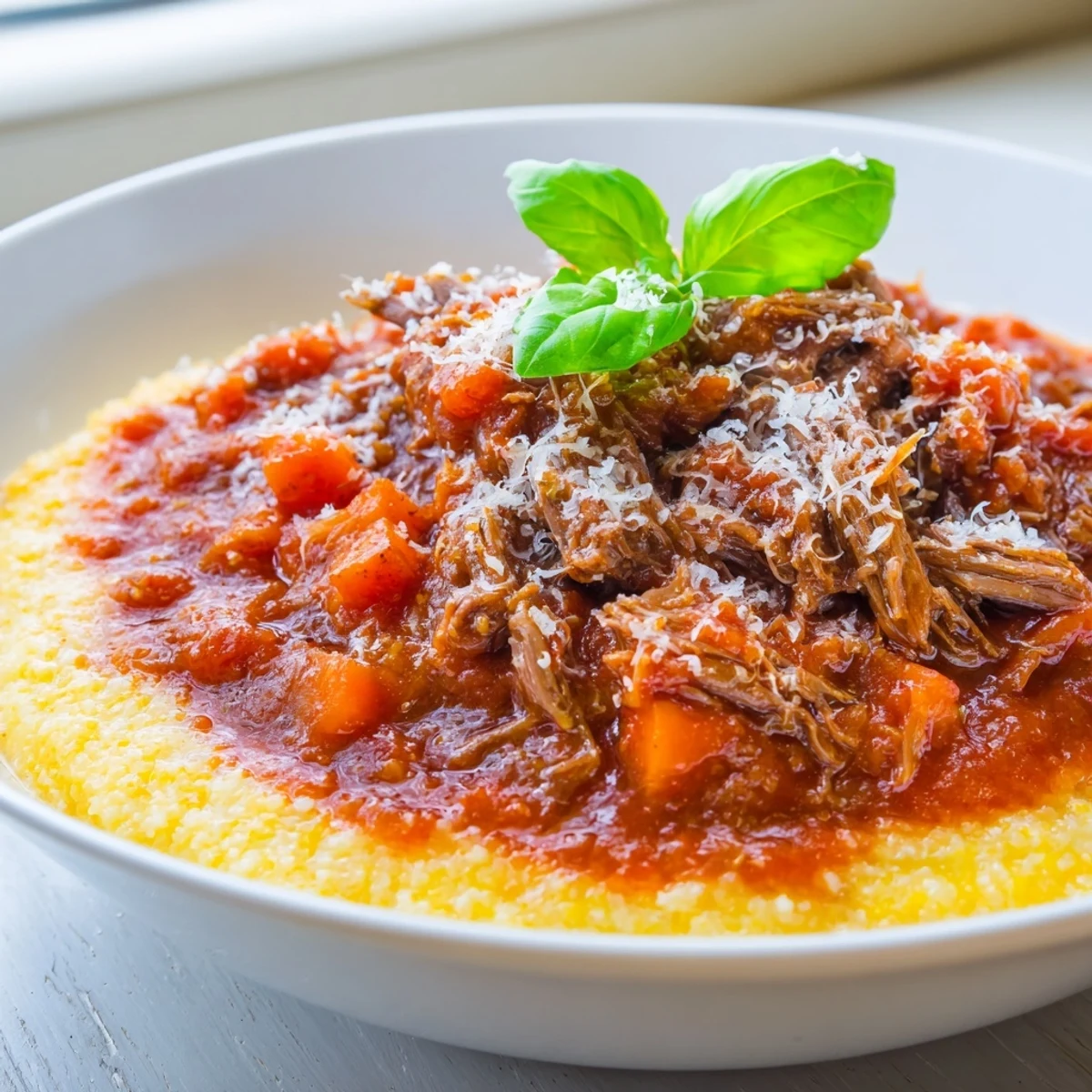
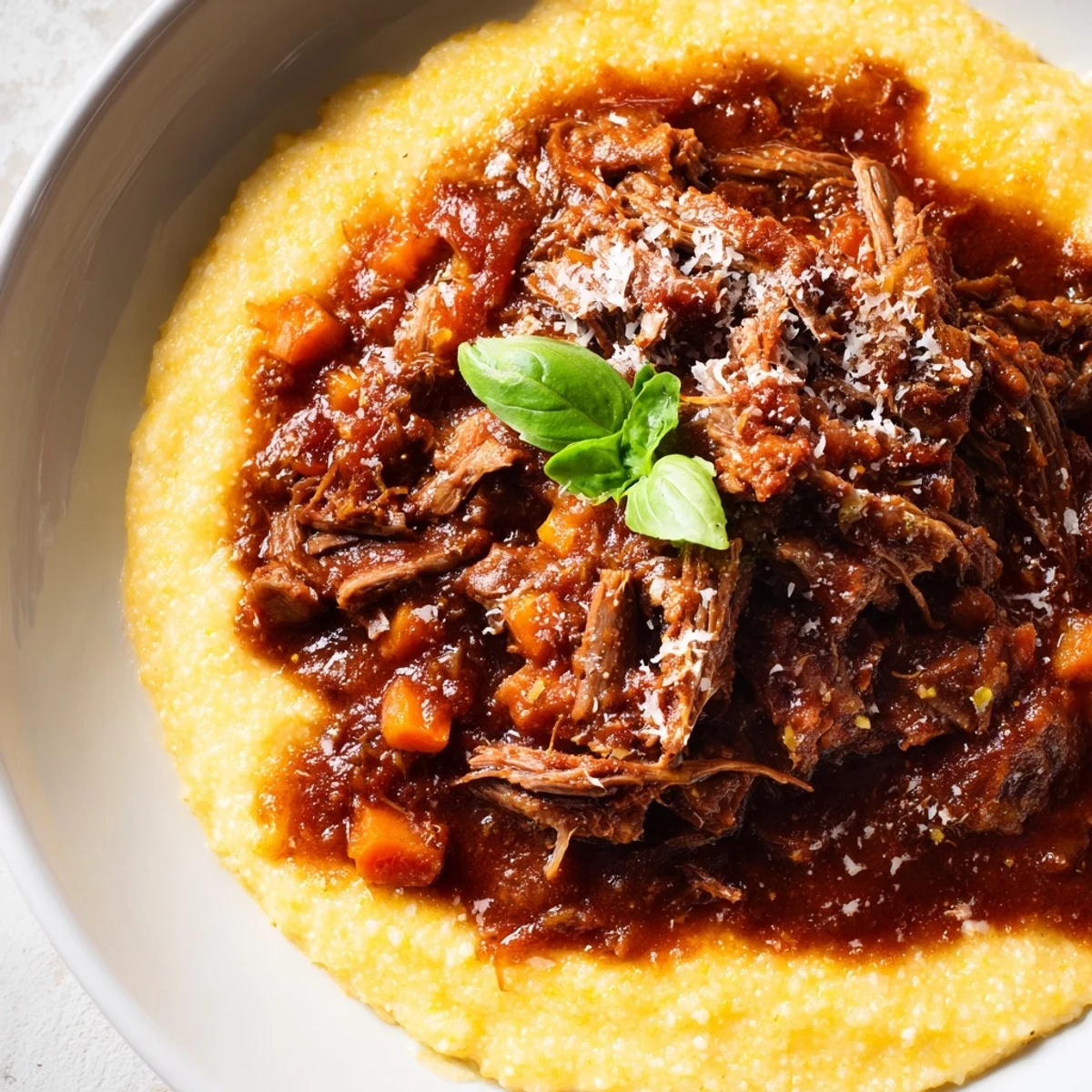
- Spoon creamy polenta into bowls or onto plates, then ladle the ragu generously on top. Finish with fresh basil or parsley and a shower of Parmesan that you don't apologize for.
 Save to Pinterest
 The first time I served this to someone who grew up eating ragu in Italy, I braced myself for judgment. Instead, she took a bite and said, "You let it cook slowly, yes?" That simple acknowledgment made me understand that this dish is about patience and respect for the ingredients. It's comfort that tastes like someone spent time on you.
Building Depth Without Fuss
This ragu works because it trusts the slow cooker to extract every ounce of flavor from the beef and vegetables. The wine and tomato paste amplify each other, creating a sauce that tastes like it came from an Italian grandmother's kitchen, even though you're just following a straightforward formula. The key is not overthinking it; the long, gentle heat does the thinking for you.
When to Make This
This is a weekend cooking project or a weekday meal if you remember to start the slow cooker in the morning. It's ideal when you want something impressive without being in the kitchen all evening, or when you're feeding people and want the confidence that comes from a dish that simply can't fail if you follow the steps. It also shines when the weather turns cold and your home needs warmth and aroma.
Stretching and Storing
The ragu is forgiving in the best way; leftover sauce tastes even better after a day in the fridge because the flavors settle and deepen. Serve it over pasta, spoon it onto crusty bread, or use it as a base for lasagna. It freezes beautifully for up to three months, which means you can have this restaurant-level dinner on nights when you haven't cooked at all.
- Reheat gently on the stovetop or in a 325°F oven so the flavors don't flatten from high heat.
- If you're making polenta fresh, it only takes about 40 minutes, so timing it to finish as the ragu reaches serving temperature is worth the small effort.
- A splash of balsamic vinegar stirred in at the end adds mystery and depth if you want to adjust the flavor.
 Save to Pinterest
 There's quiet satisfaction in ladling this into a bowl and knowing that patience and a few good ingredients created something that tastes like love. Serve it and watch people eat quietly, the way they do when something is genuinely good.
Recipe FAQs
- → How long should the beef cook for optimal tenderness?
-
Slow cook the beef on low for 8 hours or on high for 4 to 5 hours until fork-tender and flavorful.
- → Can I substitute beef chuck with another cut?
-
Yes, leaner cuts or turkey can be used, though chuck roast delivers the best tenderness and flavor after slow cooking.
- → What liquids enhance the ragu’s flavor?
-
Crushed tomatoes, beef broth, and dry red wine blend beautifully to create a rich, deep sauce.
- → How do I prepare the polenta to be creamy?
-
Gradually whisk coarse cornmeal into boiling water or broth, then cook low and slow while stirring frequently until thick and creamy.
- → What herbs complement the beef ragu best?
-
Dried oregano, thyme, and bay leaves add aromatic layers that enhance the savory beef and tomato flavors.
- → Can this dish be gluten-free?
-
Yes, as long as broth and cheese labels are checked for gluten, this dish is naturally gluten-free.