
 Save to Pinterest
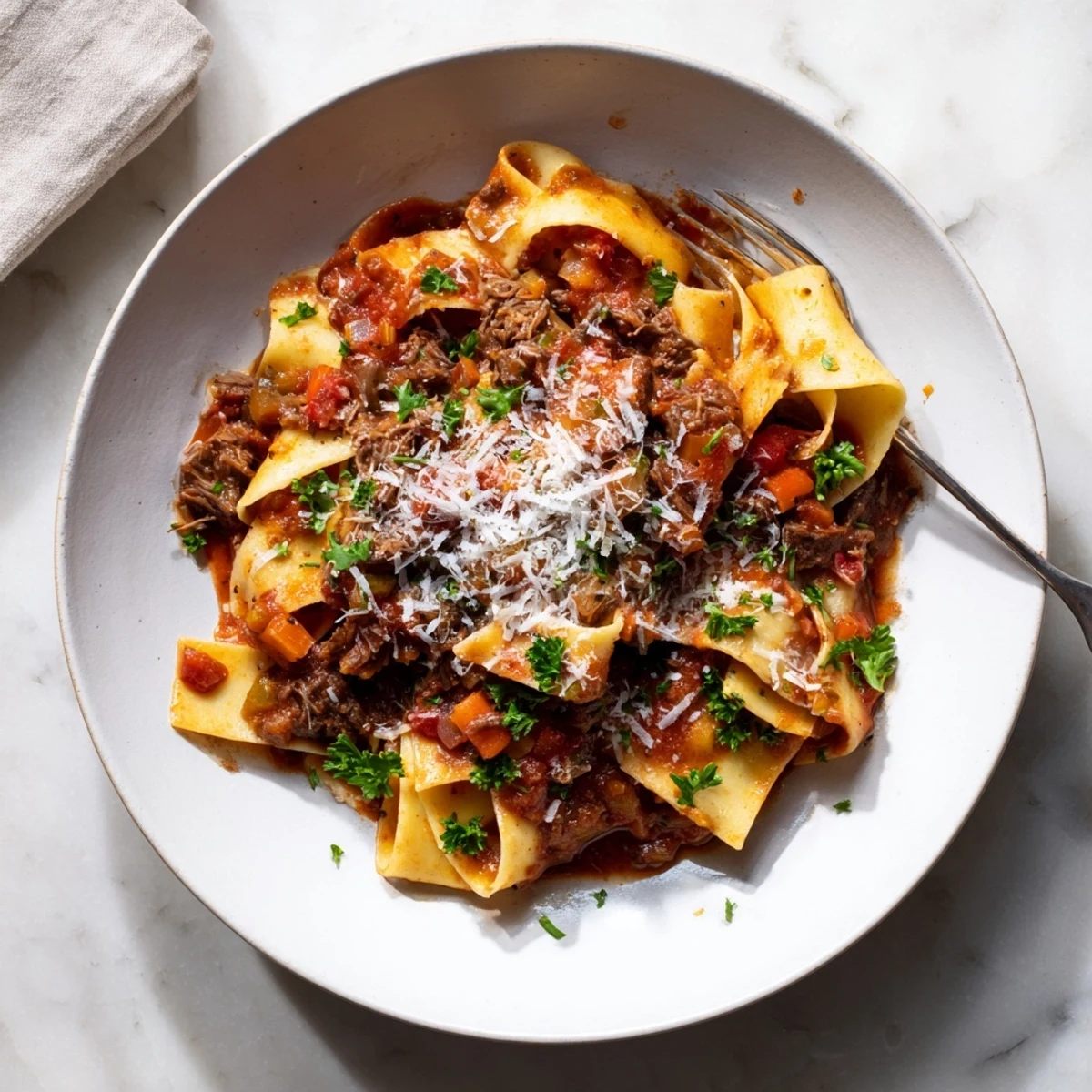
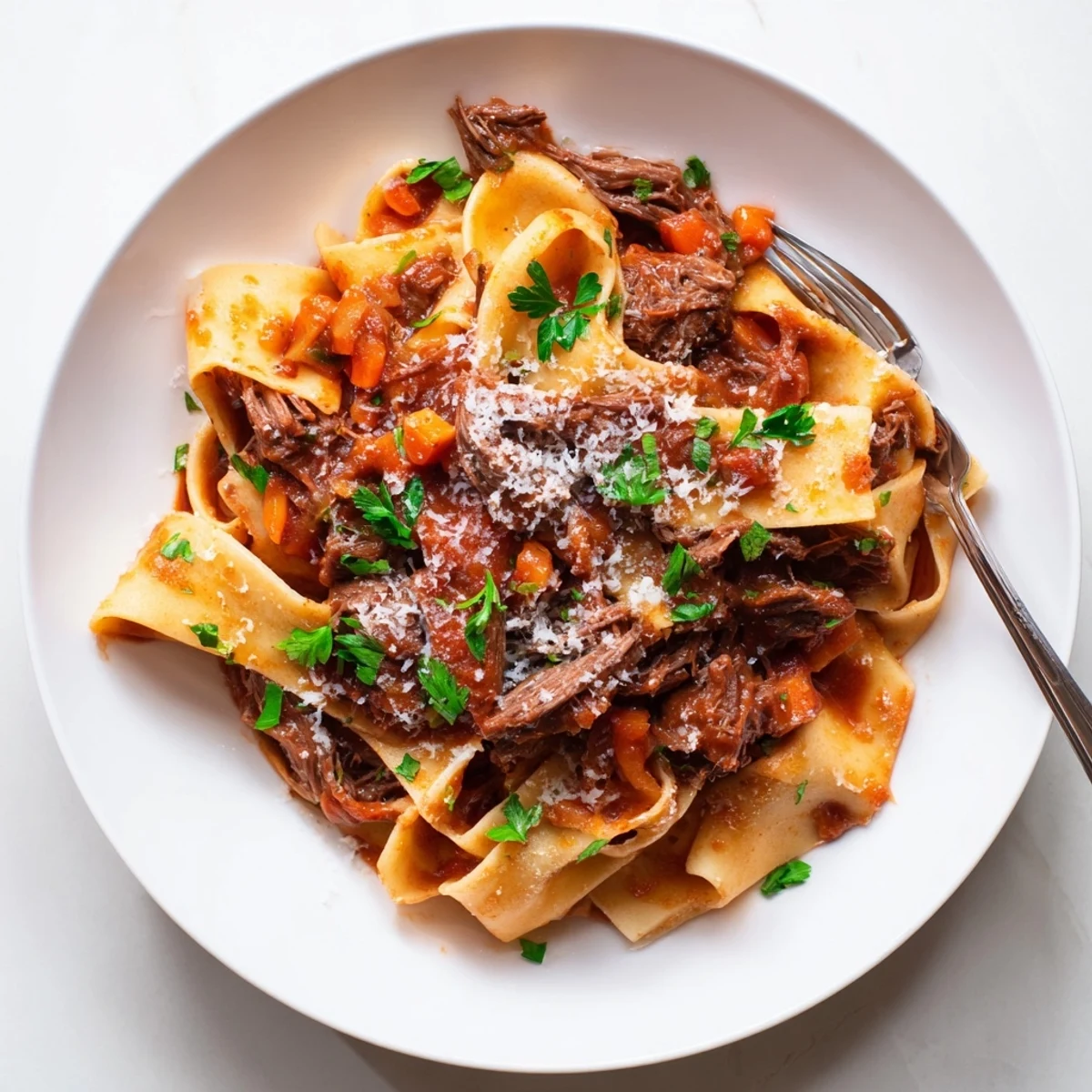
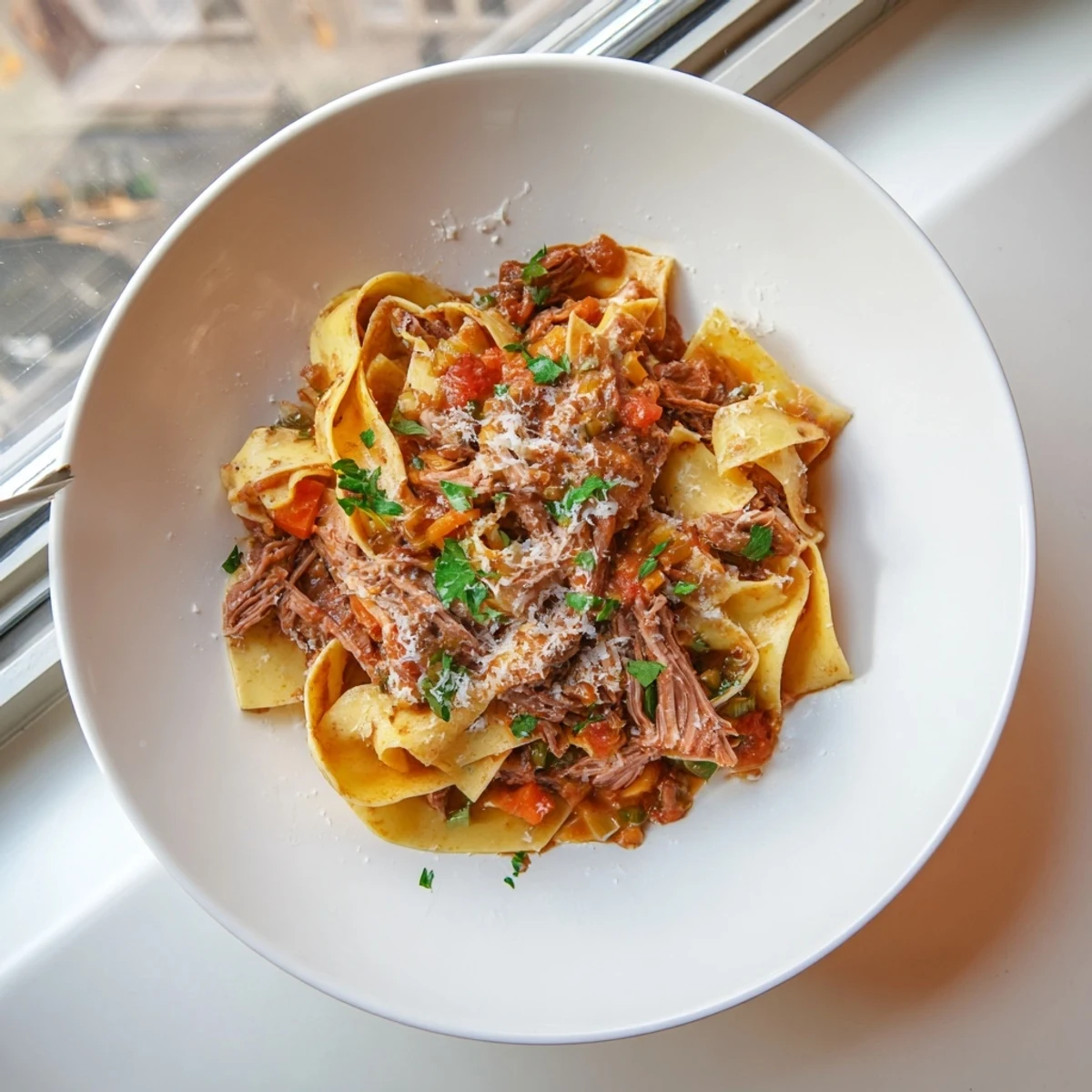
 This rustic Italian-inspired dish transforms lamb shoulder into meltingly tender meat through slow braising. The lamb is seared until golden, then simmered for nearly three hours in a savory sauce of crushed tomatoes, red wine, and aromatic vegetables. The sauce thickens naturally as the lamb becomes fork-tender, creating a rich coating for wide ribbons of pappardelle pasta. Fresh herbs like rosemary and thyme infuse depth, while a finishing sprinkle of Parmigiano-Reggiano adds salty complexity.
The snow was coming down sideways when I finally decided to attempt a proper ragu, something that would fill the whole apartment with that incredible slow-cooked smell that makes time stand still. My roommate kept wandering into the kitchen, asking if it was ready yet, while I stirred and adjusted, learning that some things really cannot be rushed. That first batch taught me more about patience than any meditation practice I've tried since.
I served this at my first dinner party in my new apartment, nervous about everything but determined to prove I could host something resembling an adult gathering. Everyone went quiet when they took their first bites, and one friend actually put down her fork to tell me this was what she imagined Italian nonnas made on Sundays. The recipe has become my go-to for nights when I want to feed people something that feels like an embrace.
Ingredients
- 2 lbs boneless lamb shoulder: Shoulder has the perfect fat content for slow cooking, becoming meltingly tender while keeping everything rich and luxurious
- Salt and freshly ground black pepper: Dont be shy here—proper seasoning at the start builds layers of flavor you cant add later
- 2 tbsp olive oil: Use something with a nice flavor since its forming the foundation of your sauce
- 1 large onion, 2 carrots, 2 celery stalks: Your classic soffritto base, finely chopped so they disappear into the sauce
- 4 garlic cloves, minced: Fresh is non-negotiable here—nothing jarred will give you that aromatic punch
- 1 sprig rosemary, 2 sprigs thyme, 1 bay leaf: Fresh herbs make all the difference, infusing the ragu as it bubbles away
- 1 cup dry red wine: Something you'd actually drink—the alcohol cooks off but the wine's character stays behind
- 1 can crushed tomatoes: Whole tomatoes crushed by hand give you better texture control than pre-crushed
- 1 cup beef or chicken broth: Low-sodium is crucial since you'll be reducing everything down
- 1 lb pappardelle pasta: These wide ribbons are perfect for catching every bit of that luscious sauce
- Parmigiano-Reggiano: The real stuff, grated fresh, makes all the difference at the end
Instructions
- Season and Prep the Lamb:
- Pat the lamb completely dry with paper towels—this is the secret to getting a proper sear. Season generously with salt and pepper on all sides.
- Sear the Meat:
- Heat your olive oil in a large Dutch oven over medium-high heat until it shimmers. Brown the lamb in batches, being careful not to crowd the pot, and transfer to a plate once deeply golden on all sides.
- Build the Base:
- Add your onion, carrots, and celery to the same pot, cooking for about 8 minutes until softened and fragrant. Toss in the garlic for just one minute—you want it aromatic, not burned.
- Combine and Deglaze:
- Return the lamb to the pot along with rosemary, thyme, and bay leaf. Pour in the wine and use your wooden spoon to scrape up all those beautiful browned bits from the bottom.
- Simmer and Slow Cook:
- Add the crushed tomatoes and broth, stirring everything together. Bring to a gentle simmer, then reduce heat to low, cover, and let it cook for about 3 hours until the lamb is fork-tender.
- Shred and Season:
- Remove the herb sprigs and bay leaf, then use two forks to shred the lamb right into the sauce. Taste and adjust seasoning as needed.
- Cook the Pasta:
- About 20 minutes before the ragu finishes, cook your pappardelle in well-salted water until al dente. Drain, but always reserve some pasta water—it's liquid gold for adjusting sauce consistency.
- Bring It Together:
- Toss the hot pasta directly with the lamb ragu, adding pasta water if the sauce needs loosening. Serve immediately with plenty of grated Parmigiano-Reggiano.
 Save to Pinterest
 This recipe became my winter standard during a particularly cold February when I needed something to look forward to at the end of long work days. Theres something meditative about the long simmer, knowing that every hour on the stove is translating into depth and comfort.
Making It Ahead
The flavors actually improve after a night in the refrigerator, which is why I often make the ragu on Sunday and reheat it gently on Tuesday. The fat renders down further, the wine mellows, and everything integrates into something that tastes like its been cooking for days rather than hours.
Wine Selection
Ive learned through trial and error that the wine you cook with matters more than most people admit. Nothing ultra-expensive is necessary, but avoid anything labeled cooking wine—those are loaded with salt and lack the complexity you want to concentrate during the long simmer.
Serving Suggestions
A simple green salad with a bright vinaigrette cuts through the richness beautifully. I also like to put out some crusty bread for soaking up any sauce that escapes the pasta.
- Let the ragu rest for 10 minutes before tossing with pasta for easier coating
- Keep some pasta water handy even after draining—you never know when you'll need it
- Fresh parsley at the end adds a nice pop of color and brightness
 Save to Pinterest
 Some recipes are about quick weeknight dinners, but this one is about giving yourself permission to slow down and create something extraordinary. The apartment will smell incredible for hours, and the first bite will remind you why good food is worth the wait.
Recipe FAQs
- → Can I make the ragu ahead of time?
-
Yes, the ragu actually improves in flavor when made a day ahead. Let it cool completely, refrigerate, then gently reheat before tossing with freshly cooked pasta.
- → What cut of lamb works best?
-
Lamb shoulder is ideal because its marbling and connective tissue break down during slow cooking, resulting in tender, succulent meat. Leg or shoulder roast work well too.
- → Can I use a different pasta shape?
-
Tagliatelle or fettuccine make excellent substitutes. The wide surface area helps capture the rich sauce. Short pasta like rigatoni or penne can also work.
- → How do I know when the lamb is done?
-
The lamb is ready when it shreds easily with two forks and the sauce has thickened and darkened. This typically takes 2½ to 3 hours of gentle simmering.
- → What wine should I use?
-
A dry Italian red like Chianti, Sangiovese, or Barbera works beautifully. Choose something you'd enjoy drinking, as the flavor concentrates in the sauce.