
 Save to Pinterest
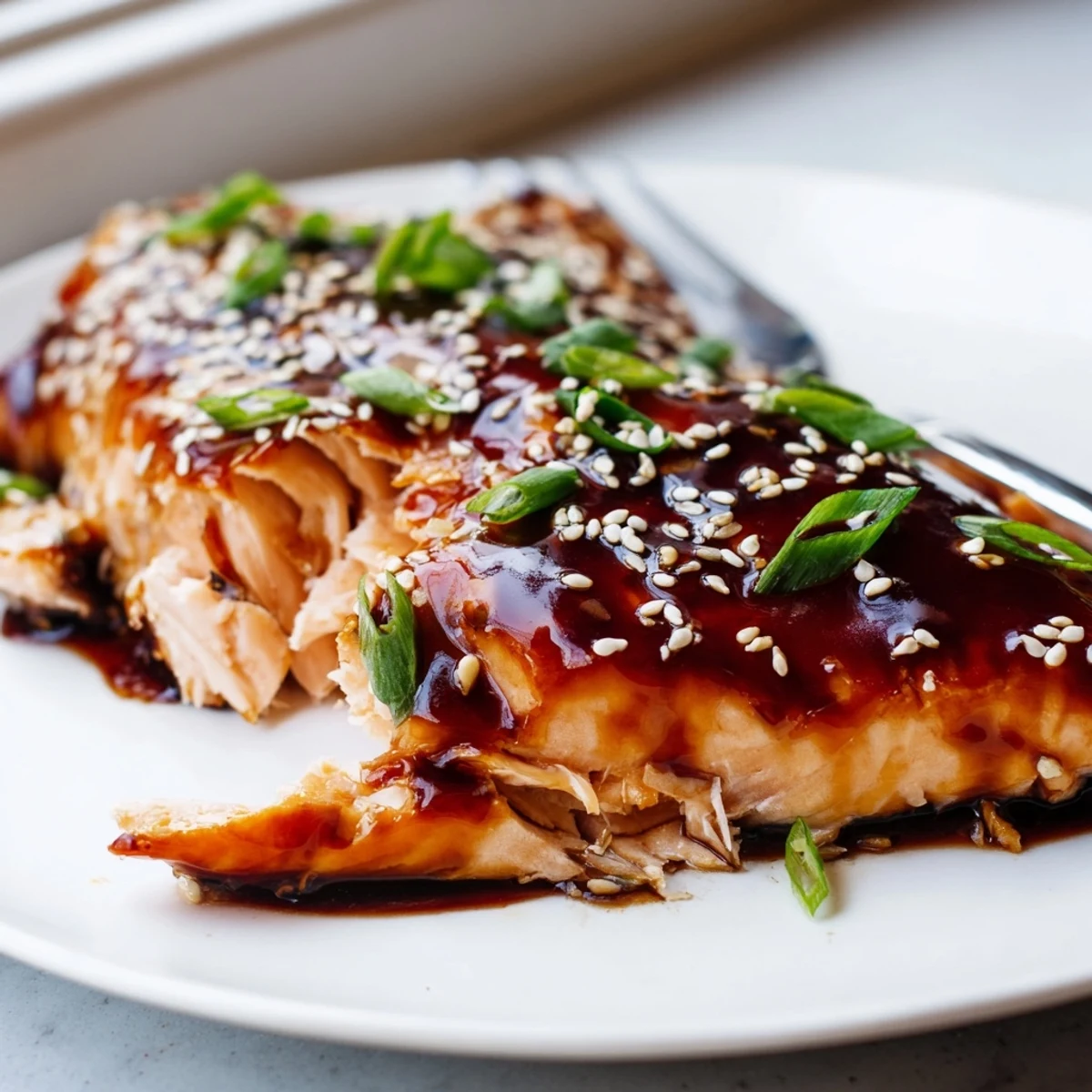
 This gluten-free teriyaki salmon brings bold Japanese flavors to your table in under 30 minutes. Fresh salmon fillets are brushed with a homemade sauce made from tamari, maple syrup, rice vinegar, and ginger, then baked until perfectly flaky.
The thick, glossy teriyaki glaze caramelizes beautifully in the oven, creating a savory-sweet crust that pairs wonderfully with steamed rice and vegetables. It's an easy, wholesome dish suitable for both busy weeknights and special gatherings.
The sizzle of salmon hitting a hot pan is one of those sounds that instantly pulls everyone into the kitchen, and this teriyaki version has been my go-to for turning a random Tuesday into something worth savoring. I threw it together one rainy evening when the fridge offered nothing but fish and a half empty bottle of tamari, and it turned out so glossy and caramelized that my partner actually set down his phone mid scroll to eat. The homemade sauce comes together in minutes and tastes infinitely better than anything from a bottle. You will never go back to store bought teriyaki after this.
Last summer I made this for my neighbor who had just returned from a trip to Japan, fully expecting her to politely decline seconds. She ended up asking for the recipe before she even finished chewing the last bite, and we stood in my kitchen for another hour talking about the street food stalls in Osaka while picking at the leftover salmon cold from the pan.
Ingredients
- 4 salmon fillets (about 150 g each), skin on or skinless: Skin on fillets hold together beautifully and get a gorgeous crispy edge, but skinless works fine if that is what you have on hand.
- 60 ml gluten free tamari: This is your umami backbone, and using a certified gluten free tamari instead of regular soy sauce keeps the dish safe without sacrificing any depth.
- 30 ml pure maple syrup: A surprising ingredient that adds round, gentle sweetness and helps the glaze caramelize into a gorgeous lacquered finish.
- 30 ml rice vinegar: Balances the sweetness with a subtle tang that keeps the sauce from feeling heavy or cloying.
- 1 tbsp sesame oil: Just a small amount toasts the sauce with that unmistakable nutty aroma, so do not be tempted to add more.
- 2 to 3 cloves garlic, minced: Fresh garlic only, because the pre minced jars lose their punch and this sauce deserves better.
- 1 tbsp fresh ginger, grated: Grate it on the finest holes of your box grater or use a microplane so it melts right into the sauce without stringy bits.
- 1 tbsp cornstarch plus 60 ml water: This simple slurry is the magic trick that transforms a thin liquid into a glossy, clingy glaze in just a couple of minutes.
- 1 tbsp toasted sesame seeds and 2 spring onions, sliced: Purely optional but they add crunch, color, and a fresh bite that makes the whole plate sing.
Instructions
- Get the heat going:
- Preheat your oven to 200 degrees C (400 degrees F) or fire up your grill to medium high heat so it is ripping hot by the time the fish is ready.
- Build the sauce:
- In a small saucepan, whisk together the tamari, maple syrup, rice vinegar, sesame oil, garlic, and ginger until everything is smoothly combined and fragrant.
- Thicken it up:
- In a small bowl, stir the cornstarch and water into a smooth slurry with no lumps, then pour it into the saucepan and stir well to combine.
- Simmer until glossy:
- Set the saucepan over medium heat and bring it to a gentle simmer, stirring constantly for 2 to 3 minutes until it coats the back of a spoon like warm honey.
- Prep the salmon:
- Pat the fillets completely dry with paper towels and arrange them on a parchment lined baking sheet or a lightly oiled grill tray, because dry fish means better glaze adhesion.
- Glaze generously:
- Brush each fillet with a generous coat of teriyaki sauce using a basting brush, making sure to save at least a third of the sauce for finishing and serving.
- Cook to perfection:
- Bake or grill for 10 to 12 minutes until the salmon is opaque throughout and flakes easily when you press it gently with a fork in the thickest part.
- Finish and serve:
- Drizzle the reserved sauce over the hot fillets, scatter with sesame seeds and spring onions, and serve right away with steamed rice and vegetables while everything is still glistening.
 Save to Pinterest
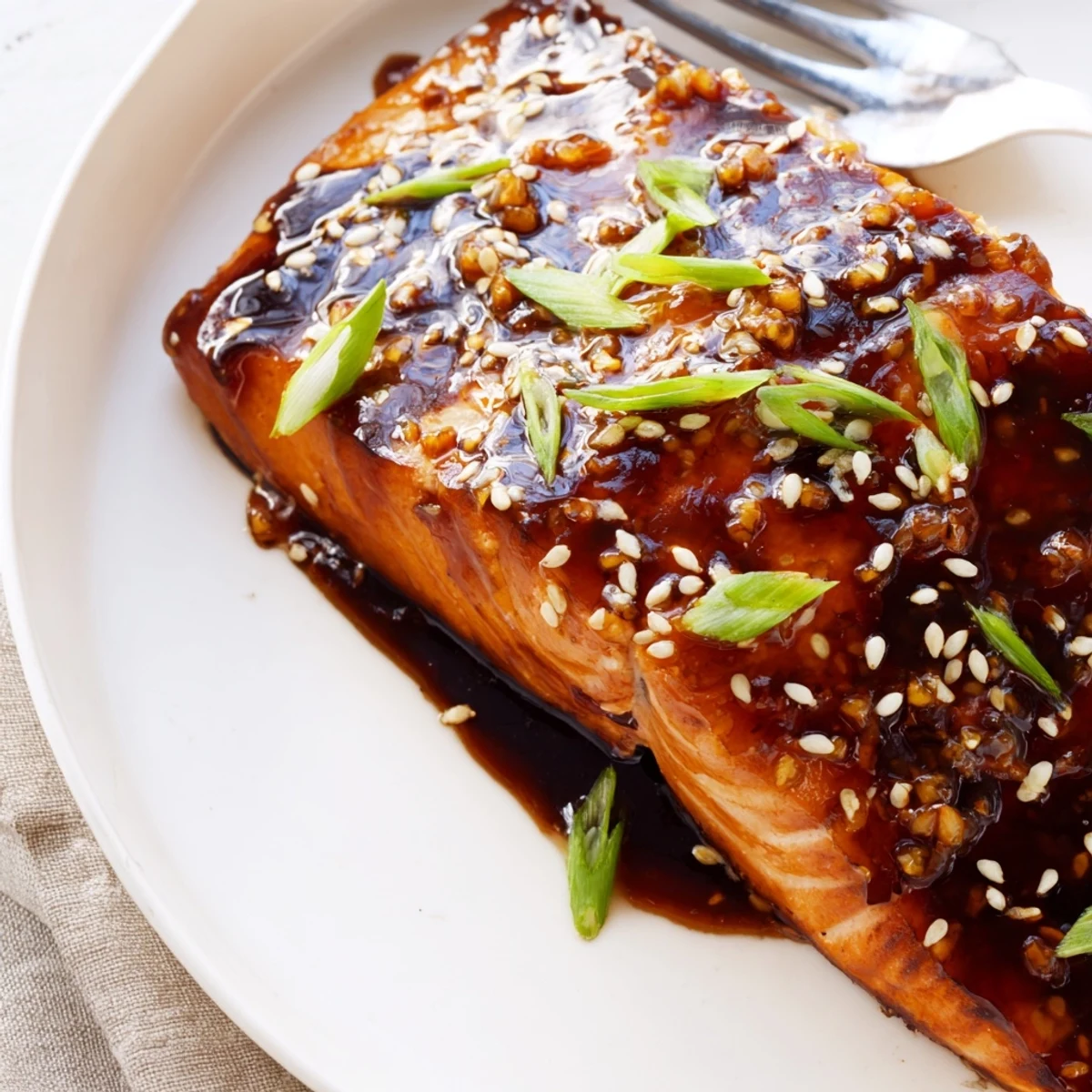
 The night I served this at a small dinner party, the conversation shifted from the usual small talk to everyone trading stories about their favorite meals from childhood kitchens. Something about that caramelized glaze and the way the fish just falls apart under a fork seems to dissolve formalities.
What to Serve Alongside
Steamed jasmine rice is the obvious choice and honestly the best one, because it soaks up every drop of the extra sauce like a sponge. Quick stir fried bok choy with a splash of tamari and a pinch of salt makes the meal feel complete without competing with the salmon for attention.
Storing and Reheating Leftovers
Leftover salmon keeps well in the fridge for up to two days, though the texture changes slightly from silky to more firm and flaky. Reheat it gently in a low oven or eat it cold straight from the container over a salad, which is secretly how I like it best.
Quick Variations to Try
Once you have the base sauce down, it becomes a canvas for whatever mood you are in. A pinch of chili flakes stirred into the glaze adds a slow, warming heat that balances the sweetness beautifully.
- Swap the maple syrup for honey if you prefer a slightly floral sweetness.
- Use coconut aminos instead of tamari for a soy free version that is a little lighter and sweeter.
- A chilled glass of Sauvignon Blanc alongside this dish is a pairing that will make any weeknight feel like a celebration.
 Save to Pinterest
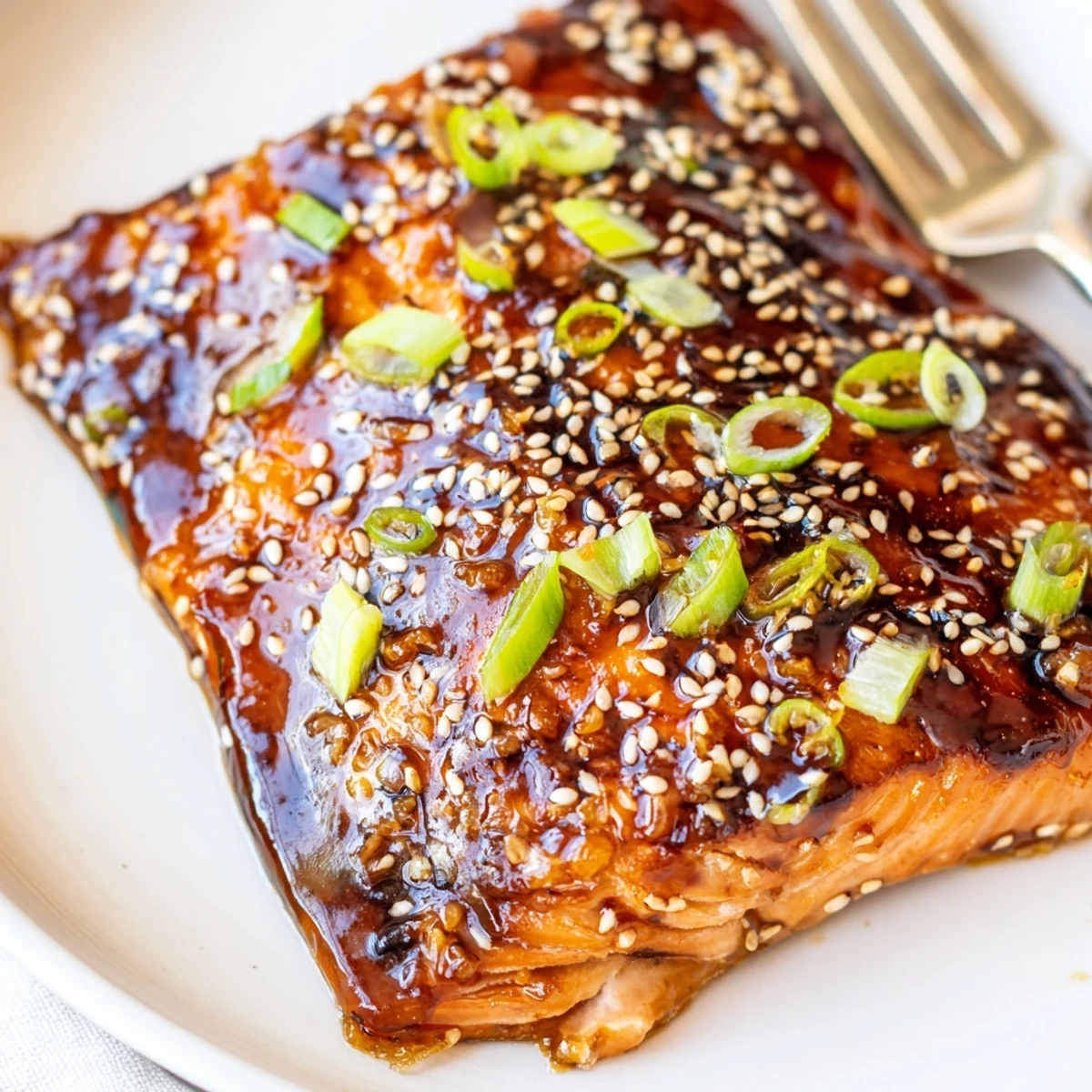
 This is the kind of recipe that earns a permanent spot in your rotation because it rewards you with outsized flavor for very little effort. Make it once and you will find yourself reaching for that tamari and maple syrup without even thinking about it.
Recipe FAQs
- → Can I use regular soy sauce instead of tamari?
-
Regular soy sauce contains gluten, so it won't keep this dish gluten-free. Stick with tamari or a certified gluten-free soy sauce. Coconut aminos also work as a soy-free, gluten-free alternative.
- → How do I know when the salmon is fully cooked?
-
Salmon is done when it turns opaque and flakes easily with a fork. The internal temperature should reach 63°C (145°F). Avoid overcooking to keep the fish moist and tender.
- → Can I grill the salmon instead of baking it?
-
Yes, grilling works beautifully. Preheat your grill to medium-high heat, oil the grates, and cook the salmon for about 4–5 minutes per side, basting with teriyaki sauce as it cooks.
- → What should I serve with teriyaki salmon?
-
Steamed jasmine or sushi rice makes a classic base. Add sautéed bok choy, steamed broccoli, or a simple cucumber salad for a balanced Japanese-inspired meal.
- → How should I store leftovers?
-
Store leftover salmon in an airtight container in the refrigerator for up to 2 days. Reheat gently in the oven at 160°C (325°F) to avoid drying it out. The teriyaki sauce can be refrigerated separately for up to a week.
- → Can I make the teriyaki sauce ahead of time?
-
Absolutely. The sauce can be prepared up to 5 days in advance and stored in the fridge. Reheat it gently on the stove before brushing it onto the salmon.