
 Save to Pinterest
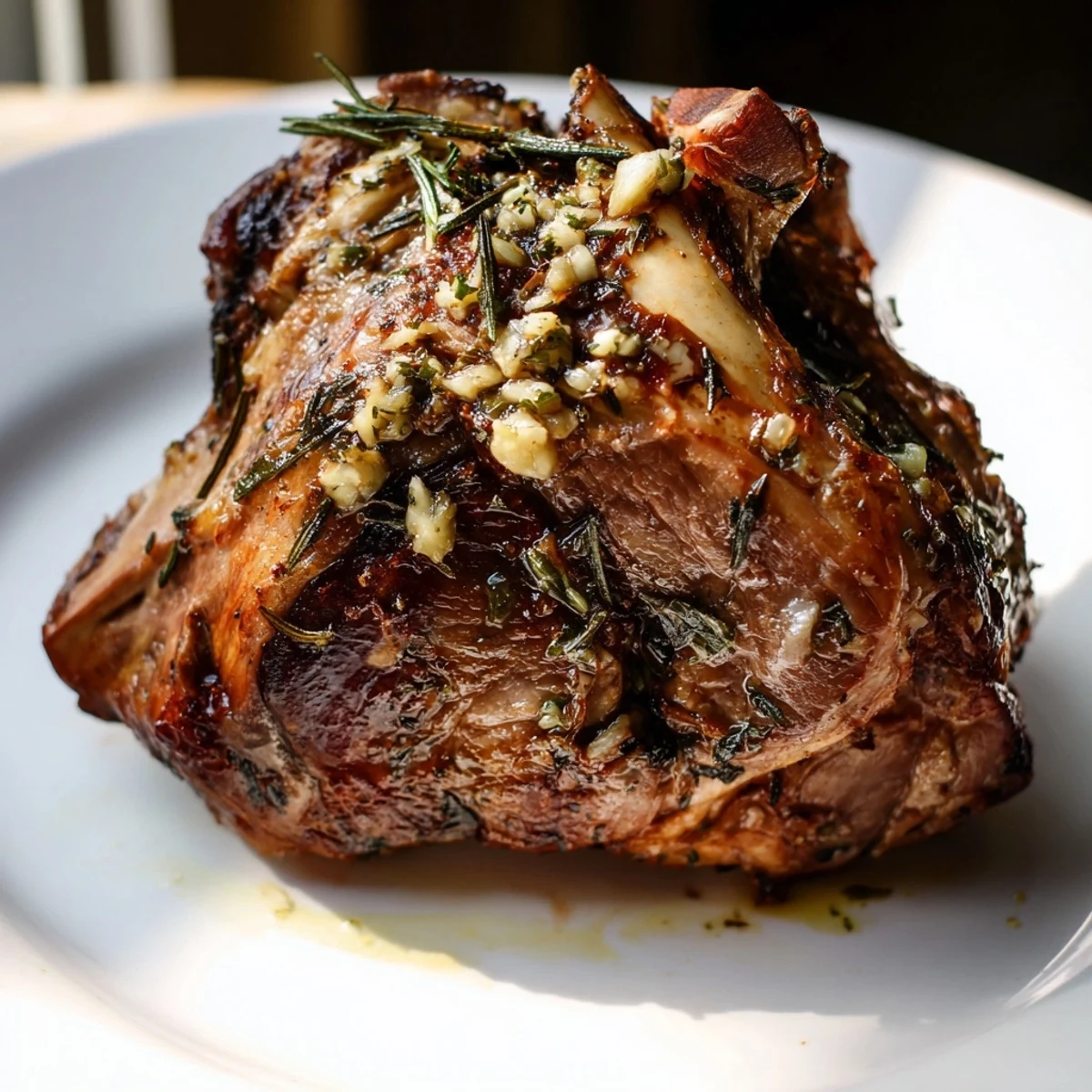
 This slow-roasted lamb shoulder is enhanced with fresh rosemary, thyme, and garlic, delivering rich flavors. Root vegetables like carrots, parsnips, onions, and baby potatoes roast alongside, absorbing aromatic pan juices. A splash of white wine and lemon zest adds brightness, while covering with foil ensures tender, juicy meat. After roasting uncovered, the lamb achieves a deep brown crust and perfectly cooked vegetables create a balanced, satisfying main course ideal for communal dining occasions.
There was a Sunday when my kitchen filled with the kind of smell that makes everyone pause mid-conversation—rosemary and garlic hitting hot oil, lamb fat crisping at the edges. That roasted lamb shoulder moment changed how I thought about cooking for people, turning what seemed like a restaurant-worthy feat into something I could actually master at home. The vegetables caramelizing around it weren't just sides; they became the whole story, soaking up those pan juices like they were liquid gold.
I made this for my parents' anniversary dinner on a rainy October evening, and my dad—who is famously hard to impress—actually asked for the recipe before dessert. That's when I realized this dish carries a quiet confidence that doesn't need fussing or fancy plating to feel special.
Ingredients
- Lamb shoulder (2.5–3 kg, bone-in): The bone keeps the meat incredibly moist and gives the pan juices that rich, silky texture you can't fake with boneless cuts.
- Olive oil: Use good quality here—it's one of the few places it really shows through, both in flavor and how beautifully the lamb browns.
- Sea salt and black pepper: Don't skip freshly grinding the pepper; pre-ground loses its bite by the time the oven's done.
- Garlic, rosemary, and thyme: These three are non-negotiable for Mediterranean lamb; they talk to each other in a way that just works.
- Carrots, parsnips, red onions, and baby potatoes: Mix and match here—what matters is cutting them roughly the same size so they finish at the same time.
- Dry white wine or chicken stock: The wine adds a subtle sweetness and complexity that stock alone won't, but either works beautifully.
- Lemon zest and juice: The brightness cuts through the richness at just the right moment, waking up every bite.
Instructions
- Heat your oven and prep the lamb:
- Preheat to 170°C and pat your lamb completely dry—this is how you get that gorgeous brown crust instead of steam. The drier it is, the better the sear.
- Season with intention:
- Rub the lamb generously with olive oil, salt, pepper, minced garlic, and those fresh herbs. Don't be shy; this is your seasoning foundation for the whole dish.
- Build your roasting pan:
- Set the lamb in the center of a large roasting pan and scatter the chopped vegetables around it. Drizzle the vegetables with oil and season them too—they're not just supporting players.
- Add liquid and brightness:
- Pour wine or stock into the pan (not over the lamb) and sprinkle lemon zest and juice over everything. This creates the pan sauce that makes the whole thing sing.
- First roast, covered:
- Cover tightly with foil and let it roast for 2 hours at 170°C. The foil keeps everything moist while the low heat gently breaks down the collagen into gelatin.
- Uncover and finish strong:
- Remove the foil, baste the lamb and vegetables with those pan juices, and roast uncovered for 30 minutes. You want the top to caramelize and deepen to a rich brown.
- Rest before carving:
- Pull it out and let the lamb rest loosely covered for 15 minutes—this keeps all those juices inside instead of running onto the cutting board. Serve everything together with the pan juices drizzled over.
 Save to Pinterest
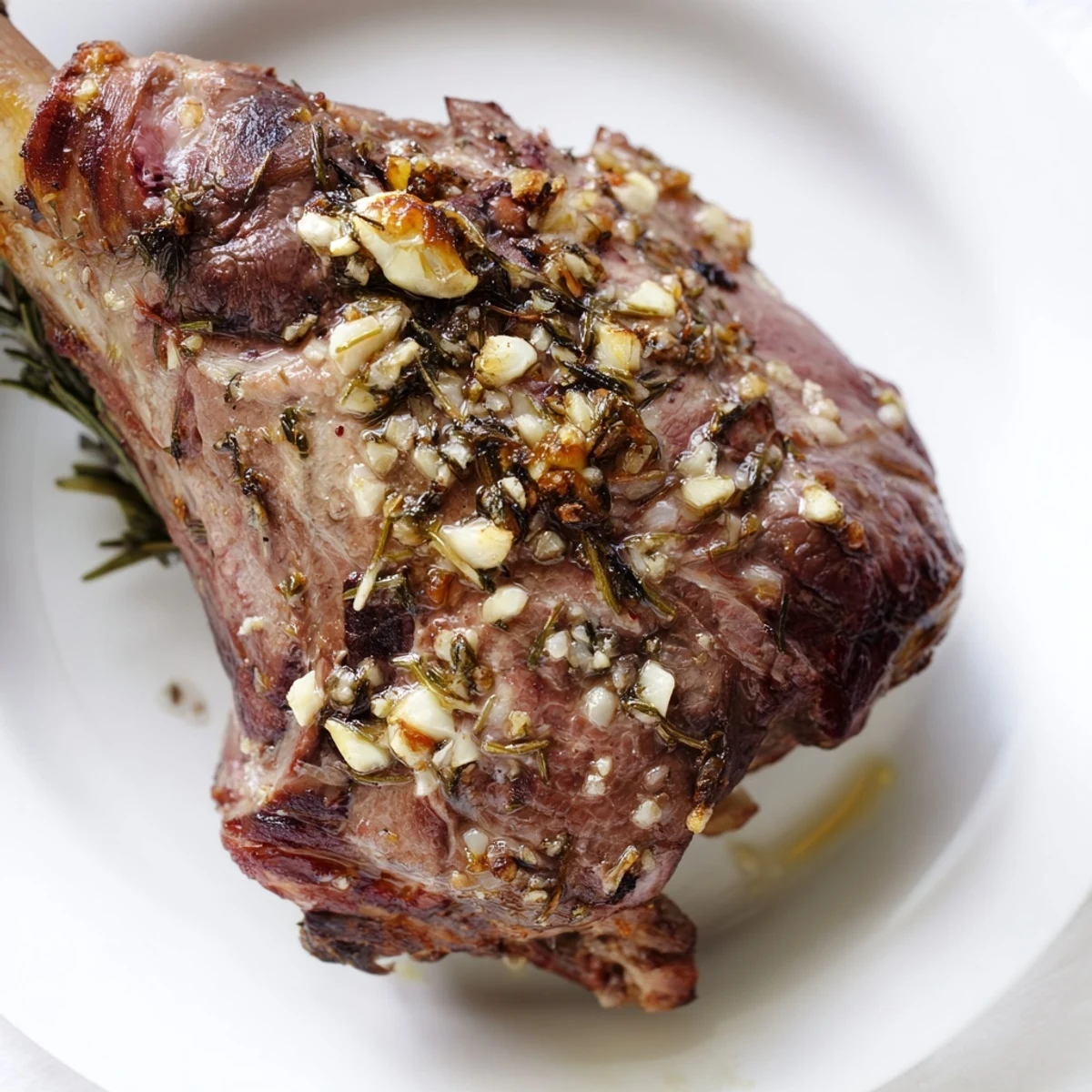
 There's something almost ceremonial about lifting off that foil and seeing the steam rise, knowing what's about to happen at the table. That moment when everyone tastes it and goes quiet for a second—that's when you know you've made something that matters.
Making It Your Own
The beauty of this roast is how forgiving it is with vegetables. Turnips and sweet potatoes work just as well as parsnips, and if you can't find baby potatoes, cut regular ones smaller so they cook through. One winter I added quartered fennel and nobody wanted to admit they'd never had it with fennel before, but they all had seconds. The herb situation is flexible too—swap thyme for oregano or add a bay leaf if that's what you have; the rosemary is the anchor.
Wine Pairing and Serving
A robust Syrah or Cabernet Sauvignon beside this roast is perfect, but honestly, whatever red wine is in your kitchen will do—the lamb isn't picky. Serve it on warm plates with a simple green salad on the side to cut through the richness, or just let the pan juices and vegetables do all the talking.
Storage and Second Helpings
Leftover lamb keeps in the fridge for three days and gets even more flavorful as the flavors deepen. I've shredded the cold lamb into grain bowls, tucked it into pita with yogurt, and even crumbled it into pasta dishes. The roasted vegetables are exactly as good cold the next day, which makes this a sneakily practical dinner for feeding a crowd.
- Store everything together in an airtight container to keep the lamb moist.
- Reheat gently in a low oven rather than the microwave if you want to preserve that tender texture.
- Those leftover pan juices freeze beautifully and add richness to soups and stews for months.
 Save to Pinterest
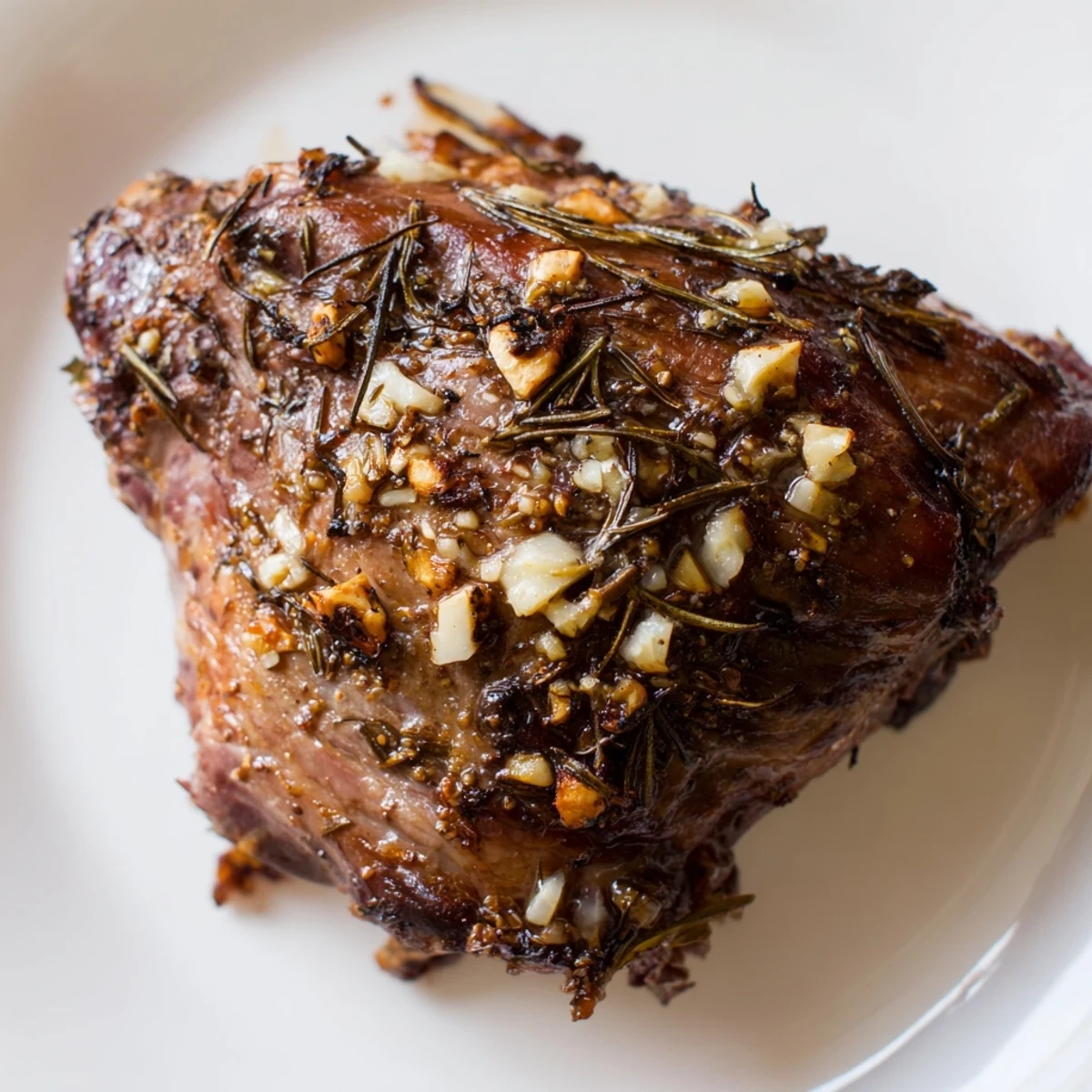
 This roasted lamb has become the meal I reach for when I want to feed people something that feels special without spending the whole day cooking. It's honest food that tastes like you care.
Recipe FAQs
- → What cuts of lamb are best for slow roasting?
-
Lamb shoulder is ideal for slow roasting as it becomes tender and flavorful when cooked low and slow, breaking down connective tissues for a juicy result.
- → How do the vegetables enhance the dish?
-
Root vegetables like carrots, parsnips, onions, and potatoes absorb the lamb's cooking juices and aromatics, creating a harmonious blend of textures and flavors.
- → Can I substitute the white wine in the cooking liquid?
-
Yes, chicken stock can replace white wine to add moisture and depth without alcohol, maintaining rich flavor development during roasting.
- → What herbs work well with roasted lamb?
-
Fresh rosemary and thyme complement lamb's robust flavor, imparting an earthy, fragrant aroma that enhances the overall savory profile.
- → Why is it important to rest the lamb before carving?
-
Resting allows juices to redistribute within the meat, ensuring each slice remains moist and tender without losing flavorful liquids.
- → Can I prepare the lamb and vegetables in advance?
-
Marinating the lamb overnight improves flavor infusion. Vegetables can be prepped ahead but are best added just before roasting for optimal texture.