
 Save to Pinterest
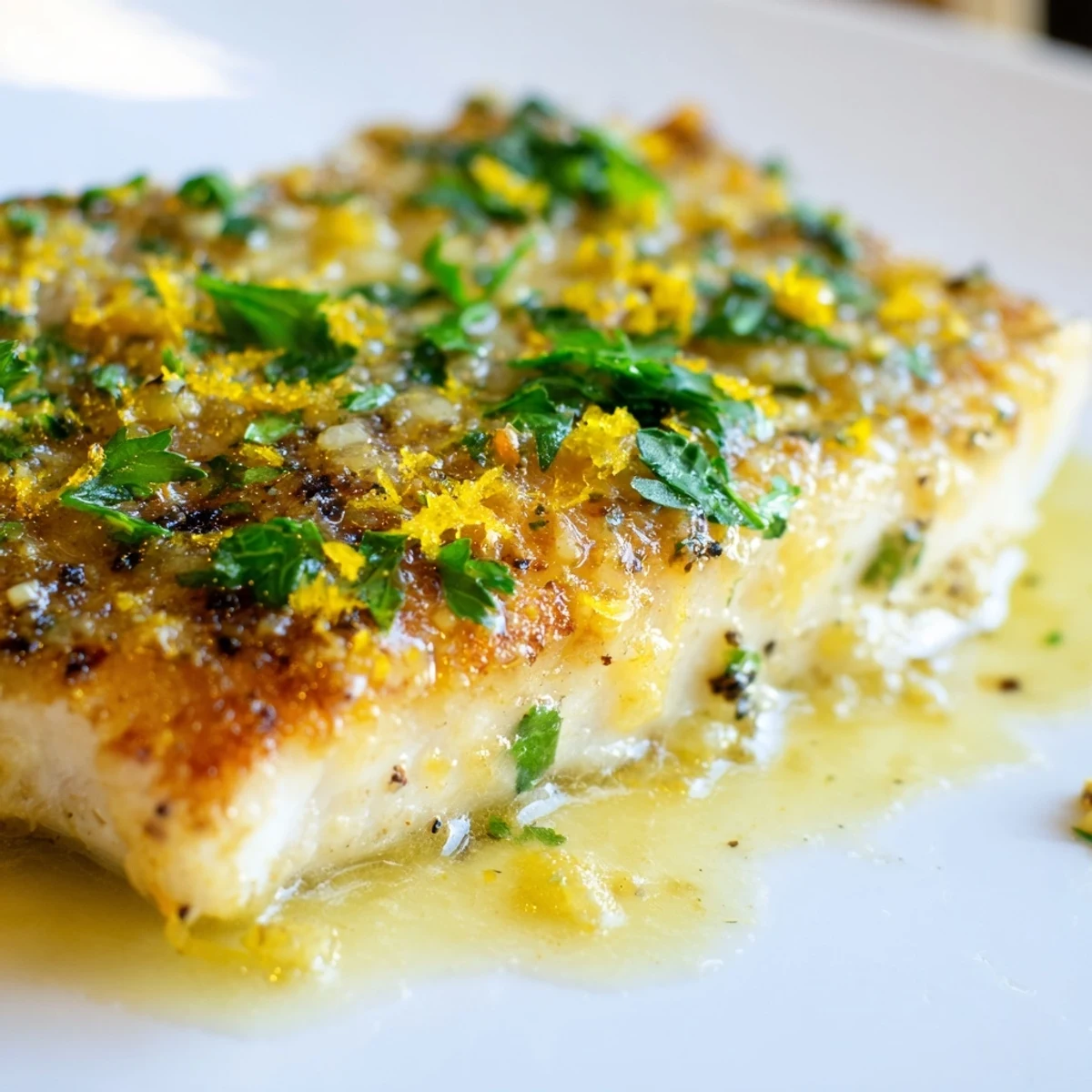
 This dish highlights flaky white fish fillets gently cooked to golden perfection and topped with a vibrant lemon sauce made with fresh lemon juice, zest, garlic, and parsley. The sauce adds zesty brightness and a touch of heat from optional red pepper flakes, enhancing the fish’s natural flavors. Ideal for a quick, nutritious dinner, it pairs well with steamed vegetables or roasted potatoes. Using simple pan-searing techniques ensures tender, juicy fillets throughout.
There was a Tuesday when my kitchen smelled like nothing in particular, and I needed dinner to matter. I pulled out a white fish fillet, a lemon, and butter, and something clicked—the way the acid cuts through richness, the way heat brings garlic to life in seconds. That 25-minute window became my favorite kind of cooking: simple enough to feel effortless, impressive enough to feel intentional.
I made this for someone who claimed they didn't eat fish. She took one bite of that lemon sauce pooling around the fillet and asked for seconds. That's when I understood: this dish isn't about converting anyone. It's about letting the brightness speak for itself, one bright forkful at a time.
Ingredients
- White fish fillets (cod, tilapia, or haddock): Four 150-gram fillets give you a proper portion without overcrowding the pan.
- Salt and freshly ground black pepper: Season generously both sides; this is where flavor begins.
- Olive oil: Two tablespoons get the pan hot enough to develop a golden crust on the fish.
- Unsalted butter: Two tablespoons melt into the pan after the fish leaves, becoming your sauce base.
- Garlic, minced: Two cloves give you fragrance without overwhelming the delicate fish.
- Fresh lemon juice: Half a cup (about 2 lemons) is the backbone of this dish; use fresh, never bottled.
- Lemon zest: One teaspoon adds brightness and keeps the lemon flavor layered and complex.
- Fresh parsley, chopped: A tablespoon of parsley brings color and a grassy finish.
- Crushed red pepper flakes: Optional, but a quarter teaspoon adds a gentle heat that makes the citrus pop.
- Lemon wedges and extra parsley: For garnish; these make the plate look intentional.
Instructions
- Prepare and season the fish:
- Pat your fillets dry with paper towels so they'll sear properly. Season both sides generously with salt and pepper, letting it sit for a minute while you get your pan ready.
- Sear until golden:
- Heat olive oil in a large nonstick skillet over medium-high heat until it shimmers. Add the fillets and cook 3–4 minutes per side until golden and cooked through; the flesh should flake when you touch it with a fork. Transfer to a plate and cover loosely.
- Build the sauce:
- Reduce heat to medium, add butter to the same skillet, and let it melt. Add minced garlic and sauté for 30 seconds until fragrant, then stir in lemon juice and zest, scraping up any browned bits from the pan.
- Finish and serve:
- Simmer the sauce for 1–2 minutes to marry the flavors. Stir in parsley and red pepper flakes if using, return the fish to the skillet, spoon the sauce over everything, and heat gently for 1 minute. Serve immediately with lemon wedges and extra parsley scattered on top.
 Save to Pinterest
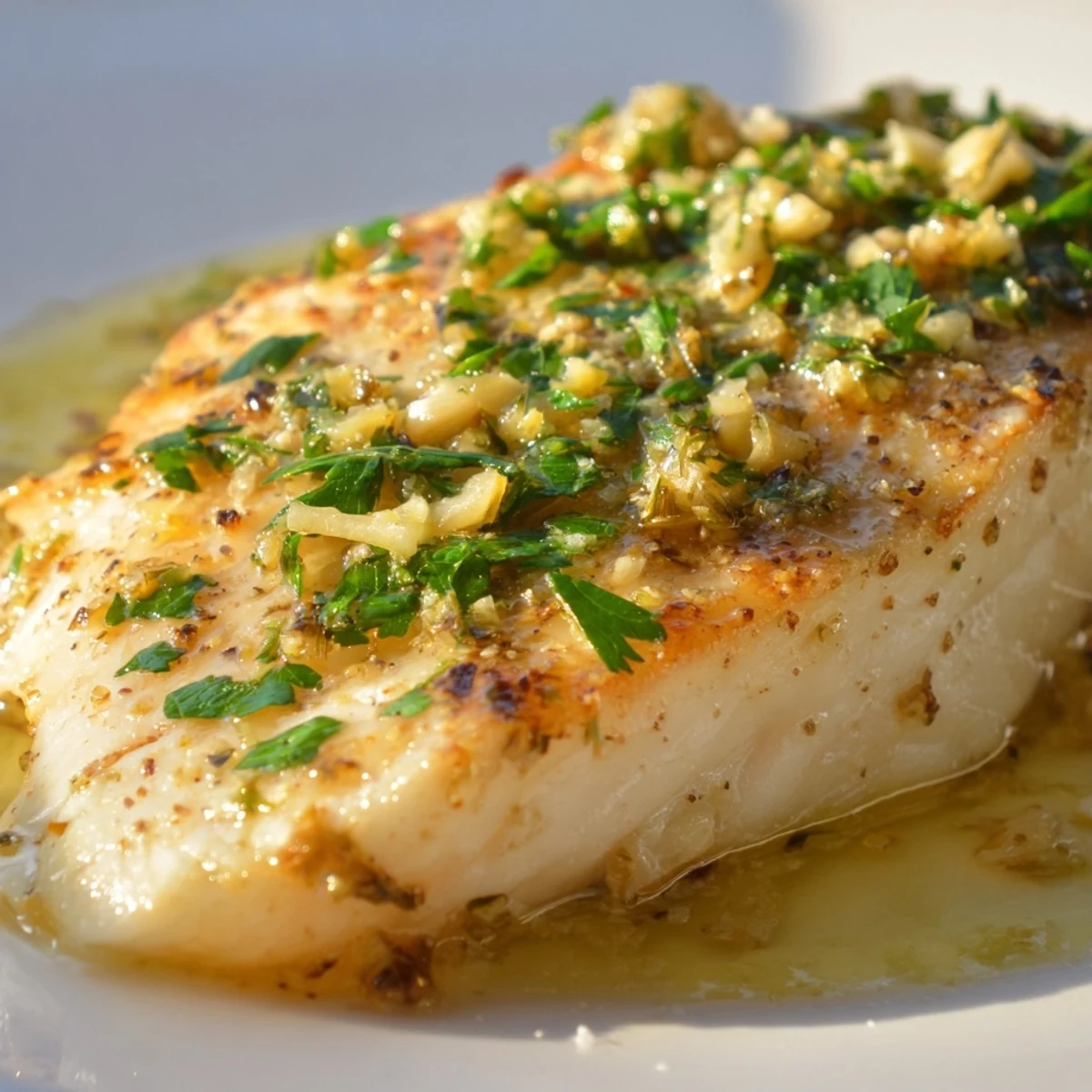
 I remember standing over the stove while the sauce bubbled and caught the kitchen light in golden threads, and I realized this is what cooking can be: moments that feel both relaxed and alive, where four ingredients tell a complete story. That's when fish stopped being something I made and started being something I reached for.
Why Fresh Lemon Changes Everything
The lemon juice is what transforms this from a simple seared fish into something you'll think about again. Bottled juice is oxidized and flat, like the difference between fresh air and stale air. When you squeeze a real lemon into a hot pan, the oil in the zest blooms, and suddenly the whole kitchen smells like something worth cooking. That's not nostalgia; that's chemistry and care meeting on a Tuesday night.
Fish Variations and What They Bring
Cod is mild and flaky, tilapia is tender and forgiving, haddock is slightly sweeter. If you want richness instead, salmon and trout hold up beautifully to this sauce and their own oils make the lemon feel even brighter by contrast. The technique stays the same; only the flavor profile shifts slightly, like putting on a different sweater in the same season.
Sides That Speak the Same Language
This fish doesn't demand much, but steamed vegetables, rice, or roasted potatoes all amplify its brightness instead of competing. A simple green salad works too, if you're keeping the meal light. The sauce itself is sauce enough; you don't need another layer unless you want one.
- Steamed broccoli or asparagus picks up the lemon without arguing with it.
- Plain white rice or new potatoes let the fish and sauce be the focus.
- A quiet green salad adds texture and keeps the meal feeling fresh.
 Save to Pinterest
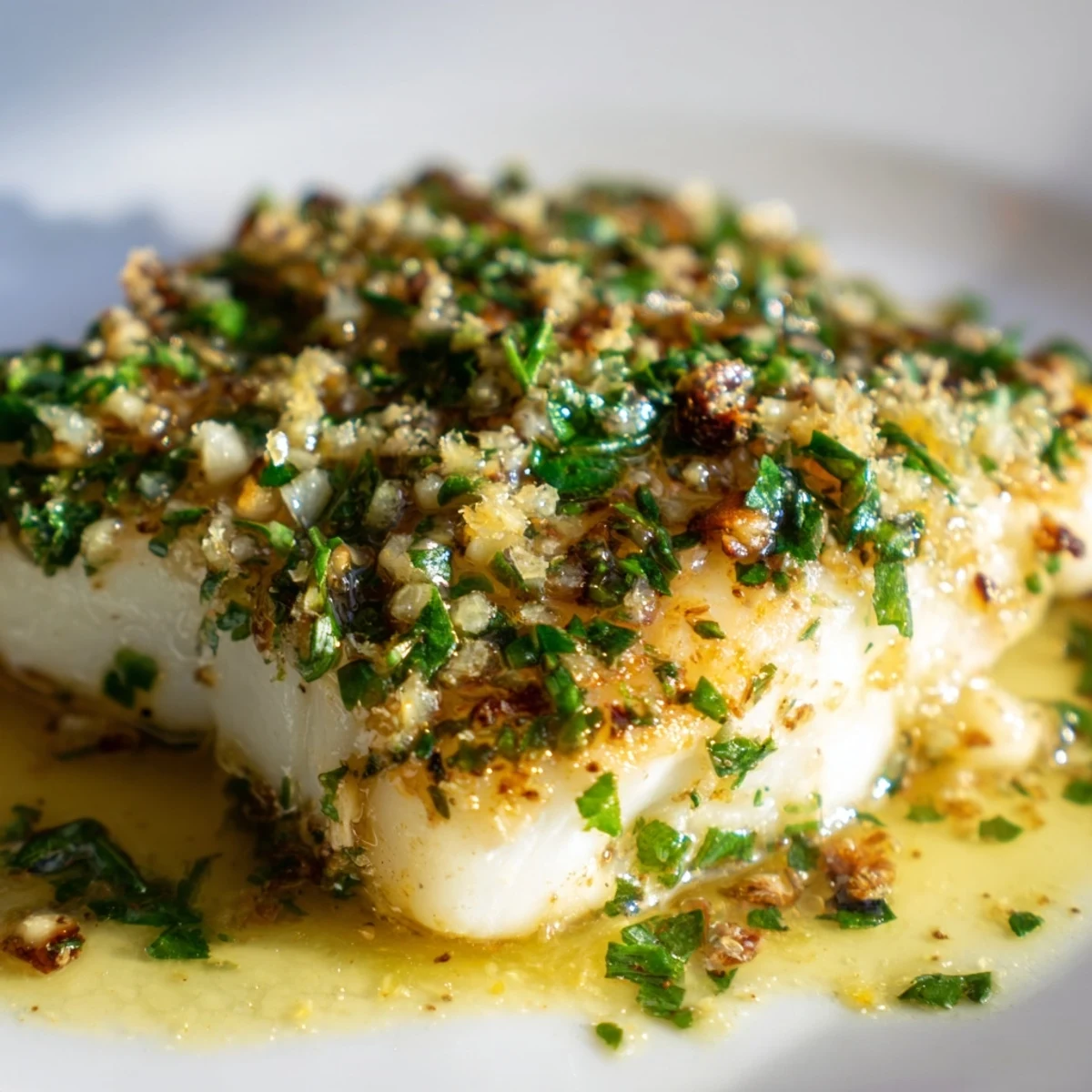
 This dish is a reminder that cooking doesn't need to be complicated to be good. Let the ingredients do what they're meant to do, and something honest will happen on the plate.
Recipe FAQs
- → What type of fish works best for this dish?
-
White fish like cod, tilapia, or haddock offers tender, flaky texture and mild flavor that pairs well with lemony sauce.
- → Can I use other citrus instead of lemon?
-
While lemon delivers classic brightness, fresh lime or orange juice can provide interesting variations in flavor.
- → How do I avoid overcooking the fish fillets?
-
Cook fillets about 3-4 minutes per side on medium-high heat until golden and opaque, ensuring moist, flaky texture.
- → Is it possible to make the sauce dairy-free?
-
Yes, substitute butter with olive oil to keep the sauce smooth and flavorful while avoiding dairy.
- → What sides complement this lemon fish dish?
-
Steamed vegetables, rice, or roasted potatoes balance the dish nicely while keeping it light and wholesome.
- → Can additional herbs be added to the lemon sauce?
-
Fresh parsley is traditional, but dill or basil can add unique aromatic notes to enhance the sauce.