
 Save to Pinterest
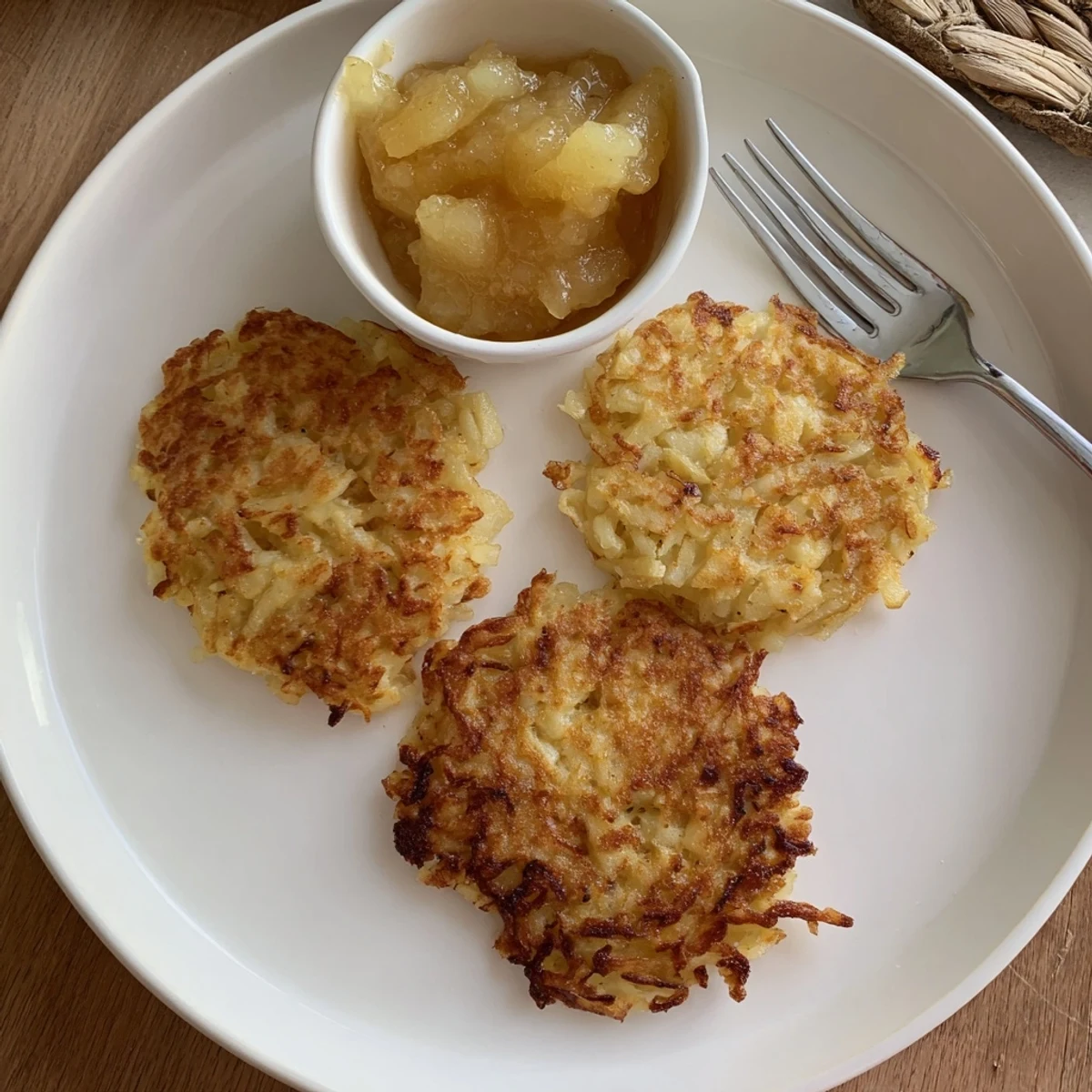
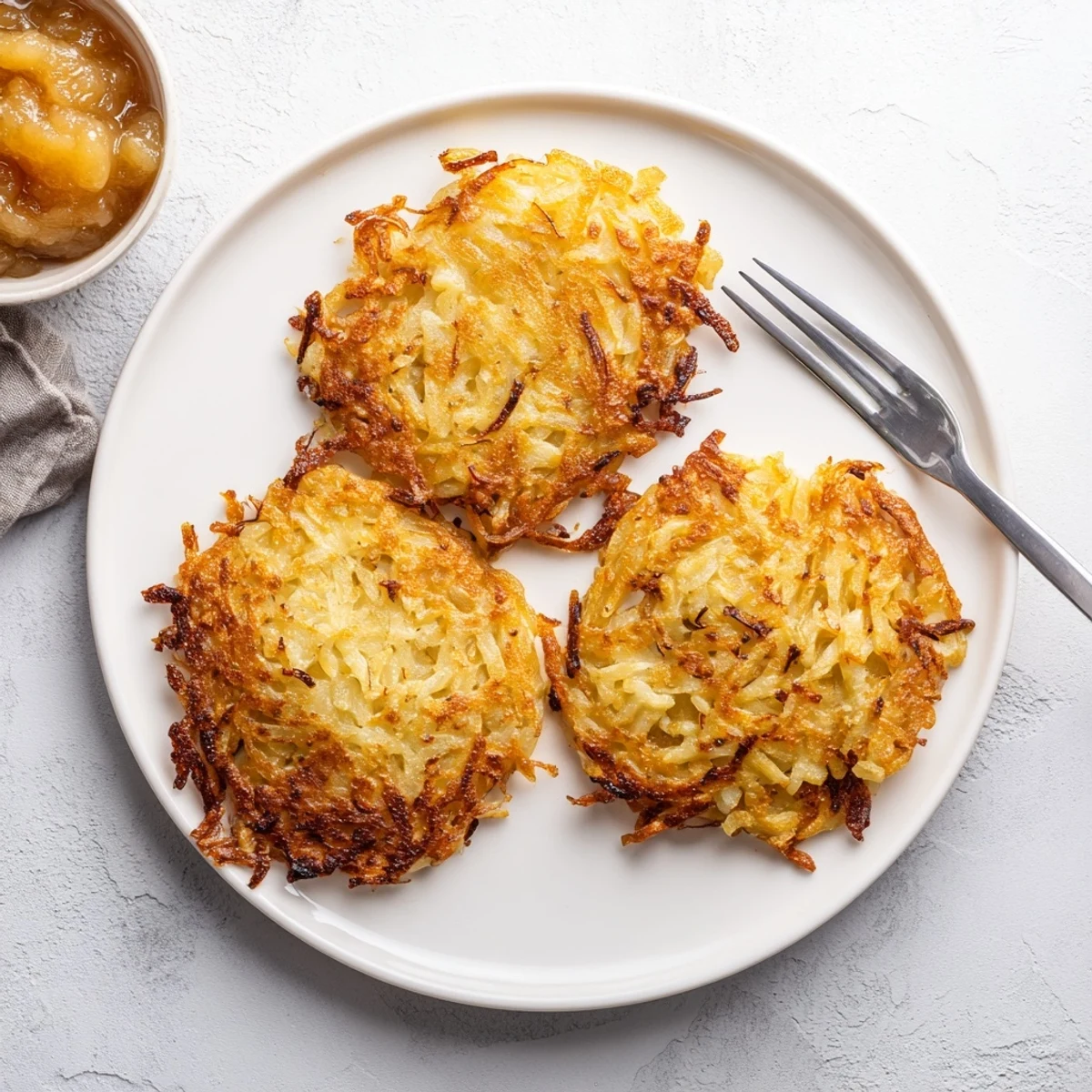
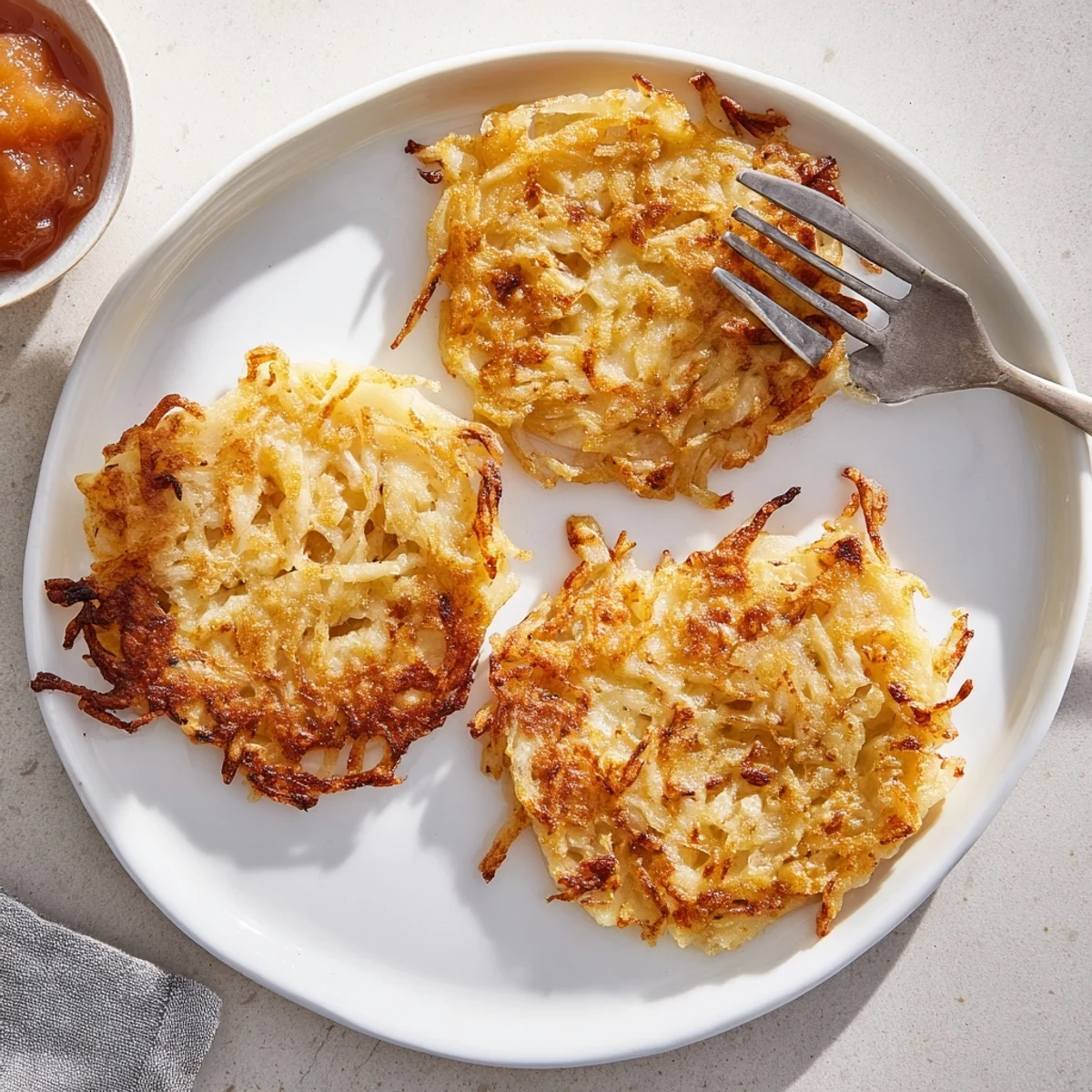
 These traditional German potato pancakes deliver the perfect combination of crispy exterior and tender interior. Made with simple ingredients like starchy potatoes, onion, eggs, and a touch of nutmeg, they fry up golden brown in minutes.
The secret to achieving the ideal texture lies in thoroughly squeezing excess moisture from the grated potatoes before mixing with the binding ingredients. This step ensures the pancakes develop that signature crunch while remaining soft and fluffy inside.
Serve them hot with classic accompaniments like chilled applesauce for a sweet contrast or rich sour cream for tangy richness. They work beautifully as a side dish alongside roasted meats or shine as a satisfying vegetarian main when paired with fresh salads.
The smell of frying potatoes always pulls me into the kitchen, no matter what I am doing. My grandmother used to make these on rainy Sunday afternoons when we needed something warm and comforting. She had this rhythm, grating and squeezing and frying, that made the whole house feel safe. I have carried that tradition forward, though my technique took some practice to get right.
I once made these for a brunch party and watched them disappear in minutes. People kept drifting into the kitchen, drawn by that irresistible frying smell, asking what was creating such magic. One friend admitted she had never liked potato pancakes until she tried these. Something about how fresh and hot they were, right out of the pan, changed her mind completely.
Ingredients
- Starchy potatoes: Russet or Maris Piper work best because they have less moisture and get crispier
- Onion: Adds a subtle sweetness that balances the earthy potatoes
- Eggs: Bind everything together and help the pancakes hold their shape
- Flour: Just enough to give structure without making them heavy
- Salt: Essential for bringing out the potato flavor
- Black pepper: Freshly ground makes a noticeable difference
- Nutmeg: A traditional German touch that adds warmth and depth
- Neutral oil: Something with a high smoke point that will not overpower the delicate potato flavor
Instructions
- Grate your vegetables:
- Use the coarse side of a box grater or the grating attachment on your food processor for the potatoes and onion. Work quickly so the potatoes do not start oxidizing and turning brown.
- Squeeze out the liquid:
- Gather the grated mixture in a clean kitchen towel and twist it tightly over the sink. Keep squeezing until you have extracted as much liquid as possible. This step is crucial for achieving maximum crispiness.
- Combine the batter:
- Transfer the squeezed potato mixture to a large bowl. Add the eggs, flour, salt, pepper, and nutmeg if using. Mix everything thoroughly until the batter holds together when pressed.
- Heat your oil:
- Pour the oil into a large nonstick skillet and set it over medium-high heat. The oil is ready when a small drop of batter sizzles immediately upon contact.
- Fry the pancakes:
- Drop heaping tablespoons of batter into the hot oil, spacing them apart. Gently flatten each one with a spatula until about 1 cm thick. Fry for 3 to 4 minutes per side until golden brown and crispy.
- Drain and serve:
- Transfer finished pancakes to paper towels to drain excess oil. Keep them warm in a low oven while you fry the remaining batter. Serve hot with applesauce or sour cream.
 Save to Pinterest
 These pancakes became a regular in our house during the colder months. There is something about standing over the stove, listening to that steady sizzle, that makes even the grayest winter day feel cozy. My kids now request them whenever they need comfort food, and I am happy to oblige.
Choosing The Right Potatoes
Starchy potatoes are nonnegotiable here. Waxy potatoes simply will not release enough moisture or crisp up properly. I have learned this the hard way after several disappointing batches. Russet, Maris Piper, or King Edward potatoes give you that beautiful lace pattern and shattering crunch.
Serving Suggestions
While applesauce and sour cream are the classic accompaniments, do not be afraid to experiment. Smoked salmon with a dollop of crème fraîche transforms these into an elegant appetizer. For a heartier meal, serve alongside roasted sausages and a simple green salad.
Make Ahead Strategy
You can grate and squeeze the potatoes up to 2 hours before cooking. Keep them submerged in cold water to prevent browning, then drain and squeeze again before adding the remaining ingredients. The batter does not hold well overnight, so it is best to fry them the same day.
- Freeze cooked pancakes between layers of parchment paper for up to 3 months
- Reheat frozen pancakes in a 375°F oven for 10 to 12 minutes until crispy
- Never microwave them unless you want soggy disappointment
 Save to Pinterest
 There is a simple joy in food that requires this much hands on attention. The time at the stove, the smell of frying potatoes, the first bite of something hot and crisp. These pancakes remind me that good things are worth waiting for.
Recipe FAQs
- → What type of potatoes work best?
-
Starchy potatoes like Russet or Maris Piper yield the crispiest results. Their high starch content and lower moisture help create that perfect golden crunch while keeping the interior tender.
- → Can I make the batter ahead of time?
-
It's best to grate and prepare the potatoes just before cooking. If grated potatoes sit too long, they oxidize and turn brown, affecting both appearance and flavor of the final dish.
- → How do I prevent soggy pancakes?
-
Squeeze as much liquid as possible from the grated potato mixture using a clean kitchen towel. This crucial step removes excess moisture, allowing the pancakes to fry up properly crispy instead of steaming in their own liquid.
- → What temperature should the oil be?
-
Heat oil over medium-high heat until shimmering but not smoking. To test, drop a small piece of potato into the oil—it should sizzle immediately and bubble gently around the edges.
- → Can I freeze leftover pancakes?
-
Yes, freeze cooled pancakes in a single layer on a baking sheet, then transfer to a freezer bag. Reheat in a 375°F oven for 10-12 minutes to restore crispiness without microwaving, which makes them soggy.
- → What are traditional serving suggestions?
-
Classic German tradition calls for serving with chilled applesauce, which provides a lovely sweet contrast to the savory potato. Sour cream offers a tangy, creamy alternative that complements the warm, crispy texture beautifully.