
 Save to Pinterest
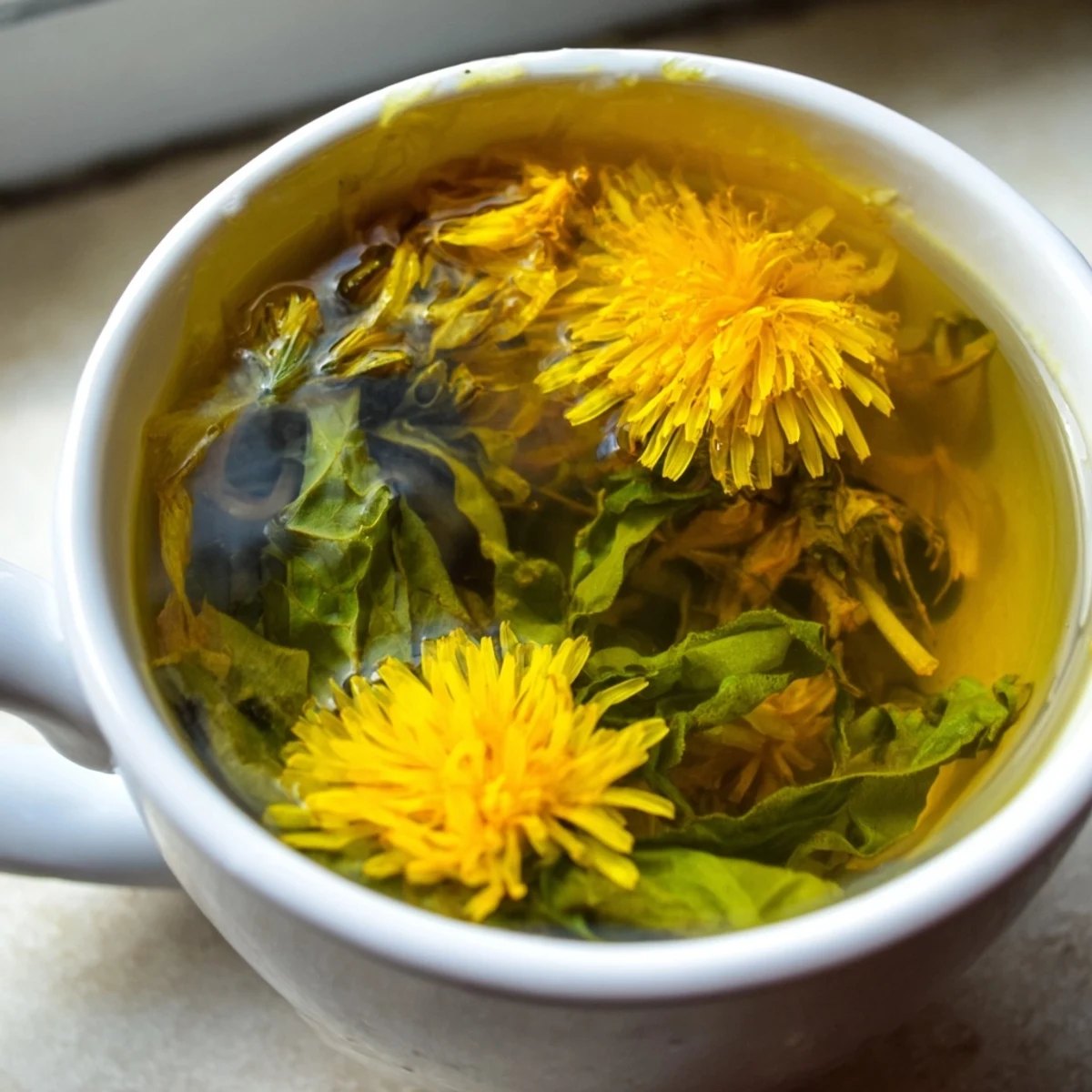
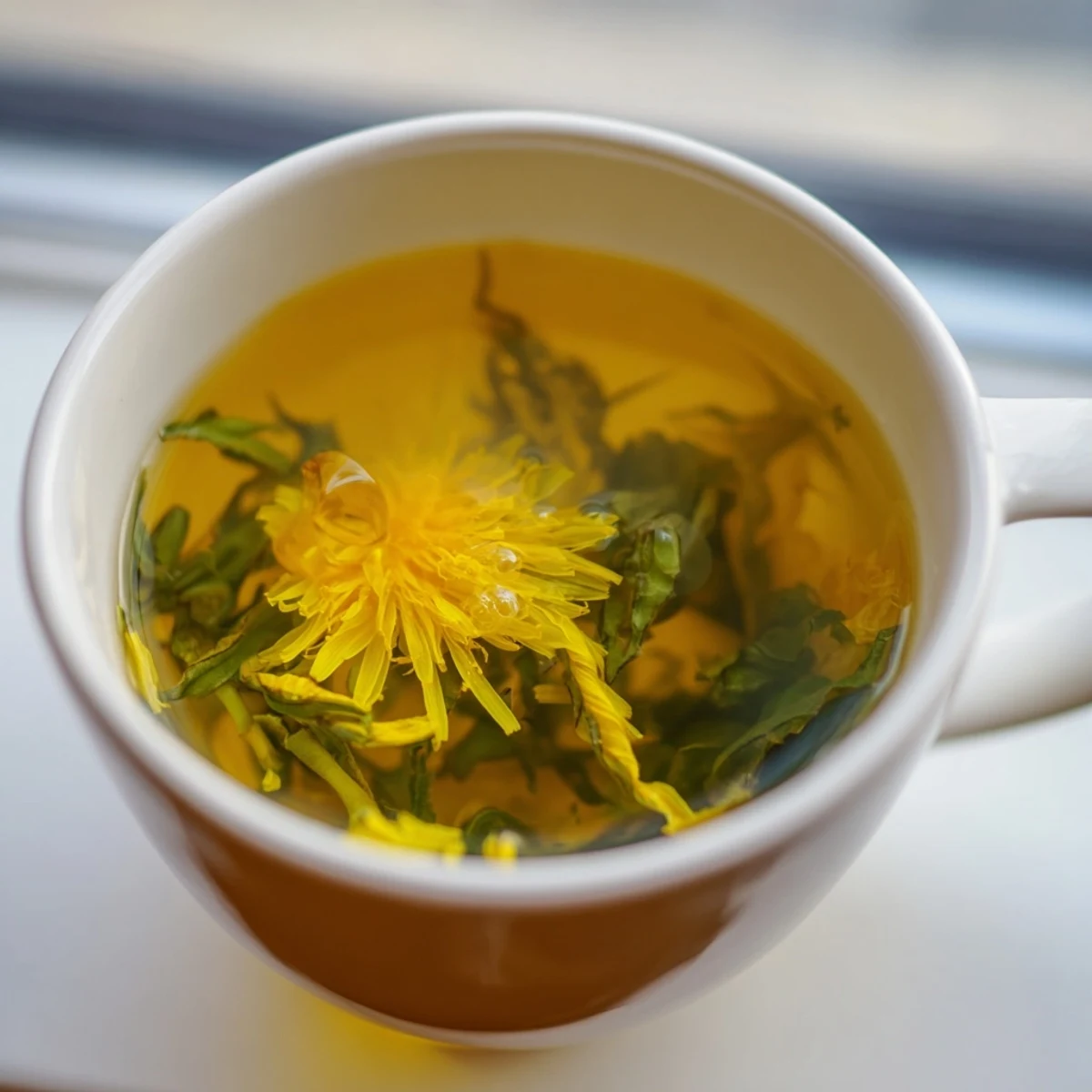
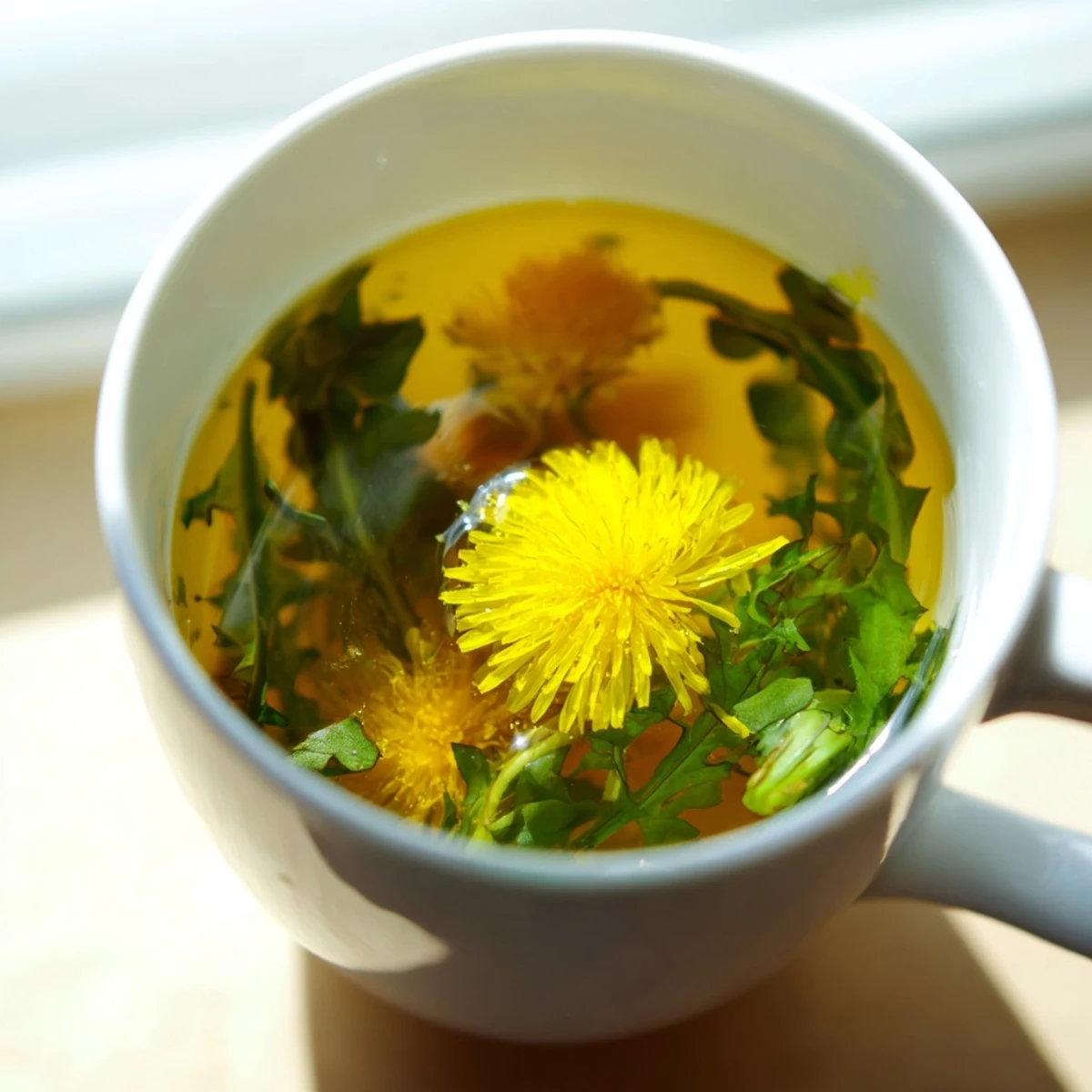
 Prepare a comforting herbal beverage using fresh or dried dandelion petals and leaves. This naturally caffeine-free infusion delivers delicate earthy notes while supporting digestion and gentle detoxification. Simply steep washed greens in hot water for 8–10 minutes, strain, and enjoy plain or enhanced with honey and lemon.
The first time I tried dandelion tea, I was skeptical that something growing in sidewalk cracks could taste good. Then my grandmother showed me how the bright yellow flowers transform into this remarkably gentle, earthy infusion. Now I find myself actually looking forward to spotting those cheerful yellow heads in the yard each spring.
Last summer I made this for a friend who claimed to hate herbal teas. She watched me dump handfuls of freshly washed dandelion flowers into a pot with raised eyebrows, then proceeded to drink two cups straight. Sometimes the humblest ingredients surprise us the most.
Ingredients
- Fresh or dried dandelion petals and leaves: Fresh flowers give a lighter, more floral taste while dried ones concentrate the earthy flavors
- Filtered water: Clean water matters since there are so few ingredients to mask any off tastes
- Honey or maple syrup: A touch of sweetness rounds out the natural bitterness without overpowering
- Lemon slice: The acidity brightens everything and makes the yellow color absolutely pop
Instructions
- Prep your flowers:
- Rinse everything really well, twice if needed, because nobody wants意外 protein in their tea
- Heat the water:
- Bring to a full boil, then let it sit for about thirty seconds so you do not scorch the delicate petals
- Combine and steep:
- Pour over your flowers, cover immediately, and let the magic happen for at least eight minutes
- Strain and customize:
- Pour through a fine mesh strainer into your favorite mug, then add honey or lemon to taste
 Save to Pinterest
 This became my go to comfort drink during a particularly stressful spring when nothing else seemed to help. Something about gathering flowers, brewing tea, and taking ten minutes to just sit and sip made everything feel manageable again.
When to Harvest
Morning is ideal after the dew has dried but before the sun gets too intense. The flowers are fully open and the bitter compounds have not built up yet. Avoid flowers that have already gone to seed, those fluffy white heads are beautiful but past their prime for tea.
Storage Tips
Fresh dandelions are best used immediately but will keep in the refrigerator for a day or two wrapped in damp paper towels. For longer storage, spread the flowers and leaves on a baking sheet and dry them at low temperature until completely crisp, then store in a glass jar away from light.
Serving Suggestions
This tea is lovely on its own but really shines as part of a simple afternoon ritual. I like to pair it with a shortbread cookie or plain almond biscotti.
- Try it iced on hot summer days with a sprig of mint
- Blend with chamomile for a sleepy time variation
- The brewed liquid can be used as a base for smoothies
 Save to Pinterest
 There is something profoundly grounding about turning a common weed into a moment of peace. Happy brewing.
Recipe FAQs
- → What does dandelion tea taste like?
-
Dandelion tea offers a light, earthy flavor profile with subtle vegetal notes. The petals contribute gentle floral undertones while the leaves add mild bitterness similar to arugula or spinach. The overall taste is refreshing and clean, becoming smoother when sweetened with honey or brightened with lemon.
- → Can I use both flowers and leaves?
-
Absolutely. Combining petals and leaves creates a more nuanced flavor experience. The flowers bring delicate sweetness and floral notes, while leaves provide earthy depth and mineral-rich character. Many herbalists prefer this blend for a well-rounded cup with layered flavors and enhanced nutritional benefits.
- → How long should I steep the tea?
-
Allow the dandelion to steep for 8–10 minutes covered. This duration extracts beneficial compounds and develops full flavor without becoming overly bitter. Covering during steeping preserves volatile oils and heat. Longer steeping times may increase bitterness, while shorter steeping yields a lighter, milder infusion.
- → Where should I harvest dandelions?
-
Only gather dandelions from areas known to be free from pesticides, herbicides, and chemical treatments. Avoid roadsides where vehicle exhaust settles, and stay clear of areas frequented by pets. Lawns, meadows, and organic gardens away from pollution sources offer the safest, cleanest harvest for herbal preparations.
- → Can I make this with roasted roots?
-
Yes, roasted dandelion roots produce a rich, dark brew with coffee-like depth and slightly bitter notes. This traditional preparation creates a warming beverage perfect for autumn and winter. Root brews tend to be stronger and more robust than the lighter leaf and petal infusion, offering different beneficial properties.
- → Is this suitable for daily consumption?
-
Dandelion tea is generally safe for regular enjoyment and has been used traditionally as a gentle digestive aid and liver supporter. However, those with allergies to plants in the daisy family should exercise caution. Starting with smaller amounts allows you to gauge your body's response, and consulting a healthcare provider is wise with specific health conditions.