
 Save to Pinterest
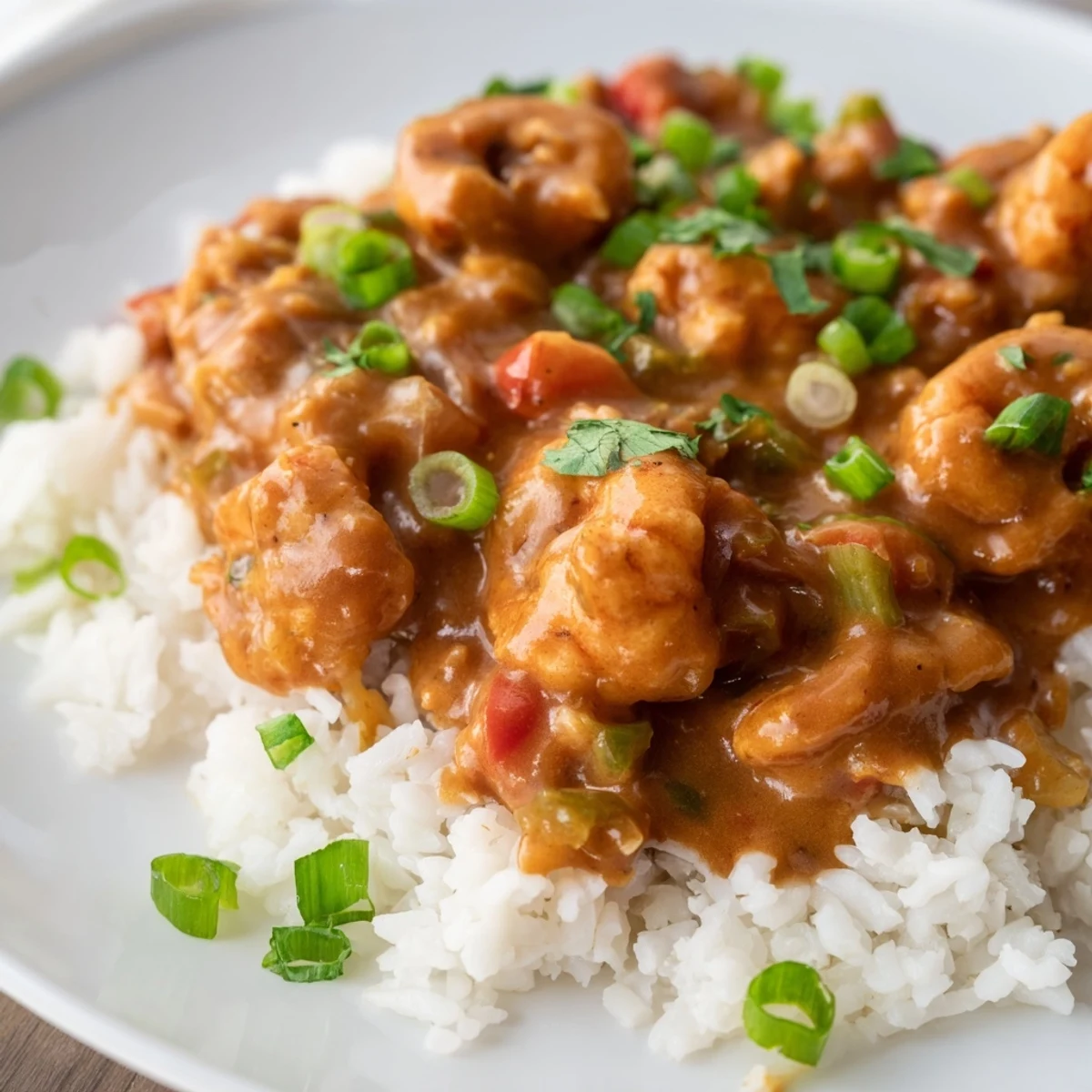
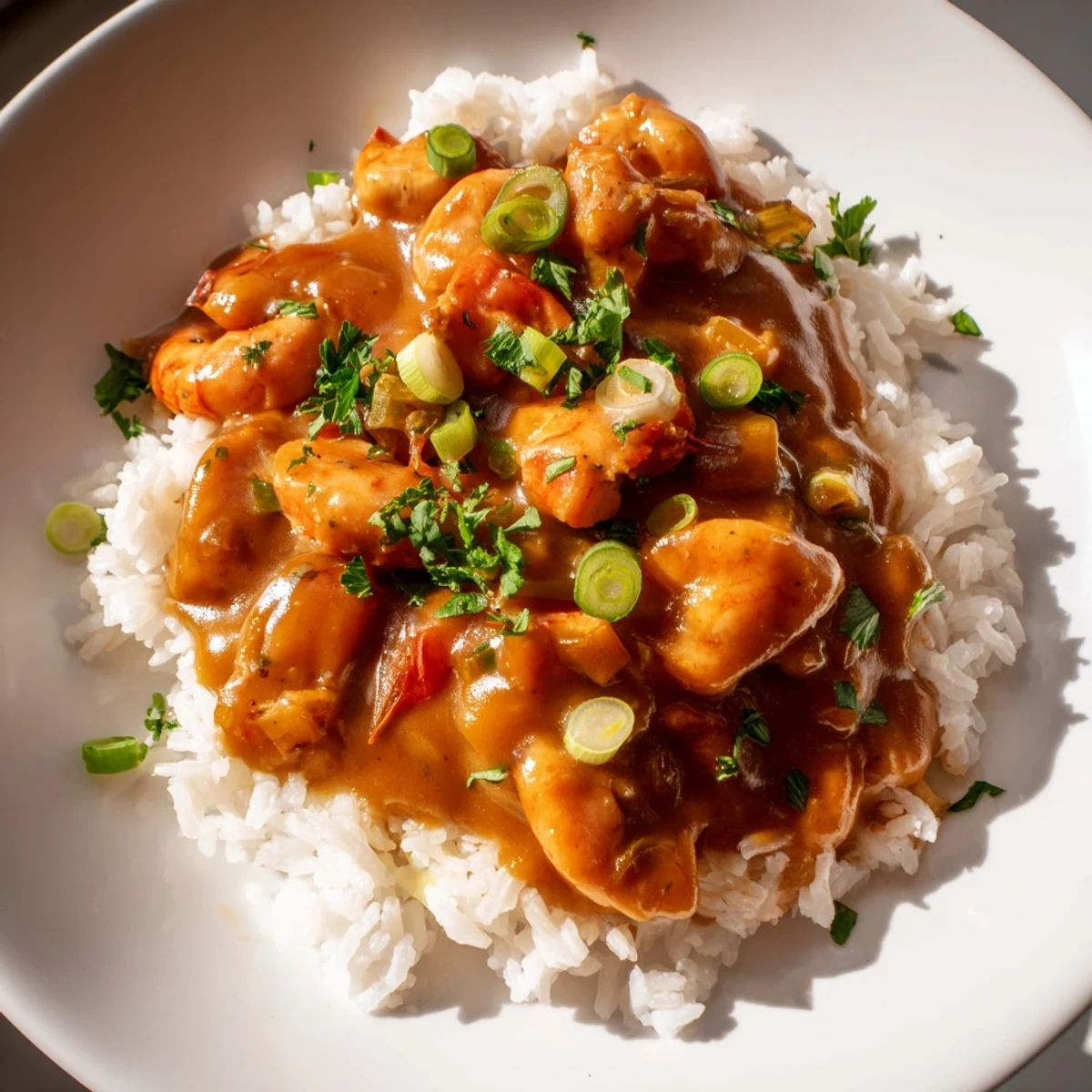
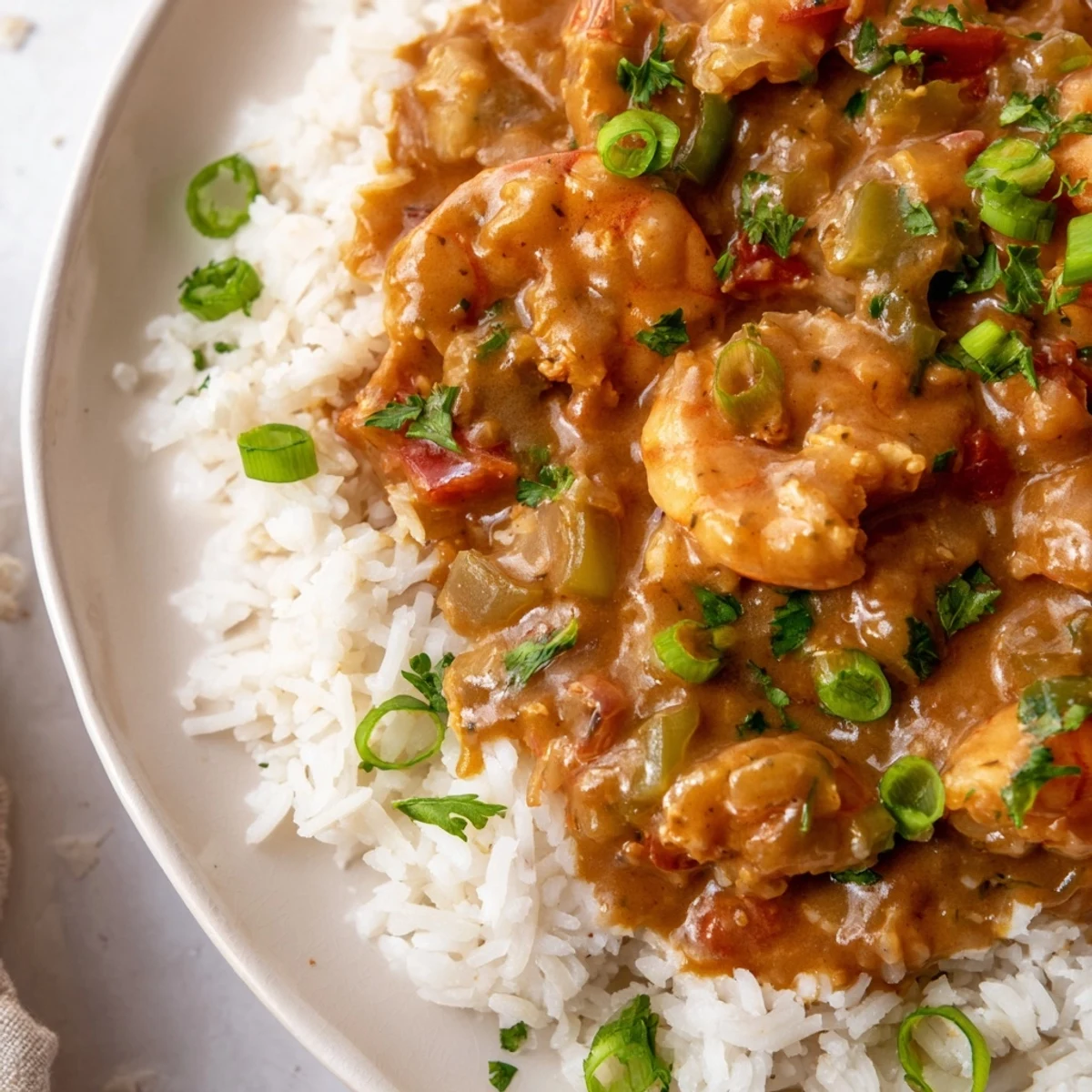
 This dish features tender crawfish tails slow-cooked in a rich, buttery roux with onions, bell pepper, and celery. Aromatic spices like Cajun seasoning, paprika, and thyme blend with stock and diced tomatoes to create a deeply flavorful étouffée base. Served hot atop perfectly cooked fluffy white rice, this classic Louisiana preparation balances spice and comfort. Fresh parsley and green onions add brightness while optional cayenne pepper adjusts heat. Ideal for those seeking a savory, satisfying meal with bold Southern flavors.
The first time I encountered étouffée was at a tiny roadside joint outside Lafayette, Louisiana, where the proprietor refused to write anything down and insisted I watch him cook it instead. His roux was darker than chocolate and he stirred it with the kind of patience most people reserve for watching paint dry, murmuring about how the holy trinity of onions, celery, and bell pepper needed to sweat before they could sing. That bowl changed everything I thought I knew about comfort food, the kind that wraps around you like a warm blanket on a rainy Gulf Coast afternoon.
I made this for my dad's birthday last winter, watching snow fall outside while the kitchen filled with the smell of simmering spices and butter. He'd spent years traveling through Louisiana for work and took one bite before closing his eyes, declaring it better than anything he'd had in Baton Rouge. The way he scraped the bowl clean said more than any compliment could, and now it's become our go-to comfort meal whenever the weather turns gray.
Ingredients
- Crawfish tails: Fresh or frozen works, but thaw them completely and pat dry before cooking so they don't water down your sauce
- Unsalted butter: The foundation of your roux, don't even think about using anything else because the milk solids are what create that gorgeous caramel color
- All-purpose flour: This teams up with the butter to make your thickening agent, and you want to cook it long enough to lose that raw flour taste
- Onion, bell pepper, and celery: Known as the holy trinity in Cajun cooking, chop them finely because they should almost disappear into the sauce
- Garlic: Minced fresh is non-negotiable here, nothing ruins a good étouffée faster than jarred garlic funk
- Diced tomatoes: Drain them well because excess liquid will mess with your sauce consistency
- Seafood or chicken stock: Homemade stock will make you weep with joy, but a good quality store-bought one works in a pinch
- Cajun seasoning: Make your own or buy a trusted brand, but taste it first because blends vary wildly in salt content
- Smoked paprika: This adds that subtle background smoke that makes people ask what your secret ingredient is
- Dried thyme: Fresh herbs burn too easily in long-simmered dishes, so dried thyme actually works better here
- Cayenne pepper: Start with half and adjust, because you can always add more heat but you can't take it away
- Bay leaves: These quietly do their job in the background, just remember to fish them out before serving
- Salt and black pepper: Season generously but taste as you go, remembering that the stock and crawfish are already salty
- Fresh parsley and green onions: These are your finishers, adding bright pops of color and fresh flavor right at the end
- Long-grain white rice: Rinse until the water runs clear or you'll end up with gummy rice that clumps together
- Water and salt: Simple basics for perfect rice, but don't skip the salt because bland rice ruins a good étouffée
Instructions
- Get that rice going first:
- Rinse your rice under cold water until it runs clear, then bring the water and salt to a rolling boil before adding the rice. Give it one stir, drop the heat to low, cover it tight, and walk away for 15 minutes because lifting the lid lets out steam and makes for crunchy rice. Let it sit off the heat for 5 more minutes before fluffing with a fork.
- Build your roux foundation:
- Melt that butter in a large skillet over medium heat, then sprinkle in the flour like you're dusting a cake. Stir constantly and don't look away because roux can go from perfect to burnt in seconds. You're aiming for light caramel color, about 5-7 minutes of steady stirring, and you'll know it's ready when it smells nutty and toasty.
- Add the holy trinity:
- Toss in your onion, bell pepper, and celery, letting them soften for about 5 minutes until they're translucent and fragrant. Stir in the garlic for just one minute because burned garlic tastes bitter and ruins everything.
- Build the flavor base:
- Add those drained tomatoes and all your spices, the Cajun seasoning, paprika, thyme, cayenne, bay leaves, and a good pinch of salt and pepper. Stir everything together until it's smelling like a Louisiana kitchen, then slowly pour in the stock while stirring constantly to prevent any lumps from forming.
- Let it simmer into greatness:
- Bring the sauce to a gentle bubble and let it cook for 10 minutes, stirring occasionally so nothing sticks to the bottom. Now add those crawfish tails and let them swim in that spiced broth for 5-7 more minutes until they're heated through and the flavors have married.
- Finish and serve:
- Fish out those bay leaves, then stir in the fresh parsley and green onions right at the end. Taste and adjust your seasoning if needed, then ladle generous portions over that fluffy white rice.
 Save to Pinterest
 This recipe has become my go-to for dinner parties because it looks impressive but actually comes together in about an hour. My friend Mark still talks about the time I made it for him, claiming he dreamed about that sauce for weeks afterward.
The Art of Roux Mastery
Learning to make a proper roux feels like joining some secret culinary society, where the initiation is just patience and a willingness to stir constantly without getting distracted. I've found that having everything prepped and ready before I start is crucial because once that flour hits the butter, you're committed. Keep the heat at medium and never stop stirring, treating it like a meditation practice that just happens to result in the most incredible thickening agent known to Cajun cooking.
Stock Secrets
Homemade seafood stock will elevate this from delicious to transcendent, but I know not everyone has shrimp shells and crawfish heads languishing in their freezer. When I'm using store-bought stock, I doctor it up with a splash of white wine and some extra aromatics simmered in it first. The key is finding a stock you'd actually drink on its own, because that concentrated flavor is what makes the étouffée taste like it simmered all day.
Serving Like a Local
In Louisiana, they'd serve this with hot sauce on the table and maybe some crusty French bread for sopping up every last drop. I've learned to put out extra cayenne and lemon wedges so people can customize their heat level. The rice should be fluffy and separate, each grain coated in that rich sauce but not drowning in it.
- White rice is traditional, but I've served this over roasted potatoes when I was feeling lazy and it worked beautifully
- A simple green salad with sharp vinaigrette cuts through the richness perfectly
- Leftovers reheat surprisingly well, though the rice will absorb more sauce overnight
 Save to Pinterest
 There's something deeply satisfying about ladling this over steaming rice and watching people fall silent as they take that first bite. Good food brings people together, but great food makes them remember the moment forever.
Recipe FAQs
- → What is the best way to cook the white rice?
-
Rinse the rice until the water runs clear, then simmer with salt and water covered for 15 minutes. Let it rest off heat for 5 minutes before fluffing.
- → How do I make a perfect roux for the sauce?
-
Melt butter and stir in flour continuously over medium heat until it turns a light caramel color, about 5–7 minutes, to develop rich flavor without burning.
- → Can I substitute crawfish with another seafood?
-
Shrimp works well as a substitute with similar cooking times and flavor profile; adjust seasoning to taste.
- → What spices give this dish its distinctive flavor?
-
Cajun seasoning, smoked paprika, dried thyme, and cayenne pepper create the spicy, smoky, and herbaceous notes essential to the dish.
- → How do I adjust the heat level of this dish?
-
Modify the amount of cayenne pepper and Cajun seasoning according to your preferred spice tolerance.
- → What kitchen tools are essential for preparing this dish?
-
A large skillet or Dutch oven for the étouffée, and a medium saucepan with a lid for cooking rice are key to successful preparation.