
 Save to Pinterest
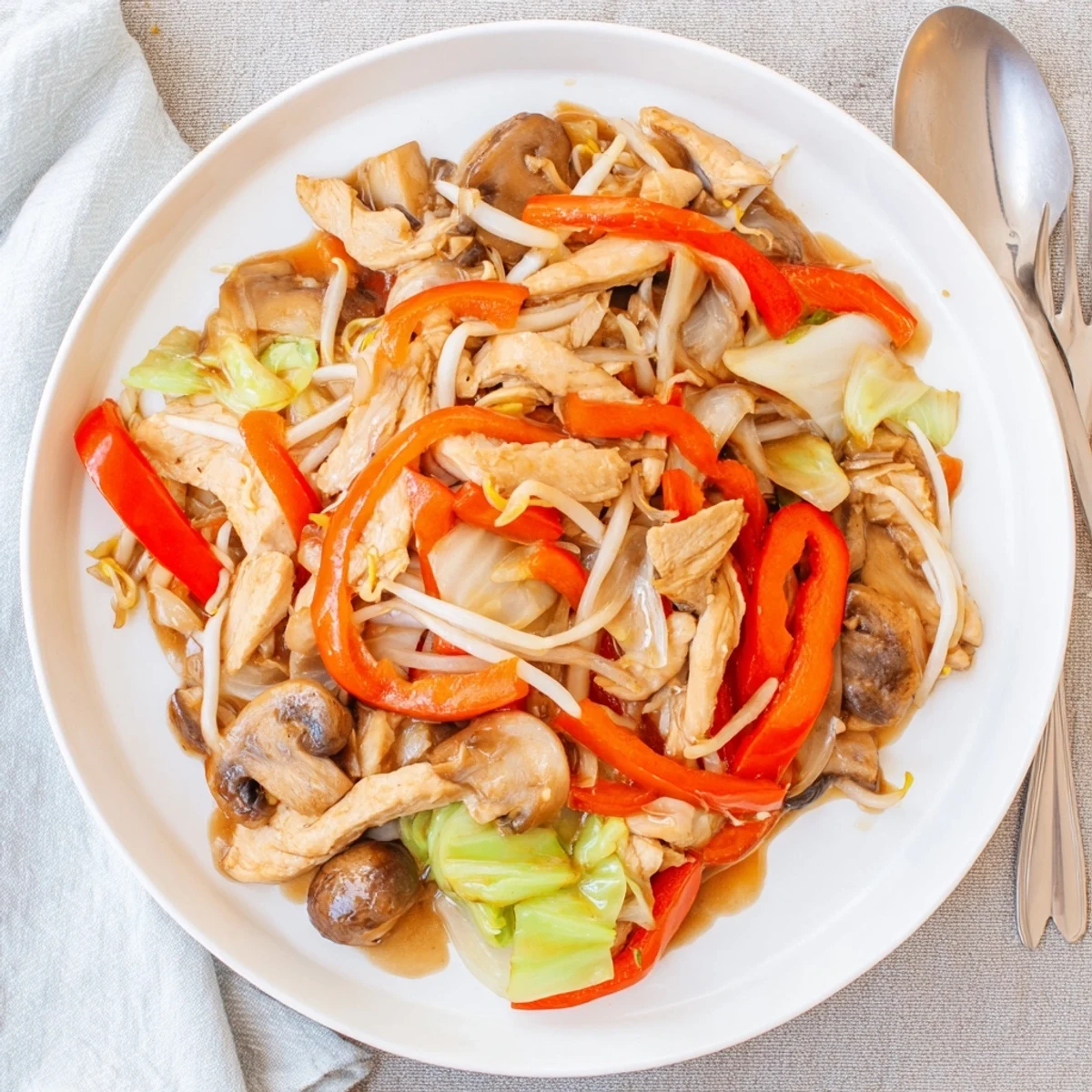
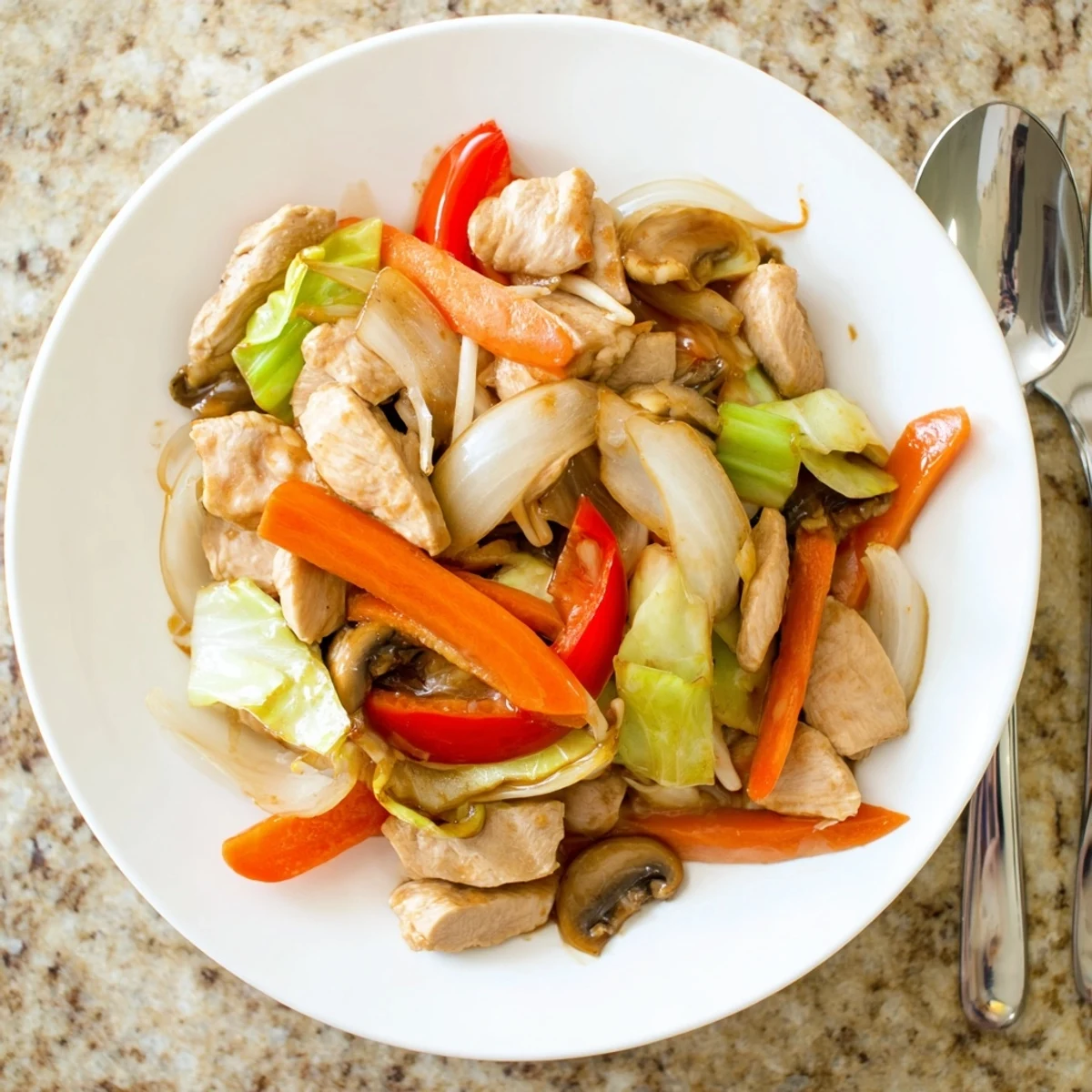
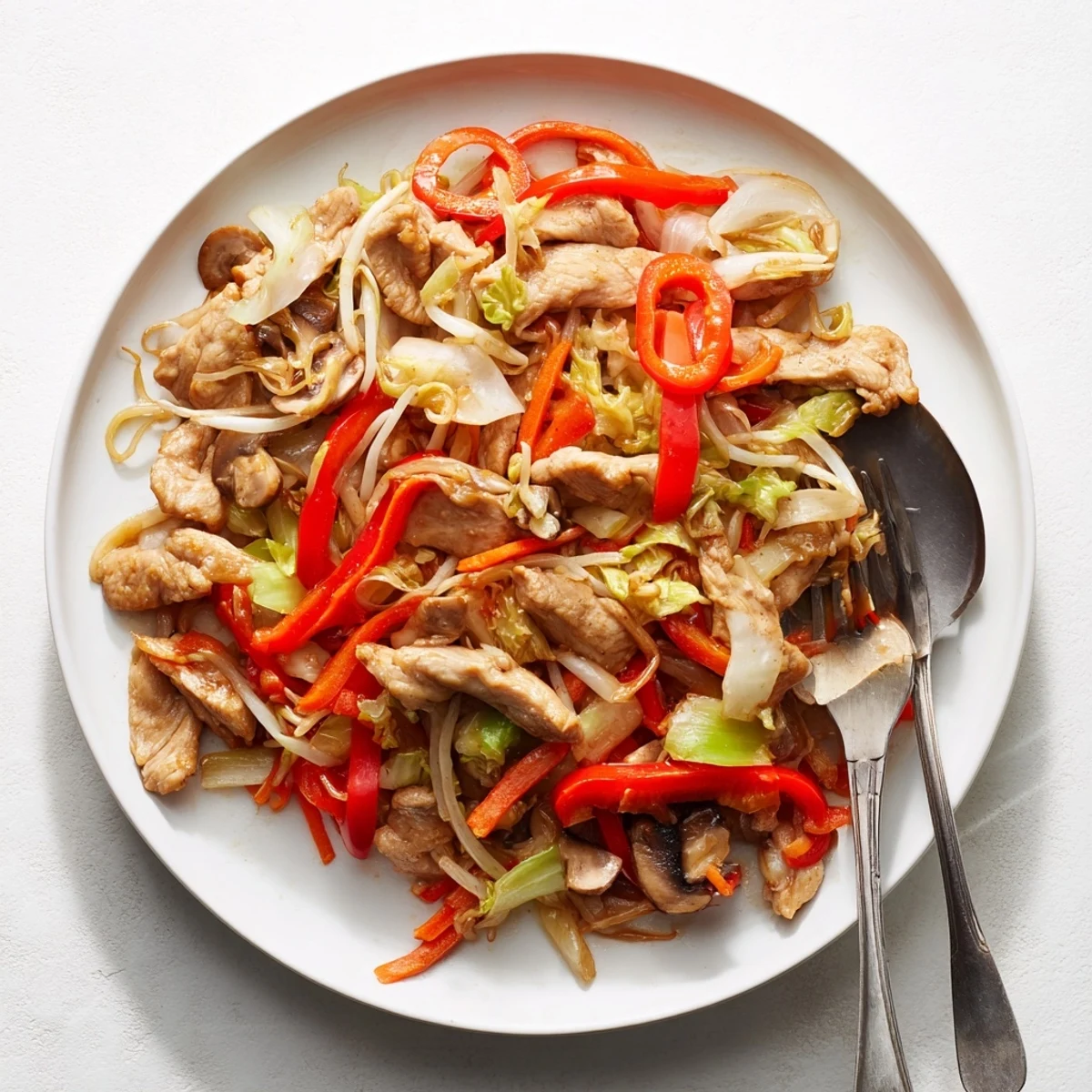
 This colorful stir-fry brings together thinly sliced chicken or pork with an array of fresh vegetables including bell peppers, bean sprouts, napa cabbage, celery, and mushrooms. The savory sauce combines soy sauce, oyster sauce, and sesame oil for that authentic Chinese-American flavor profile.
Perfect for busy weeknights, the entire dish comes together in just 35 minutes from prep to table. The high-heat cooking method preserves the vegetables' natural crunch while infusing everything with the aromatic blend of garlic and ginger.
Serve over steamed jasmine rice or alongside chow mein noodles for a complete meal that easily feeds four. The versatile nature of Chop Suey means you can customize the protein and vegetables based on what's in your crisper drawer.
The steam rising from my wok always takes me back to a tiny apartment kitchen where I first learned that high heat and quick movements could transform simple ingredients into something extraordinary. My roommate taught me that Chop Suey isnt about following rigid rules but about using whatever vegetables are languishing in the crisper drawer and giving them new life with a shimmering sauce. We ate standing up, forks in hand, while the vegetables still retained that perfect crunch that sings against the soft meat. Now its my go-to for busy weeknights when I want something vibrant but dont have hours to spend at the stove.
Last Tuesday my sister called me in a panic because shed invited friends over and realized she had nothing prepared. I talked her through this exact recipe while she frantically chopped vegetables and rummaged through her pantry for the sauce ingredients. She called me an hour later laughing because theyd all declared it restaurant quality and couldnt believe she threw it together so quickly. Thats the beauty of this dish—it looks impressive but is incredibly forgiving.
Ingredients
- Chicken breast or pork: Slice it thin against the grain so each bite stays tender and absorbs the sauce beautifully
- Onion and bell pepper: These provide the sweet aromatic base that balances the salty soy sauce
- Bean sprouts: Add them last so they keep their satisfying crunch
- Napa cabbage: It wilts just enough to become silky without disappearing completely
- Celery and carrot: These hearty vegetables hold up to the high heat cooking method
- Mushrooms: They soak up the sauce and add an earthy depth
- Garlic and ginger: Fresh is nonnegotiable here for that aromatic kick
- Soy sauce: The foundation of our savory sauce base
- Oyster sauce: Adds a subtle sweetness and umami richness
- Cornstarch: This is what transforms the sauce from thin to glossy and coating
- Rice wine or dry sherry: A splash adds complexity and brightness
- Sesame oil: Just a teaspoon gives that signature nutty finish
- Chicken or vegetable broth: Creates the body of our sauce without overwhelming the dish
- Vegetable oil: Use something neutral that can handle high heat without smoking
Instructions
- Mix the sauce first:
- Whisk everything together in a small bowl until the cornstarch dissolves completely so you wont end up with lumps later
- Cook the protein:
- Heat half the oil until it shimmers then quickly stir fry your sliced meat until it just loses its pinkness
- Bloom the aromatics:
- Add fresh oil to the pan and let the garlic and ginger sizzle for just 30 seconds until the smell fills your kitchen
- Start the hearty vegetables:
- Toss in onions carrots celery and pepper first since they need the most time to become tender crisp
- Add the softer vegetables:
- Stir in mushrooms and cabbage watching them wilt just enough while maintaining texture
- Bring it together:
- Return your protein to the pan pour in that sauce you made earlier and toss everything until coated
- Finish with crunch:
- Throw in the bean sprouts last and stir fry for just a minute until theyre heated through
- Taste and adjust:
- Grab a fork and decide if you want more salt or pepper before serving it over steaming rice
 Save to Pinterest
 My neighbor smells whenever I make this and inevitably knocks on my door with an empty Tupperware container and a hopeful expression. Its become a Wednesday tradition in our building because everyone knows that leftovers somehow taste even better the next day when the flavors have had time to mingle and deepen.
Perfecting Your Wok Technique
I spent years making stir fry in regular pans wondering why it never tasted quite right until I finally invested in a carbon steel wok. The heat distribution is completely different and the sloped sides make tossing vegetables feel effortless. If youre using a regular skillet just be prepared to stir constantly and maybe work in smaller batches to maintain that high searing heat.
Vegetable Timing Secrets
The biggest mistake I see with Chop Suey is people adding all the vegetables at once which results in some being raw while others are mushy. Think about density and hardness when adding them to the pan. Carrots and celery need time to soften while cabbage and bean sprouts barely need any heat at all to become perfect.
Building Your Sauce Pantry
Once you have these basic sauce ingredients stocked you can whip up countless Asian inspired dishes at a moments notice. I keep my soy sauce oyster sauce and sesame oil in the cabinet right next to my stove along with rice wine and cornstarch. This setup has saved me more times than I can count when unexpected guests arrive or I just dont have the energy to figure out something complicated.
- Double the sauce recipe and keep it in a jar in the fridge for even faster weeknight meals
- Mix a little extra cornstarch if you prefer a thicker coating on your vegetables
- Remember that the sauce will continue thickening off the heat so dont overreduce it in the pan
 Save to Pinterest
 Whether youre feeding a crowd or just making dinner for one this recipe has a way of making an ordinary Tuesday night feel a little more special. Sometimes the simplest dishes prepared with care are the ones we remember most fondly.
Recipe FAQs
- → What makes Chop Suey different from other stir-fries?
-
Chop Suey features a unique combination of bean sprouts and napa cabbage that provide distinctive crunch, while the sauce specifically blends soy sauce with oyster sauce and sesame oil for a rich, savory depth that sets it apart from other Asian stir-fried dishes.
- → Can I make this vegetarian?
-
Absolutely. Substitute the chicken or pork with firm tofu and replace traditional oyster sauce with a vegetarian mushroom-based alternative. The texture and flavor profile remain excellent while making it completely plant-based.
- → How do I prevent the vegetables from becoming soggy?
-
Keep your heat at medium-high and work in batches if necessary. Add vegetables according to their cooking time—harder vegetables like carrots and celery first, followed by quicker-cooking peppers and cabbage. Avoid overcrowding the pan, which causes steaming instead of stir-frying.
- → What's the best way to slice the meat for stir-frying?
-
Partially freeze the meat for 20-30 minutes before slicing—it becomes firmer and easier to cut thinly. Slice against the grain into uniform pieces about 1/8 to 1/4 inch thick. This ensures quick, even cooking and tender results in the high-heat wok environment.
- → Can I prepare Chop Suey ahead of time?
-
You can prep all ingredients in advance—slice the vegetables, mix the sauce, and store separately in the refrigerator. However, cook everything just before serving for the best texture and flavor. Leftovers reheat well in a skillet over medium heat, though the vegetables will soften slightly.
- → What vegetables work best in Chop Suey?
-
Traditional combinations include bean sprouts for crunch, napa cabbage for sweetness, bell peppers for color, and celery for texture. You can also add water chestnuts, bamboo shoots, or snow peas. The key is using vegetables that maintain some crispness when quickly cooked over high heat.