
 Save to Pinterest
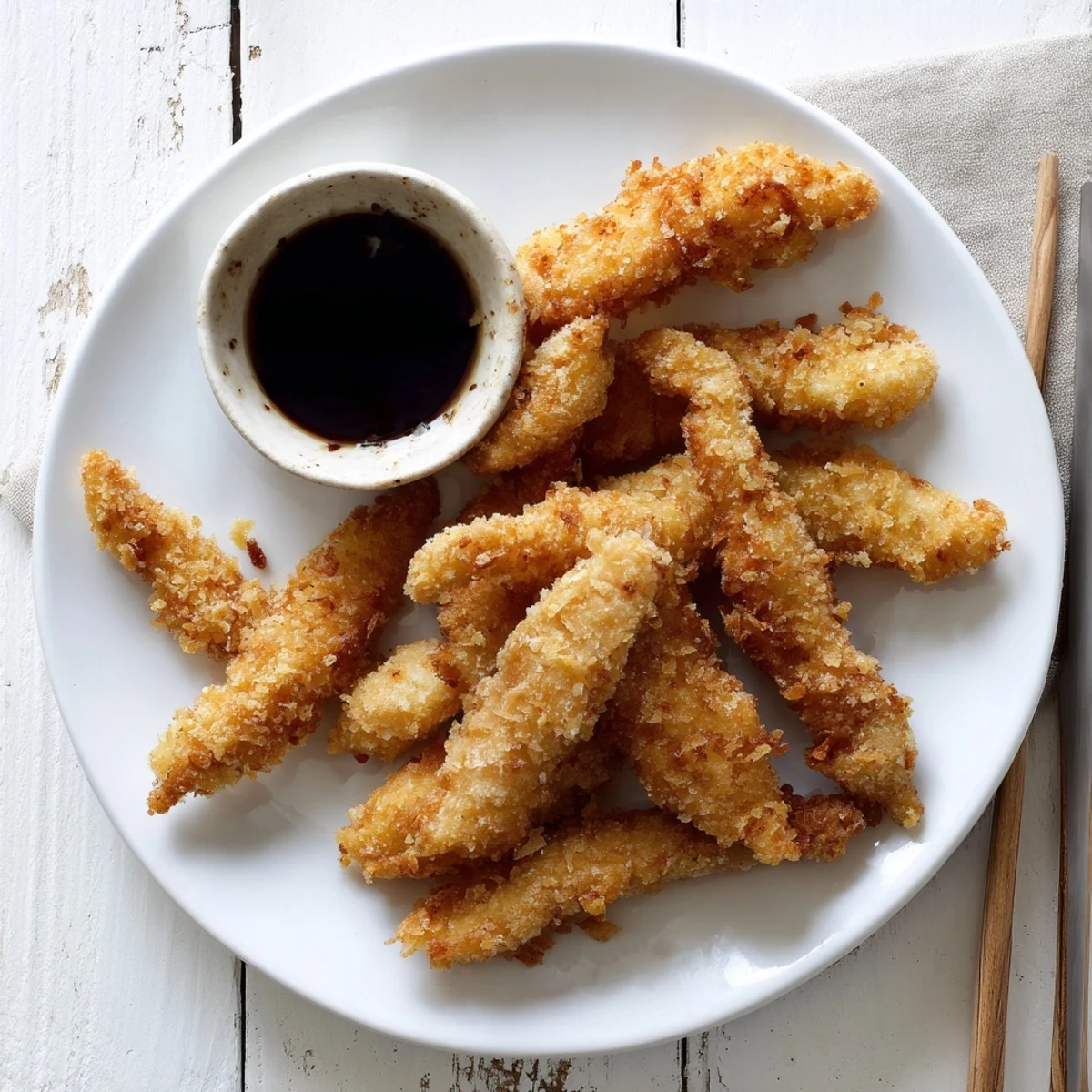
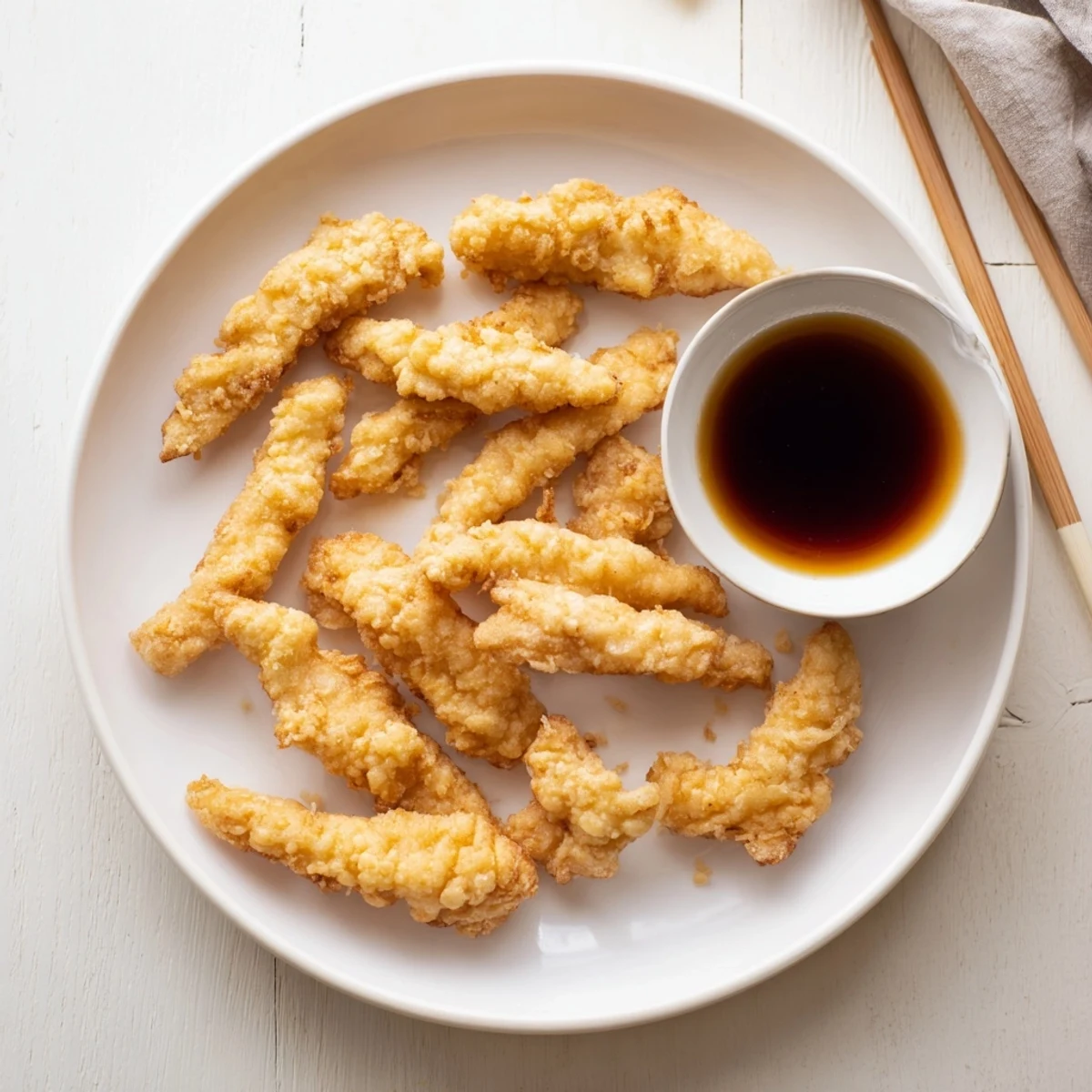
 Experience the perfect crunch of lightly battered chicken strips, fried until golden and served alongside a homemade tangy dipping sauce. This Japanese-inspired dish features a delicate tempura batter made with ice-cold sparkling water for extra lightness, creating that signature crispy texture that Japanese cuisine is famous for.
The preparation comes together quickly with just 20 minutes of prep time, and the frying process takes only 15 minutes. The key to achieving the perfect tempura texture lies in keeping the batter ice-cold and mixing it minimally—those small lumps you see are actually what create the beautiful airy, crunchy coating.
Serve these golden strips hot alongside the savory-sweet dipping sauce made with soy sauce, mirin, rice vinegar, fresh ginger, and a touch of sugar. The sauce perfectly balances the crispy exterior, creating an irresistible combination that works as both an appetizer or a satisfying main course when paired with steamed rice.
Last winter, after a particularly long week at work, my roommate came home with a bag of chicken and a bottle of sparkling water, announcing we were making tempura. I had never attempted it before, assuming it required some secret technique I hadn't learned yet. We crowded into our tiny kitchen, taking turns dipping chicken into that magical lumpy batter while sipping wine. That night, standing over the stove with steam rising and oil popping, I realized tempura isn't about perfection at all.
My aunt hosted a dinner party last spring and served three different kinds of tempura, insisting the key was keeping the batter icy cold and not overthinking it. She worked at the stove while guests hovered nearby, snatching pieces as fast as she could fry them. The kitchen filled with laughter and the smell of frying oil, and nobody bothered moving to the dining table. Some meals are just meant to be eaten standing up, reaching across the counter.
Ingredients
- Boneless chicken breasts: Cutting these into thin strips ensures they cook through quickly while getting that perfect crispy coating without drying out inside
- Salt and black pepper: A simple seasoning on the chicken itself makes all the difference, so dont skip this step even though the batter has flavor too
- All-purpose flour: The backbone of the batter, providing structure while staying neutral enough to let the chicken shine through
- Cornstarch: This is the real secret weapon that makes tempura so much lighter than regular fried food, creating that signature delicate crunch
- Large egg: Binds everything together while adding just enough richness without making the batter heavy
- Ice-cold sparkling water: The bubbles create air pockets in the batter for that lace-like texture, and keeping it freezing cold is absolutely crucial
- Baking powder: Gives the batter a little extra lift and helps achieve that satisfying crunch when it hits the hot oil
- Vegetable oil: You need enough to deep fry properly, so dont be shy about the quantity
- Soy sauce: The salty base of your dipping sauce, providing that classic Japanese flavor profile
- Mirin: Adds sweetness and depth that balances perfectly with the salty soy sauce
- Rice vinegar: Cuts through the richness of the fried chicken with just enough brightness
- Sugar: Dissolves into the sauce to round out all the sharp flavors into something harmonious
- Fresh ginger: Grating this fresh instead of using powder makes such a difference, adding warmth and zing
Instructions
- Prep the chicken:
- Cut your chicken into strips about the size of your pinky finger and pat them completely dry with paper towels. Season them generously with salt and pepper, then set aside while you make the batter.
- Mix the dry ingredients:
- Whisk together the flour, cornstarch, and baking powder in a large bowl until well combined. Make sure there are no lumps of cornstarch hiding anywhere.
- Prepare the wet mixture:
- Lightly beat the egg in a separate bowl, then stir in the ice-cold sparkling water. Keep this mixture as cold as possible until the very last second.
- Combine everything:
- Pour the cold egg mixture into the dry ingredients and stir briefly with chopsticks or a fork. Leave the batter noticeably lumpy and do not overmix it should look messy.
- Heat your oil:
- Pour the vegetable oil into a deep pan and heat it to 175 degrees Celsius, or 350 degrees Fahrenheit. If you dont have a thermometer, test it with a drop of batter it should sizzle immediately and rise to the top.
- Coat the chicken:
- Dip each chicken strip into the batter, letting the excess drip off for a second. The batter should be thin enough to coat lightly but thick enough to cling to the meat.
- Fry in batches:
- Carefully lower the battered chicken into the hot oil, working in small batches so you dont crowd the pan. Fry for 3 to 4 minutes, turning once, until deep golden brown and incredibly crispy.
- Drain and rest:
- Transfer the finished pieces to a wire rack or paper towels to drain. Let them cool for just a minute so you dont burn your mouth, though I know youll want to try one immediately.
- Make the sauce:
- Combine the soy sauce, mirin, rice vinegar, sugar, and grated ginger in a small saucepan over low heat. Stir until the sugar completely dissolves, then remove from heat and let it cool to room temperature.
- Serve immediately:
- Arrange the hot tempura on a platter with the dipping sauce alongside. The contrast between that crunch and the tangy sauce is what makes this recipe worth making.
 Save to Pinterest
 The first time I served this at a dinner party, my friend Sarah who claims she hates fried food ate seven pieces without realizing it. Later she asked if I could make it again for her birthday, which might be the highest compliment a recipe has ever received in my kitchen.
The Temperature Secret
Invest in a simple kitchen thermometer if you fry regularly, or learn to judge oil temperature by how quickly a drop of batter reacts. If the oil is too cool, your tempura will absorb too much fat and turn soggy. Too hot, and the outside burns before the inside cooks through. That sweet spot around 350 degrees Fahrenheit is where the magic happens, creating that delicate crunch without any greasiness.
Batter Consistency
The batter should be thin enough to drip off your whisk but thick enough to leave a visible coating on the back of a spoon. When you lift your chopsticks out of the batter, it should trail off in thin ribbons rather than big globs. If it seems too thick, add another splash of sparkling water. Too thin, and you can whisk in another tablespoon of flour. The lumps are not just acceptable, they are essential to the final texture.
Timing Your Prep
Have everything organized before you turn on the stove, because once you start frying, you wont have time to prep sauce or cut more chicken. I like to make the dipping sauce first and set it aside, then prep all my chicken strips before even mixing the batter. The sparkling water will start going flat as soon as you open it, so mix your batter right before you start frying. Working quickly and efficiently keeps everything at the right temperature and prevents that stressed feeling in the kitchen.
- Set up your draining station with wire racks or paper towels before you begin
- Keep a pair of tongs and a slotted spoon within easy reach for safe oil management
- Never leave hot oil unattended, not even for thirty seconds
 Save to Pinterest
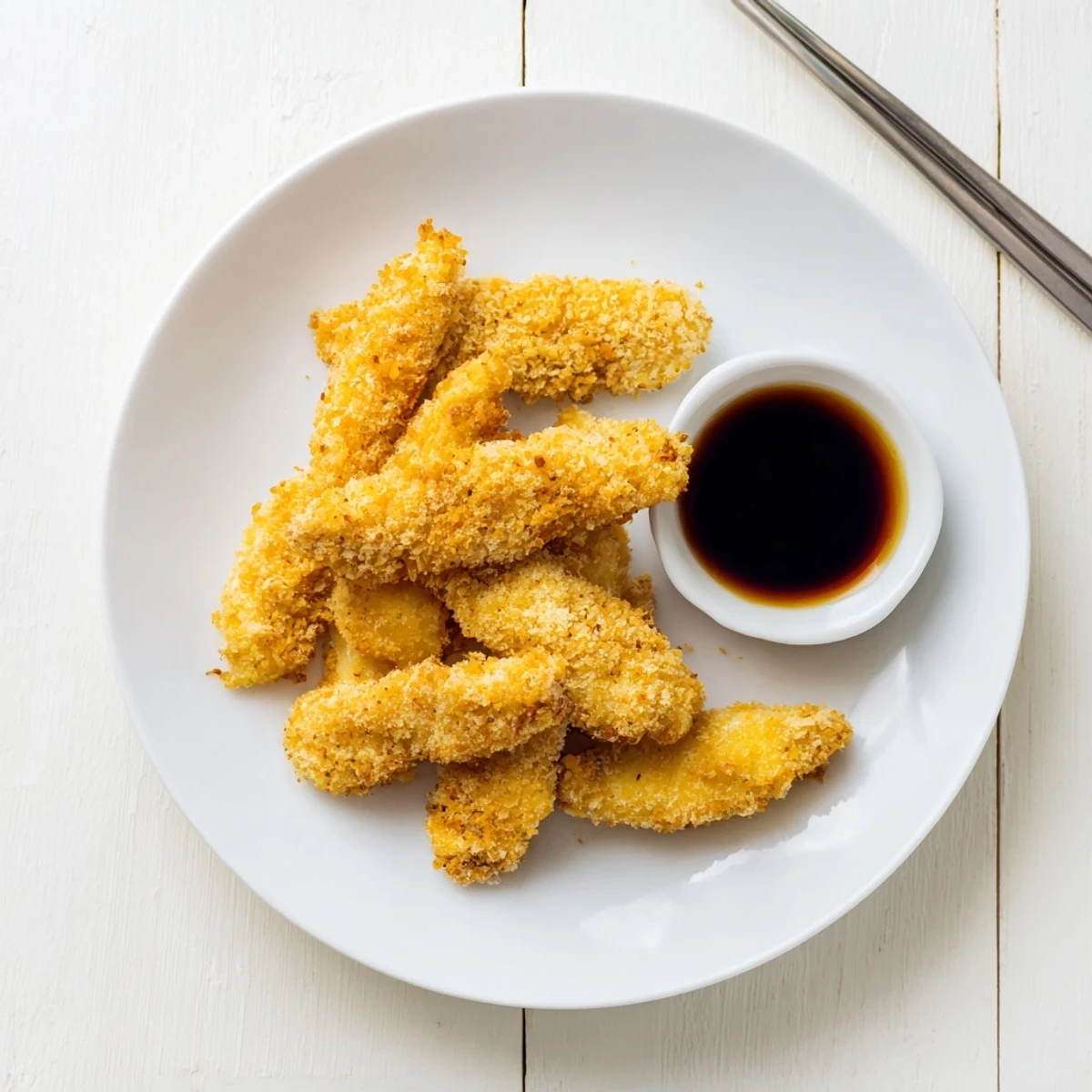
 Theres something genuinely joyful about pulling perfectly crispy chicken from hot oil, hearing that satisfying crunch, and watching friends reach for seconds. This recipe has become my go-to for everything from casual weeknight dinners to celebratory gatherings, always earning more requests than I can possibly keep up with.
Recipe FAQs
- → What makes tempura batter crispy?
-
The secret to crispy tempura lies in using ice-cold sparkling water and mixing the batter minimally. The carbonation creates tiny air bubbles, while leaving small lumps prevents gluten development, resulting in that signature light and crunchy texture.
- → Can I use chicken thighs instead of breasts?
-
Absolutely. Chicken thighs work wonderfully and tend to be more juicy due to their higher fat content. Just adjust the cooking time slightly as thighs may need an extra minute or two to cook through completely.
- → What oil is best for deep frying tempura?
-
Vegetable oil, canola oil, or peanut oil are excellent choices due to their high smoke points and neutral flavors. These oils can maintain the 175°C (350°F) temperature needed for perfectly crispy results without burning.
- → How do I keep tempura crispy after frying?
-
Place cooked pieces on a wire rack rather than paper towels—this allows air circulation and prevents sogginess. Serve immediately for the best texture, and if you must hold them, keep them in a warm oven at 93°C (200°F) for short periods.
- → Can I make the dipping sauce ahead of time?
-
Yes, the dipping sauce can be prepared up to a week in advance and stored in the refrigerator. The flavors actually meld and improve over time. Just bring it to room temperature before serving for the best flavor experience.
- → What other proteins can I use with this batter?
-
This versatile tempura batter works beautifully with shrimp, white fish fillets, or even vegetables like sweet potato, zucchini, and bell peppers. Adjust cooking times accordingly—vegetables typically need 2-3 minutes, while shrimp cook in about 3 minutes.