
 Save to Pinterest
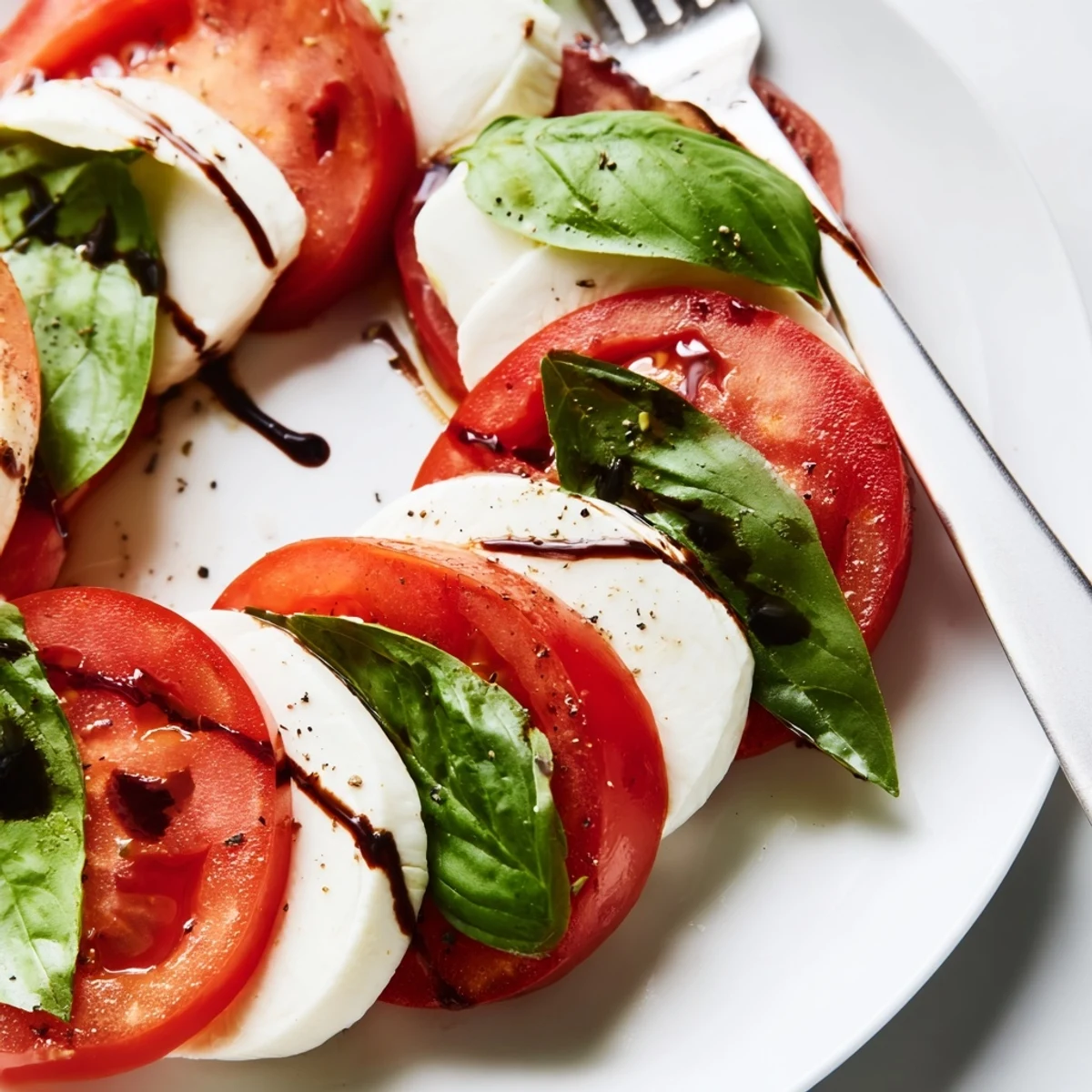
 This vibrant Caprese pairs ripe tomato slices with creamy mozzarella and whole basil leaves for a bright, no-cook dish. Assemble by alternating tomato and cheese slices on a platter, tucking basil leaves between layers, then finish with extra-virgin olive oil, optional balsamic glaze and a sprinkle of sea salt and black pepper. Serve at room temperature. Try heirloom tomatoes, swap burrata for extra creaminess, or add a drizzle of pesto for variation.
There is something almost funny about how the simplest dishes humble you the most. I once spent hours on an elaborate five course Italian dinner, only to watch my guests lose their minds over a plate of sliced tomatoes and mozzarella I threw together at the last minute. That caprese salad disappeared in five minutes flat, and the main course barely got a nod. Sometimes the quietest dish on the table shouts the loudest.
A friend brought over a bag of wildly mismatched heirloom tomatoes from her garden one August evening, and I had nothing planned. I tore open a ball of mozzarella, layered everything on a chipped ceramic plate, and poured cheap balsamic over the top. We stood in the kitchen eating it with our fingers before ever making it to the table. That plate was the entire dinner, and honestly neither of us complained.
Ingredients
- Tomatoes (3 large, ripe): The backbone of the entire dish, so never settle for anything less than fully ripe and fragrant when you give them a squeeze.
- Fresh basil leaves (1 handful): Tear them by hand rather than cutting with a knife, which bruises the leaves less and keeps that sweet licorice aroma intact.
- Fresh mozzarella (250 g): Seek out the kind stored in liquid rather than shrink wrapped blocks, because the texture difference is enormous and worth the extra trip to a deli.
- Extra virgin olive oil (2 tbsp): Use the good bottle here, the grassy peppery one, since it sits raw on top and its flavor is completely exposed.
- Balsamic glaze (1 tbsp, optional): A thick sweet drizzle at the end adds a beautiful dark streak and a tangy depth that ties everything together.
- Sea salt and black pepper: Flaky salt on top right before serving gives each bite a satisfying little crunch that fine salt simply cannot replicate.
Instructions
- Slice everything evenly:
- Cut the tomatoes and mozzarella into half centimeter rounds with a sharp knife so each piece is uniform and the layers sit neatly against each other.
- Build the pattern:
- On a large platter, lay down alternating slices of tomato and cheese, overlapping them slightly so the whole plate looks abundant and intentional.
- Tuck in the basil:
- Slide whole basil leaves between the slices here and there, letting some curl upward so their fragrance hits you before the first bite.
- Shower with olive oil:
- Drizzle the oil back and forth across the platter in a generous zigzag, letting it pool in the crevices between slices.
- Add the balsamic finish:
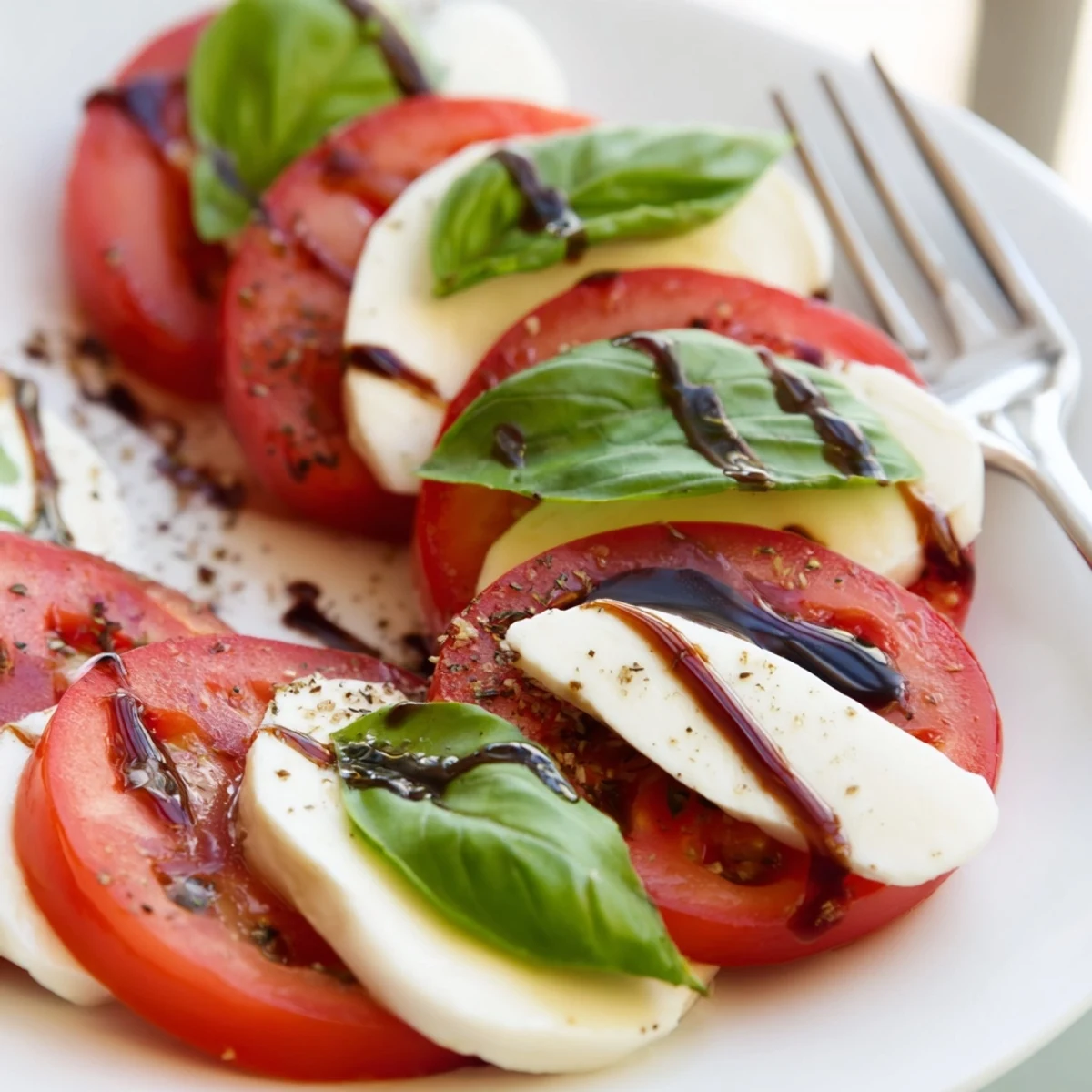
- If you are using the glaze, draw thin lines across the top, less like flooding the salad and more like sketching on a canvas.
- Season and serve:
- Scatter sea salt and cracked pepper over everything, then carry the platter straight to the table while the cheese is still cool and the tomatoes have not started weeping.
 Save to Pinterest
 I brought a caprese salad to a potluck once and watched a woman I had never met stand over the platter eating piece after piece with her fingers, completely ignoring the utensils. She looked up, caught my eye, and just said sorry, I cannot stop. That was the highest compliment any dish of mine has ever received.
Choosing the Right Tomatoes
Not every tomato belongs in this salad. The ones at their peak will feel heavy for their size and smell like earth and sunshine near the stem end. Heirloom varieties in yellow, green, and deep purple make the platter look like a painting, but even plain red slicing tomatoes work beautifully if they are truly ripe. Skip anything that feels spongy or looks pale, because nothing rescues a flavorless tomato in a dish with only five ingredients.
Mozzarella Matters More Than You Think
The cheese is half the equation, so treat it with the same care as the produce. Fresh mozzarella di bufala is the traditional choice and has a soft tang that cow milk versions lack, though either one works if it is fresh. Burrata is a stunning substitute if you want something richer, since the creamy center spills out and mingles with the olive oil in a way that regular mozzarella never will.
Serving and Pairing Ideas
This salad does not need much company, but a few things turn it from a side dish into a proper meal. Crusty bread for soaking up the oil and tomato juice is almost mandatory in my house during summer.
- A chilled glass of Pinot Grigio or sparkling water with a fat lemon wedge makes the whole table feel like a long afternoon on a terrace somewhere warm.
- If you want to twist the classic, spoon a little homemade pesto between the layers and skip the basil leaves entirely.
- Always serve this at room temperature, because cold cheese hides both the sweetness of the milk and the grassy notes of the oil.
 Save to Pinterest
 Some recipes earn their place in your kitchen through complexity and surprise. This one earns it by reminding you that a ripe tomato, good cheese, and a generous hand with olive oil is really all you ever need.
Recipe FAQs
- → Which tomatoes work best?
-
Choose ripe, firm tomatoes with good color and flavor—heirlooms or vine-ripened varieties add sweetness and acidity that balance the cheese.
- → Can I substitute the mozzarella?
-
Yes. Burrata creates a creamier texture; fresh buffalo mozzarella offers a softer, richer bite. Slice thicker for sturdier cheeses or tear burrata gently over the platter.
- → How should it be seasoned?
-
Keep seasoning simple: flaky sea salt and freshly ground black pepper heighten flavors. Finish with high-quality extra-virgin olive oil and a light drizzle of balsamic glaze if desired.
- → Is there a preferred serving temperature?
-
Serve at room temperature to let tomato juices and cheese reach optimal flavor and texture—remove from refrigeration 10–20 minutes before plating.
- → How long can leftovers keep?
-
Store covered in the fridge up to 24 hours; tomatoes release moisture over time so the texture softens. Dress just before serving to preserve freshness.
- → Any presentation tips?
-
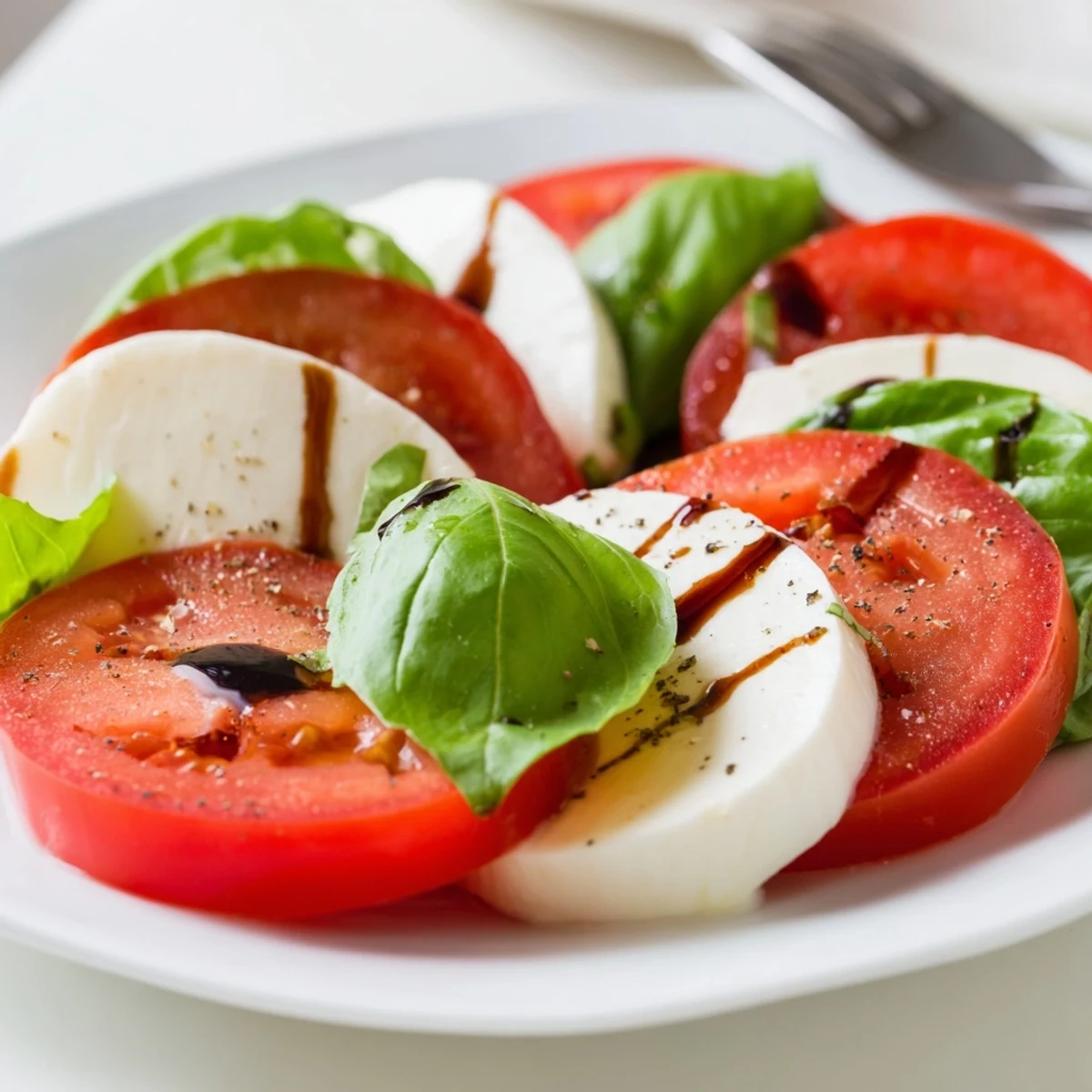
Alternate even slices of tomato and mozzarella on a large platter, tuck basil leaves between layers, and finish with oil and glaze. Use mixed-color tomatoes for a striking look.