
 Save to Pinterest
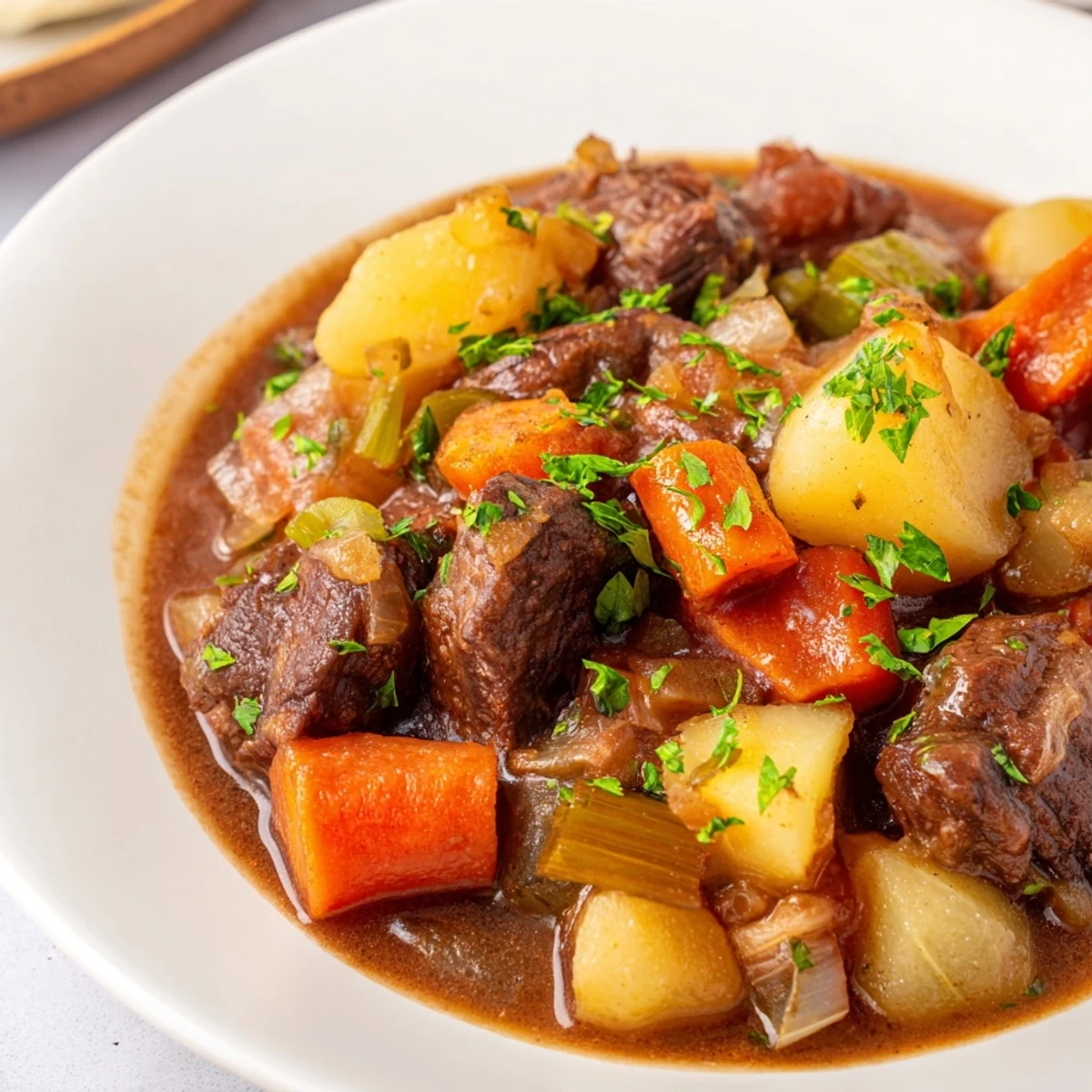
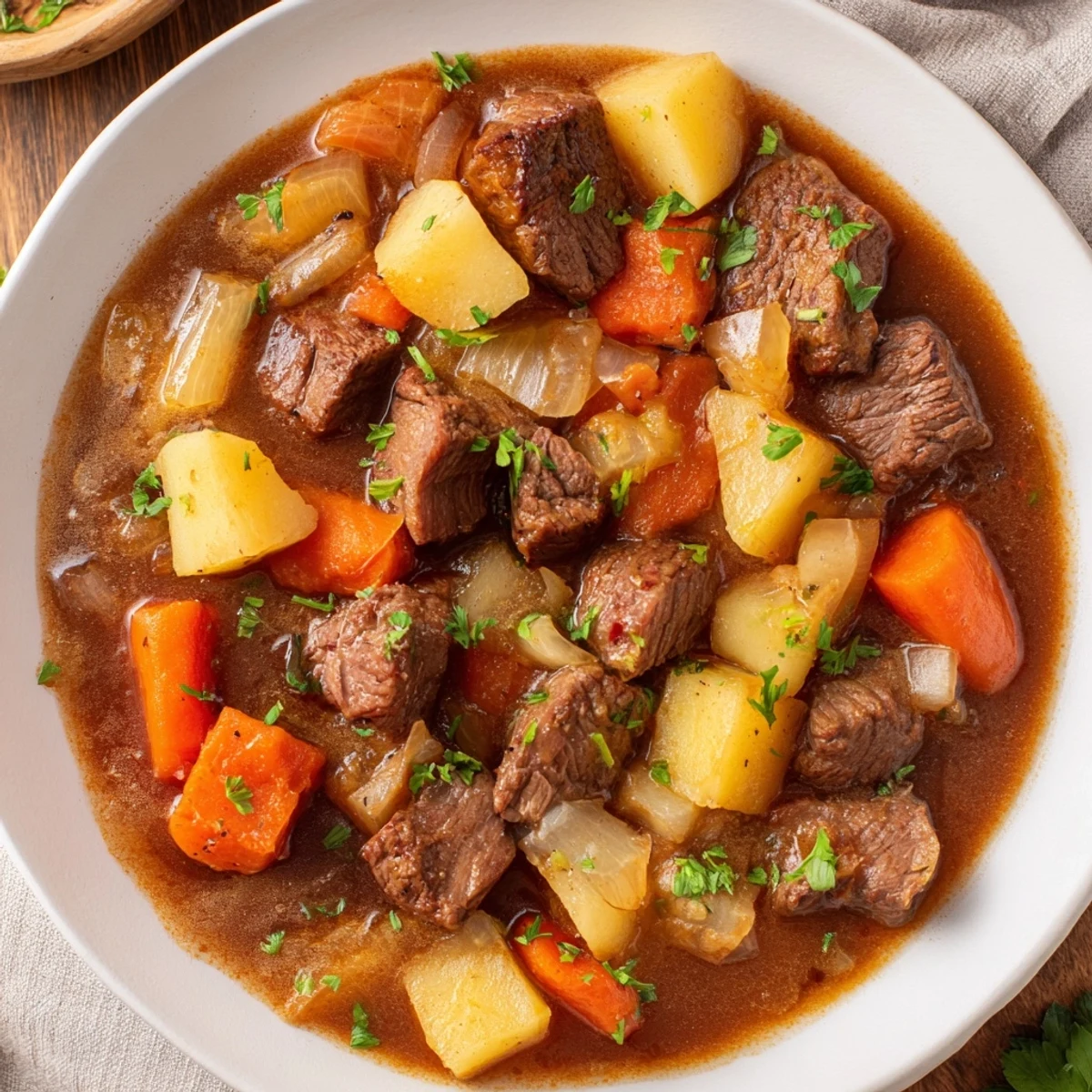
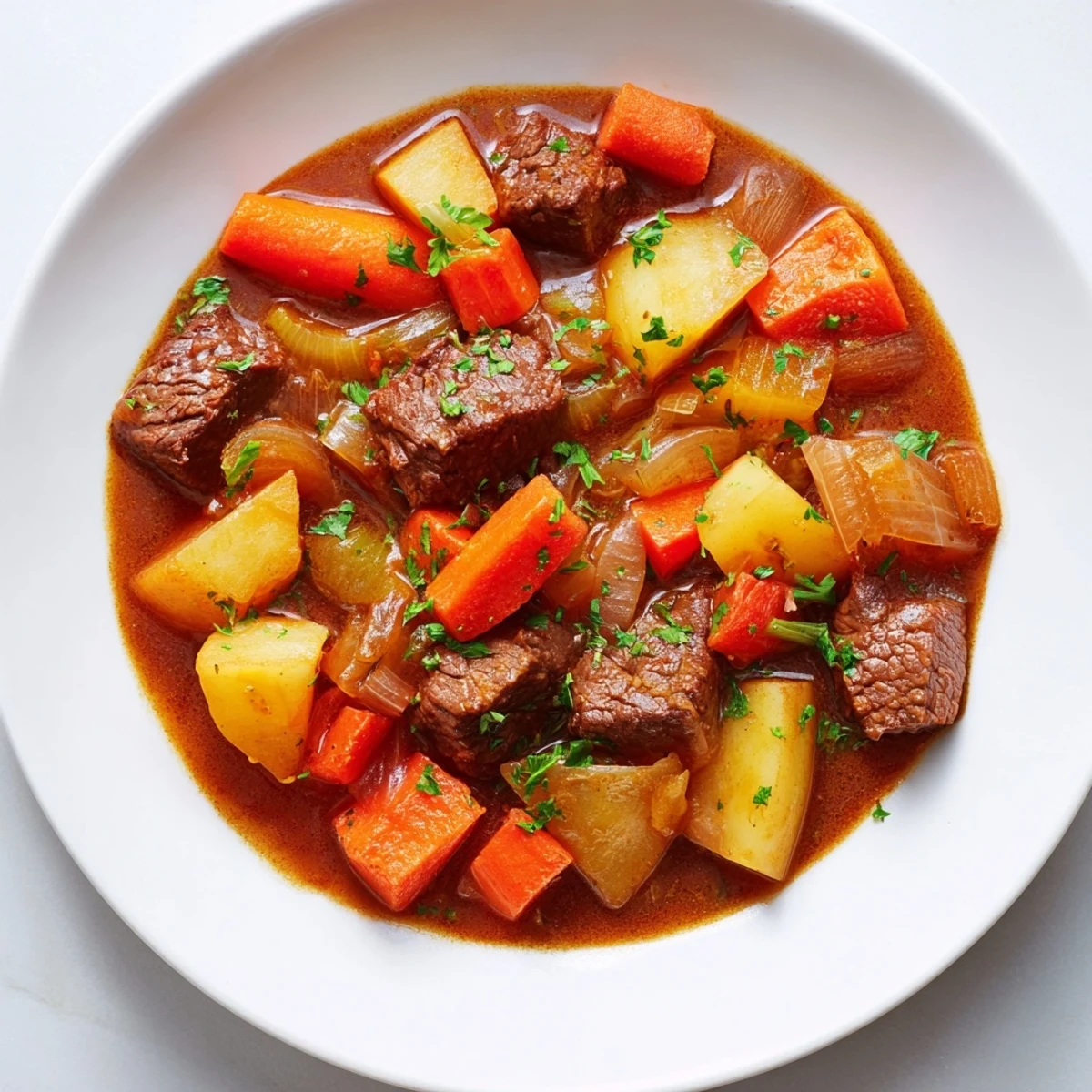
 This classic dish brings together tender beef chunks and a mix of root vegetables like carrots, parsnips, potatoes, and turnips. Browned beef is slowly simmered in a savory broth enhanced with tomato paste, wine, and herbs such as thyme and rosemary. The long cooking time allows flavors to meld, resulting in a comforting stew with a thick, rich texture perfect for chilly evenings. Serve hot, optionally garnished with parsley, and enjoy with crusty bread or buttered noodles for a satisfying meal.
The radiator was clanking its usual winter song when I first attempted beef stew in that drafty apartment. My grandmother had mentioned something about letting it simmer low and slow, but I was twenty-two and impatient, convinced I could rush three hours of cooking into forty-five minutes. The beef was tough, the vegetables were still crunchy, and I ended up ordering pizza while my failed attempt cooled on the stove. Two decades later, I finally understand what she meant about patience and low heat.
My youngest daughter came home from college last November, exhausted and needing exactly this kind of food. We put a pot on the stove around noon and spent the afternoon catching up between kitchen tasks. By dinner time, the stew had thickened perfectly and she took three bowls before finally leaning back with that satisfied quiet that means something went right.
Ingredients
- Beef chuck: This cut has the perfect marbling for long cooking, becoming tender while adding rich flavor to the broth
- Carrots and parsnips: They hold their shape beautifully after hours of simmering, adding natural sweetness that balances the savory beef
- Potatoes: Yukon Gold or red potatoes work best here since they wont fall apart like Russets can
- Beef broth: Use a good quality broth or stock because it forms the backbone of your entire stew
- Red wine: Adds depth and acidity that cuts through the richness, though more broth works fine too
- Tomato paste: Concentrates into a rich base that gives the stew its gorgeous deep color and body
- Thyme and rosemary: These woody herbs can handle long cooking without losing their punch
Instructions
- Season and sear the beef:
- Pat those cubes completely dry with paper towels so they sear instead of steam. Season generously with salt and pepper, then brown them in hot oil in batches until they develop a dark crust on all sides.
- Build your flavor base:
- In that same pot with all those gorgeous browned bits, cook your onion and celery until they soften. Stir in the garlic for just a minute so it doesnt burn, then add the tomato paste and let it cook until it turns a rusty red.
- Thicken and deglaze:
- Sprinkle the flour over everything and stir constantly for a couple minutes to cook out the raw taste. Pour in the wine and scrape up all those caramelized bits from the bottom of the pot.
- Bring it all together:
- Return the beef to the pot and add the broth, Worcestershire sauce, and herbs. Toss in all your vegetables and bring everything to a gentle bubble before reducing to the lowest simmer.
- Let time work its magic:
- Cover and let it cook for about 90 minutes, then remove the lid for the last half hour so the sauce can thicken beautifully. The beef should be fork tender and the vegetables silky.
 Save to Pinterest
 This is the recipe that finally taught me the difference between following instructions and understanding cooking. My neighbor, an elderly man who grew up on a farm, told me to stop watching the clock and start paying attention to how the beef felt when I poked it with a spoon. That simple shift changed everything about how I approach slow cooked food.
Making It Ahead
Stew actually tastes better the next day after all the flavors have had time to get to know each other. Make it in the morning or even the night before, then reheat gently on the stove. The flavors develop and the sauce becomes even richer.
Choosing Your Vegetables
Dont get too precious about exact measurements with the vegetables. Use what you have or what looks good at the market. Rutabaga, celery root, or even sweet potatoes can work beautifully here. Just keep the pieces roughly the same size so they cook evenly.
Serving Suggestions
Some things just need to be served with the right accompaniments to feel complete. Crusty bread for sopping up that incredible sauce is nonnegotiable in my house. A simple green salad with bright vinaigrette cuts through the richness.
- Buttered egg noodles are another classic pairing that feels like home
- A glass of the same red wine you cooked with brings everything full circle
- Cornbread or buttermilk biscuits turn it into a proper comfort meal
 Save to Pinterest
 There is something deeply satisfying about a dish that rewards patience more than technique. This stew is exactly that.
Recipe FAQs
- → What cuts of beef work best for this dish?
-
Beef chuck cut into cubes is ideal, offering tenderness and flavor after slow simmering.
- → Can I omit the wine in the cooking liquid?
-
Yes, you can replace the wine with more beef broth for an alcohol-free version without losing depth.
- → How do I thicken the broth naturally?
-
Sprinkling flour over sautéed vegetables before adding liquids helps create a thicker, velvety sauce.
- → Is it better to prepare this stew ahead of time?
-
Allowing the stew to rest overnight enhances the flavors and develops a richer taste when reheated.
- → What vegetables complement the beef in this dish?
-
Root vegetables such as carrots, parsnips, potatoes, celery, onion, and optional turnip provide earthiness and texture.
- → How should the stew be served?
-
Serve hot, garnished with fresh parsley if desired, alongside crusty bread or buttered noodles to complete the meal.