
 Save to Pinterest
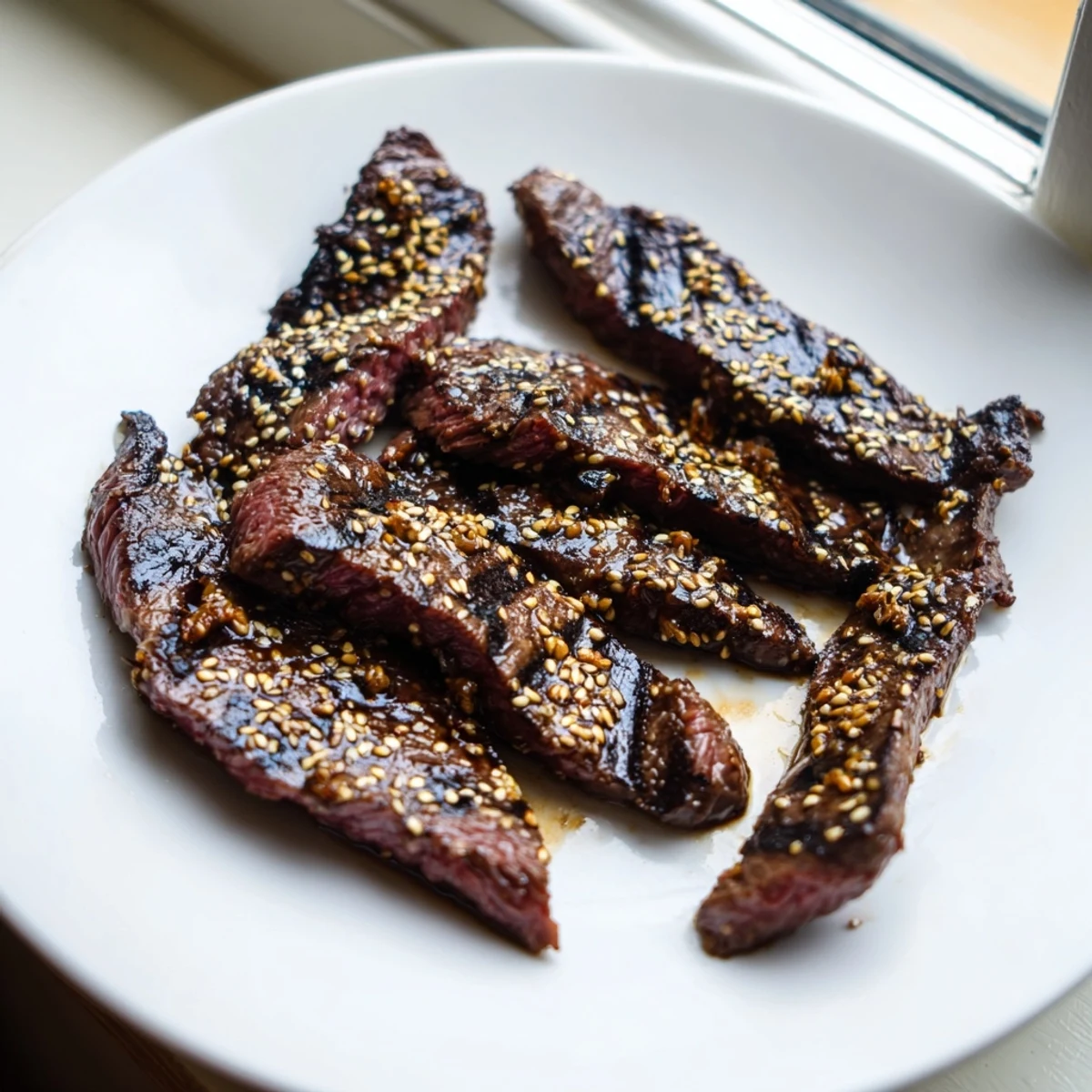
 Experience the authentic flavors of Japanese barbecue with tender beef slices marinated in a savory-sweet soy-based sauce. This quick-grilling dish delivers perfectly caramelized meat alongside charred vegetables, all served over steaming white rice. The preparation comes together in just 25 minutes, making it ideal for weeknight dinners or casual gatherings.
The marinade combines soy sauce, mirin, sake, and aromatic garlic with ginger for that distinct umami profile characteristic of Japanese cuisine. Thin ribeye or sirloin slices cook rapidly over high heat, developing a beautiful caramelized exterior while remaining tender inside.
The aroma of sizzling meat and caramelized sauce still takes me back to that tiny izakaya in Tokyo where I first watched the chef flip thinly sliced beef on a smoking grill. He moved with such practiced ease, turning each piece at just the right moment while diners leaned in over their beers. That night I learned that yakiniku is not just about the food, it is about the shared experience of cooking together at the table.
Last summer my friends came over skeptical about cooking their own dinner, but something magical happened once the grill pan started heating up. Pretty soon everyone was crowded around the stove, tongs in hand, debating whose beef slice had the best sear. The kitchen filled with laughter and the rich smell of sesame and garlic, and nobody wanted to sit down at the actual table.
Ingredients
- 500 g ribeye or sirloin beef, thinly sliced: Ribeye gives you those beautiful pockets of fat that render down and become incredibly flavorful
- 3 tbsp soy sauce: Use a good quality Japanese soy sauce for that deep, authentic umami flavor
- 2 tbsp mirin: This sweet rice wine is essential for getting that glossy finish on the meat
- 1 tbsp sake: Adds a subtle depth that you will miss if you skip it
- 1 tbsp sugar: Helps with caramelization and balances the salty soy sauce
- 1.5 tbsp sesame oil: Toasted sesame oil gives you that wonderful nutty aroma
- 2 garlic cloves, minced: Fresh garlic makes such a difference here
- 1 tsp ginger, grated: Grating releases more of the gingery oils than chopping
- 1 tbsp toasted sesame seeds: Toast them yourself in a dry pan for extra fragrance
- 1 green onion, finely sliced: These add a fresh bite that cuts through the rich meat
- 1 small onion, sliced: Grilled onions become sweet and smoky on the grill
- 1 bell pepper, sliced: The charred edges are the best part
- 100 g shiitake mushrooms, sliced: They get these incredible crispy edges when grilled
- 1 zucchini, sliced: Soaks up the marinade beautifully
- Cooked white rice: You need something to soak up all those delicious juices
Instructions
- Make the magic sauce:
- Whisk together soy sauce, mirin, sake, sugar, sesame oil, garlic, ginger, and half the sesame seeds until the sugar dissolves completely.
- Marinate the beef:
- Toss the sliced beef in the marinade, making sure every piece gets coated, and let it sit for at least 10 minutes while you prep the vegetables.
- Prep your grill pan:
- Get a grill pan or cast iron skillet screaming hot over high heat until you see wisps of smoke rising.
- Grill like a pro:
- Cook the beef slices for just 1 to 2 minutes per side until you get gorgeous caramelized edges but the meat stays tender and juicy.
- Add the vegetables:
- Throw the vegetables on the grill alongside the meat, turning them until they are charred in spots and tender.
- Bring it all together:
- Pile everything onto plates with steaming rice and sprinkle with the remaining sesame seeds and sliced green onions.
 Save to Pinterest
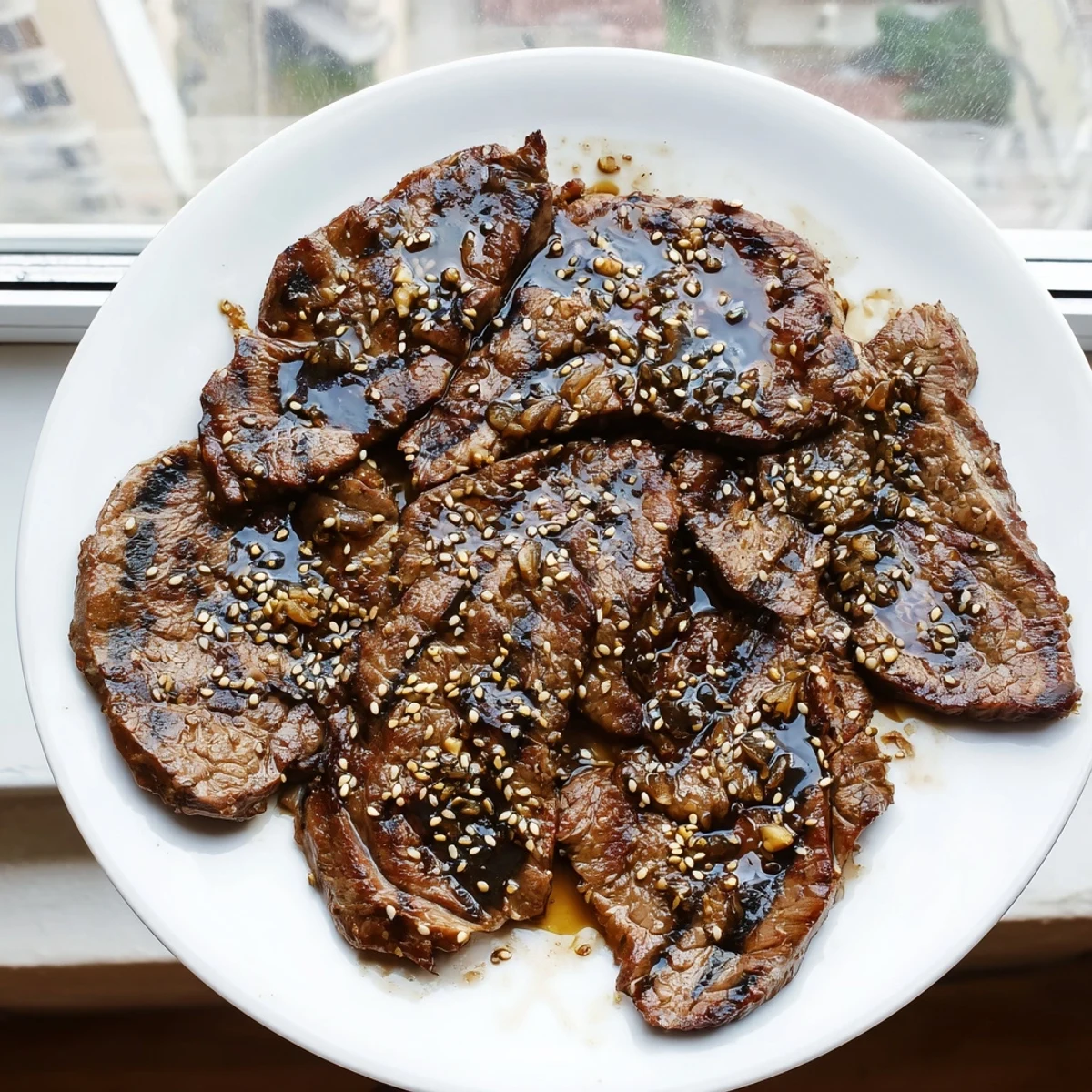
 There is something about standing around the grill together that turns a regular Tuesday dinner into a little celebration. My kids now request this weekly and have started developing very strong opinions about who gets the most perfectly charred zucchini slices.
Getting The Right Beef Slice
Ask your butcher to slice the beef paper thin for you, or pop it in the freezer for 20 minutes to make it easier to cut at home. The thin slices are what make this dish work so well, so take your time getting them right.
Building Your Marinade
Make sure to grate the ginger rather than mincing it so you get all that flavorful juice without any fibrous bits. The sugar in the marinade is what creates those beautiful caramelized spots on the meat.
Perfecting The Grill
A cast iron skillet or grill pan needs to be properly hot before the meat hits the surface. You should see a tiny wisp of smoke when you hold your hand above it.
- Do not flip the meat too early, let it develop a crust first
- Keep a spray bottle of water handy to tame flare ups
- Let the grill pan get hot again between batches
 Save to Pinterest
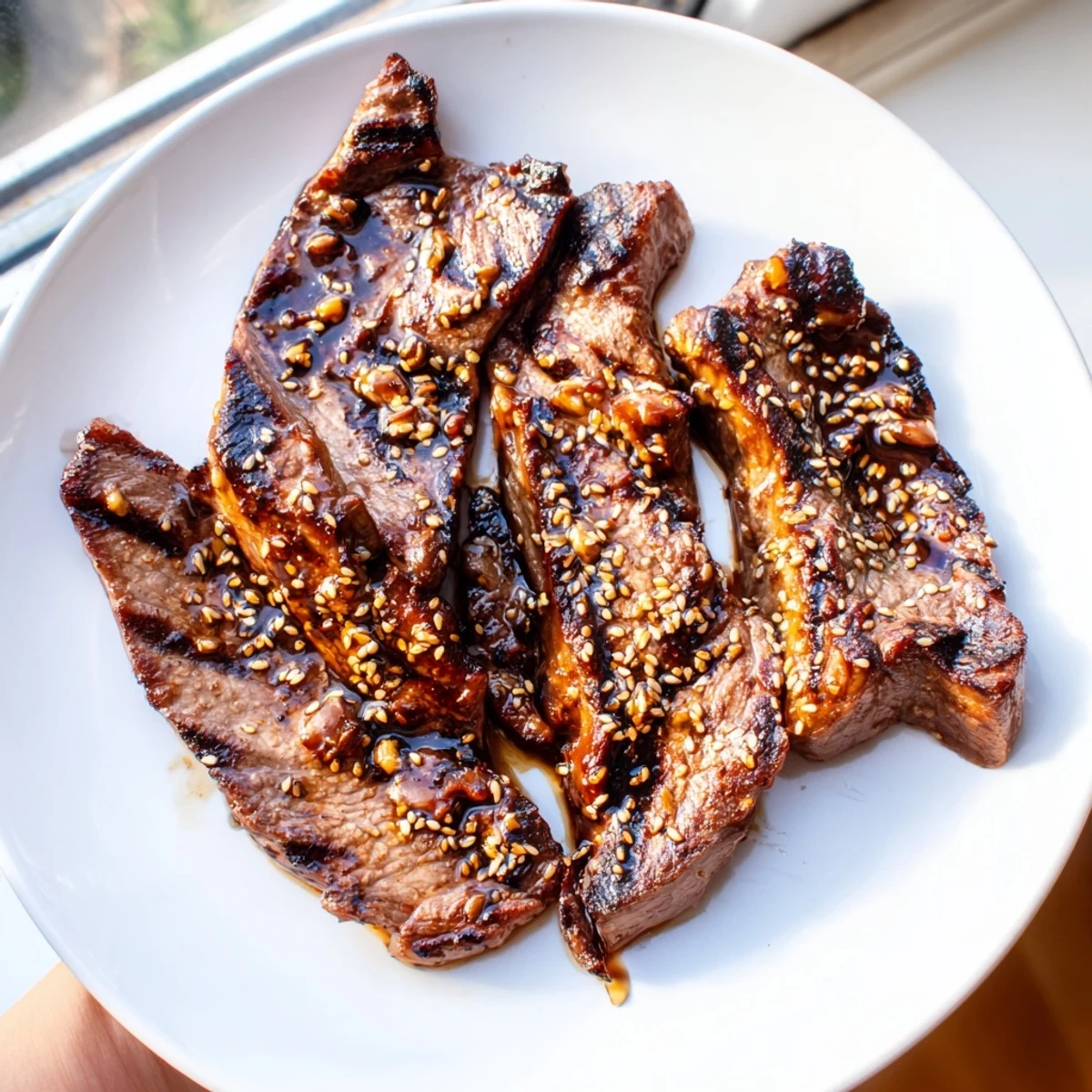
 There is nothing quite like the sound of beef hitting a hot grill and the smell of sesame filling the kitchen to bring everyone running. This is the kind of meal that turns strangers into friends and makes regular weeknights feel special.
Recipe FAQs
- → What cut of beef works best for yakiniku?
-
Ribeye and sirloin are excellent choices due to their marbling and tenderness. Slice the beef as thinly as possible against the grain for the most tender results. Your local butcher can often slice the meat for you if you ask.
- → How long should I marinate the beef?
-
Minimum 10 minutes for basic flavor absorption, but extending up to 1 hour yields more intense taste. The beef shouldn't marinate longer than 2 hours as the soy sauce can affect texture if left too long.
- → Can I prepare this without a grill?
-
A cast-iron skillet or heavy-bottomed pan over high heat works beautifully. The key is maintaining high temperature to achieve proper caramelization on the beef slices quickly.
- → What vegetables complement this dish?
-
Onions, bell peppers, shiitake mushrooms, and zucchini are traditional choices. These vegetables hold up well to high-heat grilling and pair naturally with the savory marinade flavors.
- → Is this dish suitable for meal prep?
-
The marinade can be prepared ahead and stored in the refrigerator. However, yakiniku tastes best when freshly grilled, as the texture and caramelization are optimal immediately after cooking.