
 Save to Pinterest
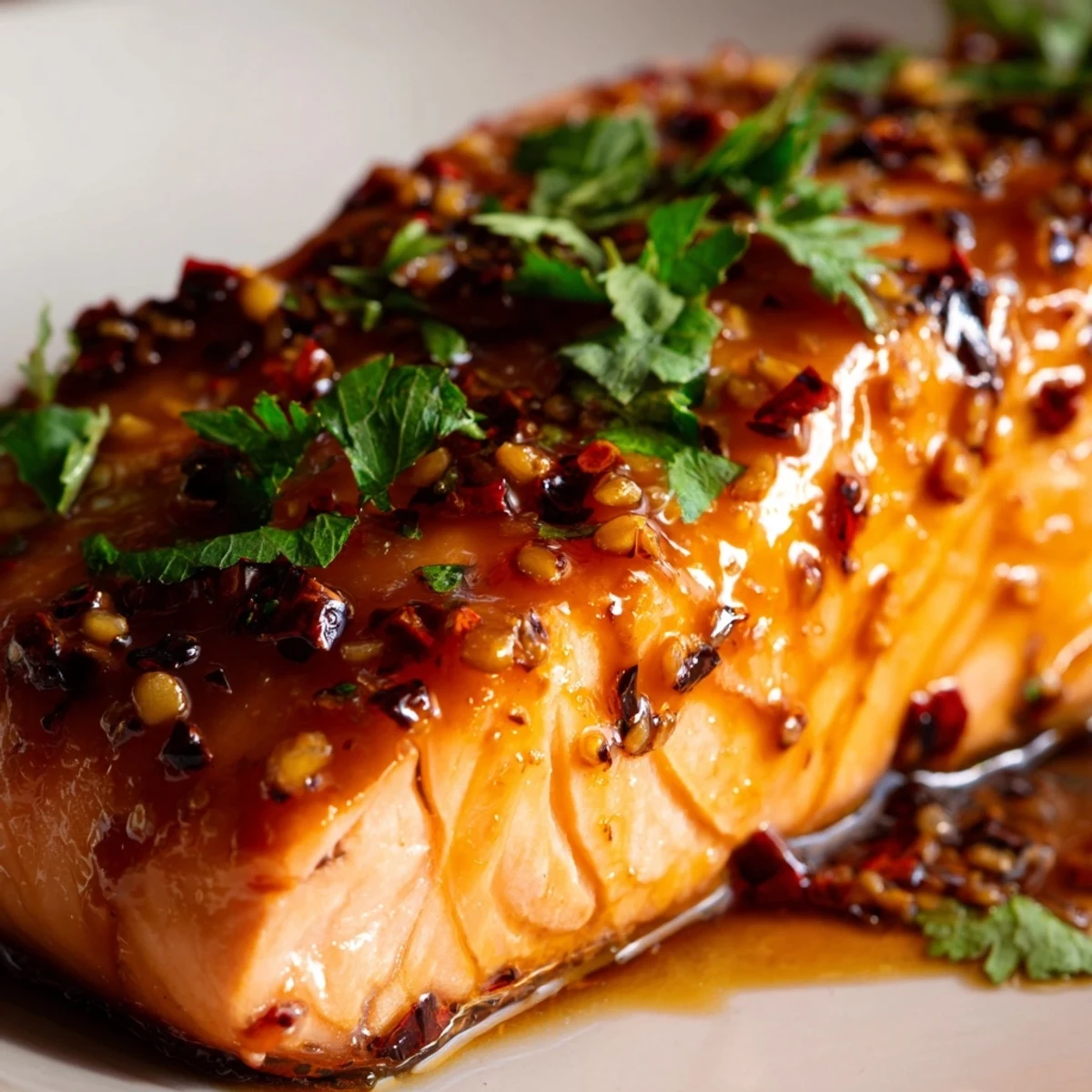
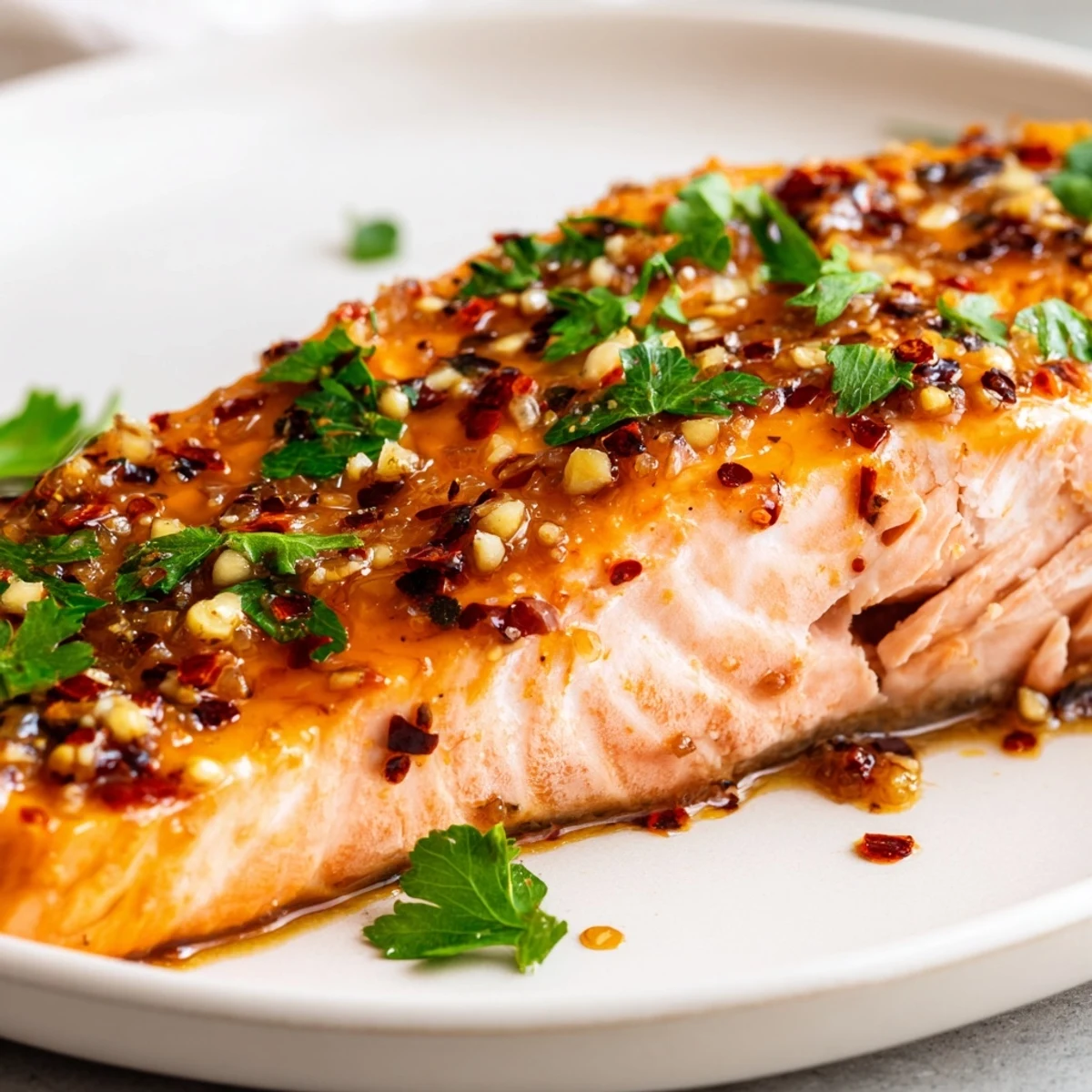
 Enjoy perfectly cooked salmon fillets baked in the oven and coated with a luscious honey garlic glaze. Combining the sweetness of honey with the savory depth of soy sauce, garlic, and a subtle hint of lemon and mustard, this dish offers a pleasant balance of flavors. Quick to prepare and easy to bake, it's ideal for a wholesome, satisfying meal. Garnish with fresh parsley and lemon wedges for added brightness. Optional broiling at the end gives a caramelized finish. Great paired with steamed rice or roasted vegetables.
There's something about baked salmon that makes even a rushed Tuesday feel special. I discovered this honey garlic glaze years ago when I had nothing but pantry staples and a piece of fish that needed rescuing, and somehow it became the recipe I reach for whenever I want something that tastes far more impressive than the fifteen minutes it takes to make it.
I made this for a friend who claimed she didn't like fish, and she scraped her plate clean while we talked on the kitchen island, the honey glaze practically glowing under the kitchen lights. That was the moment I stopped apologizing for simple recipes and started celebrating them instead.
Ingredients
- Salmon fillets (6 oz each): Look for fillets that are the same thickness so they cook evenly, and don't be shy about asking your fishmonger for help choosing—they know which ones were caught that morning.
- Olive oil: Just enough to coat the pan and help the salmon release beautifully; it also carries the flavors of the glaze into every bite.
- Honey: The sweetness mellows the soy sauce and gives the glaze that sticky, caramelized finish that makes people think you spent hours in the kitchen.
- Soy sauce: Use tamari if gluten matters to you, and don't skip the quality here—it's one of only a handful of ingredients doing the heavy lifting.
- Garlic, minced fresh: This isn't the time for jarred garlic; fresh cloves mince in seconds and taste entirely different.
- Lemon juice: It cuts through the richness and keeps everything bright, almost like a chord that makes the whole dish sing.
- Dijon mustard: A small spoonful adds depth and a tiny bit of structure to the glaze that you can't quite name but absolutely notice.
- Red pepper flakes: Optional, but a quarter teaspoon creates a subtle heat that builds as you eat, rather than announcing itself loudly.
- Fresh parsley: The green garnish isn't just for looks—it adds a fresh note that makes you taste all the other flavors more clearly.
Instructions
- Heat your oven:
- Set it to 400°F and let it warm while you prep everything else. A fully preheated oven means your salmon starts cooking the moment it goes in, sealing in the moisture.
- Prep your salmon:
- Pat the fillets dry with paper towels—this is the tiny step that makes the difference between steamed and beautifully cooked. Arrange them on a parchment-lined sheet, brush with olive oil, and season generously with salt and pepper.
- Make the glaze:
- Whisk honey, soy sauce, minced garlic, lemon juice, mustard, and red pepper flakes together in a small bowl until the honey dissolves into the other ingredients. The mixture should look glossy and smell almost intoxicating.
- First glaze layer:
- Spoon or brush half the glaze over each fillet, being generous but not wasteful. This layer gets baked into the fish, creating a sticky foundation for what comes next.
- Bake:
- Slide the salmon into the oven for 12 to 15 minutes, watching as it goes from translucent to opaque. You'll know it's done when the flesh flakes easily with a fork and the thickest part is no longer translucent at the center.
- Final glaze:
- Remove the salmon from the oven and brush the remaining glaze over each fillet while everything is still warm. The residual heat helps the glaze stick and deepens its flavor.
- Finish and serve:
- Scatter fresh parsley over the top and squeeze lemon wedges over everything just before eating. The acidity wakes up all the flavors one last time.
 Save to Pinterest
 There's a moment right when the salmon comes out of the oven where the kitchen fills with this golden honey-garlic smell that makes everyone suddenly appear in the kitchen, even people who swear they're not hungry. That's when you know you've made something real.
What Makes This Glaze Special
The magic here is that you're building layers of flavor rather than just coating the fish. The honey caramelizes slightly during baking, the soy sauce deepens and becomes almost savory-sweet, and the garlic mellows into something that tastes more refined than raw. The lemon juice and mustard act as a kind of invisible hand, balancing everything so nothing overwhelms.
Serving Ideas That Work
Steamed rice beneath the salmon soaks up every drop of the glaze, which feels like the whole point. Roasted vegetables—anything from asparagus to carrots—taste better when they're finished alongside something this flavorful. A simple green salad cuts through the richness if you want something lighter on the side, though honestly the salmon is rich and bright enough to stand alone.
Small Variations That Cost Nothing
Maple syrup swaps in perfectly for the honey if that's what you have, and it brings a deeper note that some people prefer. Ginger works beautifully grated fresh into the glaze, adding warmth without heat. White miso paste—a teaspoon instead of the mustard—creates a more umami-forward version that tastes almost Japanese.
- If you don't have fresh garlic, don't use the jarred kind; just use a tiny bit less soy sauce and accept that you'll miss the brightness.
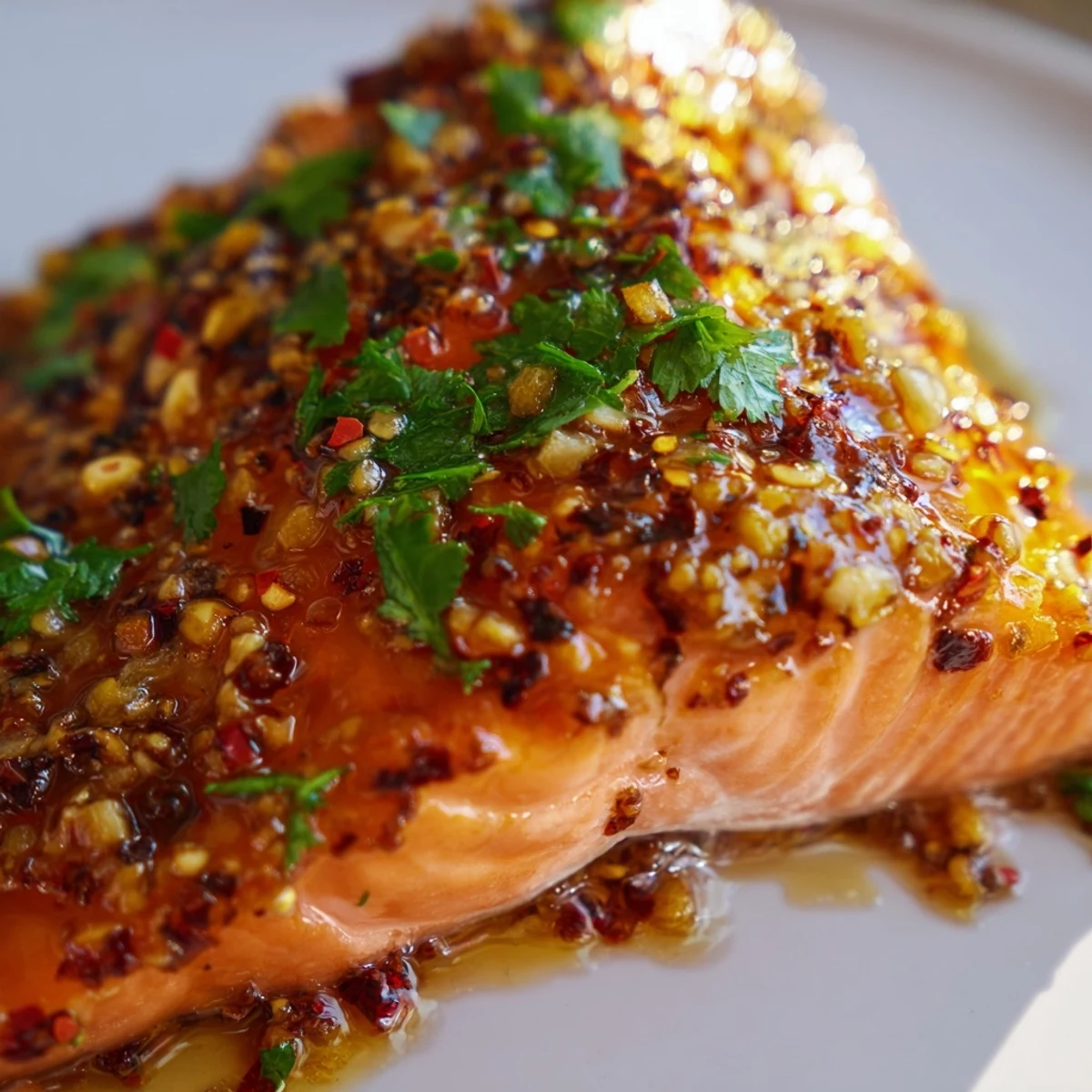
- Broiling at the end isn't just for show—those caramelized edges are where all the best flavor lives.
- Make extra glaze if you're cooking for people who love this sauce as much as they love the fish itself.
 Save to Pinterest
 This recipe proved to me that sometimes the best dinner isn't something you planned for weeks or followed a complicated method to create. It's the thing you throw together on a Tuesday that somehow becomes the meal everyone remembers.
Recipe FAQs
- → What type of salmon is best for baking?
-
Both skin-on and skinless salmon fillets work well for baking. Skin-on helps retain moisture and adds flavor when crisped.
- → How can I make the glaze thicker?
-
Simmer the honey garlic mixture briefly before brushing to reduce and thicken, enhancing its stickiness on the salmon.
- → Can I substitute soy sauce for a gluten-free option?
-
Yes, tamari or a gluten-free soy sauce variant works perfectly to maintain the savory taste while avoiding gluten.
- → At what temperature should I bake the salmon?
-
Preheat the oven to 400°F (200°C) for optimal baking, ensuring the salmon cooks evenly and remains tender.
- → How do I achieve a caramelized finish on the salmon?
-
Broil the fillets for the last 1–2 minutes of cooking to caramelize the glaze and develop a slightly crisp texture.
- → What side dishes pair well with this dish?
-
Steamed rice, roasted vegetables, or a fresh salad complement the flavors and create a balanced meal.