
 Save to Pinterest
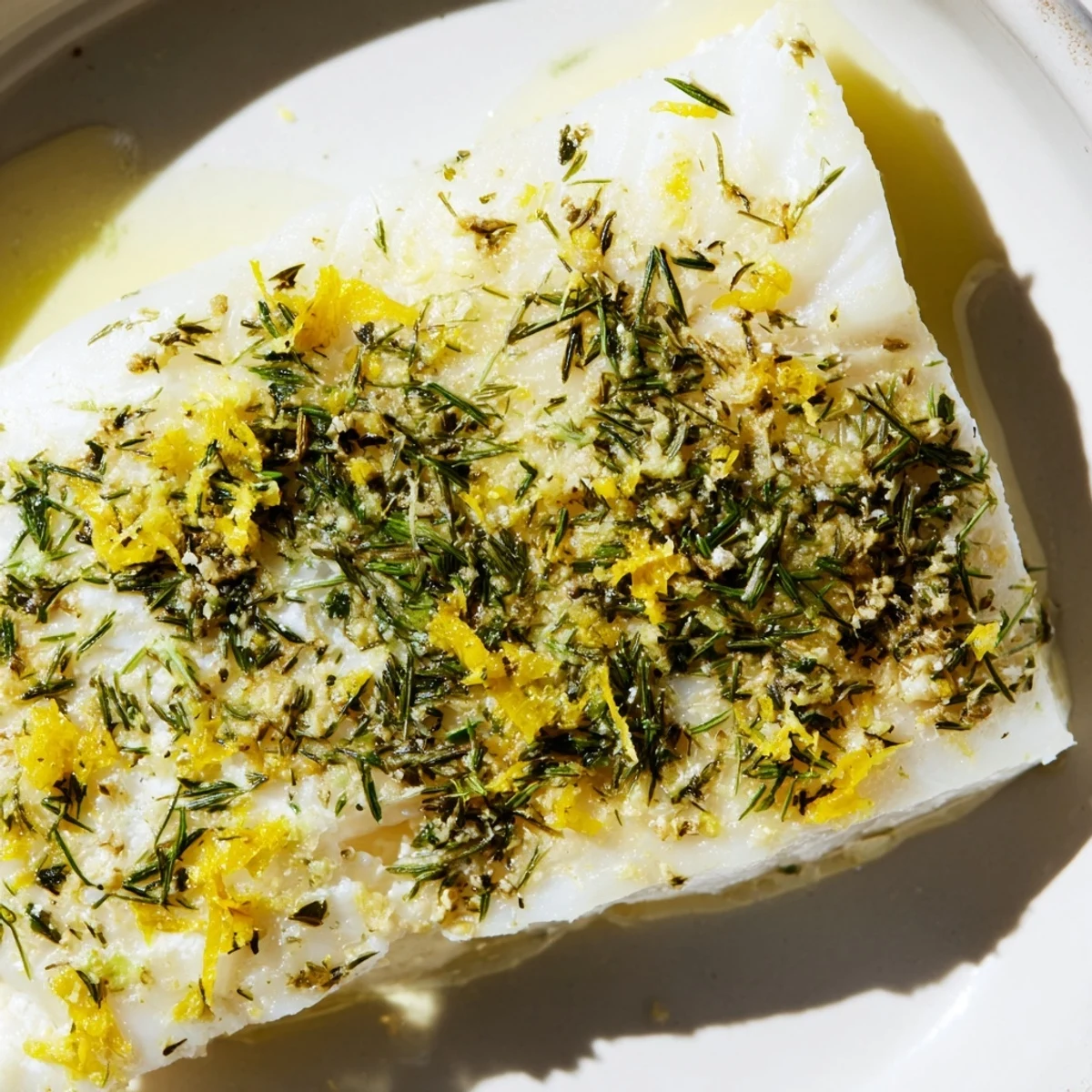
 This dish showcases tender halibut fillets baked until flaky and juicy, enhanced by a vibrant, zesty lemon herb butter. The butter blend combines fresh parsley, dill, thyme, garlic, and lemon zest with melted butter and lemon juice to add bright, herbal notes. Baked at a high temperature for a short time, the fish remains moist and flavorful. It’s easy to prepare and perfect for a light, elegant main course, garnished with lemon wedges and fresh parsley to enhance freshness.
My neighbor handed me a pristine halibut fillet one summer evening, still glistening from the fishmonger's case, and I froze. I'd never cooked halibut before, worried I'd ruin something so delicate and expensive. She laughed and said, "Just don't overthink it," which became the best cooking advice I never knew I needed. Twenty minutes later, I pulled a flaky, buttery masterpiece from the oven, and suddenly I understood why she trusted me with it.
I made this for my parents on a random Tuesday, and my dad—a man who complains about everything—asked for the recipe. He's made it four times since then, each time with a slightly different herb combination he's experimenting with. That's when I realized this dish does something special: it makes people feel capable in the kitchen.
Ingredients
- Halibut fillets (4 at 6 oz each): Look for fillets that are bright white and smell like the ocean, not fishy—that fishy smell means it's past its prime.
- Olive oil: Any decent olive oil works, but don't waste your expensive stuff here; the heat will mute its character anyway.
- Salt and black pepper: Season generously and don't be shy; fish needs more seasoning than you think to shine.
- Unsalted butter: Softened butter is crucial because it needs to mix smoothly with the herbs and won't break or separate.
- Garlic (2 cloves, minced): The mincing matters more than you'd expect; larger pieces can turn bitter in the oven's heat.
- Fresh parsley: The backbone of the herb blend, bright and forgiving, it won't overpower anything else.
- Fresh dill: This is where the personality comes in; dill and fish are an old friendship that just works.
- Fresh thyme: Just the leaves, stripped from the stem, adding an earthy note that rounds out the citrus.
- Lemon zest and juice: The zest brings more punch than juice alone, so don't skip it, and always zest before juicing.
Instructions
- Heat your oven and prep your pan:
- Preheat to 400°F and line your baking sheet with parchment paper. This small step means zero scrubbing later and even browning on the bottom of your fish.
- Dry your fish completely:
- Pat each fillet with paper towels until it's truly dry; moisture is the enemy of a good sear and even cooking. This takes 30 seconds and changes everything.
- Oil and season without fear:
- Brush both sides with olive oil and sprinkle salt and pepper generously. The fish will look overseasoned at this point, but trust it.
- Build your herb butter into something special:
- In a small bowl, combine softened butter, minced garlic, parsley, dill, thyme, lemon zest, and lemon juice. Mix until it looks like chunky, fragrant paste, and taste it—it should make you want to eat it straight from the spoon.
- Butter each fillet like you mean it:
- Place fillets on your prepared sheet and spread a generous spoonful of herb butter over each one. Don't be stingy; the butter will melt and seep into the fish as it cooks.
- Bake until the fish speaks to you:
- Slide into the oven for 12 to 15 minutes. The fish is done when it flakes easily with a fork and looks opaque all the way through; overcooked fish is dry fish, so watch it like a hawk the last few minutes.
- Rest and breathe:
- Let the fillets sit for 2 minutes after pulling from the oven. This tiny pause lets the proteins relax and stay tender.
- Plate and finish:
- Transfer to plates while the butter is still melting, add lemon wedges and a sprinkle of fresh parsley, and serve immediately while everything is hot.
 Save to Pinterest
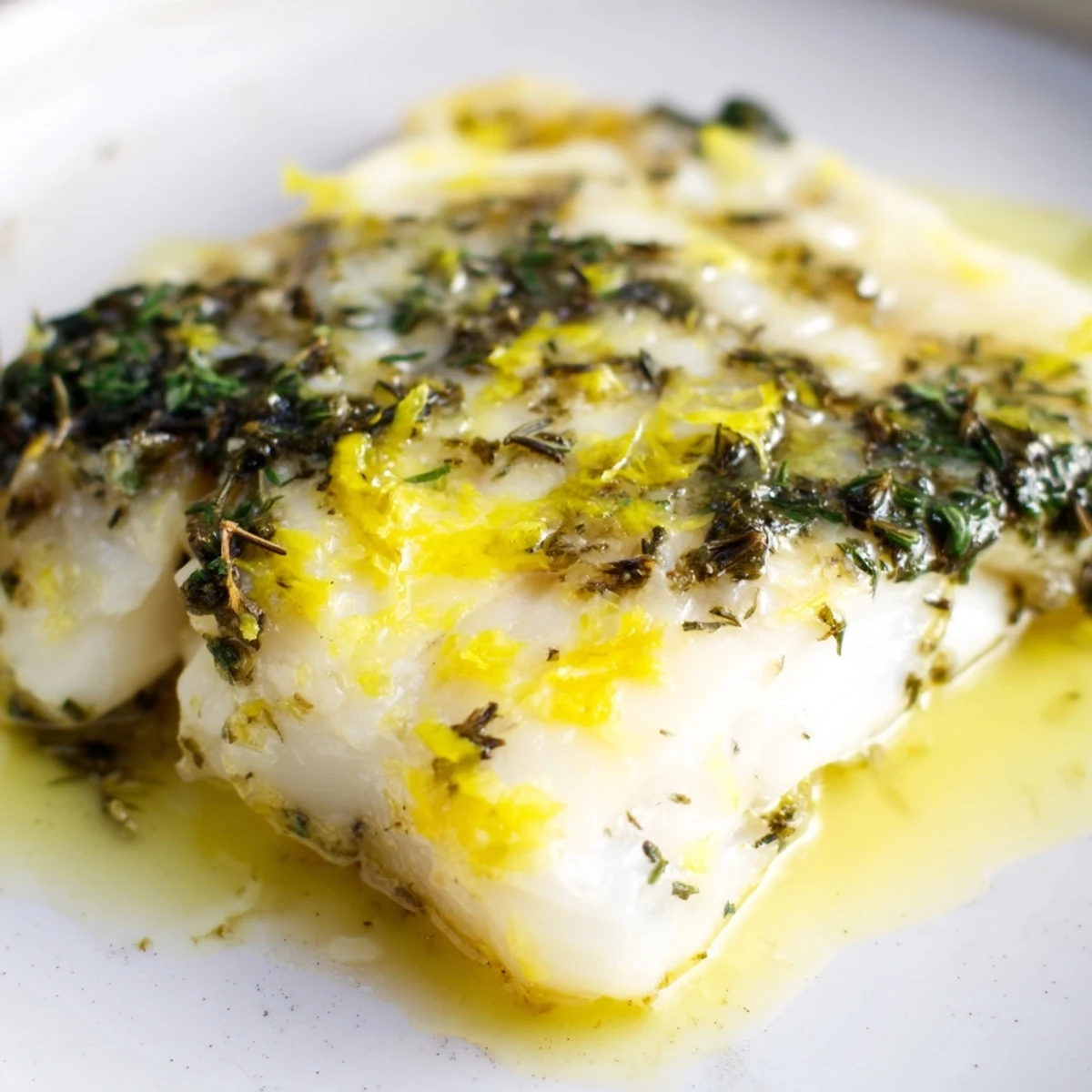
 The moment that butter started to brown and pool around the edges of the fish, filling my kitchen with this incredible lemon-herb fog, I stopped worrying. My partner walked in and just inhaled deeply without saying anything, which told me everything I needed to know.
Why Fresh Herbs Matter Here
Dried herbs would technically work, but they'd turn this dish into something flat and one-dimensional. Fresh herbs have a brightness that plays against the delicate fish, creating layers of flavor that build with every bite. The dill especially—dried dill tastes almost medicinal next to the complexity that fresh brings.
Timing and Temperature
The oven temperature at 400°F is high enough to cook the fish through gently without browning the outside too aggressively, which would dry everything out. The 12 to 15 minute window depends on how thick your fillets are; thinner pieces might need only 12, while chunky ones could want the full 15. A meat thermometer reading 145°F at the center takes the guesswork out entirely if you prefer precision over intuition.
Sides and Pairings
This fish doesn't ask for much because the herb butter and lemon already tell a complete story. A simple salad with a light vinaigrette, roasted asparagus, or buttered potatoes round it out beautifully without competing for attention. Wine-wise, a crisp Sauvignon Blanc or unoaked Chardonnay mirrors the brightness already on your plate.
- Rice pilaf soaks up the butter sauce and turns simple into luxurious.
- A squeeze of extra lemon juice right before eating keeps everything sharp and alive.
- Leftover herb butter can be spooned onto bread or melted over vegetables the next day.
 Save to Pinterest
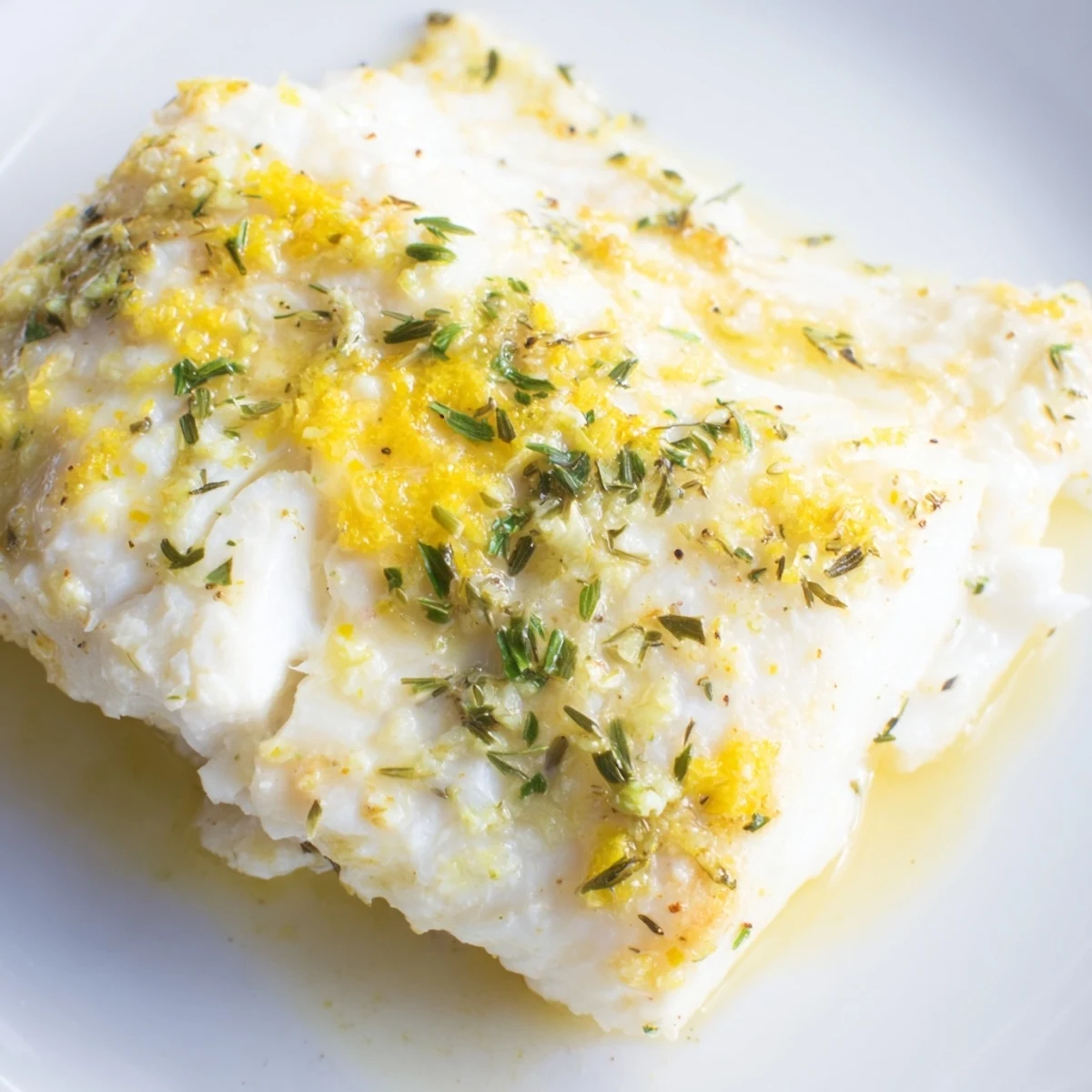
 This dish proves that simplicity and elegance aren't opposites; they're the same thing. Make it for someone you want to impress, or make it for yourself on a night when you deserve something that tastes like care.
Recipe FAQs
- → What type of fish works best as a substitute?
-
Cod or sea bass can be used as alternatives, providing a similarly mild flavor and flaky texture.
- → How do I know when the fish is done baking?
-
The halibut is ready when it flakes easily with a fork and appears opaque throughout.
- → Can I prepare the lemon herb butter in advance?
-
Yes, mixing the lemon herb butter ahead lets flavors meld, enhancing the final dish.
- → What wine pairs well with this dish?
-
A crisp Sauvignon Blanc or buttery Chardonnay complements the citrus and herbs perfectly.
- → Is it necessary to remove the skin from the fillets?
-
Skinless fillets are recommended for even cooking and to fully enjoy the delicate flavors of the butter topping.
- → Can I add some heat to this dish?
-
Sprinkling red pepper flakes before baking adds a pleasant spicy kick without overpowering the flavors.