
 Save to Pinterest
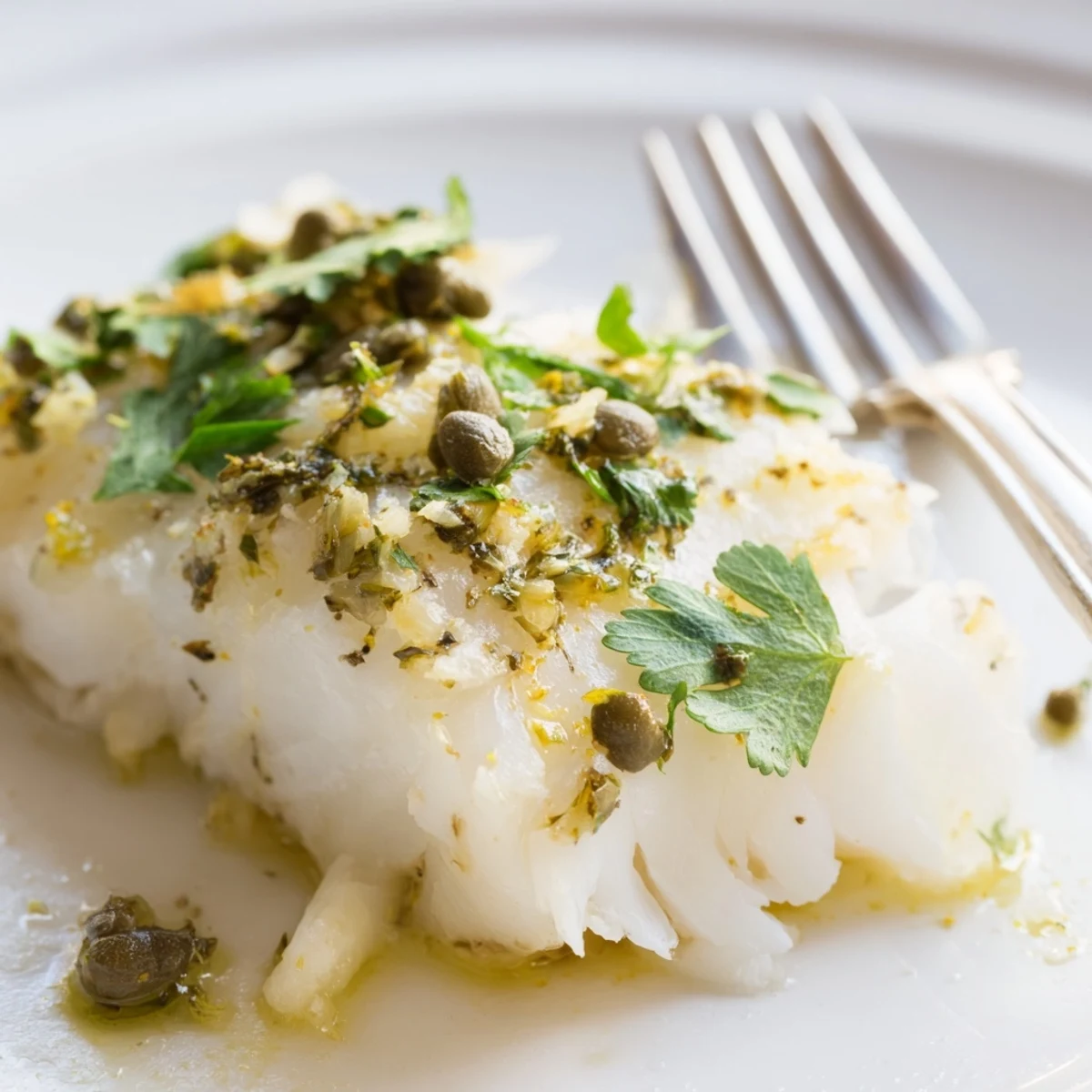
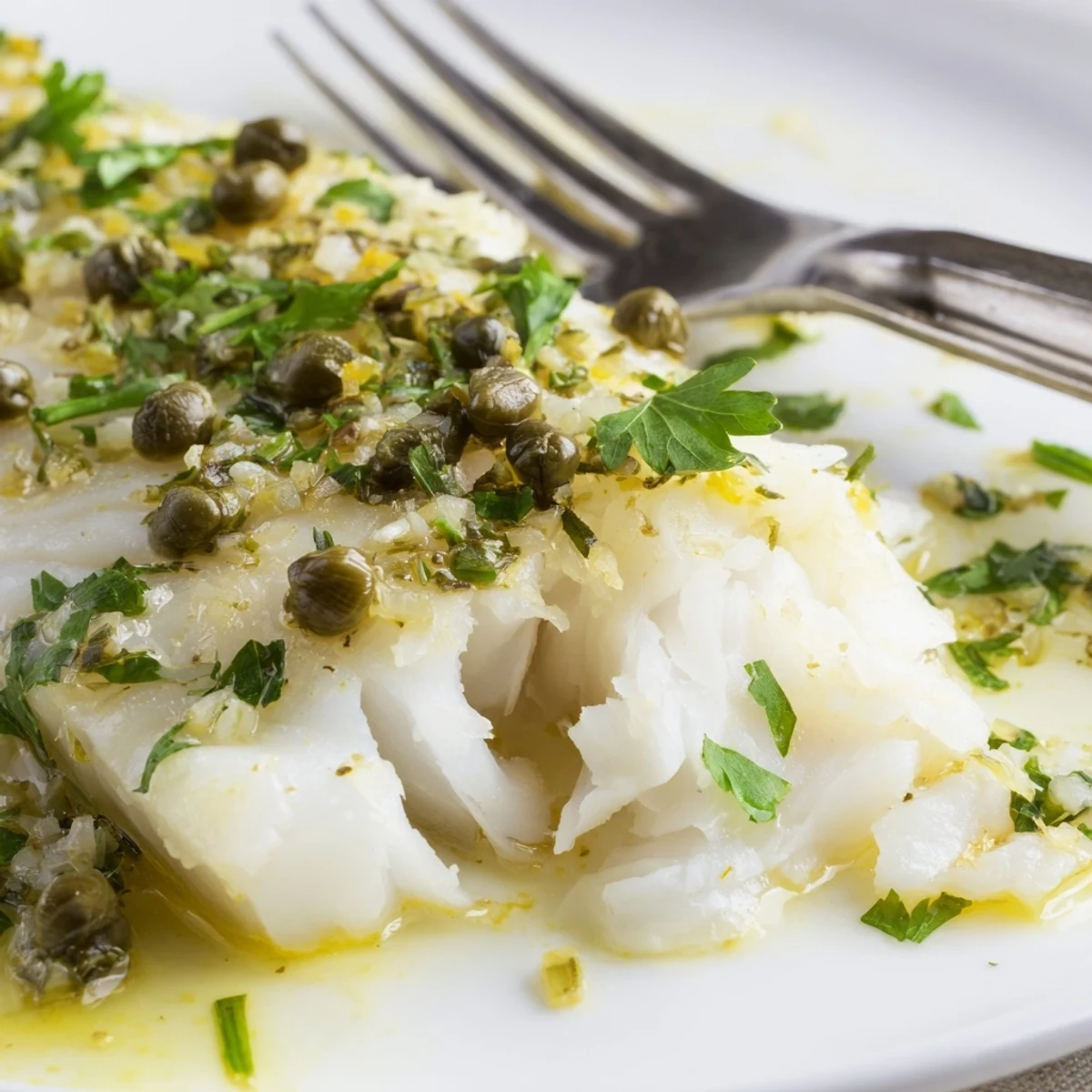
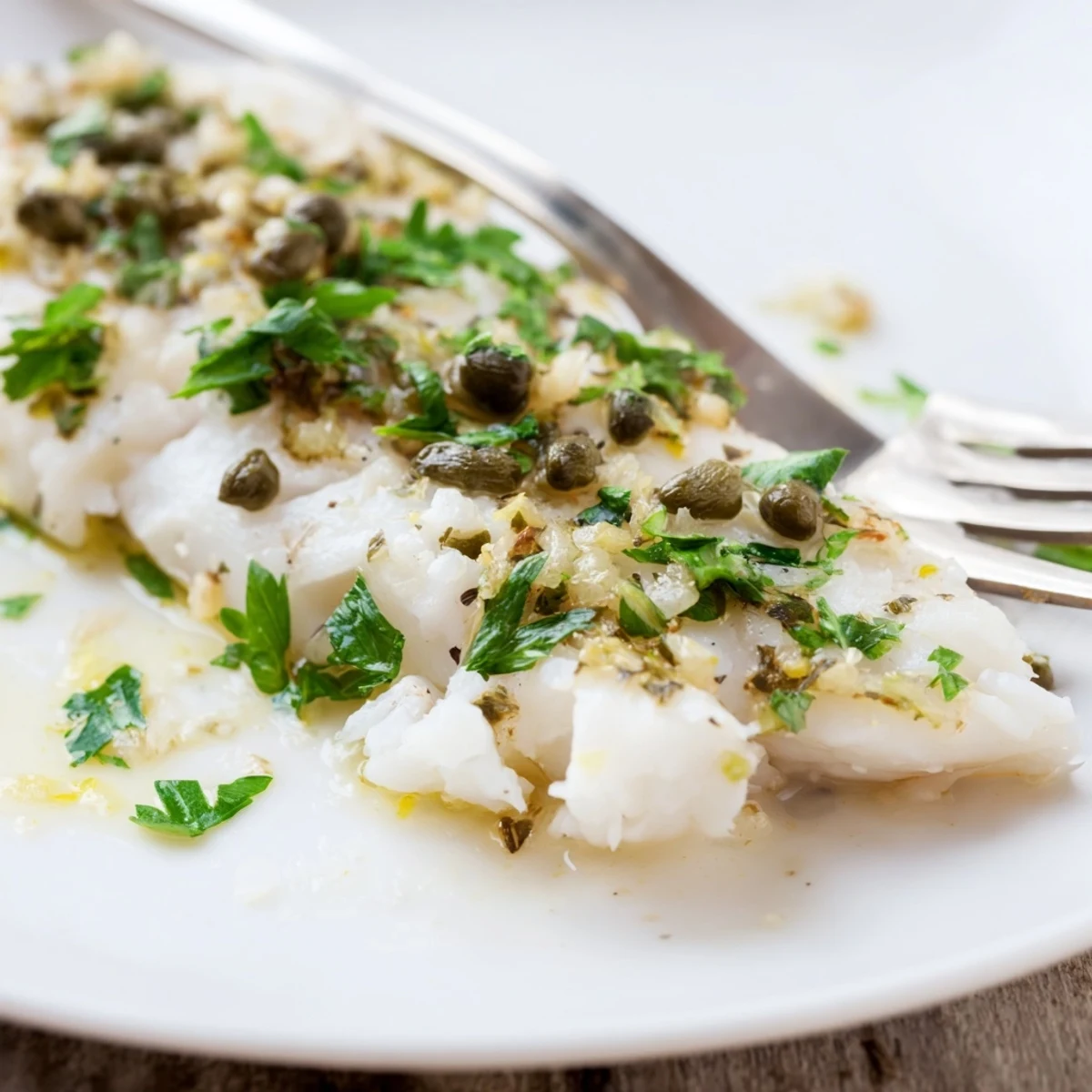
 This dish features tender haddock fillets baked to perfection with a zesty blend of lemon juice, lemon zest, and capers. Garlic and fresh parsley add aromatic freshness while olive oil keeps the fillets moist and flavorful. Ready in under 30 minutes, it offers a light, flavorful seafood experience perfect for a nutritious, easy meal. The fish flakes easily when done and pairs wonderfully with steamed vegetables or roasted potatoes. Optional garnishes like lemon slices add brightness to every bite.
There's something about the smell of lemon zest hitting a hot pan that made me fall in love with cooking fish at home. Years ago, I was intimidated by seafood—convinced I'd overcook it or it would taste fishy—but then a friend brought haddock to a casual dinner and showed me this simple approach. Watching those fillets turn opaque in under twenty minutes felt like a small kitchen victory, and now it's my go-to when I want something that tastes impressive but doesn't demand much fussing.
I made this for my mom on a random Tuesday when she was stressed about work, and she sat down mid-bite and just closed her eyes for a moment. The kitchen was quiet except for the clink of her fork, and that's when I realized this dish had a gift—it made people slow down without making them think twice about it. That's been true every time since.
Ingredients
- Haddock fillets (4, about 6 ounces each): Haddock's delicate, slightly sweet flesh won't stand up to aggressive cooking, so look for fillets that are roughly the same thickness so they cook evenly together.
- Freshly squeezed lemon juice (2 tablespoons) and lemon zest (1 tablespoon): The zest carries the bright, fragrant oils that bottled juice can't match—don't skip it or substitute.
- Capers (2 tablespoons, drained): Those little briny bursts cut through the richness of the olive oil and fish, creating an instant flavor balance.
- Garlic (2 cloves, minced): Mince it small so it gets gentle enough in the oven instead of turning sharp or bitter.
- Fresh parsley (2 tablespoons, chopped): Add half during cooking and reserve the other half to scatter on top for that fresh-from-the-garden moment.
- Sea salt (1 teaspoon) and black pepper (½ teaspoon): Season generously but remember the capers already bring saltiness, so taste before adding more at the end.
- Olive oil (3 tablespoons): This carries all the other flavors right into the fish, so use your better bottle if you have it.
- Lemon slices (optional garnish): They look beautiful plated and offer a little extra brightness if someone wants it.
Instructions
- Get your oven ready:
- Preheat to 400°F and lightly grease a baking dish that fits your fillets in a single layer with a little breathing room. A crowded dish steams the fish instead of gently baking it.
- Prepare the fish:
- Pat the haddock fillets completely dry with paper towels—any excess moisture keeps them from developing a gentle, delicate texture. Arrange them in the dish.
- Make the flavor base:
- Whisk together the olive oil, lemon juice, lemon zest, minced garlic, salt, and pepper in a small bowl until it looks like a loose sauce. The emulsion doesn't need to be perfect; it just needs to coat everything evenly.
- Dress the fish:
- Drizzle that mixture over the fillets, making sure each one gets a fair share of the garlic and lemon zest. This is where the magic happens.
- Add the finishing touches:
- Scatter the drained capers and half the fresh parsley over the top. This is your last chance to season before the oven does its work.
- Bake until tender:
- Slide into the oven for 16 to 18 minutes, watching until the fish is opaque and flakes gently with a fork—don't wait for it to look dried out. Every oven runs a little different, so start checking at the 15-minute mark.
- Finish and serve:
- Pull it out while it's still got a little moisture and scatter the reserved parsley on top. Serve hot with lemon slices on the side if you want.
 Save to Pinterest
 The first time my daughter asked if she could help me make dinner, we made this together, and she was the one who noticed the fish flaking apart on its own. She looked so proud, and I realized she was already learning that good cooking is about paying attention and trusting what you see in front of you, not rushing. We've made it together a hundred times since.
Why Haddock Works Best Here
Haddock has a gentle flavor that doesn't fight with lemon and capers the way stronger fish might—it sits in the background like a quiet friend, letting the bright flavors take the spotlight. Cod works if that's what you have, but haddock's sweeter undertones are what make this dish feel so balanced. If you grab pollock instead, you might want to add an extra teaspoon of lemon juice to keep things from feeling too mild.
Making It Feel Like More
On its own, this is a stunning plate, but it deserves company on the side. Steamed green beans or asparagus pick up the lemon flavors without competing, while a small mound of rice or roasted potatoes gives you something to soak up all those good juices. I've also served it over a bed of wilted spinach, which turns a simple weeknight dinner into something that looks like it took way more effort than it did.
Moments of Grace
There's something quiet and honest about this dish that keeps bringing me back. It never demands much from you, but it always delivers something that feels nourishing and real. Whether you're cooking for yourself, for someone special, or just trying to get dinner on the table after a long day, this haddock reminds you that simple food done with care is all you really need.
- If you have white wine in the kitchen, a splash stirred into the oil mixture adds a subtle depth that makes people wonder what you did differently.
- Leftovers are wonderful cold the next day—flake the fish into a salad or eat it straight from the fridge if nobody's watching.
- Double the recipe without hesitation; it scales beautifully and tastes just as good for a crowd as it does for two.
 Save to Pinterest
 This recipe has been my answer to countless questions: What's for dinner? What do I make for someone I'm trying to impress? How do I get my family to eat more fish? The answer is always the same—something honest and bright that lets the best ingredients do the talking.
Recipe FAQs
- → What types of fish can be used instead of haddock?
-
Cod or pollock can be substituted for haddock with similar results in texture and flavor.
- → Can I add white wine to this preparation?
-
Yes, adding a tablespoon of white wine before baking enhances the flavor with subtle acidity.
- → How do I know when the fish is fully cooked?
-
The fish is done when it flakes easily with a fork and appears opaque throughout.
- → What side dishes complement this fish preparation?
-
Steamed vegetables, rice, or roasted potatoes pair well, balancing the bright and savory flavors.
- → Are there any allergens to be aware of?
-
This dish contains fish and may include capers with cross-contamination risks if store-bought; check labels accordingly.