
 Save to Pinterest
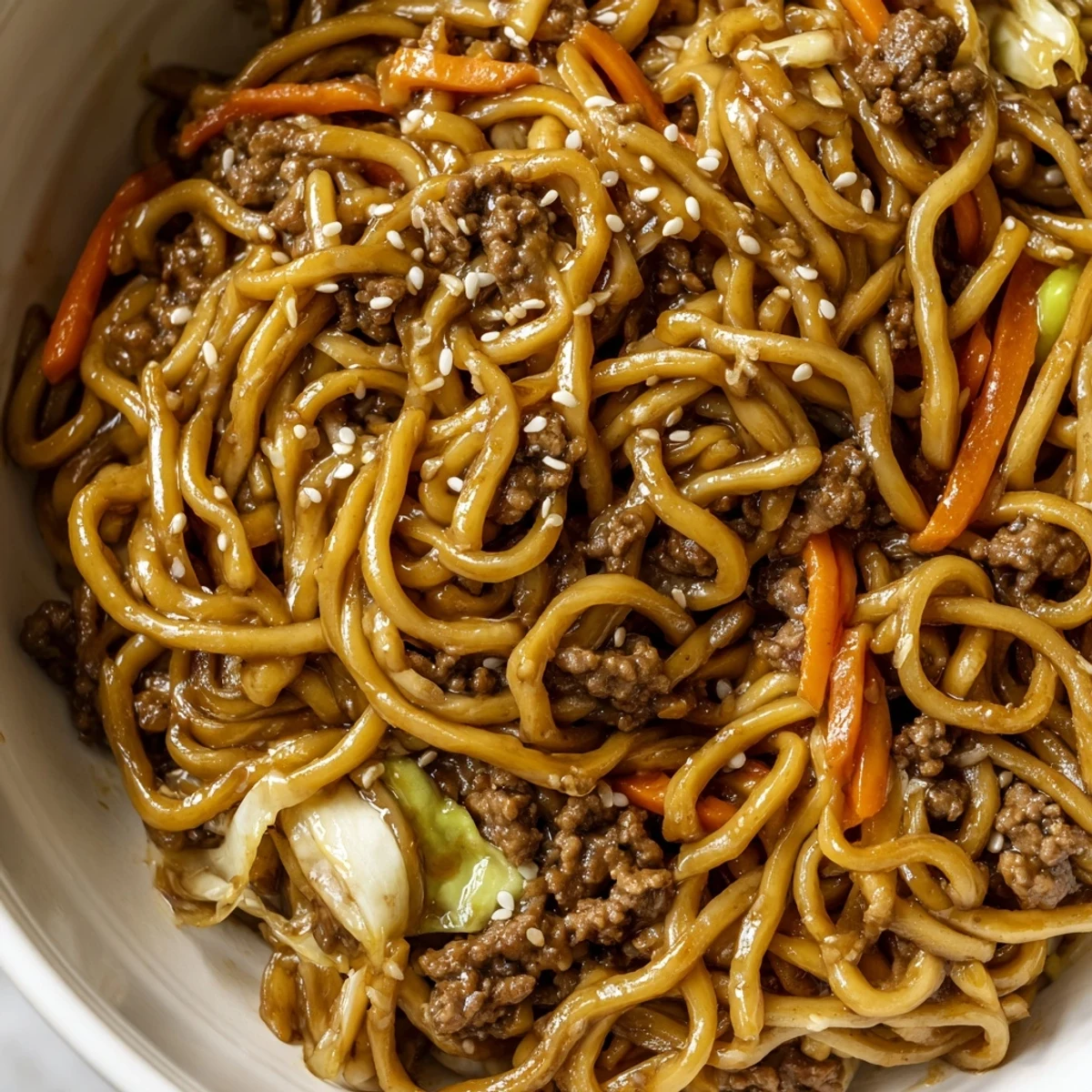
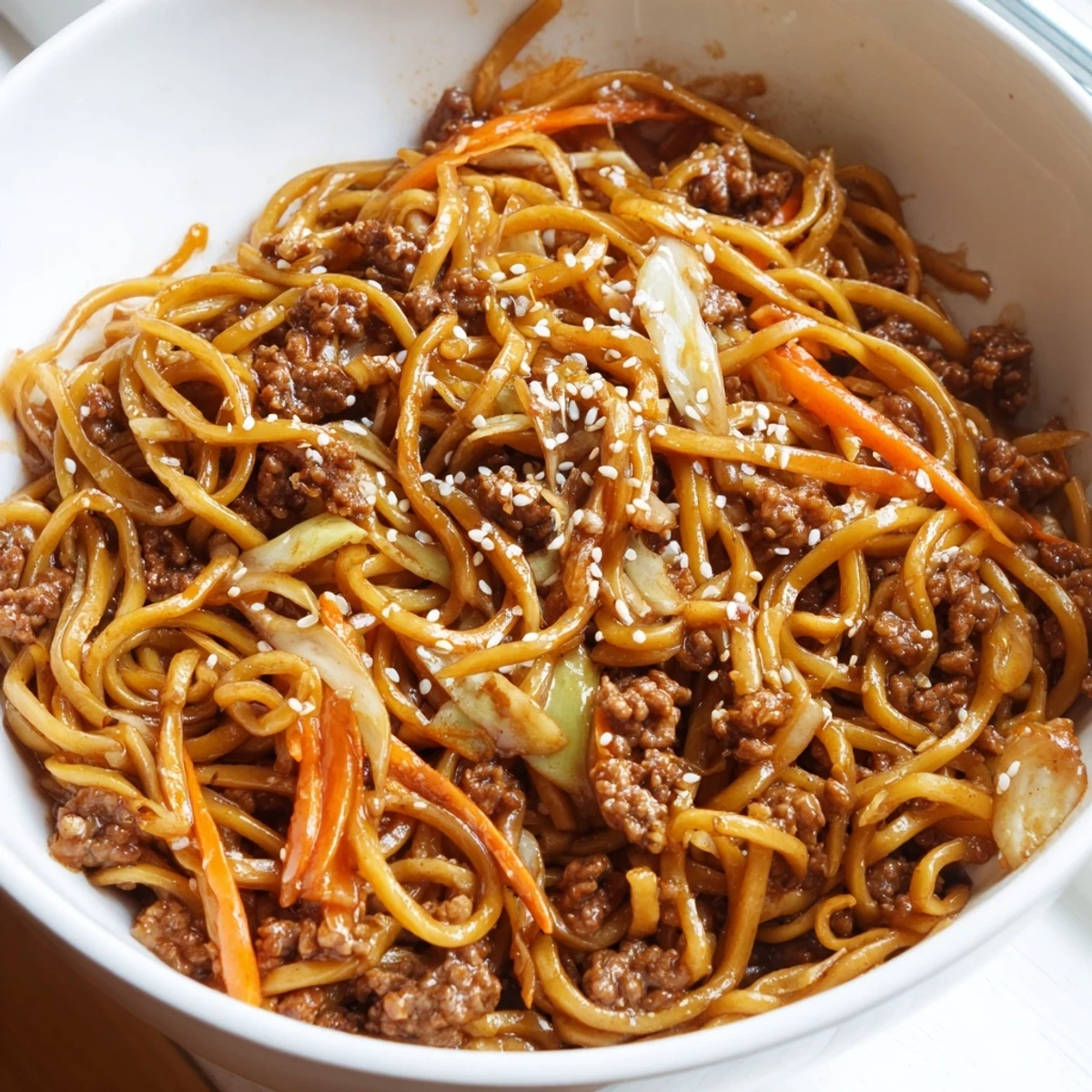
 These savory Asian ground beef noodles combine tender egg noodles with browned ground beef, crisp vegetables, and a rich umami sauce. The dish comes together in just 35 minutes, making it perfect for weeknight dinners. Fresh julienned carrots, bell peppers, and shredded cabbage add crunch and color, while the flavorful sauce blend of soy, oyster, and hoisin delivers that signature Asian taste.
The smell of ginger hitting hot oil still takes me back to my tiny apartment kitchen where I first threw together this dish on a Tuesday night after work. I had ground beef, half a bag of noodles, and some wilting vegetables in the crisper drawer. That first attempt was messy and improvised, but the way the savory sauce coated every strand of noodle made my roommate wander in from the living room asking what smelled so incredible.
Last month my friend Sarah came over exhausted from a 12-hour shift at the hospital. I made these noodles and watched her shoulders actually drop as she took that first bite. She texted me the next day asking for the recipe, saying it was exactly the kind of comfort food she needed but with enough flavor to feel like a treat instead of just fuel.
Ingredients
- Ground beef: Use 85/15 ratio for the best balance of flavor and texture, drain some fat if needed but keep a little for richness
- Egg noodles or ramen noodles: These grab the sauce better than spaghetti, rinse them after cooking to stop them from getting mushy
- Carrot and bell pepper: The sweetness from these vegetables balances the salty sauce perfectly, slice them thin so they cook quickly
- Shredded cabbage: This might seem unusual but it adds wonderful crunch and soaks up all that flavorful sauce
- Garlic and ginger: Fresh is nonnegotiable here, the jarred stuff just does not compare in flavor
- Soy sauce: The backbone of the sauce, low sodium works if you are watching salt but you might need a pinch more
- Oyster sauce: Adds incredible umami depth, find it in the Asian aisle of most grocery stores now
- Hoisin sauce: This brings a subtle sweetness and glossiness that makes the dish look restaurant worthy
- Brown sugar: Just a tablespoon helps round out all the salty elements and encourages caramelization
- Sesame oil: Toasted sesame oil is essential for that nutty finish, add it at the end to preserve the aroma
- Sesame seeds and cilantro: These are not just garnish, they add fresh pops of flavor and texture that brighten everything
Instructions
- Prep the noodles first:
- Cook them according to the package but test them a minute early so they stay slightly firm, then rinse under cold water to stop cooking and prevent sticking
- Mix your sauce:
- Whisk everything together in a small bowl until the sugar dissolves completely, taste and adjust the heat level if you are sensitive to spice
- Brown the beef:
- Get your skillet ripping hot before adding the meat, break it into small pieces as it cooks and let it develop some crispy edges for better texture
- Add the aromatics:
- Toss in the garlic and ginger right after draining excess fat, stir constantly for just one minute so they do not burn but become fragrant
- Cook the vegetables:
- Add the harder vegetables first and keep everything moving, you want them tender crisp not mushy, about 3 to 4 minutes total
- Bring it together:
- Pour in the sauce and let it bubble for a moment to thicken slightly, then add the noodles and toss everything until coated and hot throughout
 Save to Pinterest
 My dad visited last fall and we made this together after he raved about a similar dish at a restaurant. I caught him scraping the serving bowl for the last sauce covered noodles, which is basically the highest compliment he knows how to give.
Making It Your Own
I have swapped ground pork or turkey for the beef when that is what I had on hand, and both work beautifully. Sometimes I throw in snap peas or baby corn when I want more color and crunch.
Sauce Swaps
If you cannot do soy sauce, coconut aminos work as a substitute though the sauce will be slightly sweeter. For a spicy kick, add sriracha or chili garlic paste along with the other sauce ingredients.
Serving Suggestions
This makes fantastic leftovers for lunch the next day, though the noodles will soak up more sauce overnight. I like to serve it with simple steamed broccoli or cucumber slices to cool down the spice.
- Double the sauce if you love really noodles that are heavily coated
- Keep some sliced green onions handy for extra fresh onion flavor on top
- A cold crisp lager or hot green tea pairs perfectly with the savory notes
 Save to Pinterest
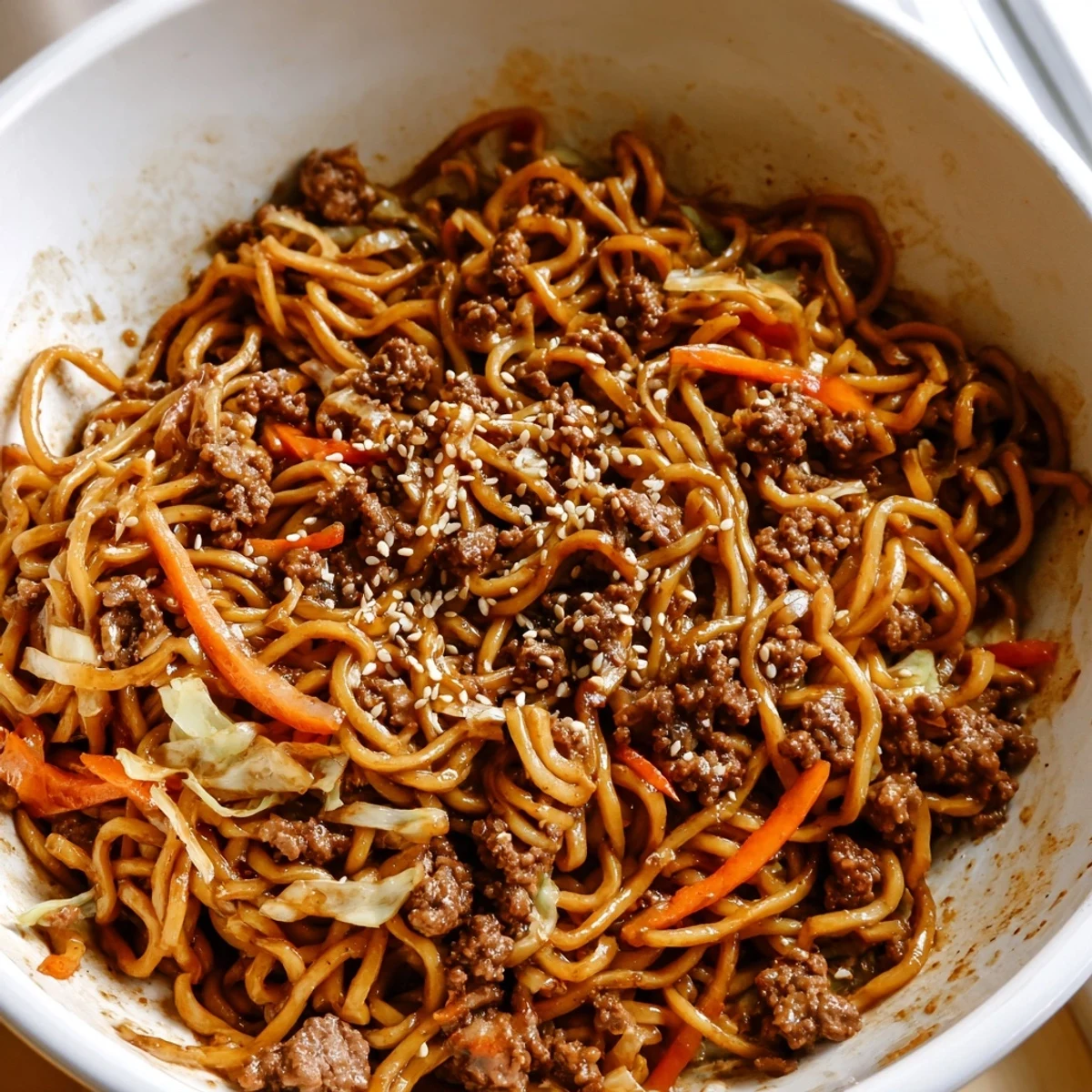
 Thirty-five minutes from start to finish, and you have a bowl of noodles that tastes like it came from your favorite takeout spot but better because you made it yourself.
Recipe FAQs
- → What noodles work best for this dish?
-
Egg noodles or ramen noodles work perfectly, absorbing the savory sauce while maintaining a pleasant chew. You can also use rice noodles, udon, or even spaghetti in a pinch.
- → Can I make this dish spicy?
-
Absolutely. Add crushed red pepper flakes to the sauce or incorporate fresh chili peppers, sriracha, or chili garlic oil during cooking for extra heat.
- → How long does this keep in the refrigerator?
-
Store leftovers in an airtight container for up to 4 days. The noodles may absorb more sauce over time, so add a splash of water or soy sauce when reheating.
- → Can I use ground pork or turkey instead?
-
Yes, ground pork or turkey work well as alternatives. Pork adds extra richness, while turkey makes a lighter version—both pair beautifully with the Asian-inspired sauce.
- → What vegetables can I add?
-
Snap peas, mushrooms, baby corn, broccoli, bok choy, or bean sprouts all complement this dish. Add heartier vegetables earlier and delicate ones near the end.
- → How can I make this gluten-free?
-
Use tamari instead of soy sauce and choose gluten-free noodles like rice noodles or buckwheat soba. Verify that your oyster and hoisin sauces are certified gluten-free.