
 Save to Pinterest
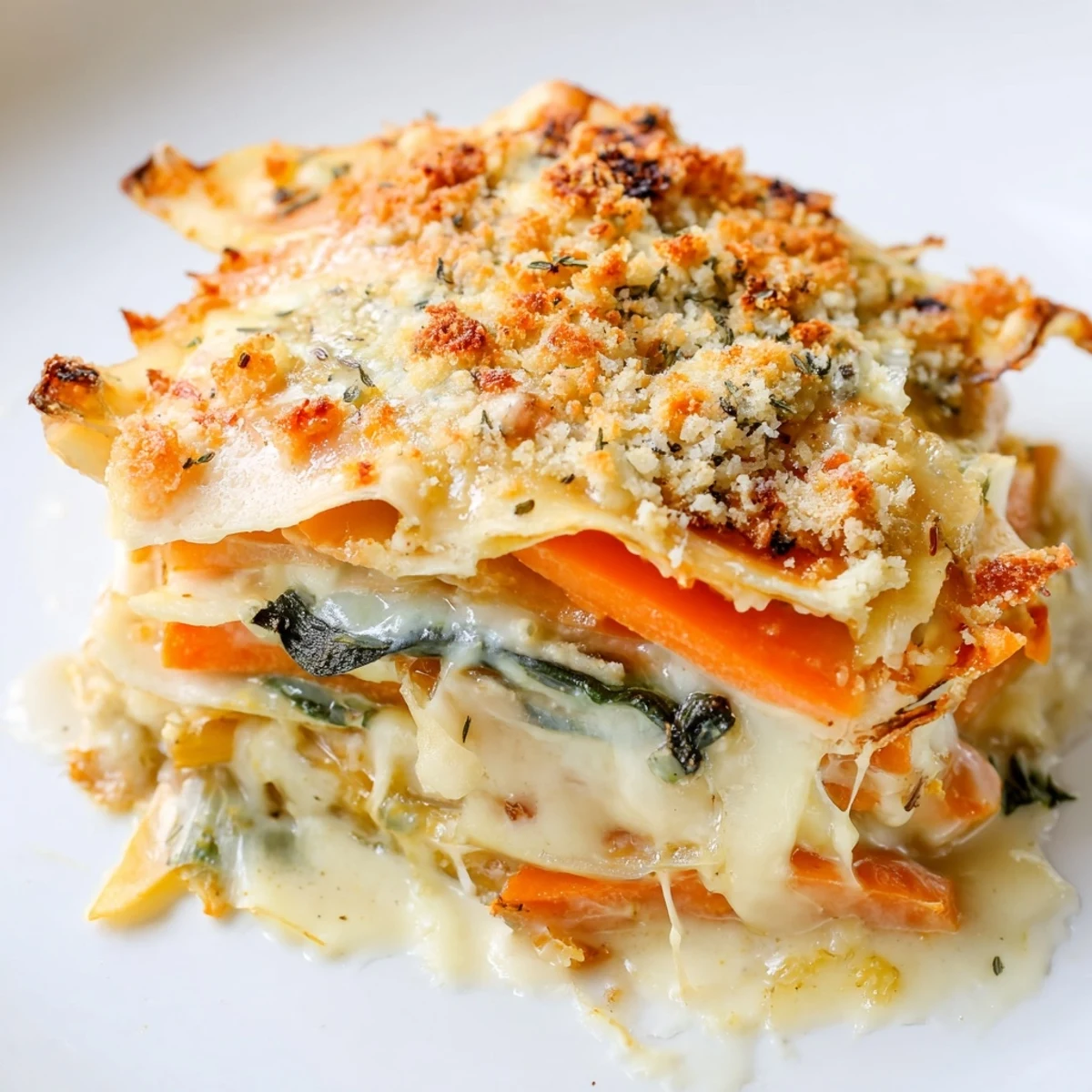
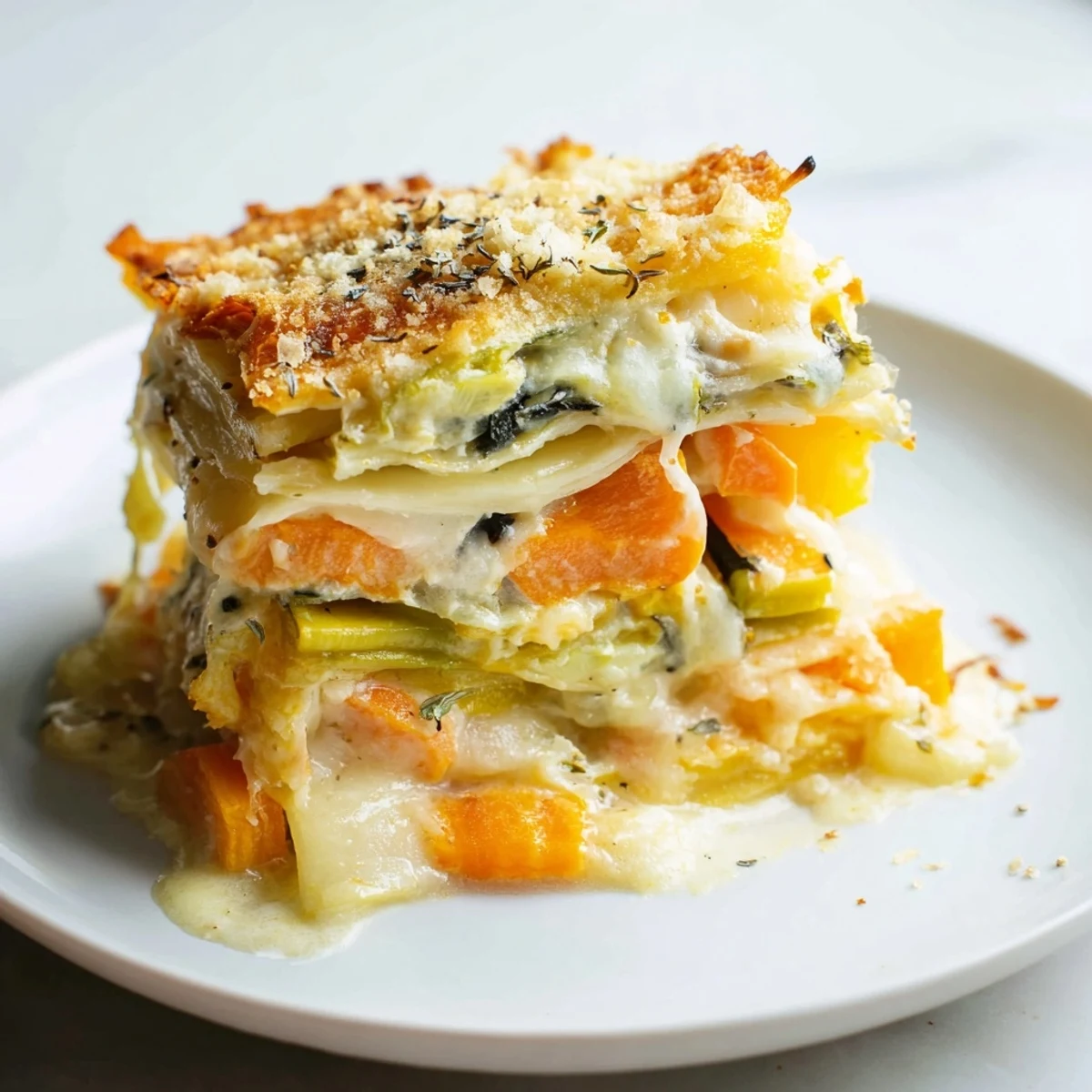
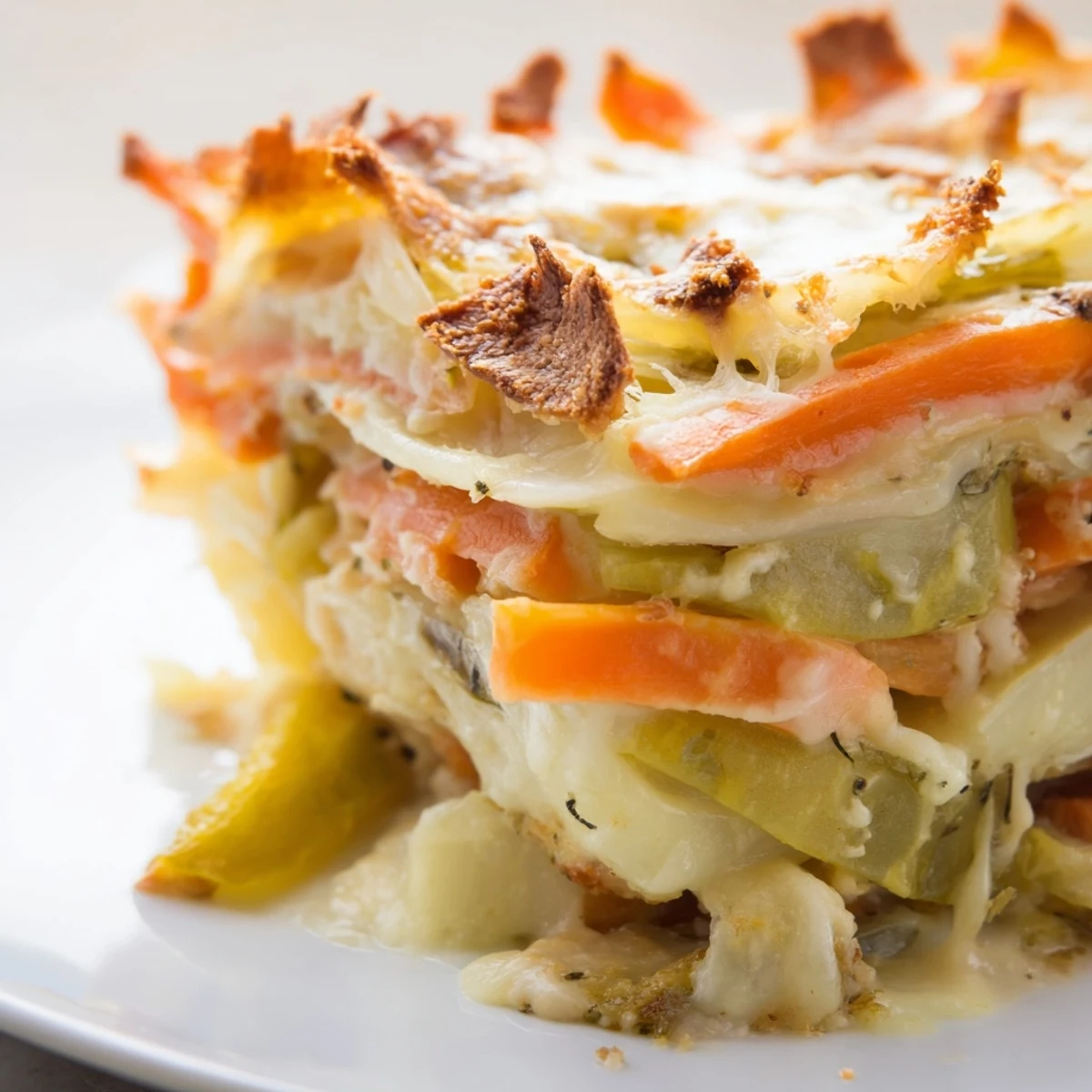
 This gratin layers thinly sliced parsnips, carrots, butternut squash, celery root, and leek with generous amounts of Gruyere cheese. A warm cream mixture infused with garlic, thyme, nutmeg, and seasoning is poured over the vegetables before baking until tender and golden. Finished with a buttery breadcrumb topping, it offers a rich, comforting dish ideal as a side or vegetarian main, emphasizing rustic French flavors and seasonal produce.
There's something about the smell of cream and nutmeg simmering on the stove that instantly transports me to a farmhouse kitchen I've never actually been to. Last November, when the farmers market started feeling sparse, I bought a bundle of parsnips on impulse and realized I'd never cooked them before. That hesitation turned into this gratin, which became the kind of dish you make when you want to turn ordinary root vegetables into something that feels both elegant and deeply comforting.
I served this to friends who arrived complaining about the cold, and by the time they'd eaten two bites, the whole mood shifted. Someone asked if it was restaurant food, which made me laugh because it's just vegetables and cream layered in a dish. That moment taught me that the simplest dishes are sometimes the ones people remember most.
Ingredients
- Parsnips: Their natural sweetness deepens when roasted in cream, becoming almost nutty if you don't rush the baking.
- Carrots: Keep them the same thickness as the parsnips or they'll finish cooking at different times.
- Butternut squash: A small one is key; large ones take forever to peel and their texture becomes watery.
- Celery root: This is the secret weapon that adds an earthy depth no other vegetable quite delivers.
- Leek: Use the pale parts mostly, but don't waste the green—save it for stock.
- Gruyere cheese: Never substitute with pre-shredded; it has anti-caking agents that prevent proper melting.
- Heavy cream and whole milk: The combination creates a sauce that's rich without being cloying.
- Garlic, thyme, and nutmeg: This trio is classic French flavoring; the nutmeg should be grated fresh, not from an old tin.
- Breadcrumb topping: Toasted breadcrumbs add texture that the finished dish absolutely needs.
Instructions
- Set yourself up for success:
- Preheat your oven to 375°F and butter a 9x13-inch dish thoroughly. There's something grounding about preparing your baking vessel first; it makes you feel organized before you even begin.
- Warm the cream base:
- In a saucepan, combine cream, milk, minced garlic, thyme, nutmeg, salt, and pepper over low heat. Let it warm gently for about 5 minutes until wisps of steam rise from the surface, but never let it bubble or boil—the cream will break if it gets too hot.
- Prep and layer your vegetables:
- Toss all your sliced vegetables together in a large bowl so the pieces are loosely combined. Layer half of them into the prepared dish, creating an even base that will cook uniformly.
- Build the cheese layers:
- Sprinkle half the Gruyere over the first vegetable layer, scatter the remaining vegetables on top, then finish with the rest of the cheese. The cheese melts down and creates pockets of flavor throughout.
- Add the cream:
- Pour the warm cream mixture slowly and evenly over everything, making sure it flows into the crevices. The liquid will simmer as the vegetables bake, creating a silky custard-like sauce.
- Make the crispy topping:
- Mix breadcrumbs with melted butter and grated Parmesan in a small bowl, then scatter it evenly over the top. This topping becomes golden and crunchy while the vegetables cook beneath it.
- Bake with strategy:
- Cover loosely with foil and bake for 30 minutes, which lets the vegetables begin softening without the top browning too fast. Remove the foil and bake another 20 minutes until the vegetables are tender and the topping is deeply golden.
- Rest before serving:
- Let the dish sit for 10 minutes out of the oven; this pause lets everything set slightly so each spoonful holds together rather than sliding apart.
 Save to Pinterest
 There was a moment when I pulled this out of the oven and the kitchen filled with that golden-brown smell of baked cheese and caramelized cream that made me understand why people across France have been making variations of this dish for centuries. It's the kind of food that turns a regular Tuesday evening into something that feels like an occasion.
Why This Works as Both Main and Side
On its own, with a simple green salad and good bread, this is a complete vegetarian meal that feels substantial enough to satisfy. Alongside roasted chicken or fish, it becomes a sophisticated side dish that takes the attention and makes whatever protein accompanies it taste even better. The beauty is that you don't have to choose—make it based on what your appetite tells you.
Variations and Swaps
Root vegetables are endlessly flexible in this dish, which means you can follow your market, your mood, or what's been sitting in your vegetable drawer. Sweet potatoes add a different kind of sweetness, Yukon Gold potatoes give you a more familiar texture, and thin-sliced fennel brings anise notes that feel surprising and elegant. The cream base is forgiving enough to adapt to whatever you choose.
Flavoring the Cream
The thyme and nutmeg combination is tradition, but your kitchen is yours to modify. I once added a pinch of cayenne and suddenly the whole dish had a whisper of spice running through it, which completely changed how people experienced the sweetness of the vegetables.
- A small pinch of cayenne or smoked paprika adds warmth without heat.
- Fresh sage works beautifully if you want something earthier than thyme.
- Save a pinch of the spice mixture to taste the cream before you pour it—your palate knows what's right.
 Save to Pinterest
 This gratin has become my answer to the question of what to bring to winter gatherings, and it never feels like a backup plan. It's the kind of dish that proves how much joy lives in simple, honest cooking.
Recipe FAQs
- → What vegetables are included in this gratin?
-
The dish features parsnips, carrots, butternut squash, celery root, and leek, all sliced thinly for even baking.
- → Can I make this dish gluten-free?
-
Yes, by using gluten-free breadcrumbs for the topping, the gratin can be suitable for gluten-free diets.
- → How is the cream mixture flavored?
-
The cream and milk blend is gently warmed with garlic, fresh thyme, nutmeg, salt, and black pepper for subtle, aromatic flavors.
- → What is the cooking process for the gratin?
-
Vegetables and Gruyere are layered in a baking dish, covered with the seasoned cream, topped with buttered breadcrumbs, then baked covered and uncovered to achieve tenderness and a golden crust.
- → Are there recommended ingredient substitutions?
-
Sweet potatoes or Yukon Gold potatoes can replace any of the vegetables for variation without losing texture or flavor.
- → What tools are needed to prepare this dish?
-
Essential tools include a chef's knife, vegetable peeler, mixing bowl, saucepan, 9x13-inch baking dish, and foil for covering during baking.