
 Save to Pinterest
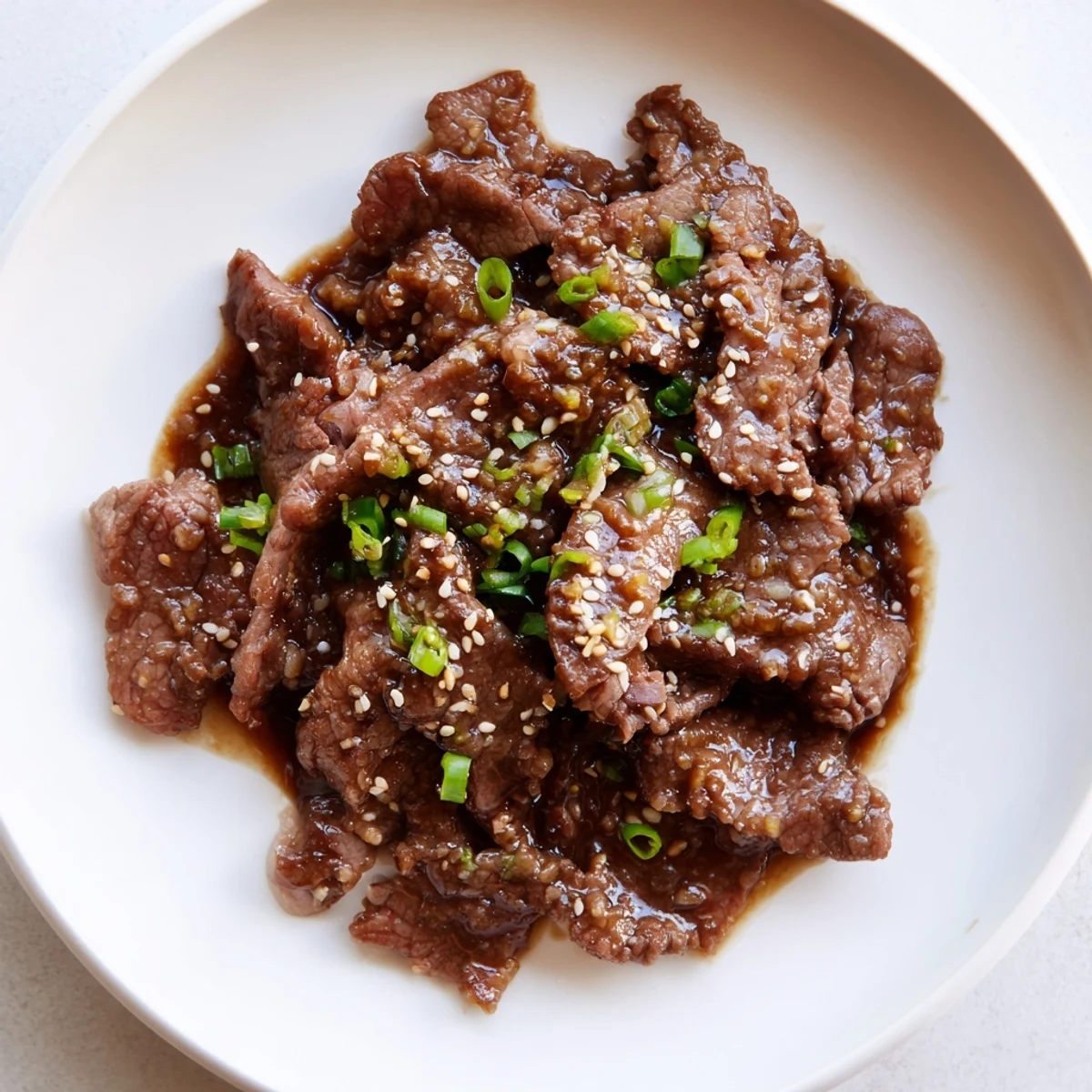
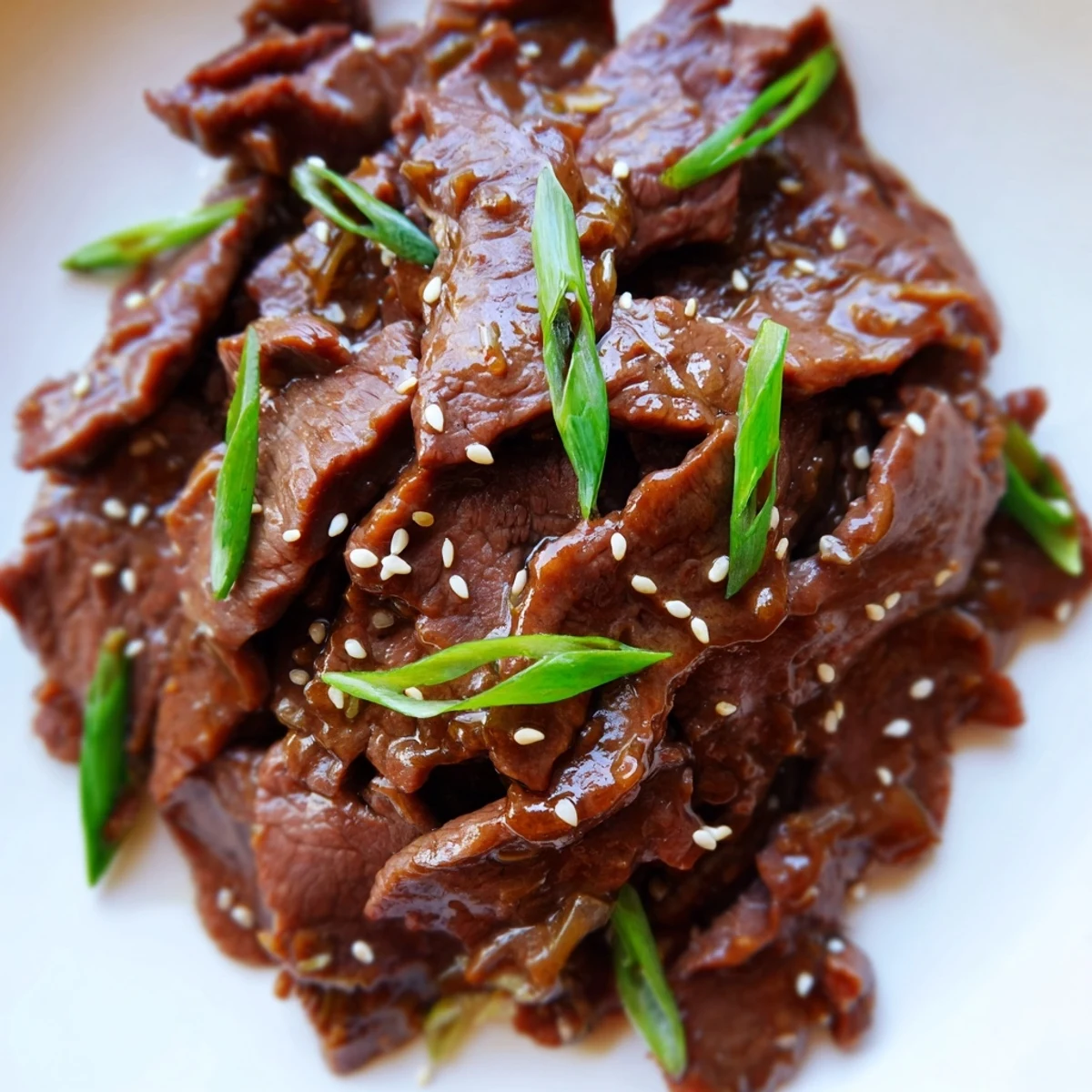
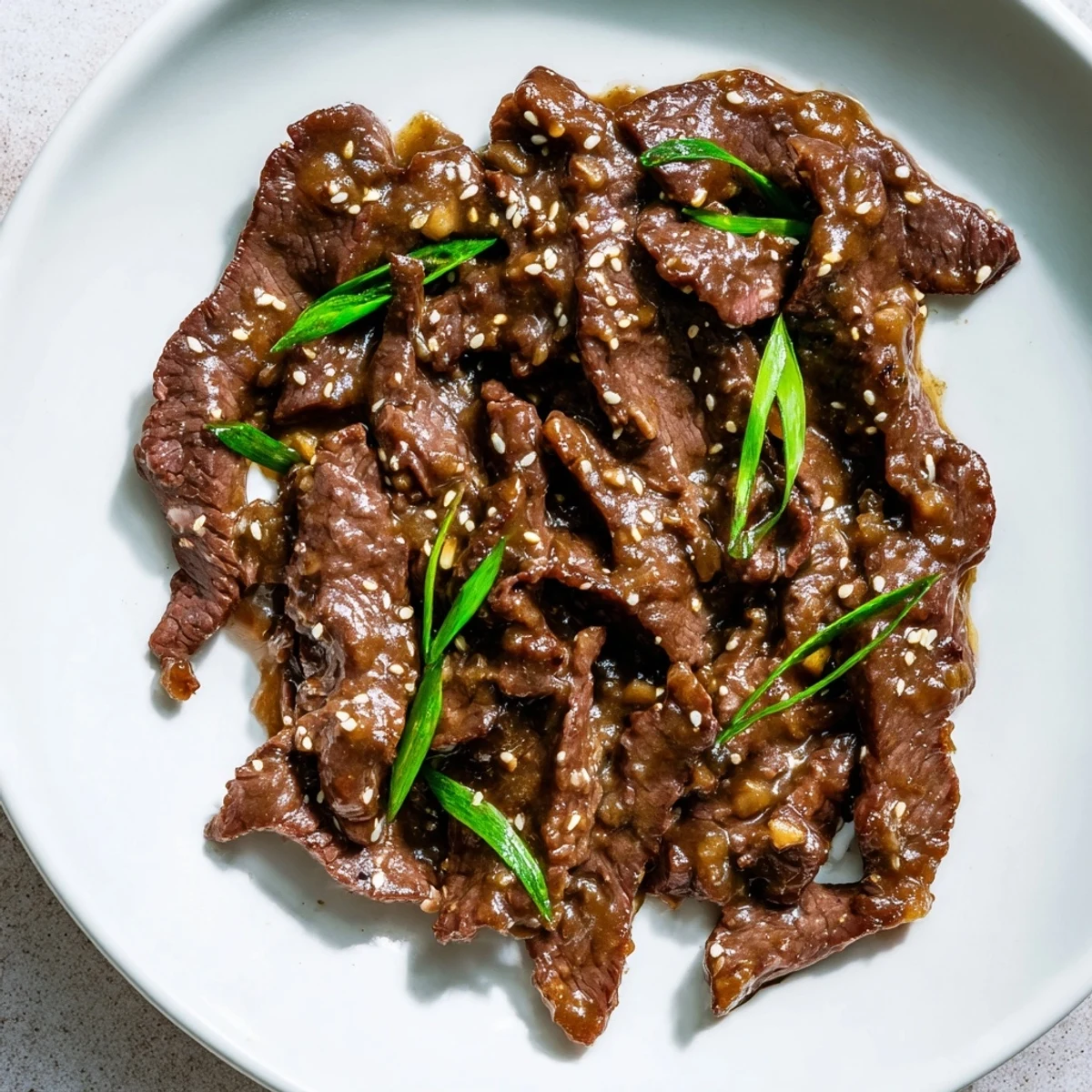
 This slow cooker dish features thinly sliced flank steak coated in cornstarch and simmered in a rich sauce made with soy sauce, brown sugar, hoisin, garlic, and ginger. The beef cooks low and slow for 4 hours until tender and melt-in-your-mouth. A cornstarch slurry added during the last 30 minutes thickens the sauce to a perfect consistency. Garnished with green onions and sesame seeds, this Mongolian beef pairs beautifully with steamed rice or noodles for a satisfying main dish.
The first time I made Mongolian beef at home, my husband actually asked if I'd ordered takeout and was trying to pass it off as homemade. That's how authentic the flavors are when you let a slow cooker work its magic on this dish. I've since learned that the real secret isn't some complicated technique—it's just patience and quality flank steak sliced paper-thin against the grain.
I once served this at a dinner party when I was completely swamped with work prep, and my friends kept asking for the restaurant name so they could order it themselves. Their faces when I told them I'd thrown it in a slow cooker that morning were absolutely priceless. Now it's my go-to whenever I want to impress without actually spending hours in the kitchen.
Ingredients
- Flank steak: Slicing against the grain is non-negotiable here—it transforms what could be tough into impossibly tender ribbons that practically melt in your mouth
- Low-sodium soy sauce: Regular soy sauce will make this overwhelmingly salty, and you want to control the salt balance yourself
- Brown sugar: This creates that signature Mongolian beef sweetness, but don't worry—it balances beautifully with the savory elements
- Hoisin sauce: The umami powerhouse that gives the sauce its depth and that slightly fermented complexity you can't quite place
- Sesame oil: Toasted sesame oil adds that distinctive nutty aroma that hits you before you even take a bite
- Garlic and ginger: Fresh is absolutely worth it here—powdered versions just can't deliver that bright, spicy kick
- Cornstarch slurry: This is what transforms the thin cooking liquid into that restaurant-quality glossy coating
- Green onions and sesame seeds: Don't skip these—they add the fresh crunch and visual pop that makes the dish feel complete
Instructions
- Whisk together your sauce base:
- Combine the soy sauce, brown sugar, water, hoisin, sesame oil, garlic, ginger, and red pepper flakes in a medium bowl until the sugar has completely dissolved
- Coat the beef:
- Toss the sliced flank steak with cornstarch in a zip-top bag until every piece is lightly dusted—this helps create that velvety texture
- Start the slow cooker magic:
- Transfer the coated beef to your slow cooker and pour that gorgeous sauce mixture over everything, stirring until the beef is evenly coated
- Let it transform:
- Cover and cook on low for 4 hours until the beef is fork-tender and has absorbed all those incredible flavors
- Thicken the sauce:
- Whisk together the cornstarch and cold water, then stir it into the slow cooker during the final 30 minutes of cooking
- Finish with flair:
- Serve it steaming hot, scattered with those fresh green onions and a generous sprinkle of toasted sesame seeds
 Save to Pinterest
 My youngest daughter, who swore she hated anything with 'fancy sauce,' asked for thirds the first time I made this. Watching her tentatively try that first bite, then her eyes light up as she reached for more—that's the moment this recipe became a permanent fixture in our regular rotation. Some recipes are about technique, but this one's about pure joy.
Making It Your Own
I've found that adding sliced bell peppers or snap peas during the last hour of cooking gives you those colorful vegetables that make the dish feel more complete. The beef's flavor is strong enough that the vegetables become infused with that same incredible sauce without losing their texture. Just don't add them too early, or they'll turn to mush.
The Rice Factor
jasmine rice is my absolute favorite here—its floral aroma pairs perfectly with the beef's bold flavors. But honestly, I've served this over rice noodles, quinoa, and even steamed broccoli when I'm watching carbs. The sauce is versatile enough that whatever you choose will soak it up beautifully. Just make sure whatever you're serving under it can stand up to that rich, glossy sauce.
Make-Ahead Magic
This might be the ultimate meal prep recipe because it actually improves after a night in the refrigerator—the flavors have time to meld and deepen in ways that feel almost luxurious. I often make a double batch on Sunday and portion it out for lunches throughout the week. The texture holds up beautifully, and that sauce just keeps getting better.
- Store in airtight containers for up to 4 days in the refrigerator
- Freeze individual portions for those nights when cooking feels impossible
- Reheat with a splash of water to loosen the sauce back to its original consistency
 Save to Pinterest
 There's something deeply satisfying about a recipe that delivers restaurant-quality results with so little effort. This Mongolian beef has saved me on countless busy weeknights and impressed more dinner guests than I can count. Simple food, executed well, is sometimes the most impressive kind of cooking.
Recipe FAQs
- → Can I use a different cut of beef?
-
Yes, you can use sirloin or round steak, but flank steak works best for its tenderness. Always slice against the grain for maximum tenderness.
- → How do I prevent the sauce from being too sweet?
-
Start with less brown sugar and taste during cooking. You can always add more, but you can't remove sweetness once it's dissolved.
- → Is this dish spicy?
-
The crushed red pepper flakes are optional. Omit them for a milder version, or add more for extra heat according to your preference.
- → Can I make this gluten-free?
-
Yes, simply substitute tamari for soy sauce and use a certified gluten-free hoisin sauce. The cornstarch slurry can remain as is or use arrowroot powder as an alternative.
- → What sides pair well with this dish?
-
This Mongolian beef pairs perfectly with steamed jasmine or basmati rice. For a low-carb option, serve over steamed broccoli or cauliflower rice.