
 Save to Pinterest
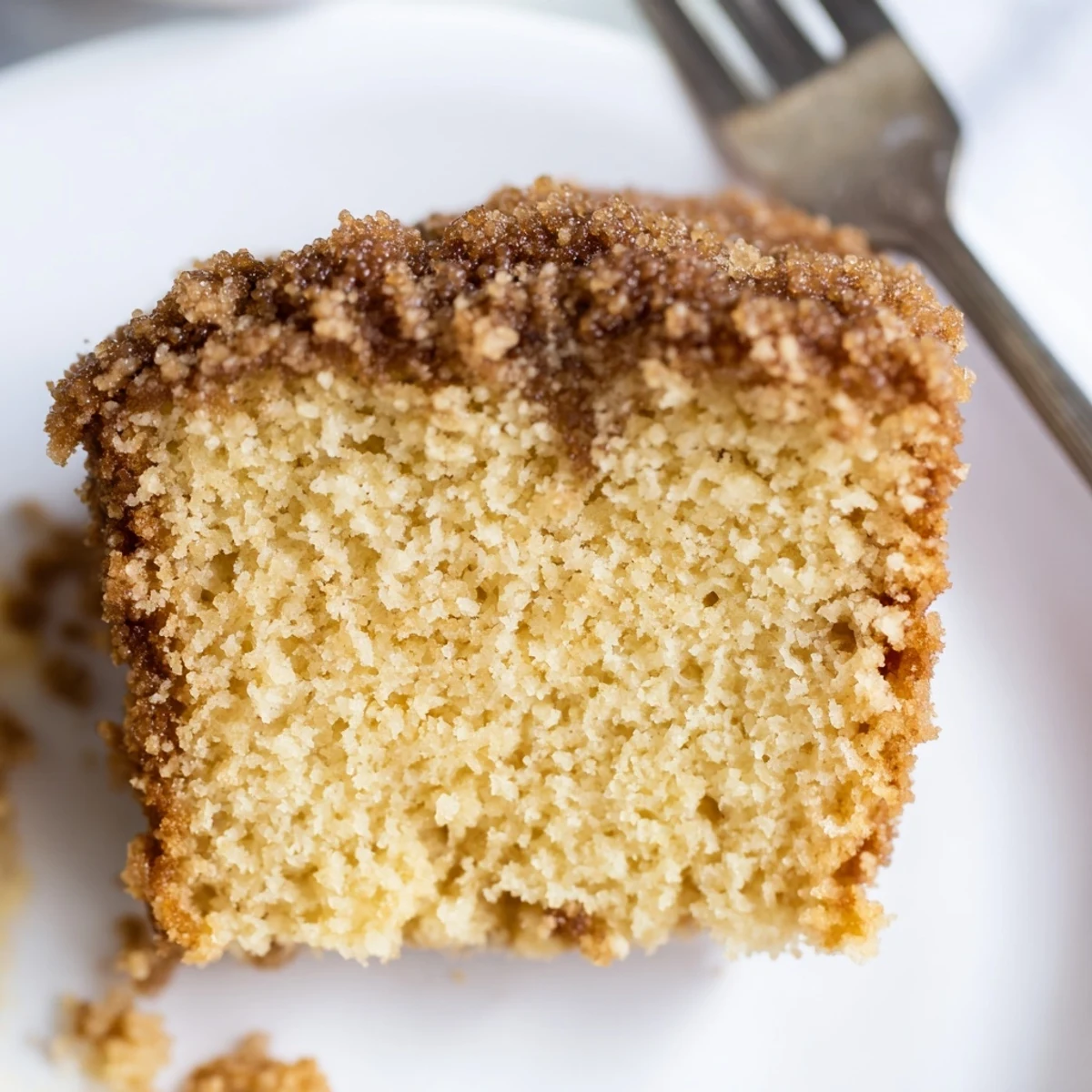
 This moist and tender vanilla loaf features a delightful crunchy sugar crust that adds texture and sweetness. Made with simple pantry ingredients like flour, butter, eggs, and vanilla extract, it bakes to golden perfection and is perfect for slicing and serving alongside tea or fresh berries. The optional cinnamon in the topping adds a warm spice note for extra flavor. Enjoy it fresh or within a few days, wrapped to maintain its softness.
One Sunday morning, my grandmother pulled a golden loaf from her oven and the kitchen filled with that unmistakable vanilla warmth—the kind that makes you pause whatever you're doing. She sliced into it and the tender crumb practically melted on my tongue, topped with those little pockets of crunchy sugar that caught the light. That cake taught me that sometimes the simplest recipes carry the most comfort.
I made this cake the evening before a friend's birthday gathering, mostly because I'd forgotten to plan dessert but needed something that felt thoughtful. The smell started hitting everyone the moment they arrived—that sweet, buttery vanilla drifting down the hallway made it clear something good had happened in my kitchen. By the time the cake came to the table with its sugared top still slightly warm, no one even remembered I'd made it last-minute.
Ingredients
- All-purpose flour (2 cups): The foundation that keeps this cake tender rather than tough—don't overmix once you add it or you'll wake up the gluten and end up with something dense.
- Granulated sugar (1 cup for batter, 2 tbsp for topping): The first cup creams into the butter to trap tiny air pockets that keep the cake light, while the topping sugar caramelizes slightly in the oven for that addictive crunch.
- Unsalted butter (½ cup, softened): Room temperature butter creams like a dream and helps create that moist, tender structure—cold butter will fight you every step.
- Eggs (2 large, room temperature): They emulsify with the butter to create a silky batter that rises evenly, so take them out of the fridge about 30 minutes before you start.
- Pure vanilla extract (1 tsp): The soul of this cake, so use real vanilla—the imitation stuff leaves you with a flat, chemical taste you can't fix.
- Whole milk (¾ cup, room temperature): It keeps the crumb moist without making the cake greasy, and room temperature milk blends in smoothly rather than shocking the warm batter.
- Baking powder (1½ tsp): This gentle leavener gives you an even rise—too much and the cake peaks and cracks, too little and it stays stubborn and flat.
- Salt (¼ tsp): Just a whisper that makes the vanilla sing and balances all that sweetness.
- Ground cinnamon (½ tsp, optional): A subtle warmth that plays nicely with the sugar crust if you want to nudge it toward spiced cake territory.
Instructions
- Get Your Oven Ready:
- Preheat to 350°F and grease your loaf pan generously, then line it with parchment paper so the cake releases cleanly. A cold oven is a recipe saboteur, so give it those few minutes to fully heat.
- Combine the Dry Team:
- Whisk flour, baking powder, and salt in a medium bowl—this distributes the leavening evenly so you avoid pockets of dense cake. Set it aside and resist the urge to mess with it further.
- Cream the Butter and Sugar:
- Beat them together for 2–3 minutes until the mixture looks pale, fluffy, and slightly increased in volume. This is where tiny air bubbles get trapped, and they'll expand in the oven to give you that tender crumb.
- Add the Eggs One at a Time:
- After each egg, beat well so it fully incorporates—this emulsifies everything and creates a smooth, stable batter. Stir in the vanilla and let yourself enjoy how fragrant the bowl smells right now.
- Build the Batter in Thirds:
- Add half the dry ingredients, then half the milk, then the rest of each, mixing gently between additions. Overmixing activates gluten and makes the cake tough, so stop as soon as you see no white streaks.
- Transfer to the Pan:
- Pour the batter into your prepared loaf pan and smooth the top with a spatula or the back of a spoon. A level surface helps the cake bake evenly.
- Sugar the Top:
- Mix the topping sugar with cinnamon if you're using it, then sprinkle evenly over the raw batter. Those crystals will catch moisture and caramelize into little crunchy gems.
- Bake Until Golden:
- Bake for 50–55 minutes until a toothpick inserted in the center comes out clean or with just a few moist crumbs. The top will be deep golden and a gentle press should spring back slowly.
- Cool with Patience:
- Let the cake rest in the pan for 10 minutes—this helps it firm up so it doesn't fall apart when you turn it out. Then transfer it to a cooling rack to cool completely before slicing, or you'll get warm crumbs instead of clean slices.
 Save to Pinterest
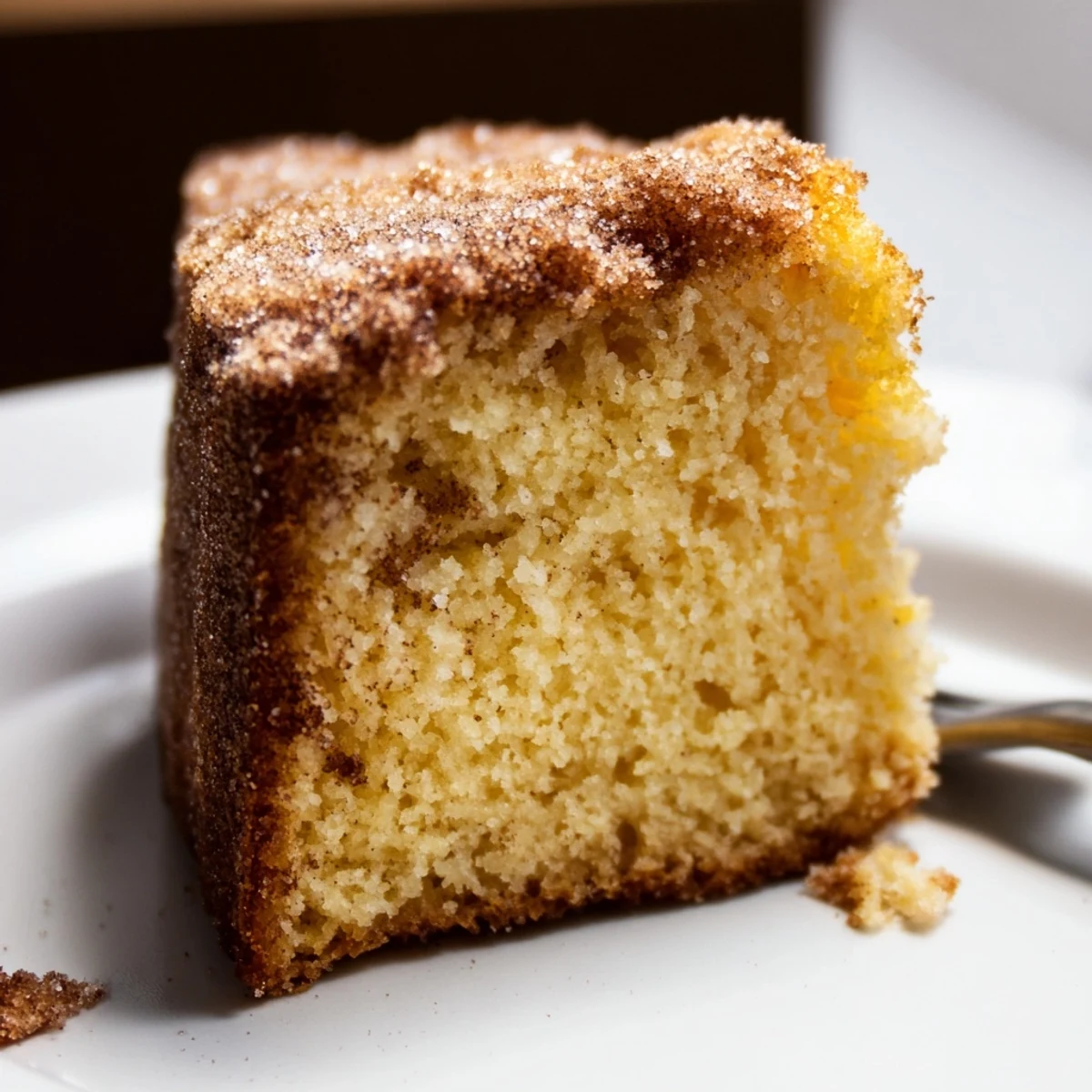
 There's something grounding about slicing into a cake you've made, especially when it looks as perfect on the inside as it is on top. The vanilla loaf became a regular in my kitchen after that first attempt, showing up for quiet mornings with coffee, for unexpected visitors, for the moments when life felt like it needed something a little sweeter.
The Citrus Variation That Changes Everything
If you want to wake up the vanilla with brightness, add a tablespoon of finely grated lemon or orange zest to the wet ingredients—add it right after the vanilla so it distributes evenly. The citrus doesn't fight the vanilla, it dances with it, and suddenly your cake tastes like something you'd find at a proper tea service. I learned this by accident when I had a lemon on the counter and a hunch, and it became the version my friends specifically request.
How to Serve It Right
A plain slice is perfect with tea or coffee, but a dollop of whipped cream and a handful of fresh berries transforms it into something that feels almost fancy—which is useful when you need dessert to feel intentional but don't have the energy for anything complicated. The warm, tender cake plays beautifully against cold cream and tart berries, and the sugar crust holds its crunch even against the moisture, staying crispy in the best possible way.
Storage and Keeping
This cake is genuinely better the day after you make it—the flavors mellow into something richer and the crumb sets so it slices more cleanly. Wrap it well at room temperature and it keeps for up to three days, which means you can make it ahead of guests or stretch one cake into several days of small indulgences without any decline in quality.
- Wrap it tightly in plastic wrap or foil to keep it from drying out.
- Keep it at room temperature, never the refrigerator, which dries out baked goods unnecessarily.
- If you somehow have leftovers after day three, freeze slices individually and thaw them gently at room temperature.
 Save to Pinterest
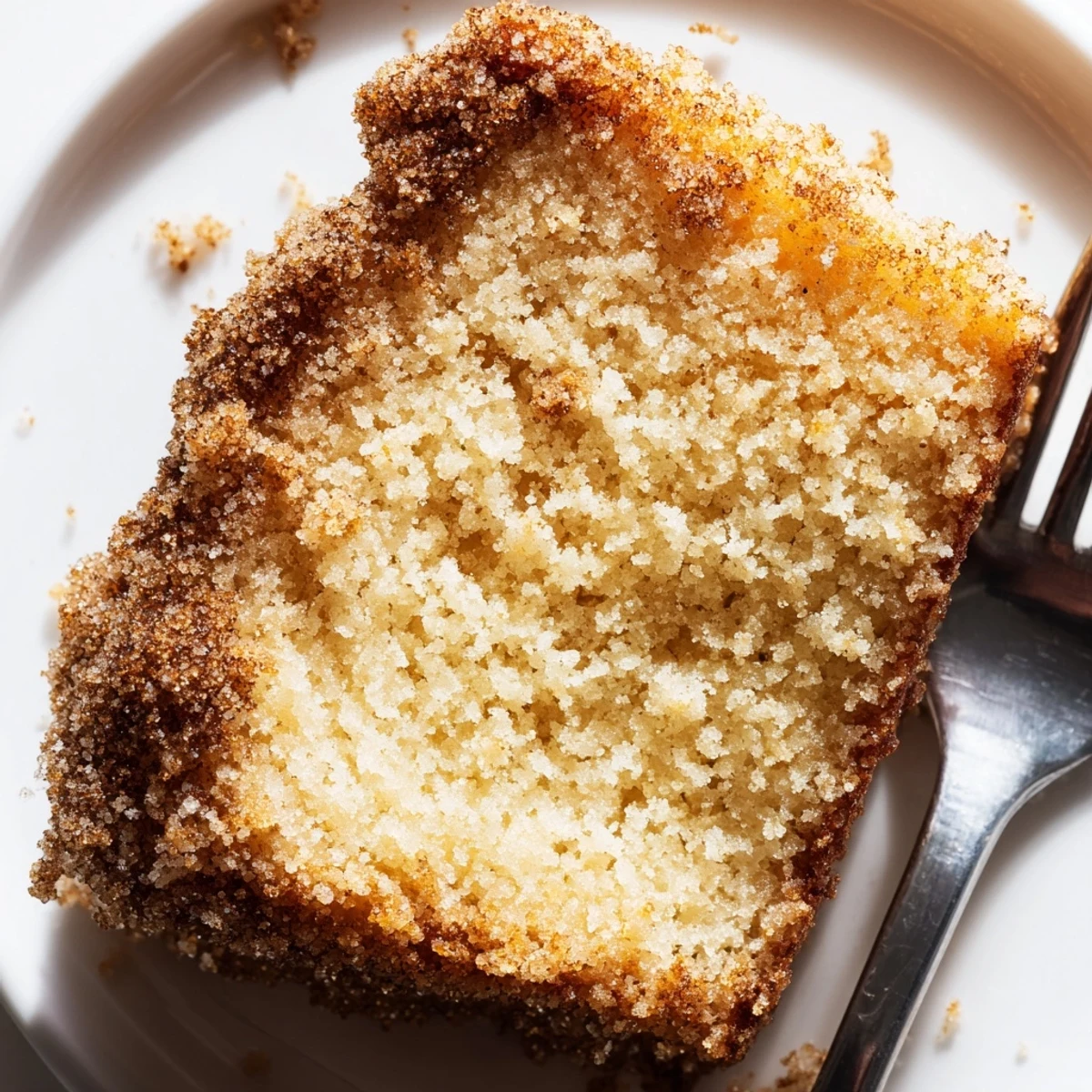
 This is the cake that taught me that simple doesn't mean forgettable, and that sometimes the most satisfying recipes are the ones that let their main ingredients shine. Make it for yourself, for someone you love, or just because Sunday morning smells better when vanilla cake is cooling on the rack.
Recipe FAQs
- → What gives the loaf its crunchy topping?
-
The crunchy topping comes from a sprinkling of granulated sugar combined with optional cinnamon, which caramelizes during baking for a sweet, crisp finish.
- → Can I add citrus flavor to this loaf?
-
Yes, adding 1 tablespoon of finely grated lemon or orange zest to the batter boosts freshness and adds a bright citrus aroma.
- → How do I know when the loaf is fully baked?
-
Insert a toothpick into the center; when it comes out clean or with a few moist crumbs, the loaf is ready.
- → What’s the best way to store the loaf?
-
Wrap the cooled loaf tightly at room temperature to keep it moist; it stays fresh for up to three days.
- → Can I use a different type of milk?
-
Whole milk enhances tenderness, but you can substitute with alternatives like almond or oat milk for different flavors and textures.