
 Save to Pinterest
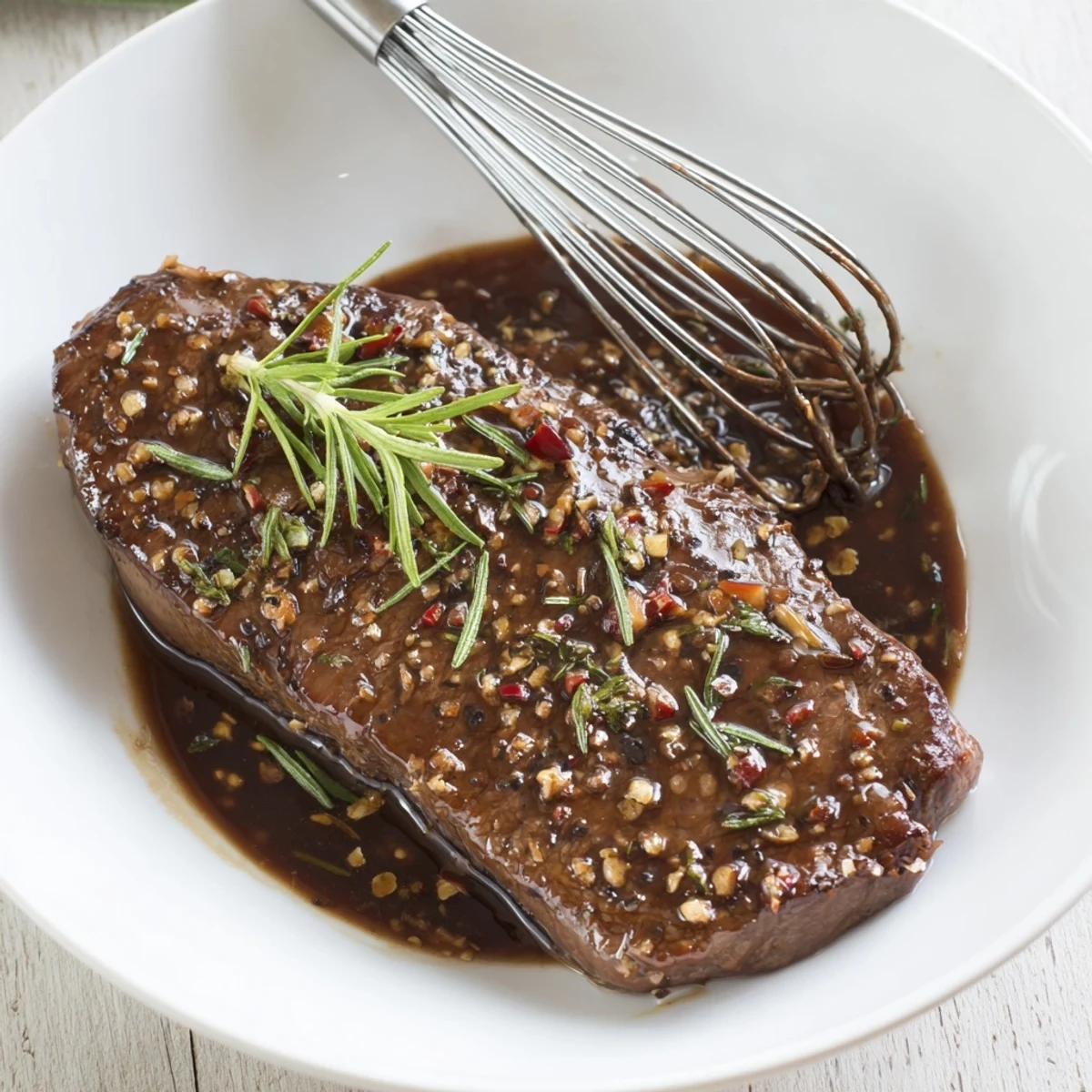
 This soy and balsamic-based marinade mixes olive oil, Worcestershire, lemon, Dijon, brown sugar and garlic to both tenderize and build savory, slightly sweet layers. Whisk aromatics with oil and acids, coat steaks and chill 2–24 hours for best penetration. Discard used liquid, pat steaks dry and grill, broil or pan-sear to desired doneness. Swap honey for brown sugar, add red pepper flakes for heat, or use tamari for a gluten-free option. Pairs well with Cabernet or Malbec.
The unmistakable scent of garlic, soy, and rosemary mingling in my kitchen always means something exciting is about to happen—namely, steaks destined for greatness. Once, looking to impress a friend new to grilling, I tossed together this marinade on a whim after scavenging my pantry. The mix came together in minutes, but the flavor suggested hours of careful planning. The best recipes, I've learned, often start with a little creative scavenging and a lot of curiosity.
I’ll never forget the first time I marinated steaks for a summer get-together—everyone wandered toward the grill just to ask what that amazing smell was. My cousin declared it the best steak of his life between bites, while I quietly marveled at how such simple ingredients made me look like a kitchen genius.
Ingredients
- Soy sauce: This is the backbone (and the secret umami punch); I always use regular for depth, but a gluten-free or low-sodium version works in a pinch.
- Olive oil: It coats the meat and helps all those flavors seep deep—I suggest using a good quality extra virgin for the best flavor.
- Worcestershire sauce: Adds that bold, mysterious savoriness; I once swapped it for fish sauce in a pinch, but Worcestershire is my classic go-to.
- Balsamic vinegar: For a touch of mellow tang; don’t skip this, it balances the salty and sweet beautifully.
- Lemon juice (freshly squeezed): I’ve tried bottled, but only fresh has that lively brightness that really tenderizes and lifts all the flavors.
- Garlic (minced): Four cloves, no less; trust me, the more, the better for aromatics that bloom as the steak cooks.
- Dijon mustard: It gives backbone and gentle heat; if you’re out, a spicy brown mustard works too.
- Brown sugar: For caramelization—if you want a richer sweetness, swap for honey.
- Freshly ground black pepper: The coarseness matters—you’ll actually smell the difference while whisking.
- Rosemary (dried or fresh): If you have fresh, chop it small for bursts of piney flavor with every bite.
- Onion powder: Rounds everything out, and means you don’t need to chop extra onions after a long day.
Instructions
- Whisk the base:
- Grab your favorite medium mixing bowl and whisk together the soy sauce, olive oil, Worcestershire, balsamic, and lemon juice until silky and blended.
- Add flavor power:
- Toss in the minced garlic, Dijon, brown sugar, black pepper, rosemary, and onion powder. Whisk again—the mixture should smell bold, savory, and just a bit sweet.
- Marinate the steaks:
- Lay your steaks into a large resealable bag or a roomy dish, then pour the marinade over so every piece is bathed in flavor. Squeeze out excess air if using a bag, or cover your dish tightly.
- Let it rest:
- Pop everything in the fridge for at least 2 hours, up to a whole day if you plan ahead. Flip the steaks once or twice to help every bit soak up all that goodness.
- Prepare to cook:
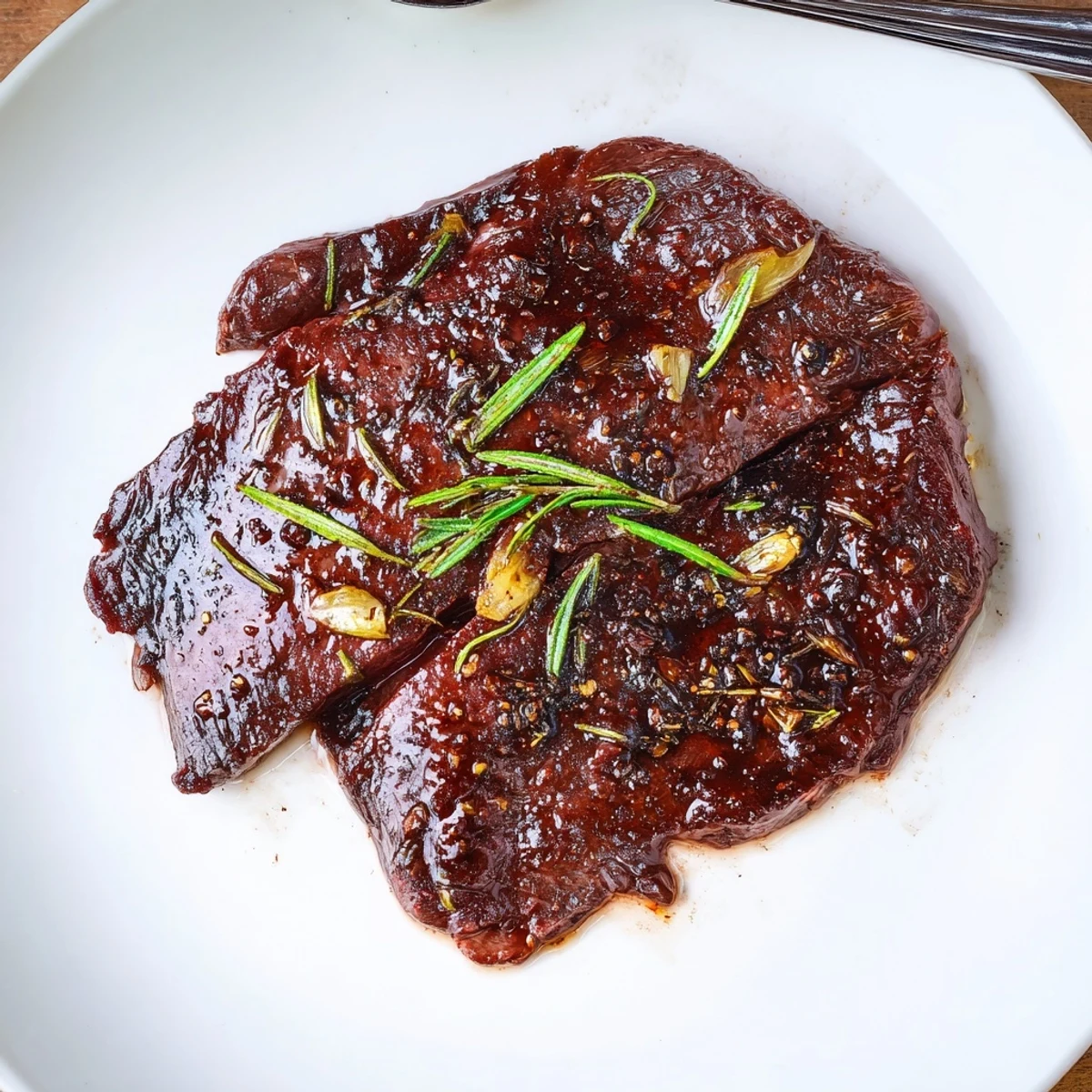
- Take the steaks out, pat off just enough marinade so they’ll sear, and discard the used marinade. Grill, broil, or pan-sear your steaks to the doneness you like best—don’t wander far, the aroma will call everyone to the kitchen.
 Save to Pinterest
 There was something quietly triumphant about the moment my friend texted me days later to ask for the "secret" to the steaks, insisting her family raved all week. Sometimes a dish turns into a little badge of pride, and this marinade gave me more than a few of those.
How to Get the Best Flavor Every Time
I learned the hard way that shaking the marinade in a mason jar works wonders for combining the ingredients fast and evenly—plus, fewer dishes. Let your steaks come up to room temperature for about 30 minutes before you cook so the interior cooks as evenly as the outside. And if you’re short on time, even 60 minutes in this marinade is better than nothing.
Swaps and Shortcuts That Actually Work
I’ve played with ingredient swaps—tamari for soy sauce, honey for brown sugar, even swapping out rosemary for thyme—and each gives the marinade its own signature twist. If you’re ever out of Worcestershire, a dash of fish sauce or even just a bit more balsamic can loosely mimic the effect. Just promise me you’ll always use fresh garlic if at all possible.
Frequently Asked Steak Marinade Questions
Sometimes friends ask how to make this work for pork chops or chicken—honestly, it’s just as easy, though I drop the marination time for chicken to 2–4 hours. And when someone wants a spicy kick, I’ll add red pepper flakes or a splash of hot sauce right into the mix. Taste as you go—the best marinades suit your mood and what’s in your pantry.
- Remember to toss out any used marinade after meat has been sitting in it.
- If you’re grilling, let the steaks rest before slicing for juicier results.
- Keep a little extra fresh marinade set aside (before adding the meat) for drizzling after cooking if you love extra flavor.
 Save to Pinterest
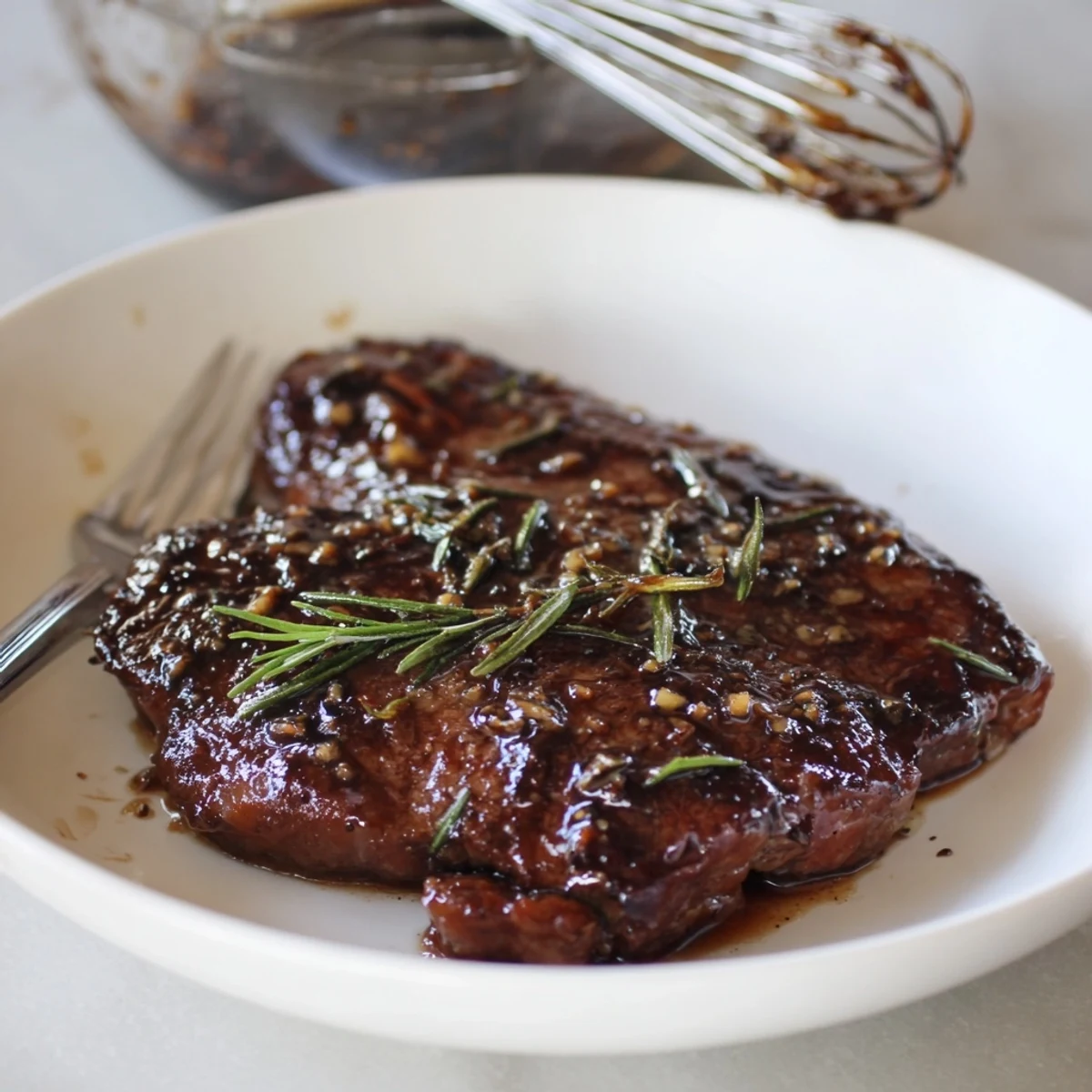
 However you grill or pan-sear, I hope this marinade brings as much flavor and fun to your get-togethers as it has to mine. Cheers to never having boring steak again.
Recipe FAQs
- → How long should steaks marinate?
-
Marinate at least 2 hours for surface flavor and up to 24 hours for deeper tenderizing. Thin cuts need less time to avoid texture changes.
- → Can I reuse the leftover marinade?
-
Discard any marinade that has contacted raw meat. If you want to use it as a sauce, reserve a portion before adding the meat and simmer it thoroughly to kill bacteria.
- → Which cuts work best with this mix?
-
Flank, skirt, ribeye, sirloin and strip steaks all take well to this marinade. Tougher cuts benefit most from longer marination for added tenderness.
- → How can I make it gluten-free?
-
Swap traditional soy sauce and Worcestershire for gluten-free tamari and a gluten-free Worcestershire alternative, and double-check labels for hidden gluten.
- → Will this blend work for other proteins?
-
Yes. It adapts nicely to pork chops and chicken breasts—reduce marination time for smaller or more delicate cuts to avoid mushy texture.
- → How do I get a good sear after marinating?
-
Pat steaks dry to remove excess moisture, bring to room temperature, season lightly, and sear on a very hot grill or pan with a touch of oil to form a caramelized crust.