
 Save to Pinterest
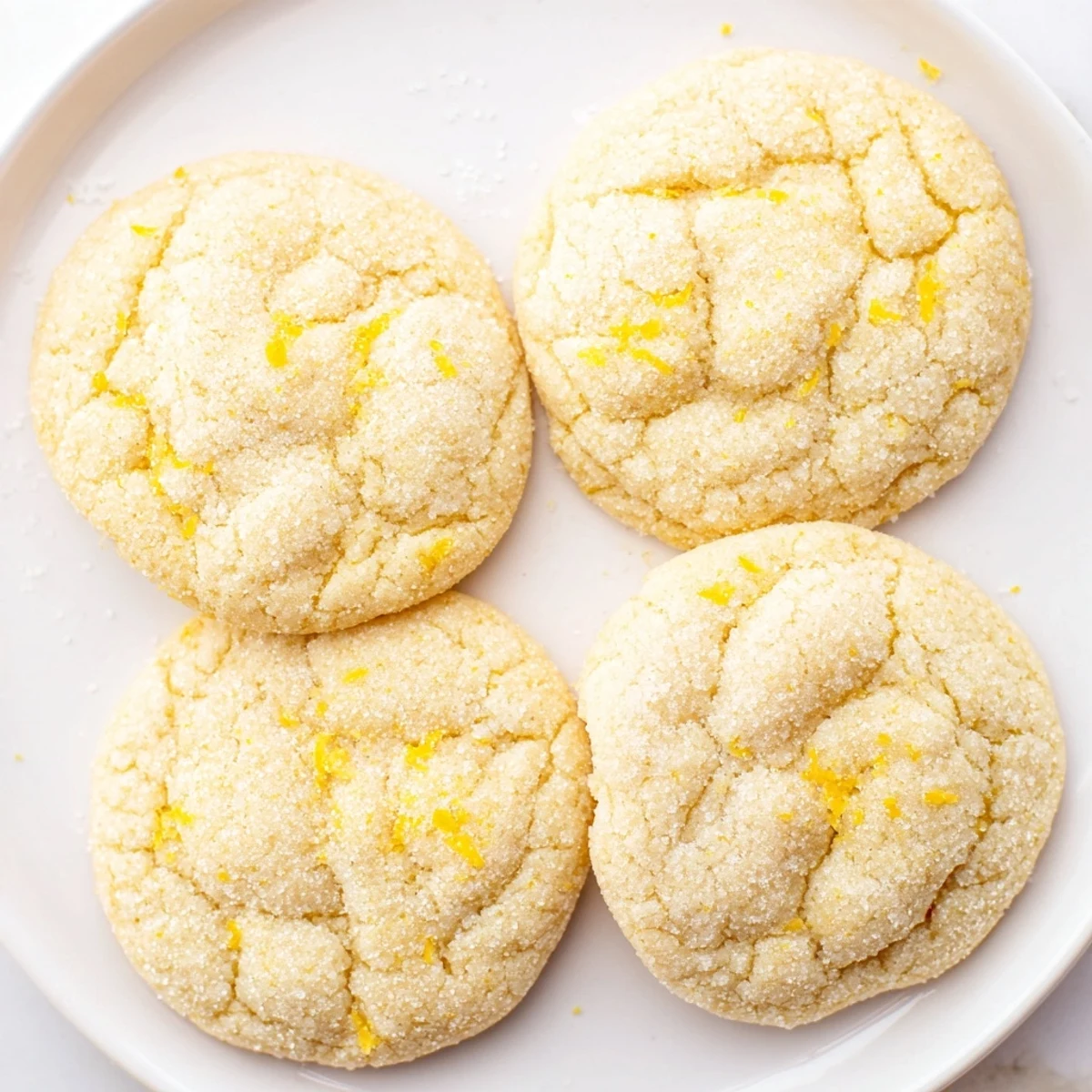
 These soft lemon cookies deliver a bright, zesty experience with a wonderfully tender texture. The secret is using both fresh lemon zest and juice, creating a double dose of citrus flavor that really shines through. Creaming butter and sugar until light and fluffy gives these treats their characteristic chewiness, while slightly underbaking ensures they stay soft for days.
Rolling the dough balls in granulated sugar before baking creates a subtle crunch on the edges that contrasts beautifully with the soft centers. The optional lemon glaze adds an extra punch of brightness for true citrus lovers.
The smell of lemon zest hitting softened butter is one of those small kitchen miracles that stops me in my tracks every single time. These soft chewy lemon cookies came out of a rainy Tuesday experiment when I had three lemons sitting on the counter and a craving for something bright. One bite and my whole apartment smelled like summer had arrived early. I have been making them ever since.
My neighbor knocked on my door the afternoon I made my second batch, asking what smelled so good that she could detect it from the hallway. I handed her two warm cookies and she stood there eating them without saying a word, eyes closed, completely transported.
Ingredients
- All-purpose flour (2 1/4 cups): The backbone of the cookie, measured by weight if possible for the most consistent texture.
- Baking soda (1/2 teaspoon): Just enough lift to keep these soft without turning them cakey.
- Salt (1/2 teaspoon): Essential for balancing the sweetness and making the lemon sing.
- Unsalted butter, softened (1 cup): Room temperature butter creams better and traps more air for that tender crumb.
- Granulated sugar (1 1/4 cups): Provides sweetness and helps create those beautiful crackled edges.
- Large egg plus one egg yolk: The extra yolk adds richness and chewiness that a single whole egg cannot achieve alone.
- Lemon zest (2 tablespoons): Rub it into the sugar with your fingers before mixing to release the oils and intensify the flavor.
- Freshly squeezed lemon juice (1/4 cup): Bottled juice tastes flat and dull here, so please squeeze it fresh.
- Pure vanilla extract (1 teaspoon): A quiet background note that rounds out the citrus.
- Extra sugar for rolling (1/2 cup, optional): A sparkly coating that adds a slight crunch on the outside.
Instructions
- Preheat and prepare:
- Set your oven to 350 degrees F and line two baking sheets with parchment paper so nothing sticks.
- Whisk the dry ingredients:
- In a medium bowl, combine the flour, baking soda, and salt with a whisk until evenly distributed.
- Cream butter and sugar:
- Beat the softened butter and sugar together with an electric mixer until the mixture turns pale and fluffy, about 2 to 3 minutes of patient mixing.
- Add the wet ingredients:
- Drop in the egg, then the yolk, followed by the lemon zest, lemon juice, and vanilla, beating until everything looks smooth and fragrant.
- Bring it all together:
- With the mixer on low, gradually add the dry ingredients and stop the moment the last streak of flour disappears.
- Shape the cookies:
- Scoop tablespoon sized portions and roll them into balls between your palms, then dip them in sugar if you want that glittering finish.
- Arrange and bake:
- Place the dough balls 2 inches apart on your prepared sheets and bake for 9 to 11 minutes until the edges set but the centers still look soft and slightly underbaked.
- Cool with patience:
- Let the cookies rest on the hot baking sheet for 5 minutes before gently moving them to a wire rack.
 Save to Pinterest
 I packed a tin of these for a road trip last spring and they disappeared before we hit the highway exit. My friend in the passenger seat claimed she was just quality testing them for me.
Storage That Keeps Them Soft
An airtight container at room temperature keeps these cookies soft and delicious for up to five days. I tuck a small piece of bread into the container to add moisture if I notice them firming up after day three.
Fun Variations to Try
A simple glaze made from powdered sugar and lemon juice drizzled over the cooled cookies takes the lemon intensity to another level entirely. Swapping a quarter cup of flour for almond flour adds a subtle nuttiness that pairs beautifully with citrus.
Getting the Texture Just Right
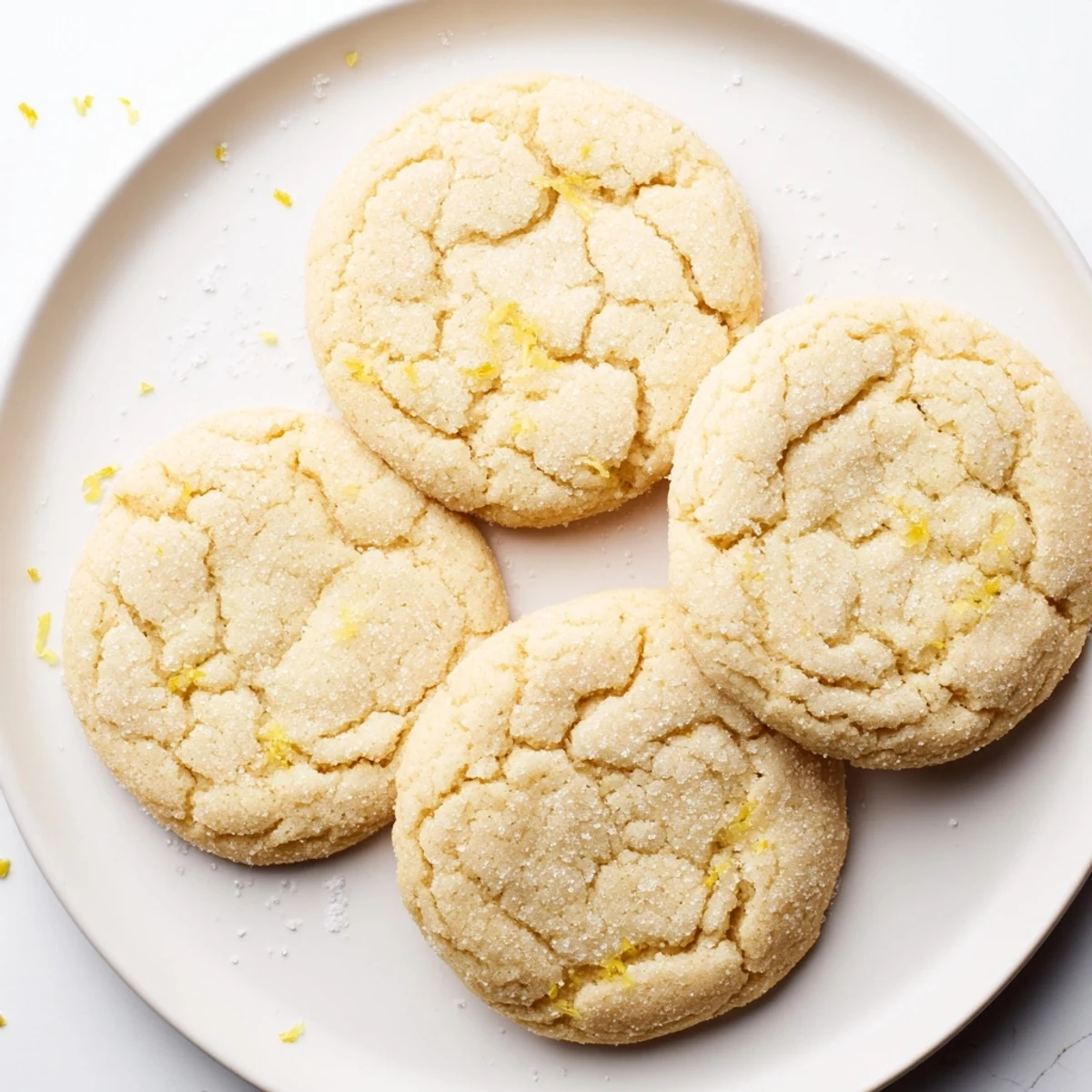
The balance of egg to yolk, the butter temperature, and the baking time all conspire together to create that chewy center. Trust your eyes more than the timer when deciding if they are done.
- Look for set edges and puffy centers that still have a slight wobble.
- Use a cookie scoop for uniform size so every cookie bakes at the same rate.
- Always let them finish cooking on the hot sheet before transferring.
 Save to Pinterest
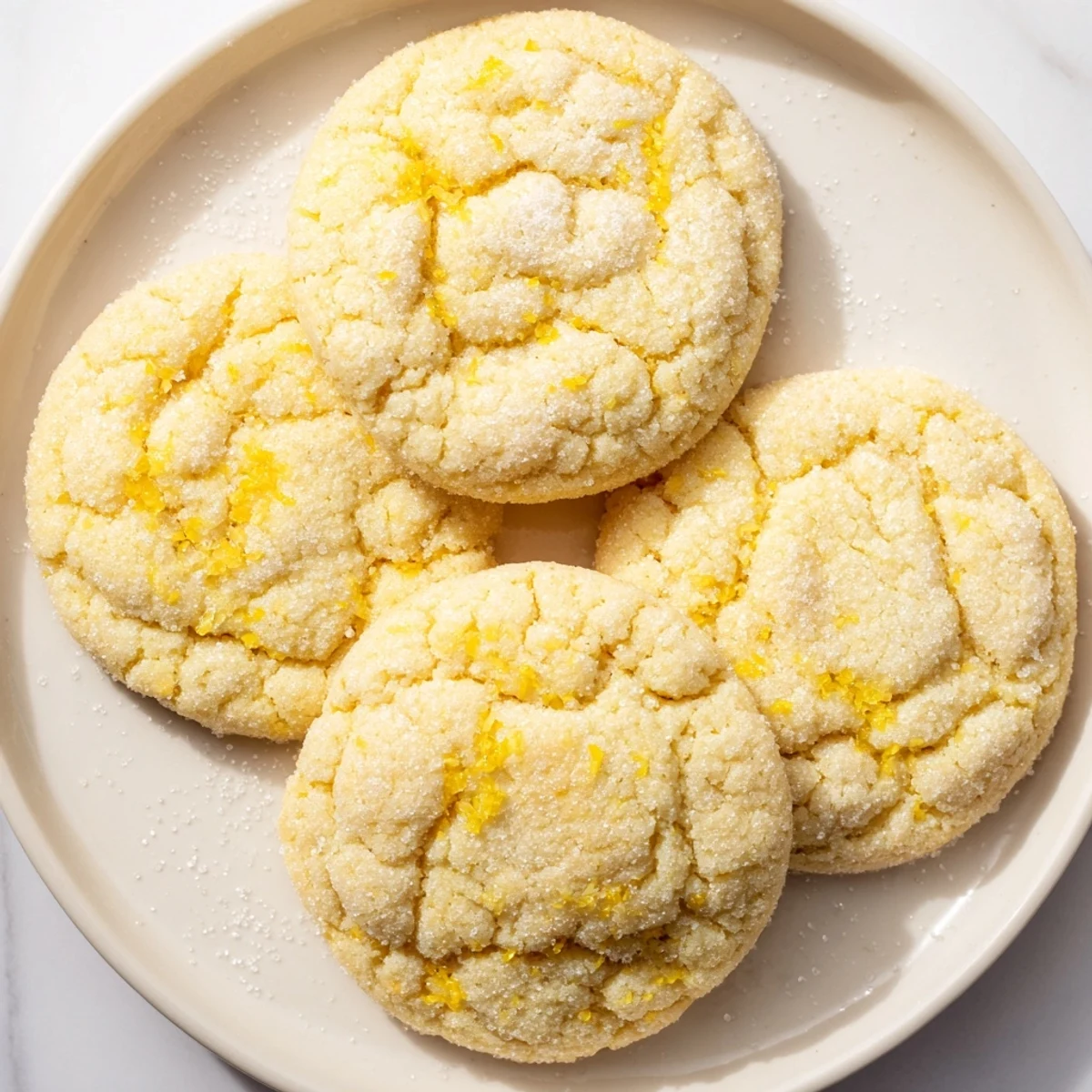
 These cookies are proof that sometimes the simplest ingredients create the most memorable treats. Share them generously and watch people close their eyes on the first bite.
Recipe FAQs
- → Why are my lemon cookies hard instead of soft?
-
Overbaking is the most common cause of hard cookies. Remove them from the oven when edges are set but centers still look slightly underdone. They'll continue cooking on the hot baking sheet. Overmixing the dough can also create toughness.
- → Can I use bottled lemon juice instead of fresh?
-
Fresh lemon juice provides the best flavor, but bottled juice works in a pinch. However, fresh lemon zest is essential for that bright citrus aroma and taste. Bottled juice lacks the complex bright notes that fresh provides.
- → How do I store these cookies to keep them soft?
-
Store in an airtight container at room temperature for up to 5 days. Place a slice of white bread in the container to help maintain moisture. For longer storage, freeze individually wrapped cookies for up to 3 months.
- → Can I make the dough ahead of time?
-
Yes, scoop the dough into balls and refrigerate for up to 48 hours before baking, or freeze for up to 3 months. Let chilled dough sit at room temperature for 10 minutes before baking to ensure even spreading.
- → What's the purpose of the egg yolk?
-
The extra egg yolk adds richness and creates a softer, more tender texture. The yolk's fat content contributes to the chewy consistency while helping bind the dough together for better structure.
- → Can I make these gluten-free?
-
Use a reliable 1:1 gluten-free baking flour blend that contains xanthan gum. The texture may be slightly different but still delicious. Avoid coconut flour as it absorbs too much moisture for this formulation.