
 Save to Pinterest
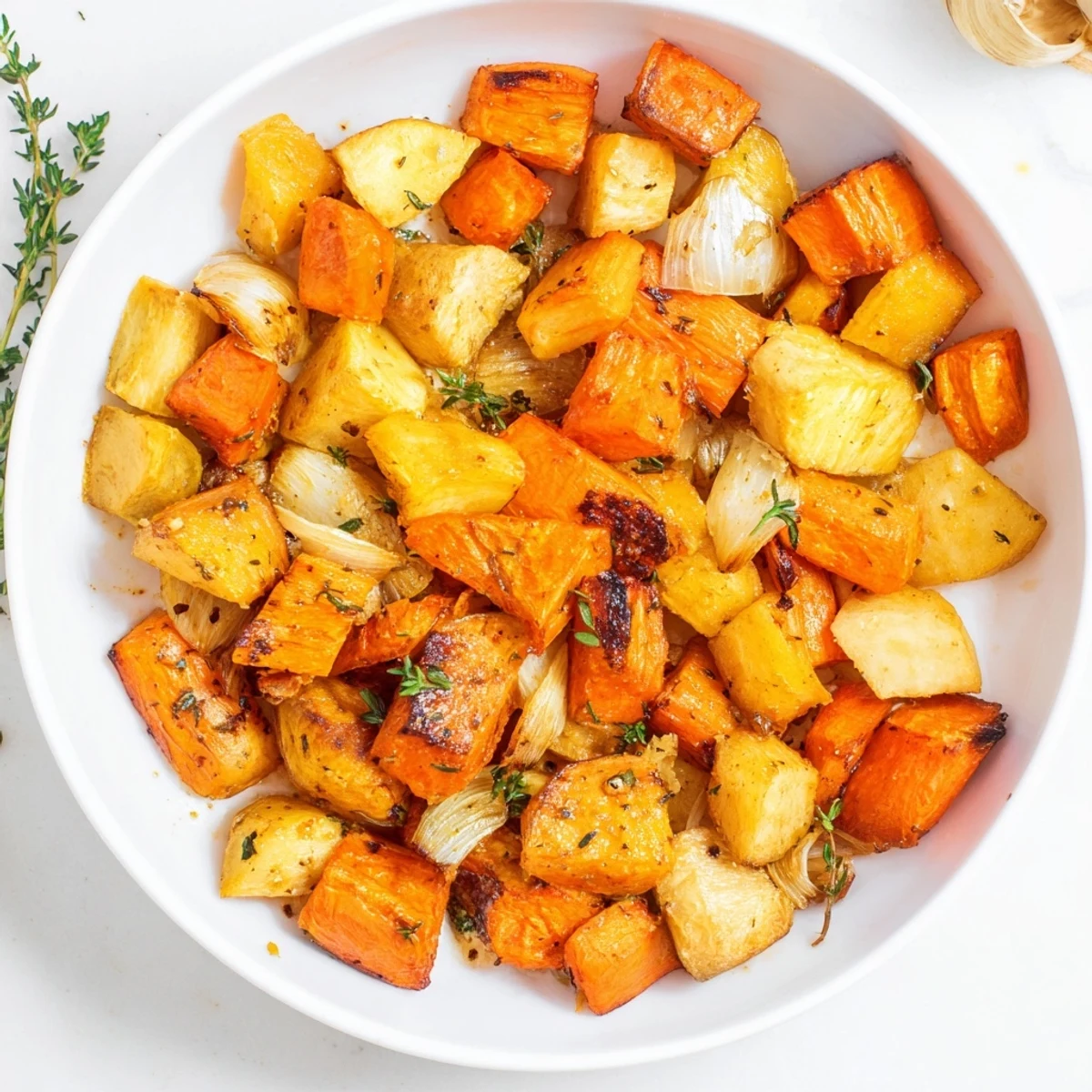
 Transform humble root vegetables into a stunning caramelized side dish. Toss carrots, parsnips, sweet potato, and rutabaga with olive oil, fresh thyme, and garlic, then roast until golden and tender. Perfect as a vegetarian main or elegant accompaniment to roasted meats.
Standing in my kitchen on a chilly autumn afternoon, I found myself staring at a drawer full of forgotten root vegetables. The sweet potatoes, parsnips, and rutabaga had been lingering there, waiting for inspiration to strike. With the windows fogged from the dropping temperature outside, I decided to let the oven work its magic, tossing those humble roots with fresh thyme from my windowsill garden.
Last Thanksgiving, my sister called in a panic about her menu being too heavy on creamy dishes. I suggested this roasted vegetable medley, and even the kids at the table reached for seconds before touching the mac and cheese. The colorful array created such a beautiful centerpiece, and the aroma of thyme filled the dining room with an herby warmth that complemented everything else on the table.
Ingredients
- Root Vegetables: The combination of carrots, parsnips, sweet potato, rutabaga and red onion creates a perfect balance of sweetness and earthiness that becomes more pronounced as they roast.
- Fresh Thyme: I truly believe fresh thyme makes all the difference here, its woody fragrance infuses into the vegetables in a way dried herbs simply cannot match.
- Balsamic Vinegar: This optional finish adds a subtle tanginess that cuts through the natural sweetness of the roasted vegetables, creating a more complex flavor profile.
Instructions
- Prep your vegetables:
- Make sure all pieces are roughly the same size so they cook evenly. I aim for about 1inch chunks, which allows enough surface area for caramelization while keeping the interiors moist.
- Season generously:
- Use your hands to toss everything together, making sure each piece gets coated with oil and herbs. The oil helps conduct heat evenly and creates those irresistible crispy edges.
- Arrange thoughtfully:
- Spread everything in a single layer with a bit of space between pieces. Overcrowding the pan will cause the vegetables to steam rather than roast.
- Check for doneness:
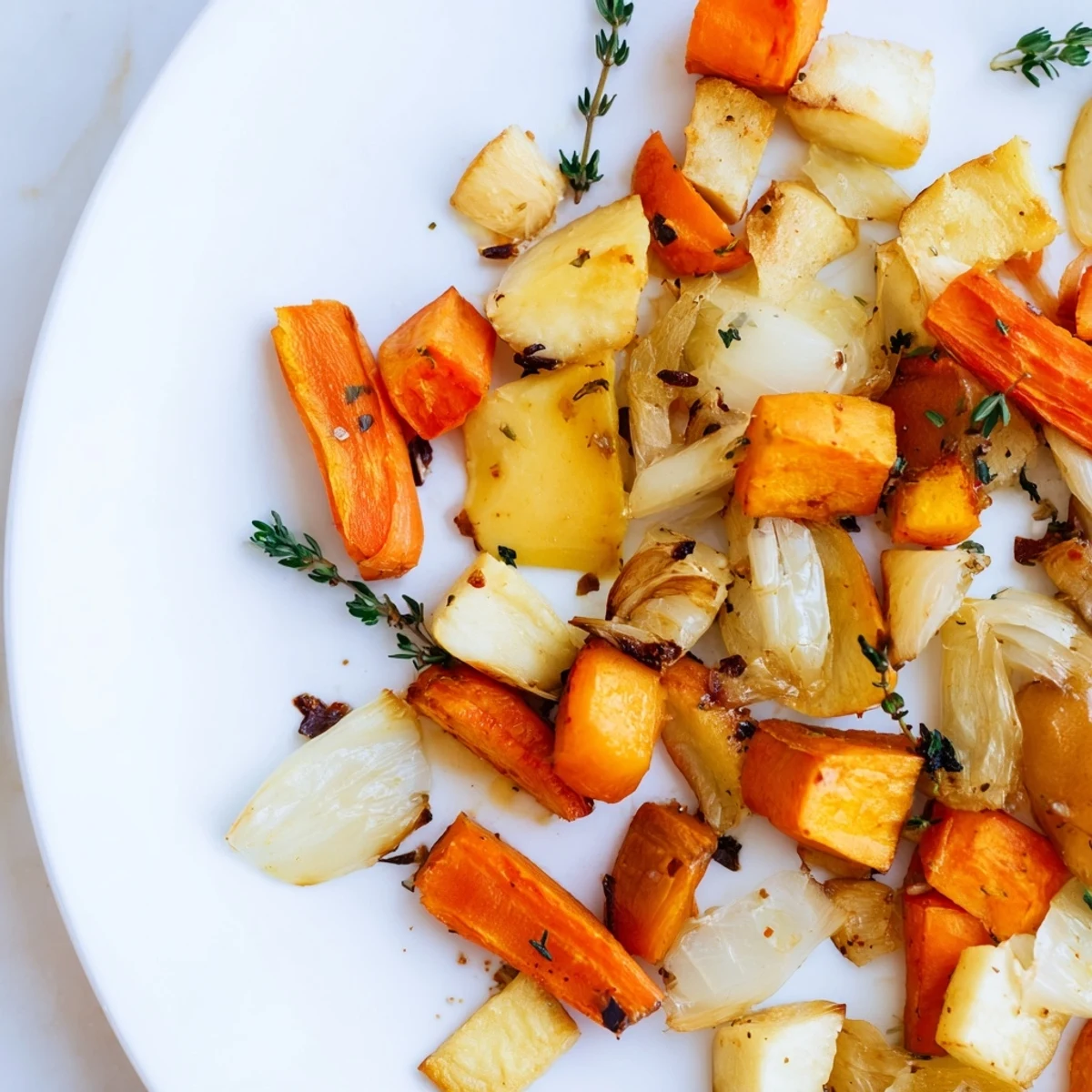
- Look for golden brown edges and fork tender centers. Different vegetables may cook at slightly different rates, so occasional stirring helps everything cook evenly.
 Save to Pinterest
 My neighbor Mark, who claims to dislike anything remotely healthy, stopped by while I was pulling these vegetables from the oven. The aroma alone convinced him to try just one bite, which turned into a full plate and a request for the recipe. Sometimes the simplest dishes create the most unexpected connections, bridging gaps between different food preferences with their honest, straightforward appeal.
Making It a Complete Meal
These roasted vegetables easily transform into a main dish when served over a bed of quinoa or lentils with a sprinkle of goat cheese. The protein from the grains combined with the complex carbohydrates from the vegetables creates a satisfying meal that keeps you full for hours without weighing you down.
Seasonal Adaptations
Though Im partial to this autumn inspired mix, Ive discovered each season offers its own perfect combination. Spring calls for young turnips and radishes with dill, summer welcomes fennel and new potatoes with rosemary, while winter embraces hearty celeriac and brussels sprouts with sage.
Storage and Leftovers
These vegetables actually improve overnight as the flavors meld in the refrigerator. I often make a double batch knowing theyll be repurposed throughout the week.
- Fold leftover roasted vegetables into scrambled eggs for a nutrient packed breakfast.
- Blend with vegetable stock and a splash of cream for an instant rustic soup.
- Toss cold leftovers with vinaigrette and arugula for a hearty lunch salad.
 Save to Pinterest
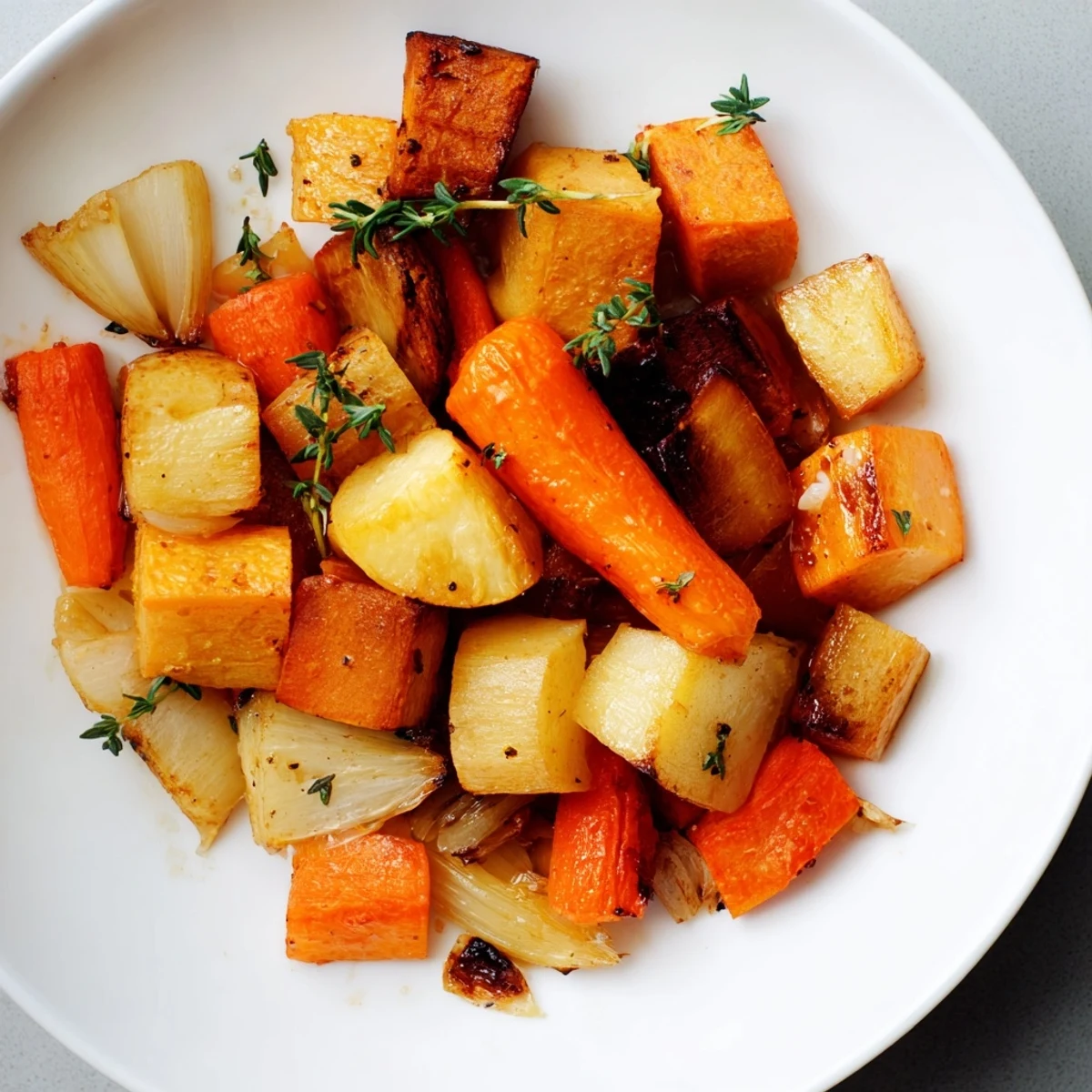
 This humble roasted root vegetable medley reminds me that good cooking doesnt always require complicated techniques or exotic ingredients. Sometimes the most satisfying dishes come from giving ordinary ingredients a little time and attention.
Recipe FAQs
- → How do I prevent vegetables from drying out during roasting?
-
Ensure all vegetables are evenly coated with olive oil and arranged in a single layer on the baking sheet. Stir halfway through cooking to promote even caramelization and prevent burning. Monitor the oven temperature to maintain consistent heat.
- → Can I prepare the vegetables ahead of time?
-
Yes, you can cut and combine vegetables up to 4 hours ahead. Store in an airtight container in the refrigerator. Toss with oil and seasonings just before roasting for best results.
- → What other root vegetables work well in this dish?
-
Try beets, turnips, regular potatoes, celeriac, or parsley root. Adjust cooking time based on size and density—denser vegetables may need a few extra minutes. Cut all pieces to similar sizes for even cooking.
- → How can I make this a complete vegetarian main course?
-
Serve over cooked quinoa, lentils, or farro for added protein and substance. Top with crumbled feta, goat cheese, or tahini drizzle. Pair with a fresh green salad for a balanced meal.
- → Is fresh thyme necessary or can I use dried?
-
Both work beautifully. Use 2 tablespoons fresh thyme leaves or 2 teaspoons dried thyme. Add dried herbs at the beginning of roasting, while fresh thyme can be added halfway through or as a garnish for brighter flavor.
- → What temperature should vegetables be fork-tender?
-
Roast at 425°F for optimal caramelization. Vegetables should be golden on the edges and easily pierced with a fork. This typically takes 30-35 minutes depending on your oven and vegetable size.