
 Save to Pinterest
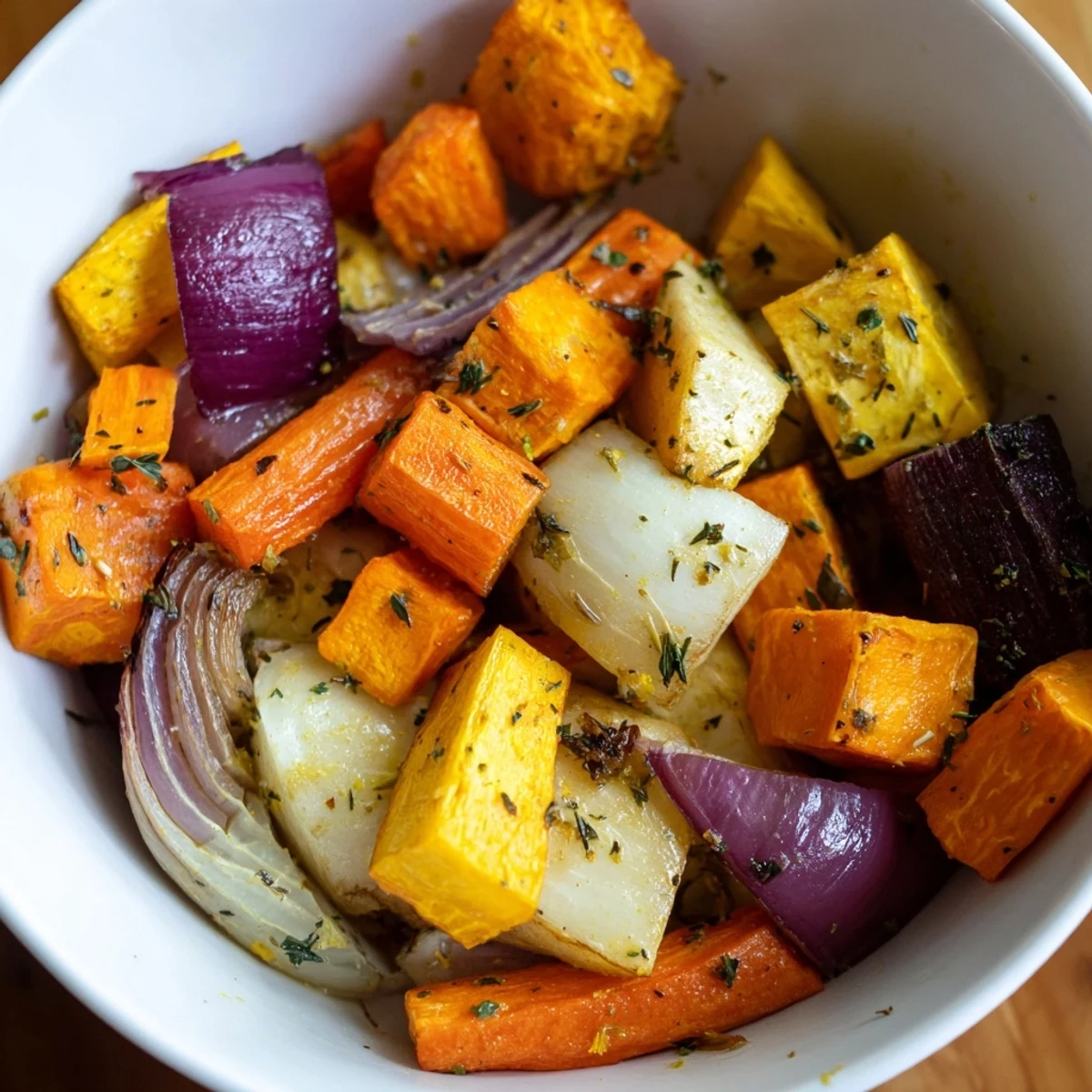
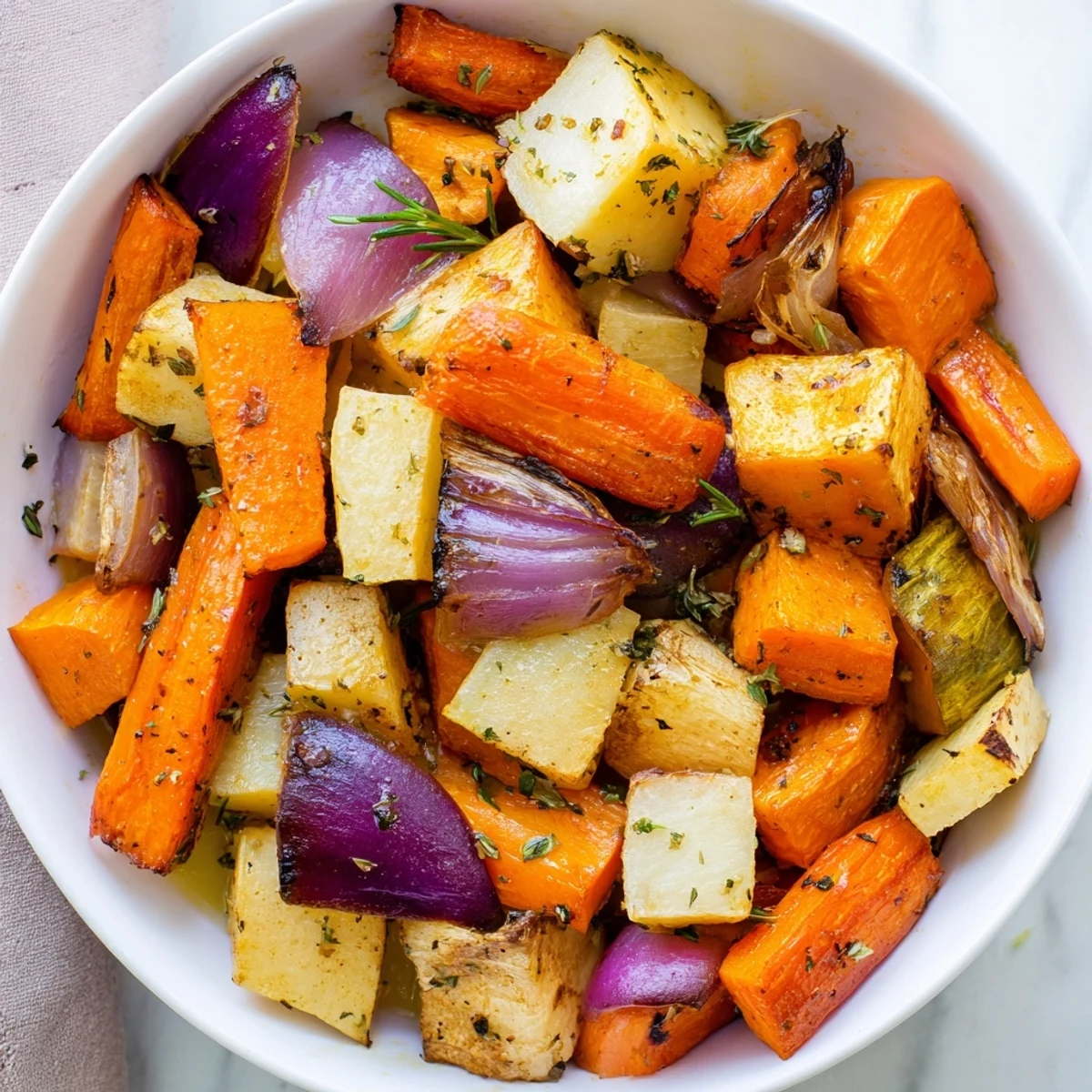
 This vibrant medley celebrates the natural sweetness and earthiness of seasonal root vegetables like carrots, parsnips, and sweet potatoes. Tossed with olive oil, garlic, rosemary, and thyme, these veggies roast until golden and tender, bringing out deep, aromatic flavors. Garnished with fresh parsley and lemon zest, it offers a comforting and wholesome side that complements a variety of meals. Easy to prepare and naturally gluten- and dairy-free, this dish highlights the beauty of simple, fresh ingredients.
There's something about autumn that makes me pull out a baking sheet and start chopping vegetables without much of a plan. One October evening, I roasted whatever root vegetables were languishing in my crisper drawer—carrots, parsnips, a sweet potato—tossed them with rosemary and olive oil, and the kitchen filled with this warm, almost caramelized smell that made everyone stop what they were doing. That's when I realized this simple dish had become something I made constantly, not because it was fancy, but because it actually tasted like comfort.
I'll never forget the Sunday I made this for my sister's potluck, nervous it was too simple to contribute. Someone came back for thirds, then asked for the recipe, then three other people did the same. I realized then that not everything needs to be complicated or trendy—sometimes the best dishes are just vegetables treated with respect and a little bit of heat.
Ingredients
- Carrots: Pick ones that feel firm with no soft spots; the sweetness deepens when roasted and pairs beautifully with the earthier vegetables.
- Parsnips: Often overlooked, but they become almost creamy inside with crispy edges if you don't cut them too small.
- Sweet potato: Adds natural sweetness and a buttery texture that balances the other roots without overwhelming them.
- Rutabaga or turnip: These give a subtle peppery note and interesting flavor depth; don't skip them thinking they'll taste bitter.
- Red onion: The acidity and slight sharpness keep the dish from feeling one-dimensional.
- Olive oil: Use something you actually like tasting because you absolutely will taste it here—good oil makes a real difference.
- Sea salt and black pepper: Coarse salt lets you feel in control of how much seasoning you're adding.
- Fresh rosemary and thyme: If you can find fresh herbs, they're worth it; the flavor is brighter and less dusty than dried.
- Garlic: Minced and scattered throughout so it roasts alongside everything else, turning sweet and mellow.
- Fresh parsley and lemon zest: These are optional but they finish the dish with brightness that cuts through the richness beautifully.
Instructions
- Heat your oven and prep your space:
- Set the oven to 425°F and line your baking sheet with parchment paper so you're not scrubbing caramelized bits later. This small step saves you frustration.
- Cut your vegetables into similar pieces:
- Aim for roughly 1-inch chunks so everything roasts in the same amount of time; smaller pieces crisp up nicely while larger ones stay tender. Your knife work doesn't need to be perfect here—rustic is actually better.
- Combine vegetables and coat with oil:
- Toss everything in a large bowl with olive oil first, which helps them cook evenly and prevents sticking. The oil is what creates those golden, caramelized edges you're after.
- Season generously:
- Add salt, pepper, herbs, and garlic, then toss again until every piece is coated. Distribute the herbs so no one vegetable gets all of them.
- Spread in a single layer:
- Don't pile the vegetables on top of each other; they need space to roast rather than steam. If your pan feels crowded, use two sheets.
- Roast and stir:
- After about 20 minutes, stir everything around so it colors evenly on all sides. The total time is 35–40 minutes, depending on your oven and how you like your vegetables.
- Finish and serve:
- Once golden and fork-tender, transfer to a serving dish and add the parsley and lemon zest if you're using them. Taste it and add more salt if needed—seasoning makes all the difference here.
 Save to Pinterest
 What struck me most was realizing this dish doesn't need anything fancy to be satisfying—just good vegetables, good oil, and enough heat to make them sing. It taught me that sometimes the most memorable meals come from paying attention to what's simple.
Choosing Your Vegetables
This recipe is genuinely flexible, which is part of why I love it. Depending on what's in season or what's in your market, you can swap in beets for earthiness, celery root for a slightly nutty flavor, or potatoes for something sturdier. The point is to choose vegetables you actually want to eat and cut them all to similar sizes. I've made this with whatever was on sale or growing in the garden, and it's never disappointed.
Flavor Variations That Work
Once you understand the basics, you can play with the herbs and seasonings without breaking anything. I've added a splash of balsamic vinegar at the end, which adds a subtle tang that deepens the flavors. Sometimes I use different herbs like oregano or sage if that's what I have, and the dish shifts slightly but stays recognizable and good. The flexibility is actually the best part because it stops the recipe from feeling like a strict formula.
Serving and Pairing Ideas
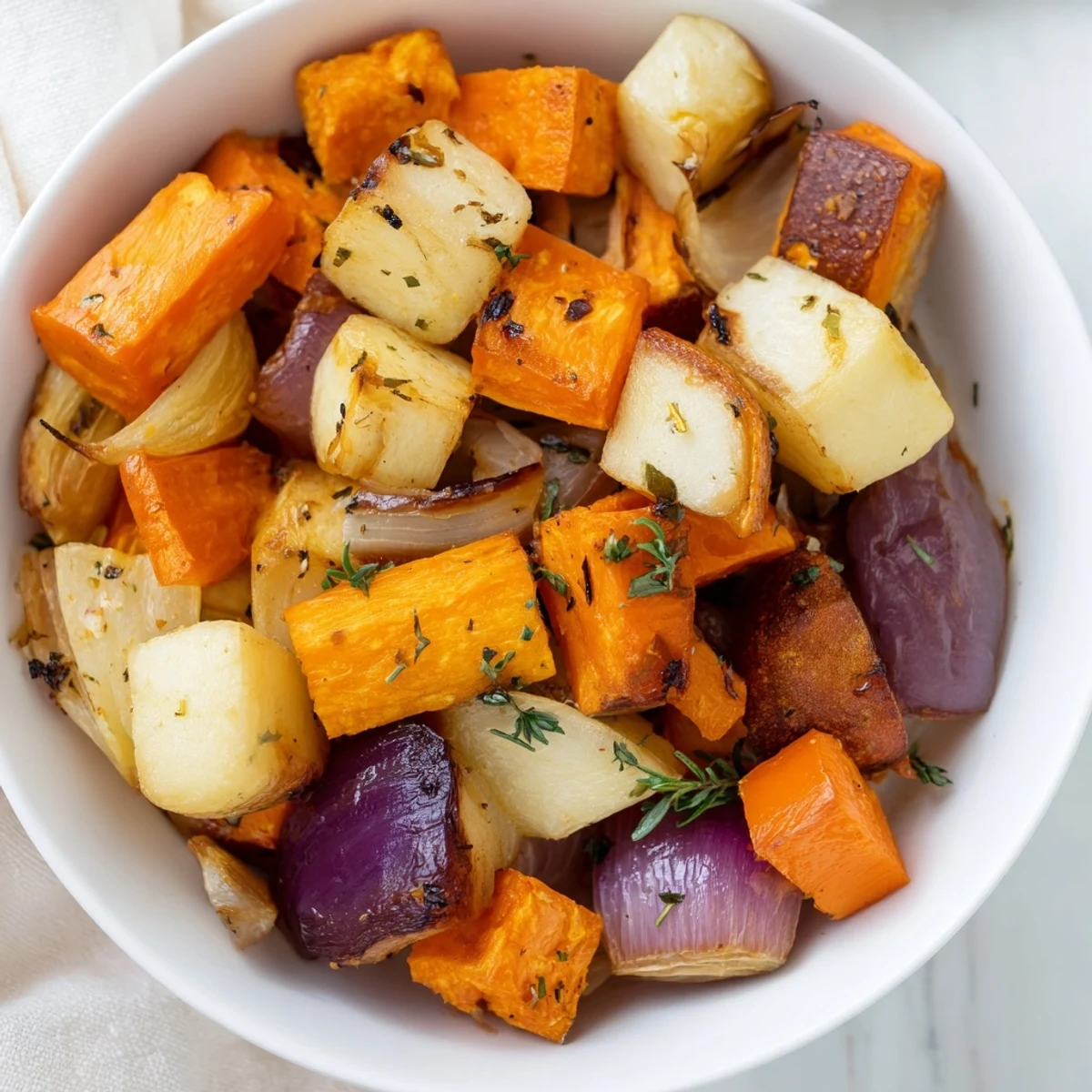
This medley is genuinely at home as a side dish next to roasted chicken or fish, or you can make it the main event by serving it over quinoa, couscous, or even crusty bread with a good olive oil. I've also made it for vegetarian guests and felt confident it wasn't an afterthought—it's substantial enough to stand on its own.
- Pair it with something with a sauce so there's textural contrast between the vegetables and the richness.
- Serve it warm right out of the oven, but it's also delicious at room temperature the next day in salads or grain bowls.
- If you have leftovers, chop them up and mix them into breakfast scrambles or grain salads for an easy lunch.
 Save to Pinterest
 This recipe taught me that good food often lives in the details—the olive oil, the fresh herbs, the time you take to stir things halfway through. It's become one of those dishes I make not because someone asked me to, but because I genuinely want to eat it.
Recipe FAQs
- → What vegetables work well in this medley?
-
Root vegetables such as carrots, parsnips, sweet potatoes, rutabaga, and red onions provide a great balance of sweetness and texture.
- → Can I substitute the herbs used in this dish?
-
Yes, fresh rosemary and thyme are suggested, but dried herbs or alternatives like sage and oregano can be used for varied flavors.
- → How do I achieve perfectly roasted vegetables?
-
Coat vegetables evenly with olive oil and seasonings, spread in a single layer on a baking sheet, and roast at 425°F until golden and tender, stirring halfway.
- → Is this suitable for special diets?
-
The medley is naturally gluten-free, dairy-free, and vegetarian-friendly, making it suitable for many dietary needs.
- → What can I serve this with?
-
This side pairs beautifully with roasted meats or can complement grain dishes like quinoa and couscous for a complete meal.