
 Save to Pinterest
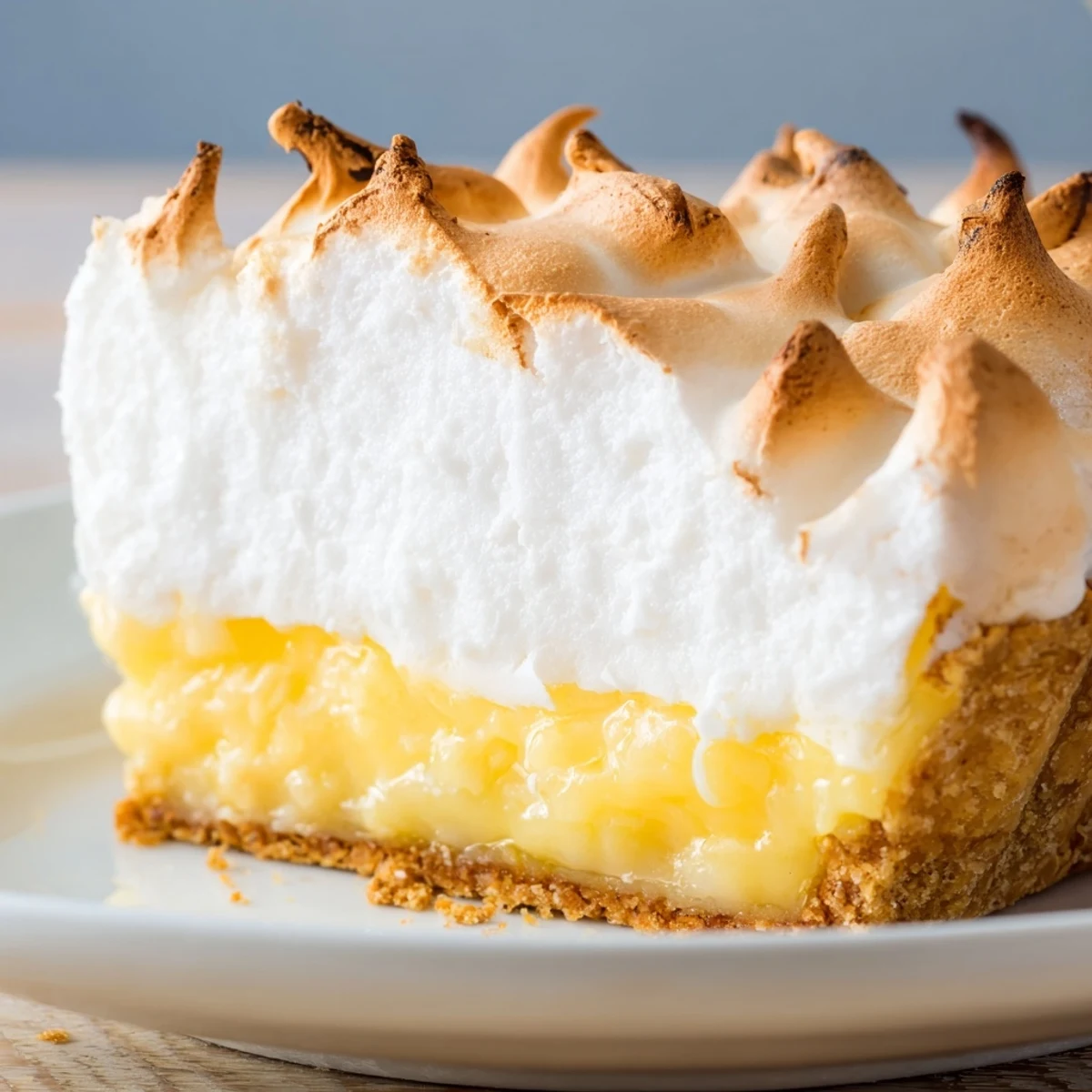
 This classic dessert features a crisp graham cracker base layered with a tangy lemon filling infused with fresh lemon juice and zest. The crowning touch is a fluffy, toasted meringue with glossy peaks that bake to golden perfection. Preparing involves baking the crust first, cooking a smooth filling, and carefully topping with whipped egg whites for a light finish. Chill well before serving for a perfect balance of sweet and tart flavors.
There's something magical about the moment you pull a lemon meringue pie from the oven and watch the meringue puff up like golden clouds. I discovered this pie during a particularly dreary Tuesday afternoon when my neighbor dropped off a slice with a knowing smile—she'd somehow sensed I needed something bright and citrusy. One bite and I was convinced that the combination of tangy lemon, buttery graham cracker, and cloud-soft meringue was the perfect antidote to any day.
I made this pie for the first time when my daughter asked me to bring dessert to a school potluck, and I'll never forget how she whispered to her friend that her mom had actually made it from scratch. That little moment of pride made me understand why people spend hours in kitchens—it's not really about the dessert, it's about the invisible thread connecting you to the people who taste it.
Ingredients
- Graham cracker crumbs: The foundation that tastes like comfort—make sure they're finely crushed so the crust packs down evenly without any large shards poking through.
- Granulated sugar (for crust and filling): Acts as both a sweetener and, in the filling, works with cornstarch to create that silky-smooth custard texture.
- Unsalted butter: Gives the crust richness and helps the meringue caramelize to that perfect golden color.
- Cornstarch: The secret weapon that thickens the filling without making it taste floury—use it generously or you'll end up with a soupy pie.
- Fresh lemon juice: Never use bottled if you can help it; fresh lemons have a brightness that tastes alive on your tongue.
- Lemon zest: This tiny addition carries more flavor than the juice alone—zest before cutting the lemon in half.
- Egg yolks and whites: Keep them completely separated; even a whisper of yolk will prevent your meringue from reaching those stiff, glossy peaks.
- Cream of tartar: Stabilizes the egg whites and helps prevent the meringue from deflating or weeping.
- Vanilla extract: A final whisper that rounds out the sweetness without competing with the lemon.
Instructions
- Toast your crust:
- Mix the graham cracker crumbs with sugar, salt, and melted butter until it resembles wet sand, then press it firmly into your pie dish, making sure to go up the sides evenly. Bake at 350°F for 8 to 10 minutes until it smells toasted and turns golden—this brief bake sets the texture so it doesn't turn soggy.
- Build the filling base:
- In your saucepan, whisk together sugar, cornstarch, and salt, then slowly add water while whisking to prevent lumps. Cook over medium heat, stirring constantly, until you see it bubble and thicken—this usually takes about 5 minutes and you'll notice it transitions from cloudy to glossy.
- Temper those egg yolks:
- This step prevents scrambled eggs in your pie: beat your yolks lightly, then slowly ladle in about half a cup of the hot mixture while whisking constantly, then pour everything back into the saucepan. Keep stirring for 2 minutes so the yolks cook through but stay creamy.
- Finish with brightness:
- Remove from heat and stir in your fresh lemon juice, zest, and butter until completely smooth and silky. Pour this into your cooled crust while it's still warm—the warmth helps it set properly.
- Create meringue magic:
- In a completely clean bowl, beat egg whites with cream of tartar until they form soft peaks, then gradually add sugar while beating. You'll feel the texture change under the mixer—keep going until the peaks are stiff and glossy, then beat in vanilla.
- Top and bake:
- Spread the meringue over the hot filling, making sure to seal it all the way to the crust edge so it won't shrink away. Use the back of your spoon to create little peaks that will toast to golden brown in the oven.
- Cool with patience:
- Bake for 15 to 18 minutes until the meringue is lightly golden, then let it cool on the counter for a full hour before chilling. This gradual cooling prevents cracks and keeps the meringue from weeping.
 Save to Pinterest
 I once watched my father take a bite of this pie at Thanksgiving, close his eyes for a moment, and then ask for seconds before he'd finished his first slice. That's when I understood that some recipes aren't really recipes at all—they're small edible moments that say things words can't quite capture.
The Graham Cracker Crust Secret
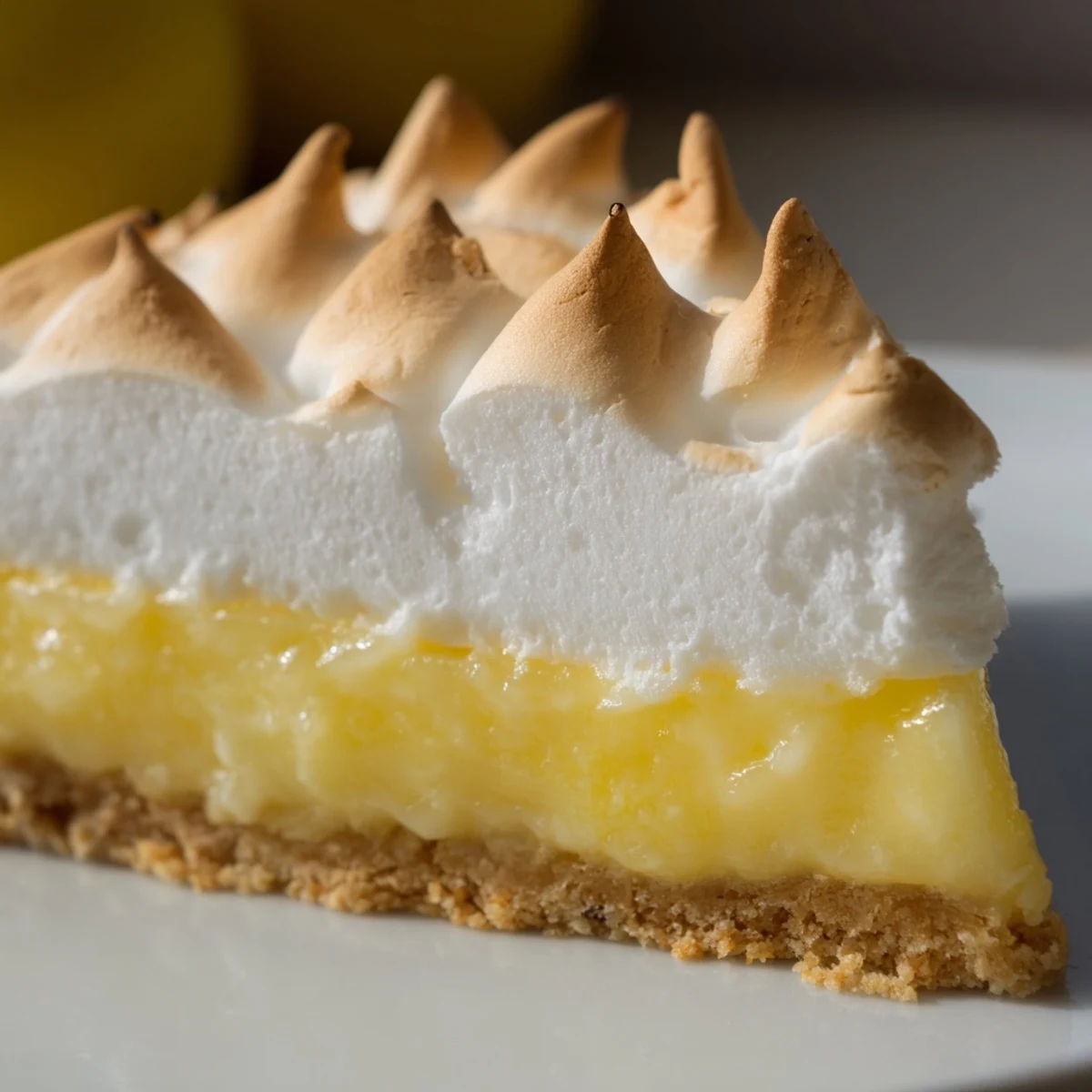
The crust is where many lemon meringue pies falter, becoming either soggy or gritty depending on how you handle it. I learned the hard way that the brief initial bake at 350°F is crucial—it dries out the crust just enough that it stays crisp even with the moist filling pressing against it. If you skip this step, by the time you cut the pie, the bottom will be soft and mushy, which defeats the whole purpose of choosing a cracker crust over traditional pastry.
Mastering the Meringue
Meringue intimidates people, but it's actually just sweetened egg whites beaten to glossy perfection—there's no magic, only technique. The cream of tartar keeps the whites stable, and the gradual sugar addition ensures you get a silky meringue rather than a grainy one. What surprised me after making this dozens of times is how sensitive meringue is to humidity; on damp days, it takes longer to reach stiff peaks, and sometimes you'll need an extra minute of beating.
Making It Your Own
This pie welcomes subtle variations without losing its soul, which is partly why it's endured for generations. A pinch of ground ginger in the crust adds warmth without announcing itself, and some people swear by a tiny splash of almond extract in the meringue. If you're feeling adventurous, a whisper of cardamom in the filling itself creates something both familiar and unexpected.
- For extra tang, use the zest of two lemons and reduce the granulated sugar to 3/4 cup.
- A tablespoon of honey added to the meringue creates an even silkier texture and prevents weeping.
- If your filling seems too tart, remember that meringue adds sweetness—taste before you judge.
 Save to Pinterest
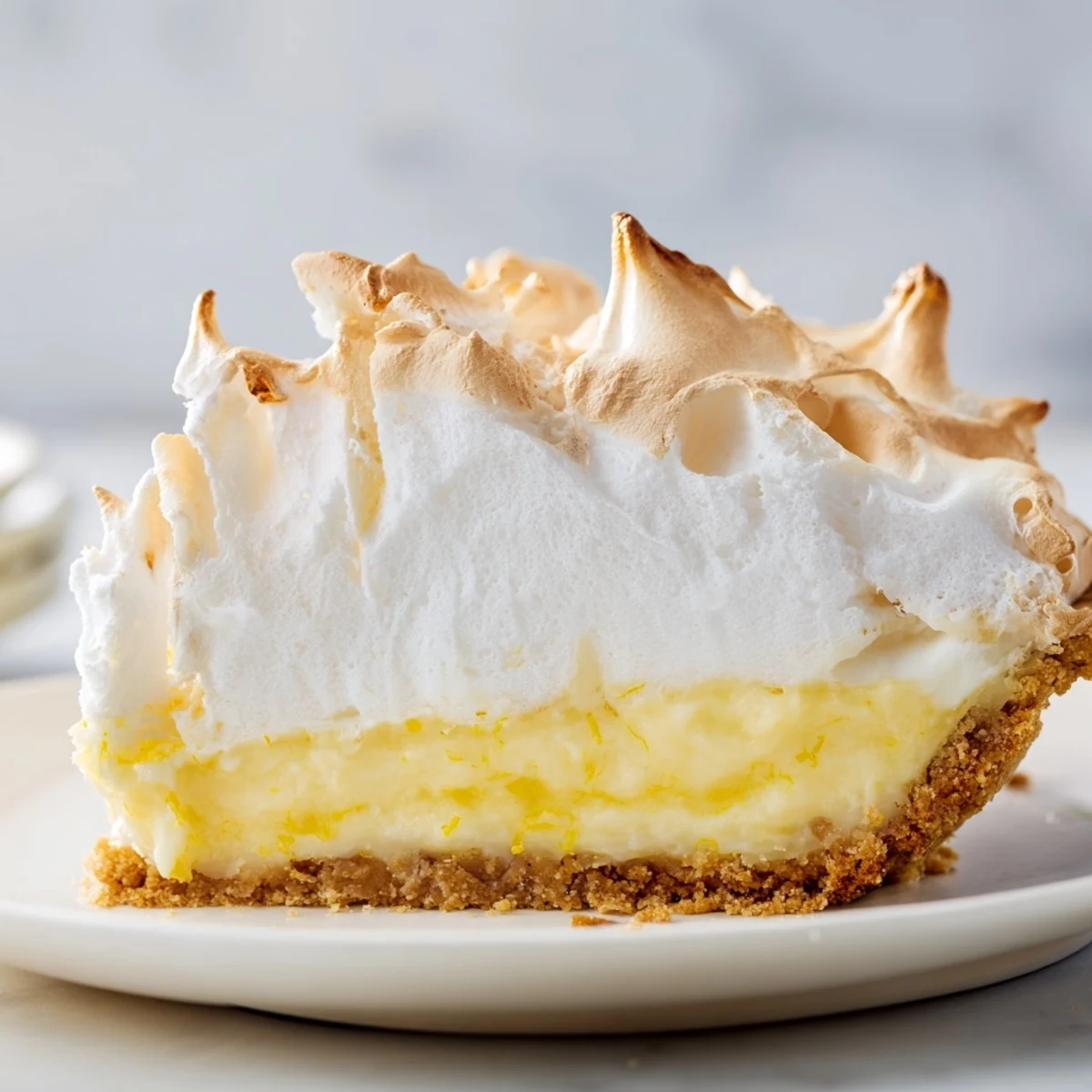
 There's real joy in pulling a homemade lemon meringue pie from the oven and knowing you've created something that tastes like summer and comfort all at once. Slice it with a knife dipped in warm water between cuts, and watch people's faces light up at that first bite.
Recipe FAQs
- → How do I achieve a crisp graham cracker crust?
-
Combine graham cracker crumbs with melted butter and sugar, then press firmly into the pan. Bake briefly until lightly golden for a crisp texture.
- → What makes the lemon filling thick and smooth?
-
Cooking the mixture of sugar, cornstarch, and fresh lemon juice over medium heat while whisking constantly creates a thick, creamy filling.
- → How can I prevent the meringue from weeping?
-
Ensure the meringue is spread onto the hot filling sealing the edges, bake until golden, then cool at room temperature before chilling to avoid moisture buildup.
- → Can I add extra flavor to the crust?
-
Yes, adding a pinch of ground ginger enhances the crust’s flavor, offering a subtle spicy note that complements the lemon.
- → What tools are recommended for making the meringue?
-
Use a clean electric mixer or stand mixer to whip egg whites with cream of tartar and sugar until stiff, glossy peaks form.