
 Save to Pinterest
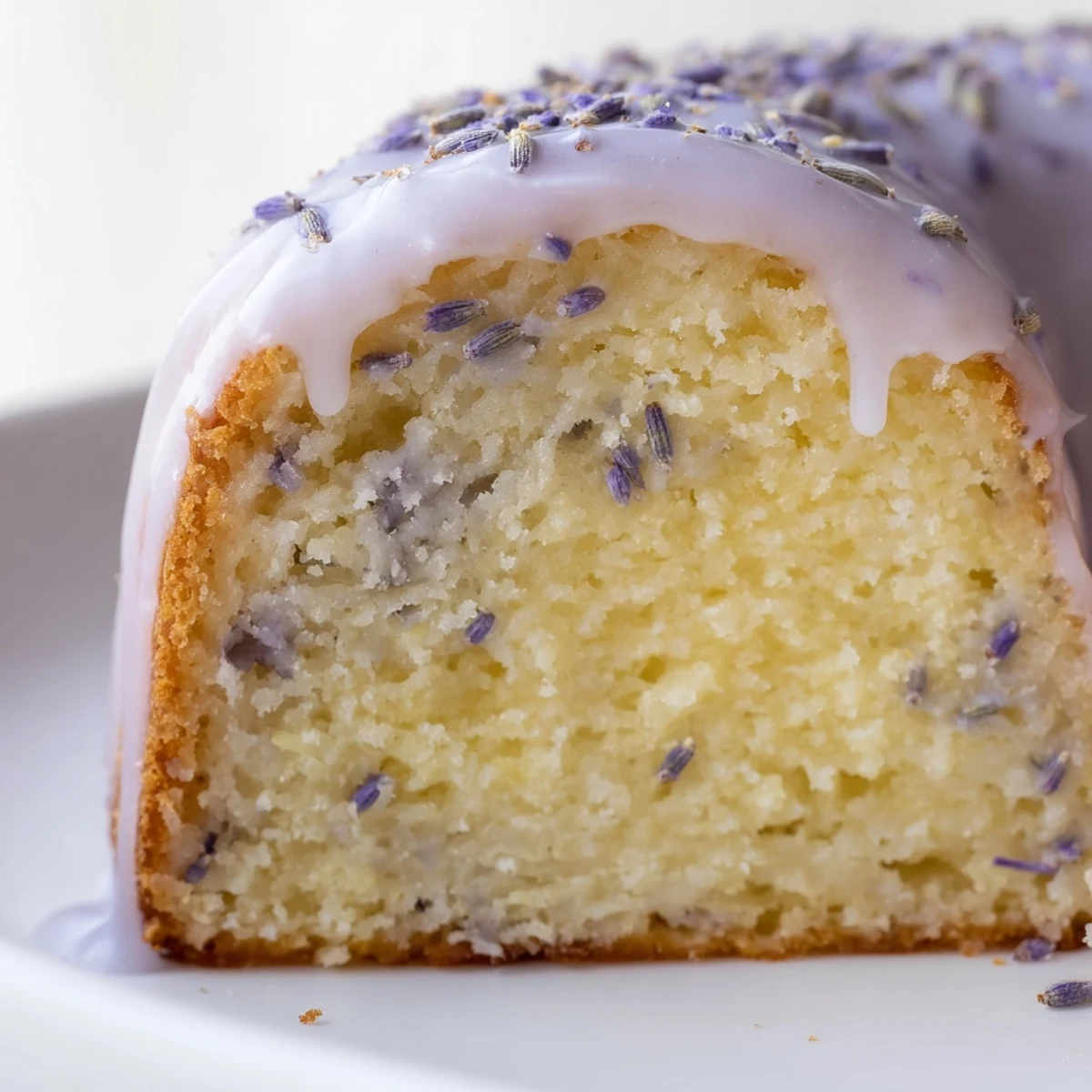
 This delicate European-style dessert combines the aromatic essence of culinary lavender with a tender, moist crumb. The batter incorporates finely chopped lavender buds alongside vanilla for a fragrant profile that shines through butter and sugar. An optional soaking syrup enhances moisture while infusing additional floral notes. The finishing touch—a smooth lemon-lavender glaze—adds brightness and visual appeal. Perfect for afternoon tea gatherings, spring celebrations, or whenever you crave something elegantly floral. The flavor pairs beautifully with Earl Grey tea and can be adjusted for subtler notes by reducing the lavender quantity.
The scent of lavender always pulls me back to a tiny bakery in Provence where I watched the owner carefully fold dried buds into buttercream. She told me lavender should whisper, not shout, and that single piece of advice transformed everything I thought I knew about baking with flowers. When I recreated that experience at home, my entire apartment smelled like a summer garden, and I knew this cake would become a staple.
I first made this for my mother's birthday, skeptical about whether she would embrace something so floral. She took one bite and closed her eyes, immediately asking for the recipe, and now she requests it for every special occasion. The way the lemon glaze cuts through the fragrant lavender creates this beautiful harmony that keeps people coming back for just one more thin slice.
Ingredients
- All-purpose flour: The foundation that gives structure to this delicate cake
- Baking powder: Essential for that light, tender crumb we want
- Salt: Just a pinch to balance the sweetness and brighten flavors
- Unsalted butter: Softened properly so it incorporates beautifully and creates pockets of air
- Granulated sugar: Sweetens while also helping create that tender texture
- Large eggs: Bring structure and richness to the batter
- Culinary lavender buds: Food grade only, and chop them finely to distribute evenly
- Vanilla extract: Pairs beautifully with lavender and rounds out the flavor
- Whole milk: Adds moisture and helps create a tender crumb
- Water and sugar for syrup: Optional but creates that extra moist, fragrant finish
- Powdered sugar: Creates the smooth, pourable glaze consistency
- Fresh lemon juice: Cuts the floral sweetness with just the right brightness
Instructions
- Get your oven ready:
- Preheat to 350°F (175°C) and thoroughly grease an 8-inch round cake pan, then dust with flour for easy release later.
- Whisk the dry ingredients:
- Combine flour, baking powder, and salt in a bowl, then set it aside while you work on the wet ingredients.
- Cream the butter and sugar:
- Beat them together until the mixture turns pale and fluffy, which takes about 3-5 minutes of patient mixing.
- Add eggs and flavor:
- Beat in eggs one at a time, then mix in your chopped lavender buds and vanilla until everything is evenly distributed.
- Combine everything:
- Alternate adding the flour mixture and milk, starting and ending with flour, and mix just until combined.
- Bake the cake:
- Pour batter into your prepared pan, smooth the top, and bake for 25-30 minutes until a toothpick comes out clean.
- Make the syrup:
- While the cake bakes, simmer water, sugar, and lavender for 3 minutes, then strain and set aside to cool slightly.
- Soak the cake:
- Let the cake cool for 10 minutes, poke small holes all over the top, and gently brush with warm syrup.
- Prepare the glaze:
- Whisk powdered sugar with lemon juice and finely chopped lavender until completely smooth and pourable.
- Finish and serve:
- Drizzle the glaze over the completely cooled cake, let it set for about 15 minutes, then slice and serve.
 Save to Pinterest
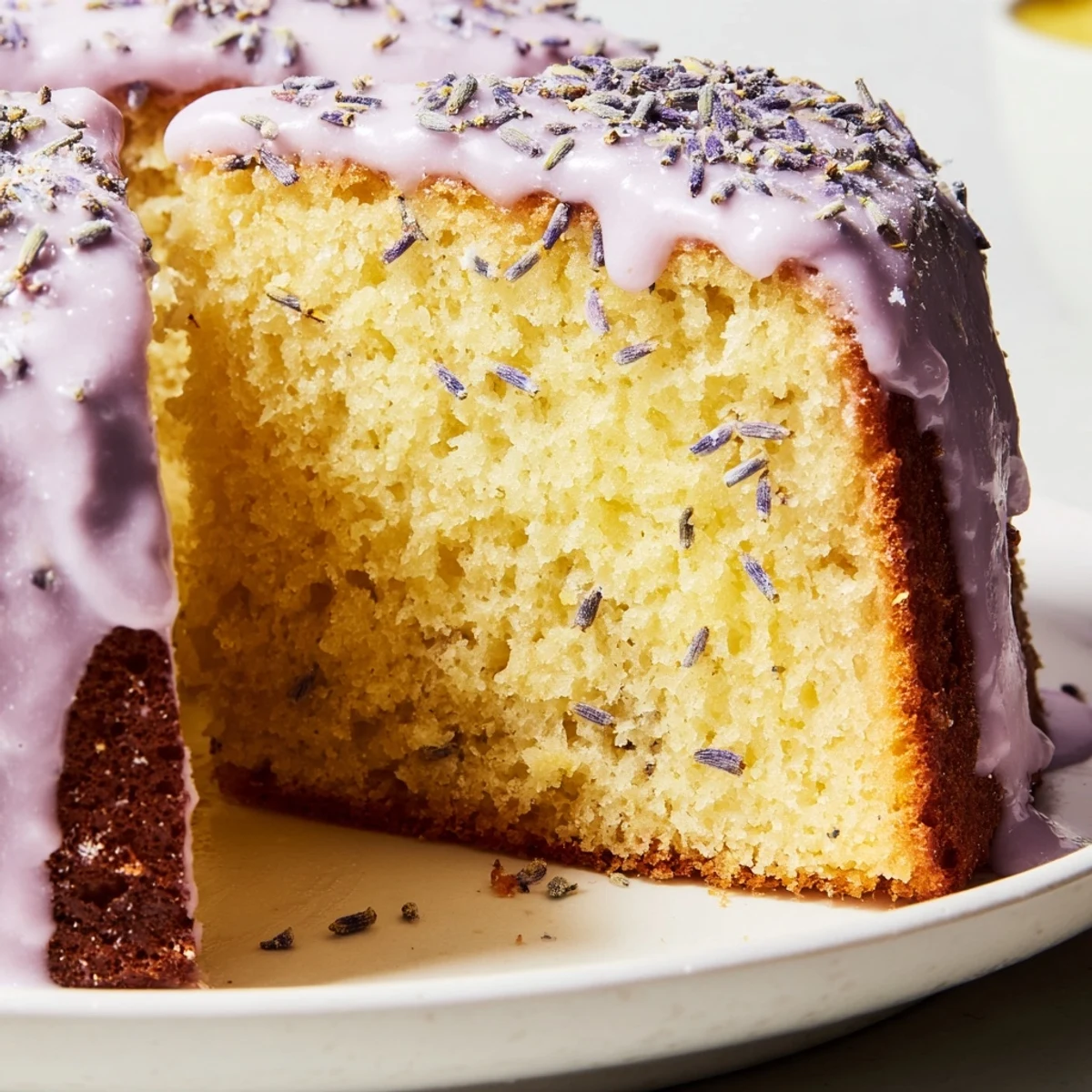
 This cake has become my go-to when I need something that feels special without requiring hours of effort. Last summer I served it at a garden party and three guests asked for the recipe before they even finished their first slice.
Working with Lavender
The biggest mistake I see with lavender is treating it like an extract rather than an herb. You want to taste it, not be overwhelmed by it, and starting with the full amount then dialing back in future batches is the smartest approach. I keep a small jar of chopped culinary lavender in my pantry just for these moments when something floral feels right.
Making It Your Own
Sometimes I swap the lemon glaze for a honey version when I want an even more floral profile. Other times I add a handful of fresh blueberries to the batter for a rustic twist that works surprisingly well with the lavender.
Storage and Serving Tips
This cake actually improves after a day, wrapped tightly at room temperature, as the flavors have time to meld and mellow. I love serving it with Earl Grey tea or a glass of sparkling wine for afternoon guests.
- Wrap leftovers in plastic wrap and they will stay fresh for 3-4 days
- The glaze may weep slightly if refrigerated, so room temperature storage is best
- Bring the cake to room temperature before serving for the best texture and flavor
 Save to Pinterest
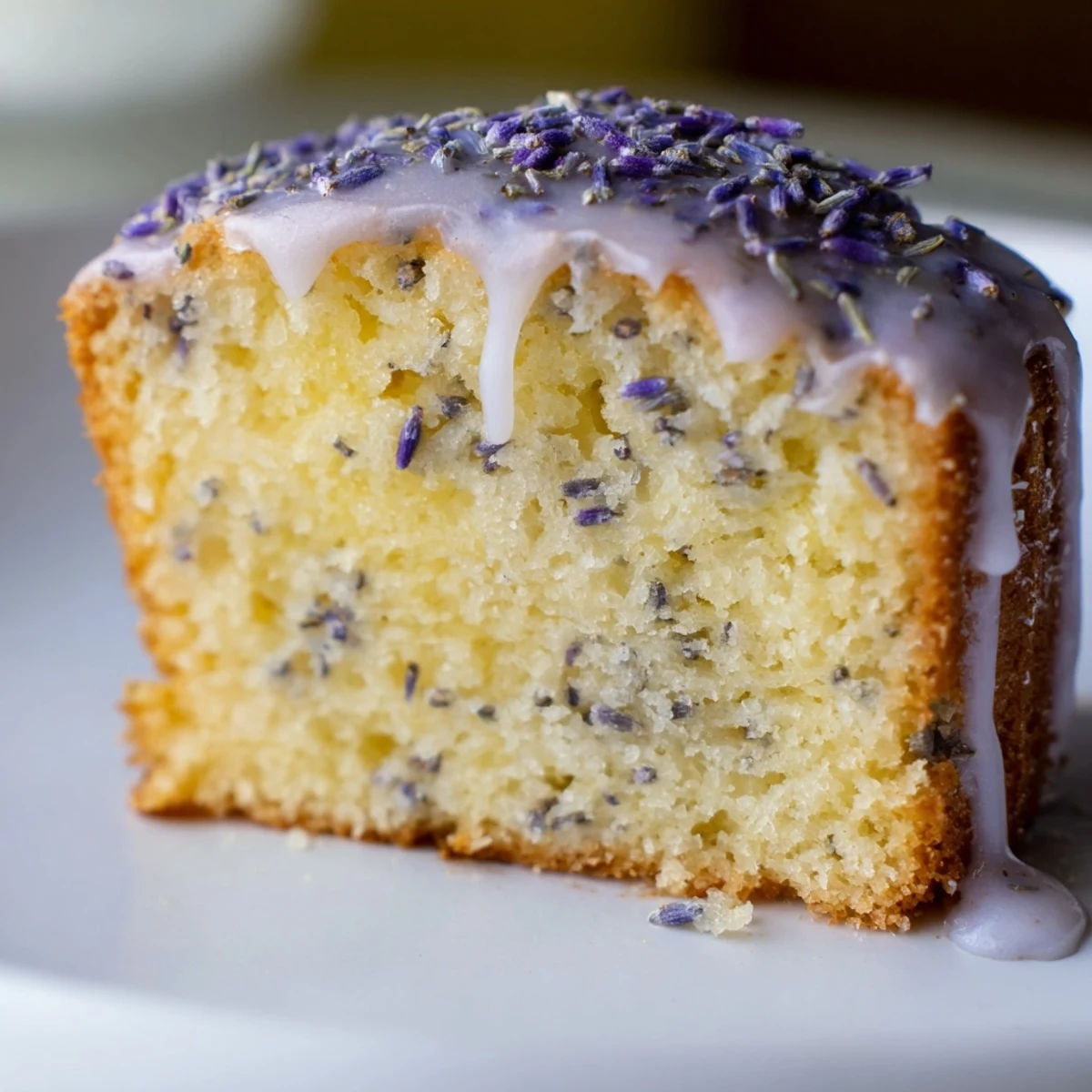
 Every time I pull this cake from the oven, that fragrant steam reminds me why floral desserts deserve more attention in our kitchens. Hope it brings a little summer to your table too.
Recipe FAQs
- → What type of lavender should I use?
-
Use culinary-grade lavender buds specifically meant for cooking. Regular garden lavender or potpourri may contain pesticides or have an overly strong flavor. Food-grade lavender provides the right balance of fragrance without bitterness.
- → Can I make the lavender flavor more subtle?
-
Absolutely. Reduce the amount of lavender buds in both the batter and glaze by half for a gentler floral note. You can also infuse the milk with lavender flowers, strain them out, and use the infused milk for a lighter flavor profile.
- → How should I store this cake?
-
Keep the glazed cake in an airtight container at room temperature for up to 2 days. For longer storage, refrigerate for up to 5 days, though bring it to room temperature before serving for the best texture and flavor. The cake also freezes well for up to 3 months.
- → What can I serve with lavender cake?
-
Earl Grey tea makes a perfect pairing, complementing the floral notes with bergamot. Fresh berries like strawberries or raspberries provide a nice contrast. A dollop of clotted cream or whipped cream adds richness. For beverages, consider champagne or a light white wine.
- → Can I make this gluten-free or dairy-free?
-
Yes, with substitutions. Use a 1:1 gluten-free flour blend for the all-purpose flour. Replace whole milk with almond or oat milk, and use a plant-based butter alternative or coconut oil. Keep in mind that texture may vary slightly from the original version.
- → Why is my lavender cake bitter?
-
Bitterness usually comes from using too much lavender or the wrong variety. Stick to 1-2 tablespoons per cake and always use culinary-grade buds. Some varieties like English lavender (Lavandula angustifolia) are sweeter, while others can be more camphorous. Grinding the buds too finely can also release bitter oils.