
 Save to Pinterest
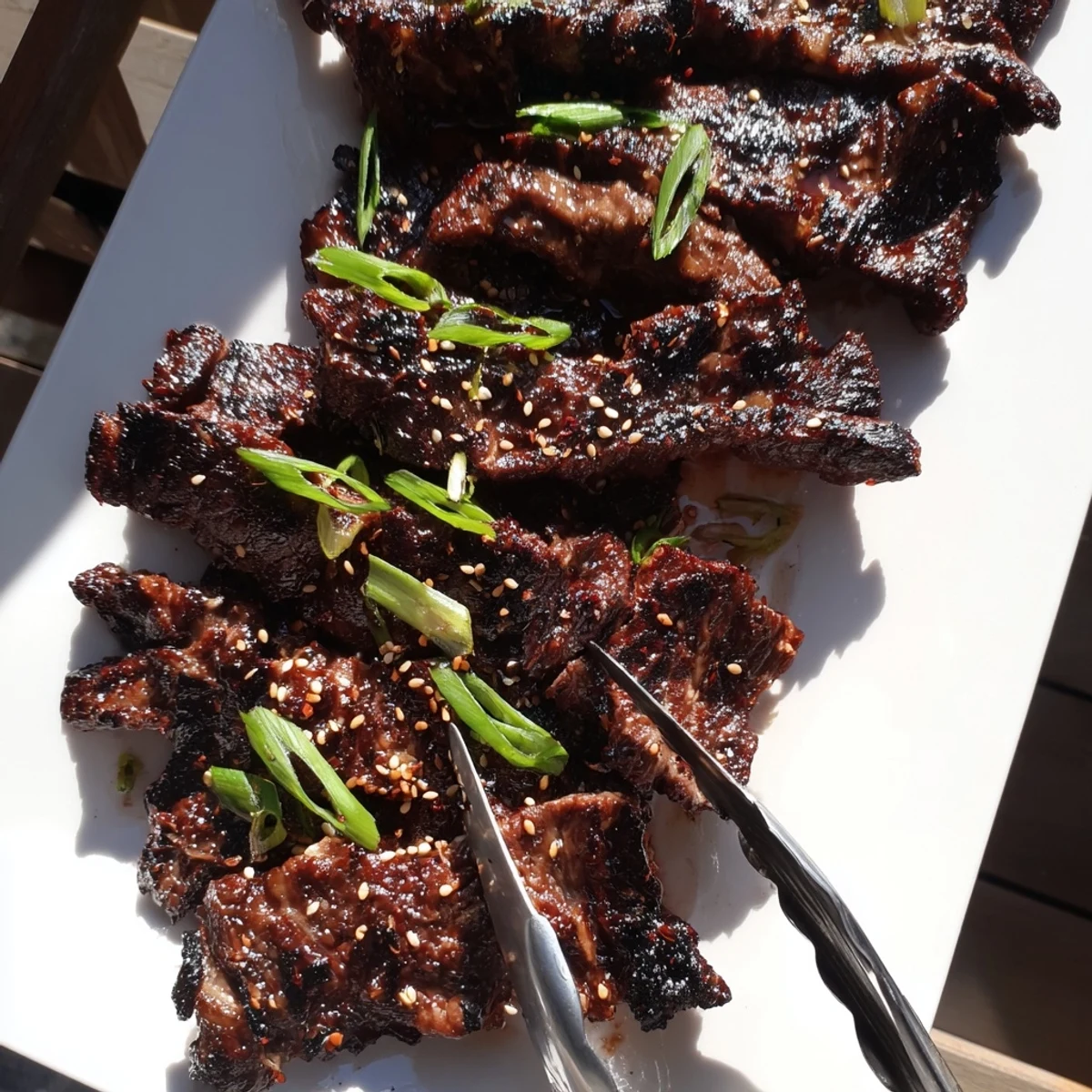
 Korean Galbi features flanken-cut beef short ribs soaked in an aromatic marinade of soy sauce, brown sugar, honey, mirin, sesame oil, garlic, ginger, and grated Asian pear. The fruit enzymes naturally tenderize the meat while adding subtle sweetness.
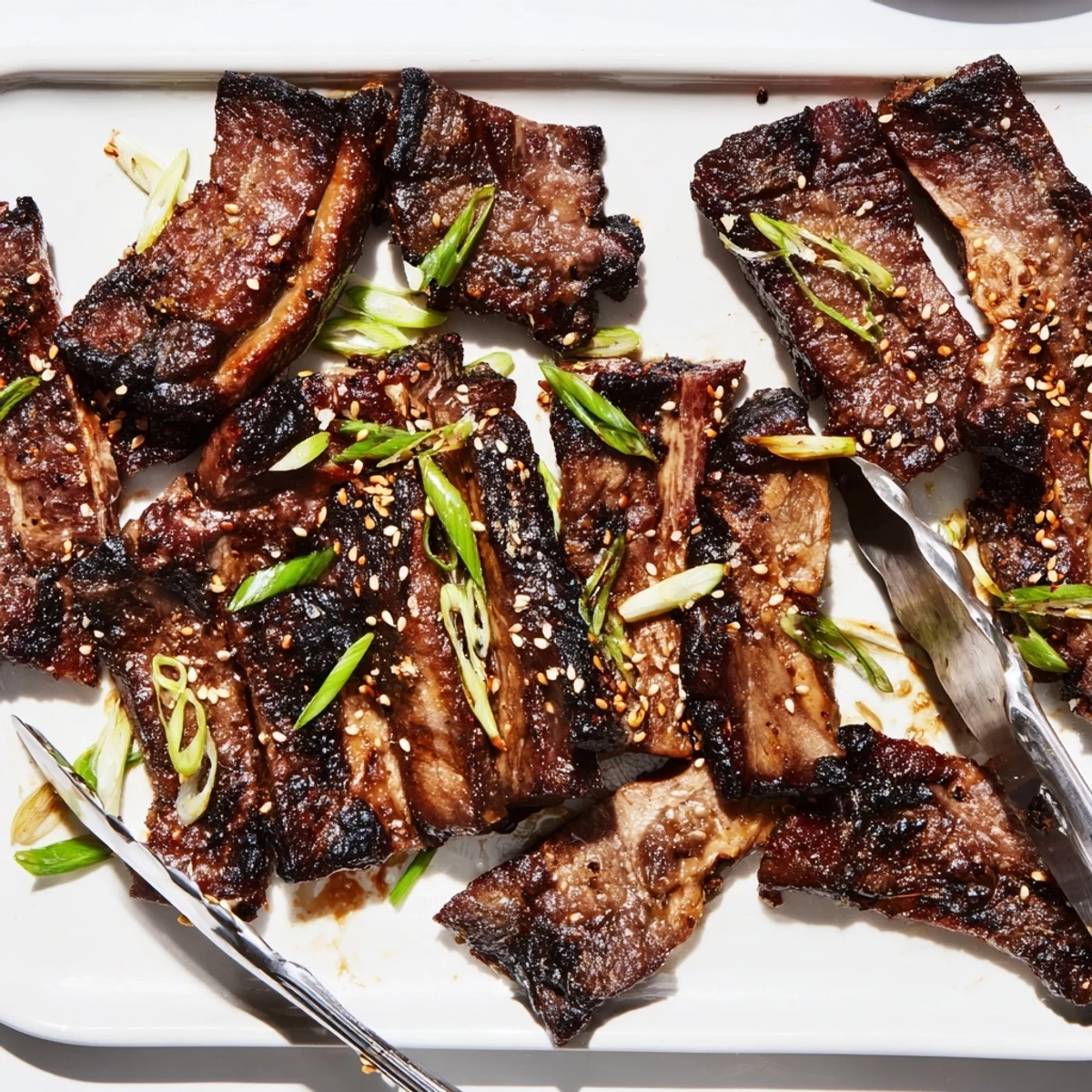
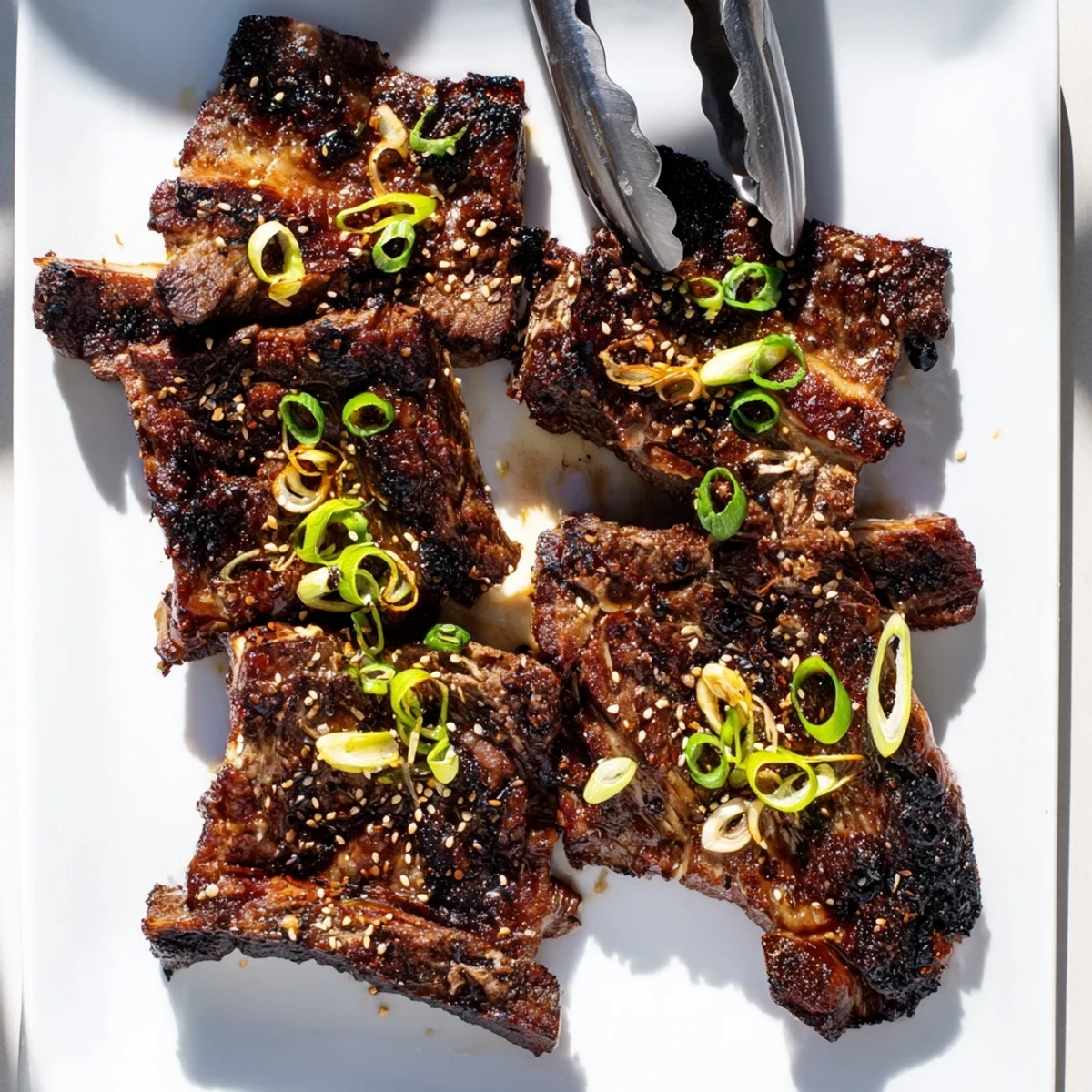
After marinating for at least four hours (or overnight for optimal results), the ribs grill quickly over medium-high heat, developing caramelized edges and light char. The result is incredibly tender, juicy beef with deep umami flavor and perfect balance of sweet and savory notes.
These grilled ribs shine at summer cookouts and dinner parties, served alongside steamed rice and kimchi for an authentic Korean dining experience.
The smell of sesame and caramelizing sugar hitting a hot grill still takes me back to my friend Jin\'s rooftop in Seoul. We crowded around a small portable grill while short ribs sputtered and hissed, everyone reaching in with tongs at the exact same moment. He laughed and said good galbi brings people together like nothing else.
Last summer I made these ribs for my dad\'s birthday, doubling the recipe because I know how he gets around Korean barbecue. He stood by the grill the entire time, supervising the char level and sneaking pieces as soon as they came off. By the time we sat down to eat, he\'d already sampled half the platter.
Ingredients
- Flanken-cut beef short ribs: This cut is essential because the thin slices cook quickly and absorb marinade deeply
- Soy sauce: The foundation of that rich umami base that makes Korean barbecue so addictive
- Brown sugar and honey: Together they create the perfect caramelization when the meat hits high heat
- Sesame oil: Toasted sesame oil adds that unmistakable nutty finish that defines the dish
- Fresh ginger: Grated fresh brings a bright kick that dried ginger can never replicate
- Asian pear: The natural enzymes tenderize the meat while adding subtle sweetness
- Garlic: Four cloves might seem like a lot but garlic is the backbone of the flavor profile
- Mirin: Rice wine adds depth and helps balance the salty elements with slight sweetness
Instructions
- Prep the meat:
- Rinse those ribs under cold water and pat them completely dry with paper towels so the marinade clings properly.
- Whisk the marinade:
- Combine soy sauce, brown sugar, honey, mirin, sesame oil, garlic, ginger, grated pear, onion, black pepper, green onions, and sesame seeds in a large bowl until the sugar dissolves completely.
- Marinate thoroughly:
- Submerge each rib in the mixture, cover, and refrigerate for at least four hours or overnight if you want the flavor to really penetrate.
- Get the grill screaming hot:
- Preheat your grill or grill pan over medium-high heat until it\'s ready to sear immediately.
- Grill to perfection:
- Cook the ribs for three to four minutes per side until they develop that gorgeous caramelized exterior with slight char around the edges.
- Finish with garnish:
- Transfer to a serving platter and scatter fresh green onions and sesame seeds over the top while they\'re still sizzling hot.
 Save to Pinterest
 My roommate used to hover around the kitchen whenever the marinating container came out of the fridge. She said the smell of the developing sauce was better than perfume and kept suggesting we start grilling earlier than planned.
Choosing The Right Cut
Flanken-style short ribs are cut across the bone into thin strips, which is completely different from the thick English-cut ribs you might braise. Look for pieces about a half-inch thick with three or four small bones running through each strip. This cut cooks fast and stays tender.
The Charcoal Factor
A gas grill works perfectly fine, but charcoal adds something elemental that propane can never quite replicate. The smoke from the coals mingles with the caramelizing marinade and creates layers of flavor that people notice without being able to pinpoint why it tastes so good.
Serving It Right
Korean barbecue is meant to be communal and relaxed. Set everything out on the table and let people build their own bites.
- Keep a pair of kitchen shears handy for snipping ribs into smaller pieces
- Offer lettuce leaves for wrapping with a dab of gochujang
- Never skip the kimchi on the side, it cuts through the richness beautifully
 Save to Pinterest
 There\'s something deeply satisfying about food that brings everyone to the same table at the same time, reaching and laughing and eating together.
Recipe FAQs
- → What cut of beef works best for galbi?
-
Flanken-cut beef short ribs are traditional for galbi. This cut slices across the bone into thin strips, allowing the marinade to penetrate deeply and cook quickly on the grill. Ask your butcher for flanken-style short ribs specifically.
- → Why include Asian pear in the marinade?
-
Asian pear contains natural enzymes that break down proteins, tenderizing the meat effectively. It also adds subtle sweetness and helps create a beautifully caramelized exterior when grilled. If unavailable, apple or kiwi makes a suitable substitute.
- → How long should the ribs marinate?
-
Marinate for at least four hours, though overnight marinating yields the most tender and flavorful results. The extended time allows the fruit enzymes to work and enables the savory-sweet marinade to fully permeate the beef.
- → Can galbi be cooked indoors?
-
A grill pan or cast-iron skillet works beautifully for indoor preparation. Preheat over medium-high heat and cook for similar timing. You'll still achieve excellent caramelization, though charcoal grilling adds authentic smoky notes.
- → What sides complement Korean grilled ribs?
-
Steamed white rice, kimchi, and various banchan (small side dishes) create a complete Korean meal. Fresh lettuce leaves for wrapping, ssamjang paste, and garlic cloves on the side enhance the traditional dining experience.
- → Is this dish gluten-free?
-
Traditional galbi contains soy sauce, which typically includes wheat. Make it gluten-free by substituting tamari or certified gluten-free soy sauce. All other ingredients naturally contain no gluten.