
 Save to Pinterest
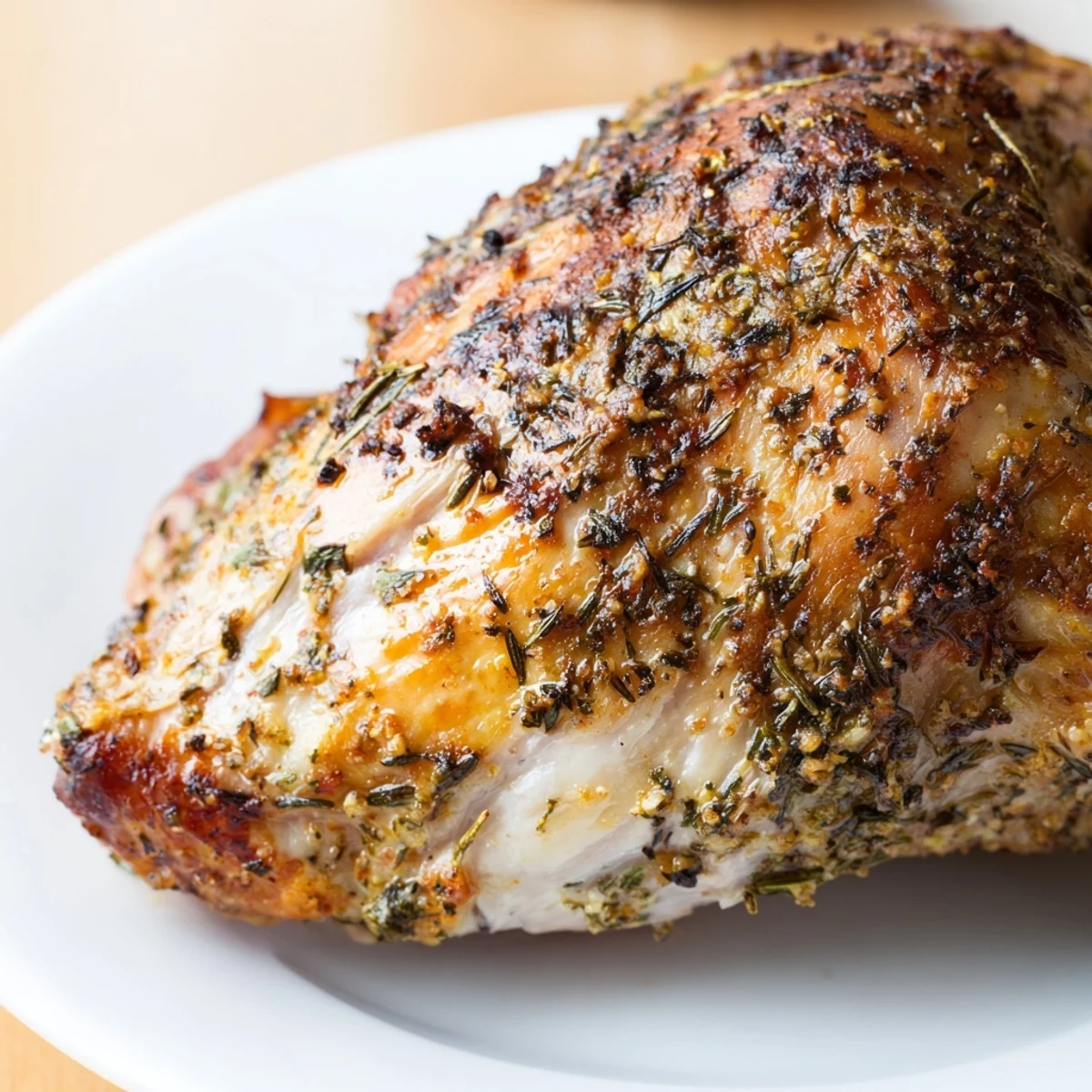
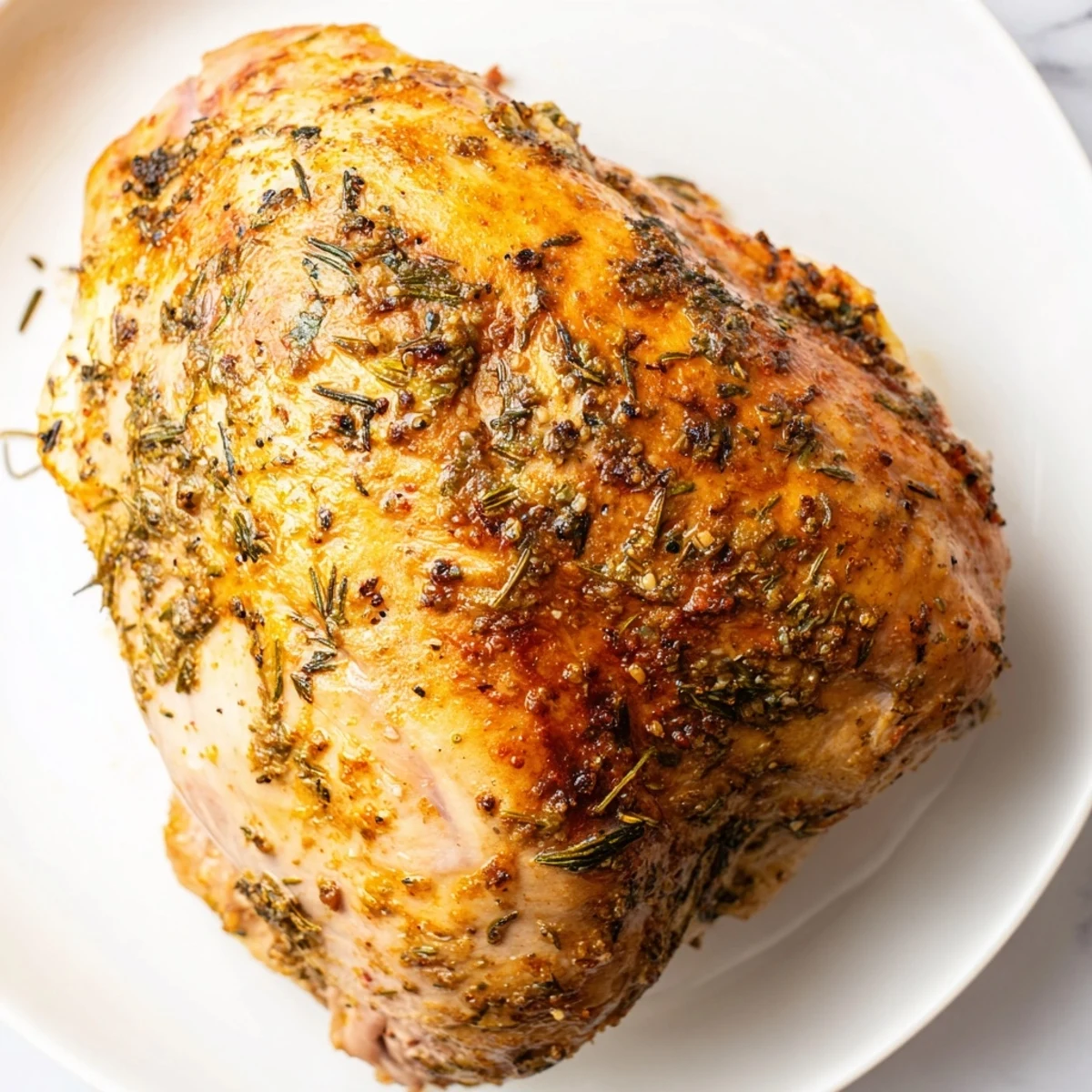
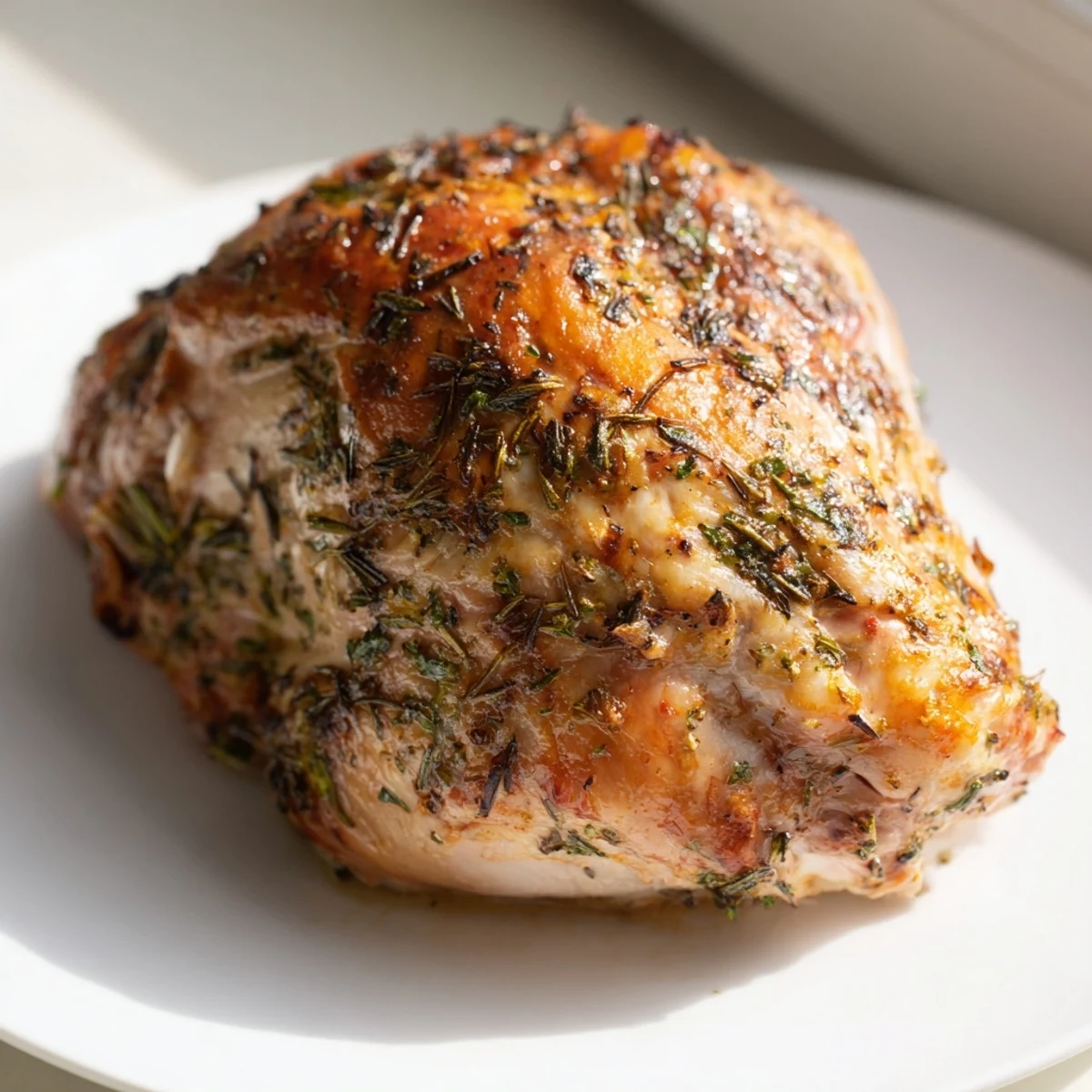
 This flavorful turkey breast is seasoned with fresh rosemary, thyme, sage, garlic, and lemon zest before roasting to a golden, juicy finish. Using an herb paste under and over the skin helps infuse depth and aroma. Roasting atop lemon and onion slices with chicken broth ensures tender, moist meat. After resting, it makes a satisfying main dish, ideal for special dinners or weeknight meals. Pair with roasted vegetables or a light white wine.
The smell of rosemary and lemon hit me around three o'clock on a Tuesday, completely by accident. I had promised to bring something to a potluck I'd forgotten about, and standing in my kitchen with a turkey breast and a deadline, I started grabbing herbs without a plan. That chaotic afternoon produced something I now make with intention, though I still remember the frantic energy of that first attempt.
I made this for my neighbor last November when her oven died three hours before her son's visit. We set up a folding table in my cramped kitchen, passed wine between us, and watched that golden breast rest under foil while her anxiety slowly dissolved into relief. She still texts me photos when she makes it herself, always with the same caption: 'No drama this time.'
Ingredients
- Boneless turkey breast with skin: The skin is non-negotiable for that shattering texture, and 3–4 pounds feeds a crowd without leftovers that haunt you for a week.
- Olive oil: Creates the paste that carries every herb into the meat, and I've learned room temperature oil blends smoother than cold.
- Fresh rosemary, thyme, and sage: The trinity that makes your kitchen smell like someone who has their life together, even when you absolutely do not.
- Garlic: Four cloves sounds aggressive but roasts into something sweet and mellow that perfumes the whole bird.
- Lemon zest and slices: The zest goes under the skin for deep flavor, the slices underneath for gentle steam and brightness.
- Onion and chicken broth: These become your basting liquid and prevent the drippings from scorching into a nightmare.
Instructions
- Set the stage:
- Preheat your oven to 375°F and find your roasting pan with its rack. The rack is crucial for air circulation that crisps the skin evenly.
- Prepare the canvas:
- Pat that turkey breast aggressively dry with paper towels. Moisture is the enemy of golden skin, so take your time here.
- Make your flavor paste:
- Mix olive oil with all the chopped herbs, garlic, salt, pepper, and lemon zest until it looks like fragrant green mud.
- Get under the skin:
- Use your fingers to gently loosen the skin from the meat without tearing it. Slide half the paste underneath, massaging it across the surface, then coat the top with the rest.
- Build your aromatic bed:
- Scatter lemon and onion slices in the pan, pour in the broth, and set the turkey skin-side up on the rack above them.
- Roast and baste:
- Let it go for about 70 to 80 minutes, spooning those pan juices over the top once or twice when you remember. The skin will tell you when it's ready by looking almost too beautiful.
- Rest with patience:
- Tent loosely with foil and walk away for 10 to 15 minutes. This is when the juices settle back into the meat instead of running all over your cutting board.
 Save to Pinterest
 My brother carved that first chaotic turkey breast with a butter knife because I'd forgotten to wash my good one, and we laughed until our sides hurt. Some dishes become family shorthand for specific moments, and this one means 'we figured it out' in our particular language.
When Fresh Herbs Betray You
Dried herbs work in a pinch, but they need a different handshake. Crush them between your palms first to wake up the oils, and use exactly half the amount since their flavor concentrates during drying. I keep a jar of dried herbs mixed in the same ratio for emergency situations, though fresh still wins when I remember to buy them.
The Rack Situation
If your roasting pan came without a rack, crumple foil into thick ropes and lay them across the bottom. The turkey sits on top, air flows underneath, and you avoid that pale, steamed underside that ruins the whole presentation. I've done this in rental kitchens and at my mother's house where her rack disappeared decades ago.
Making It a Meal
Throw potato wedges or whole carrots into the pan during the last 45 minutes of roasting. They soak up the drippings and save you from coordinating multiple dishes. The vegetables emerge caramelized and deeply flavored, almost stealing focus from the turkey itself.
- Save those pan drippings for a quick gravy or tomorrow's soup base.
- A meat thermometer removes all guesswork and anxiety about doneness.
- Leftover slices make exceptional sandwiches with good mustard and arugula.
 Save to Pinterest
 However this turkey breast finds its way to your table, I hope it carries some of that accidental Tuesday magic with it. Good food doesn't require perfect planning, just attention and a willingness to improvise.
Recipe FAQs
- → What herbs are used for the herb mixture?
-
Fresh rosemary, thyme, and sage are combined with garlic, salt, pepper, and lemon zest to create a flavorful herb paste.
- → How do you ensure the turkey breast stays juicy?
-
Loosening the skin to apply the herb paste underneath and roasting over lemon, onion slices and chicken broth helps keep the meat tender and moist.
- → Can dried herbs be used instead of fresh?
-
Yes, substitute with 1 tablespoon of each dried herb when fresh ones are unavailable for a similar flavor profile.
- → What is the recommended internal temperature for roasting?
-
Roast until the turkey breast reaches 165°F (74°C) internally to ensure it is safely cooked and juicy.
- → How long should the turkey rest after roasting?
-
Let the turkey breast rest for 10–15 minutes loosely tented with foil before slicing to retain juices.
- → What dishes pair well with this roasted turkey breast?
-
Roasted vegetables, potatoes, or a medium-bodied white wine like Chardonnay complement the flavors well.