
 Save to Pinterest
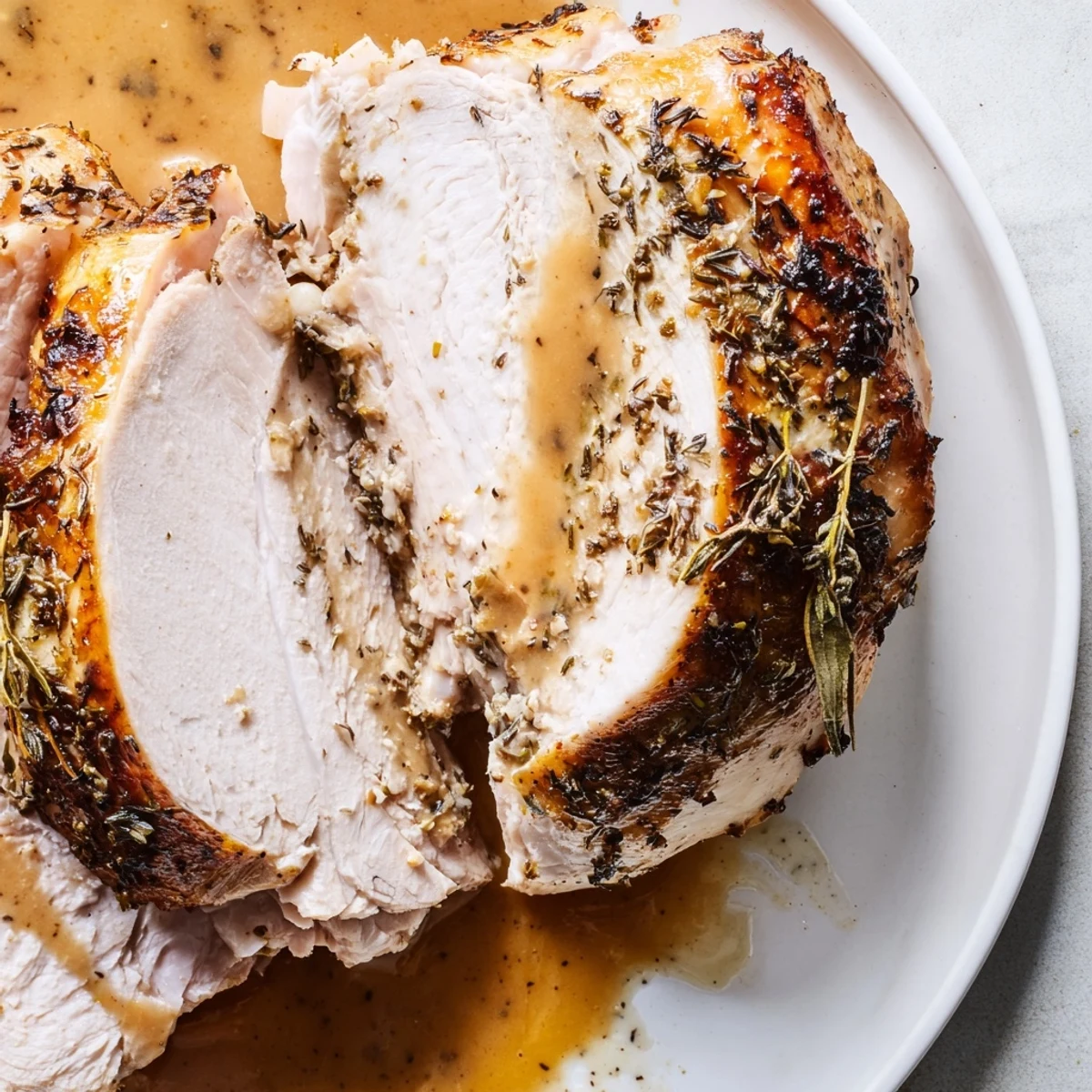
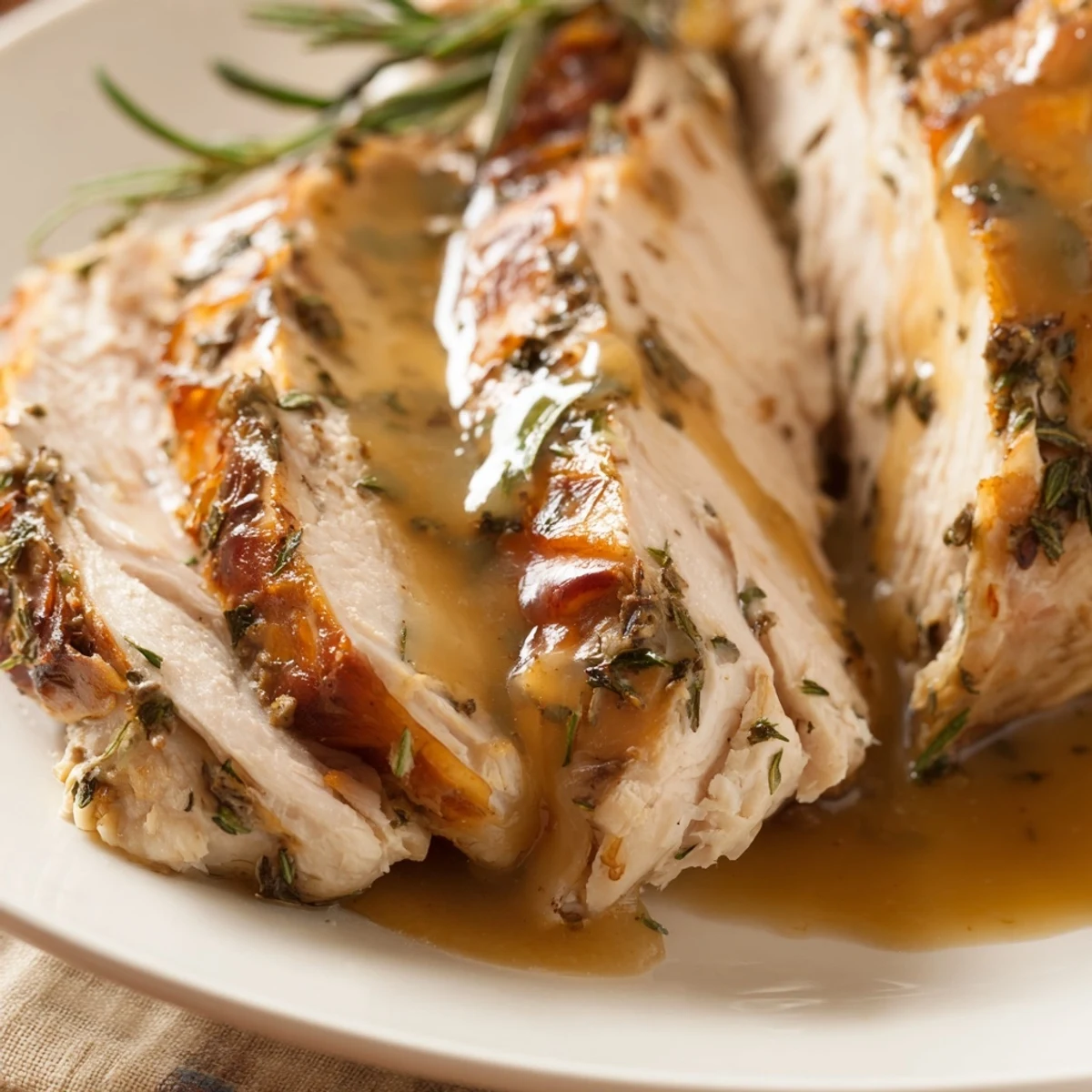
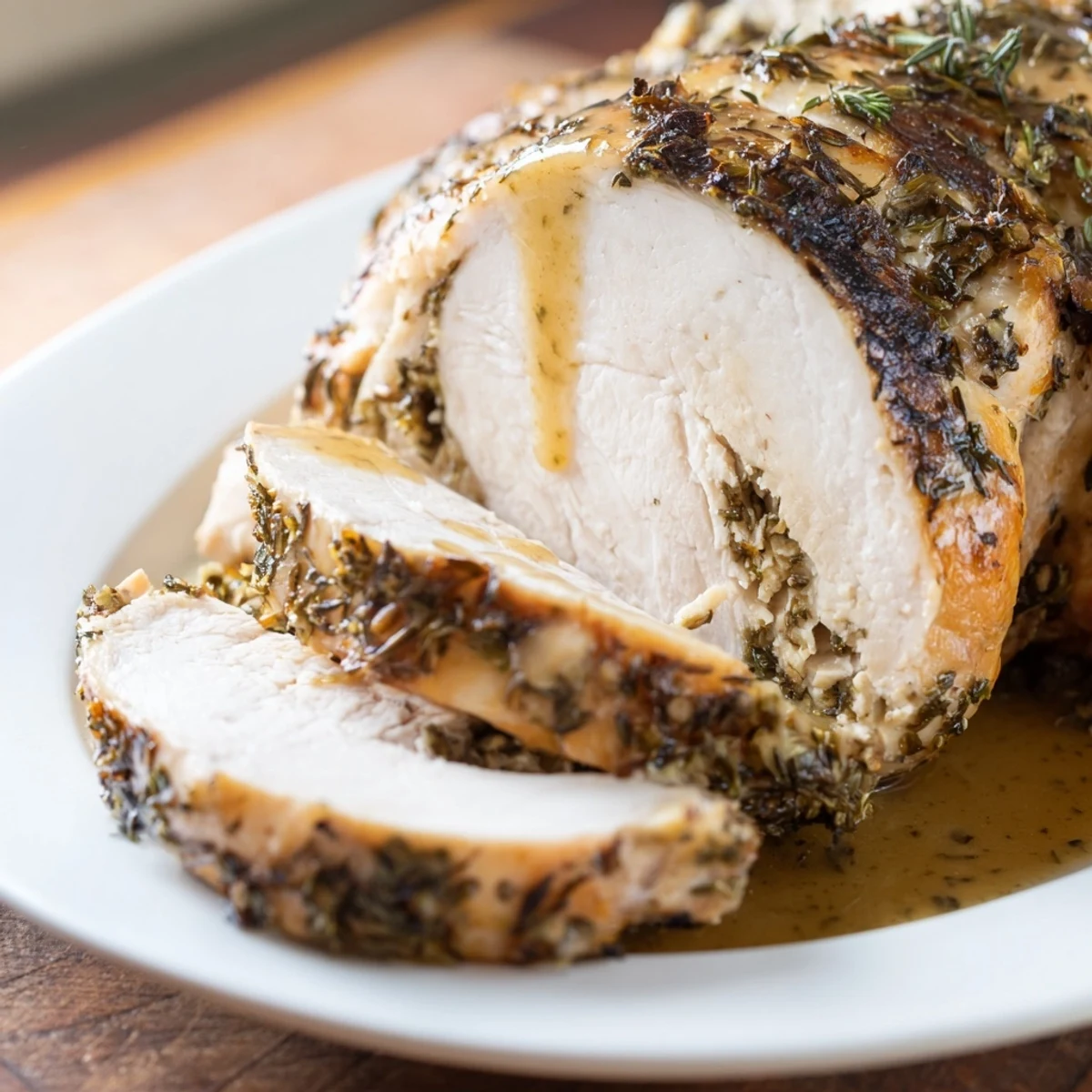
 This dish features a tender turkey breast generously seasoned with a blend of rosemary, thyme, sage, and garlic. Roasted slowly atop a bed of root vegetables and chicken broth, the meat remains juicy and flavorful. The pan juices form the base of a luscious herb-infused gravy, adding a comforting richness. Perfect for festive occasions or family dinners, the process involves careful seasoning, roasting to safe temperatures, and making a smooth gravy to complement the roast.
Last Thanksgiving, my sister casually announced she was bringing a vegan main course, and I realized I needed to step up my turkey game. I'd always been intimidated by whole birds, so I decided to focus entirely on perfecting a turkey breast with the kind of herb crust that makes people lean over the platter asking what's in it. The smell of rosemary and sage hitting that hot butter became the real centerpiece of our dinner.
My friend Sarah came over to help me test this recipe one rainy Sunday, and we both stood over the roasting pan breathing in the aroma like it was the first day of spring. When we finally sat down to eat, she actually paused mid-bite and said this was the turkey she'd been searching for her entire life. That moment of someone truly savoring something you cooked is exactly why I keep returning to this recipe.
Ingredients
- 1 boneless, skin-on turkey breast (2.5-3 lbs / 1.1-1.4 kg): The skin protects the meat and creates that gorgeous golden crust we're all after
- 2 tbsp olive oil: Helps distribute that herb butter evenly and keeps everything moist
- 3 tbsp unsalted butter, softened: The carrier for all those herbs, and butter just makes everything better
- 2 tbsp fresh rosemary, finely chopped: Piney and aromatic, this is the backbone note of the herb blend
- 2 tbsp fresh thyme, finely chopped: Earthy and subtle, it bridges the gap between assertive rosemary and mellow sage
- 1 tbsp fresh sage, finely chopped: Use sparingly as it can overpower, but it's essential for that classic Thanksgiving flavor
- 4 garlic cloves, minced: Fresh garlic mellows beautifully when roasted and perfumes the entire bird
- 1½ tsp kosher salt: Don't skimp here, it's the only seasoning that penetrates the meat
- 1 tsp black pepper: Freshly cracked gives you those little bursts of warmth
- Zest of 1 lemon: Brightens up all those rich herbs and adds a subtle aromatic lift
- 1 onion, quartered: The foundation of your roasting bed, it sweetens as it caramelizes
- 2 carrots, cut into large chunks: Adds natural sweetness to the pan juices for a better gravy
- 2 celery stalks, cut into large chunks: Provides aromatic depth and structural support for the bird
- 1 cup (240 ml) low-sodium chicken broth: Creates steam in the pan and prevents scorching
- 2 cups (480 ml) turkey or chicken broth: The base for your gravy, low-sodium lets you control seasoning
- 2 tbsp pan drippings: Liquid gold, this is where all the flavor lives
- 2 tbsp unsalted butter: Creates the roux that gives your gravy body and richness
- 2 tbsp cornstarch: My preferred thickener for a smooth, glossy gravy that reheats beautifully
- Salt and pepper, to taste: Remember to taste your gravy at the end, it might need more than you think
Instructions
- Preheat your oven to 375°F (190°C):
- This temperature gives you that golden skin without drying out the meat before the center is cooked through
- Pat the turkey breast completely dry:
- Use paper towels and be thorough, moisture is the enemy of crispy, browned skin
- Mix the herb butter paste:
- Combine softened butter, olive oil, rosemary, thyme, sage, garlic, lemon zest, salt, and pepper until you have a fragrant, spreadable mixture
- Get under the skin:
- Gently loosen the skin from the meat with your fingers, working slowly so you don't tear it, then rub half the paste underneath
- Coat the exterior:
- Rub the remaining herb paste all over the outside of the skin, getting into every crevice
- Build your roasting bed:
- Arrange onion, carrots, and celery in the roasting pan, then pour in the cup of chicken broth
- Position the turkey:
- Place the breast skin-side up directly on the vegetables, which will steam and infuse the drippings
- Roast for 1½ hours:
- Baste every 30 minutes with the pan juices, and check for doneness at 165°F (74°C) in the thickest part
- Rest the meat:
- Tent loosely with foil and let it rest for 15 minutes, or the juices will run all over your cutting board instead of staying in the meat
- Strain the drippings:
- Separate the vegetables from the liquid, saving 2 tablespoons of drippings for the gravy
- Start the roux:
- Melt butter over medium heat, then whisk in cornstarch until it forms a smooth paste
- Add the liquids:
- Gradually whisk in broth and reserved drippings, then simmer until thickened, about 5-7 minutes
- Season the gravy:
- Taste and add salt and pepper as needed, remembering that gravies always need more salt than you'd expect
- Slice and serve:
- Carve against the grain into thin slices and drizzle with warm gravy
 Save to Pinterest
 Last Christmas, my usually reserved uncle took three helpings and asked if I could teach him how to make gravy. Standing at the stove together, whisking and talking, felt more like the real gift than anything under the tree. Some recipes feed you, but this one connects people.
Choosing The Right Turkey Breast
I've learned the hard way that bone-in, skin-on is worth every extra minute of carving. The bone acts as an insulator keeping the meat juicy, and that skin is your flavor delivery system. If you can only find boneless, reduce the cooking time and watch the temperature closely.
The Herb Blend Secret
After years of following recipes exactly, I started tasting my herb paste before applying it. Sometimes the garlic needs more time to mellow, or the sage tastes a little too medicinal. Trust your palate and adjust before it goes on the bird.
Making Gravy Foolproof
The trick I finally mastered is whisking the cornstarch into the melted butter until absolutely no white streaks remain before adding any liquid. This one step prevents lumpy gravy every single time.
- Warm your broth slightly before adding it to the roux for smoother incorporation
- If your gravy gets too thick, whisk in more broth a splash at a time
- Made ahead gravy reheats beautifully with a splash of water and gentle heat
 Save to Pinterest
 This recipe has become my anchor for holiday cooking, reliable enough to not stress about but impressive enough to feel special. Hope it finds its way into your regular rotation too.
Recipe FAQs
- → How do I keep the turkey breast moist while roasting?
-
Rubbing herb butter under the skin and roasting over a vegetable bed with broth helps retain moisture and infuses flavor. Basting periodically also prevents drying out.
- → Can I use dried herbs instead of fresh herbs?
-
Yes, substitute dried herbs using about one-third of the fresh amount for a balanced flavor. Adjust seasoning as needed.
- → What internal temperature ensures the turkey is fully cooked?
-
Roast the turkey until it reaches an internal temperature of 165°F (74°C) in the thickest part for safe consumption and optimal juiciness.
- → How is the gravy prepared using the drippings?
-
After roasting, pan drippings are strained and combined with butter and cornstarch to form a roux, then broth is whisked in and simmered until thickened to create the gravy.
- → What side dishes complement this turkey breast?
-
Roasted potatoes, green beans, or cranberry sauce pair beautifully, balancing the herbaceous flavors and adding texture variety.