
 Save to Pinterest
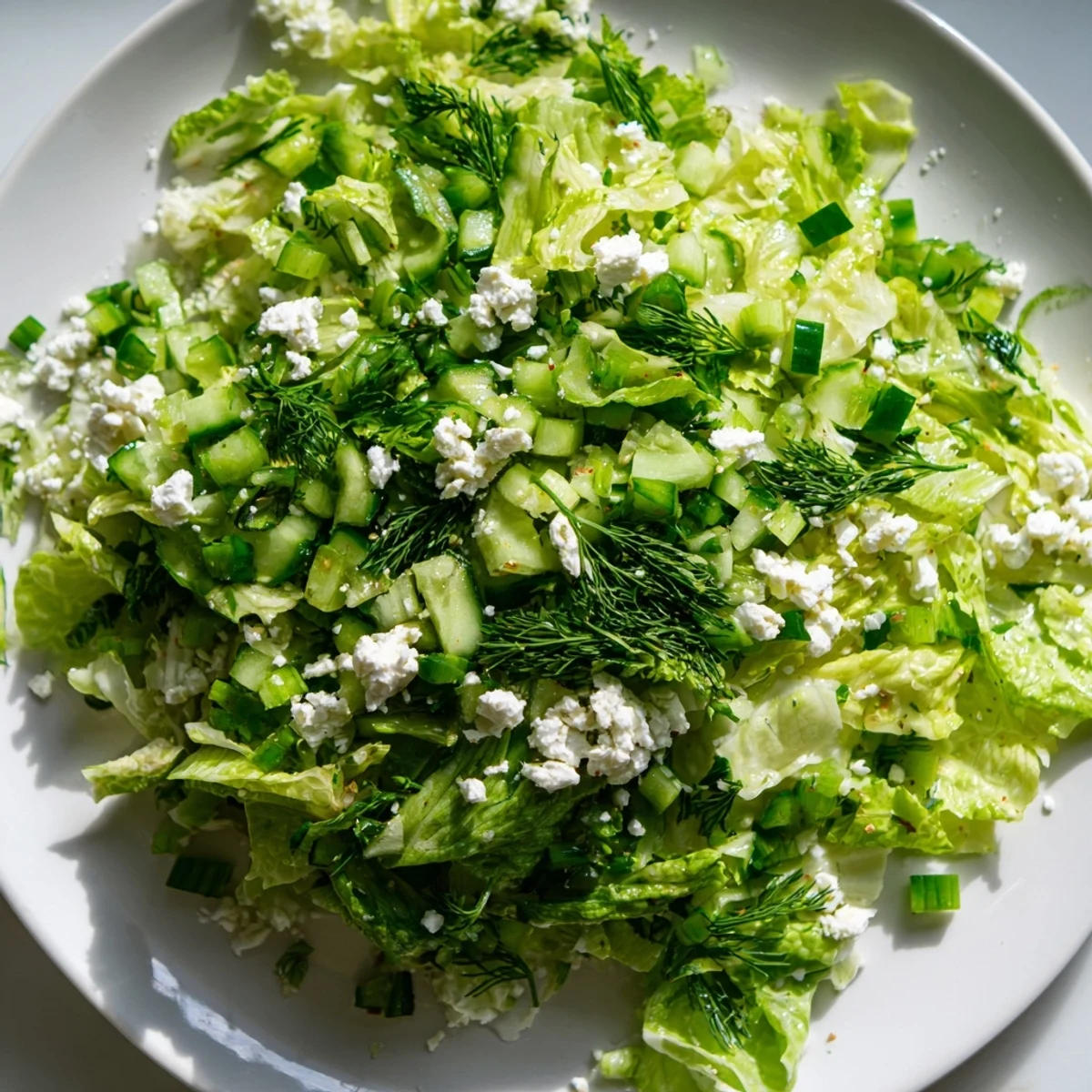
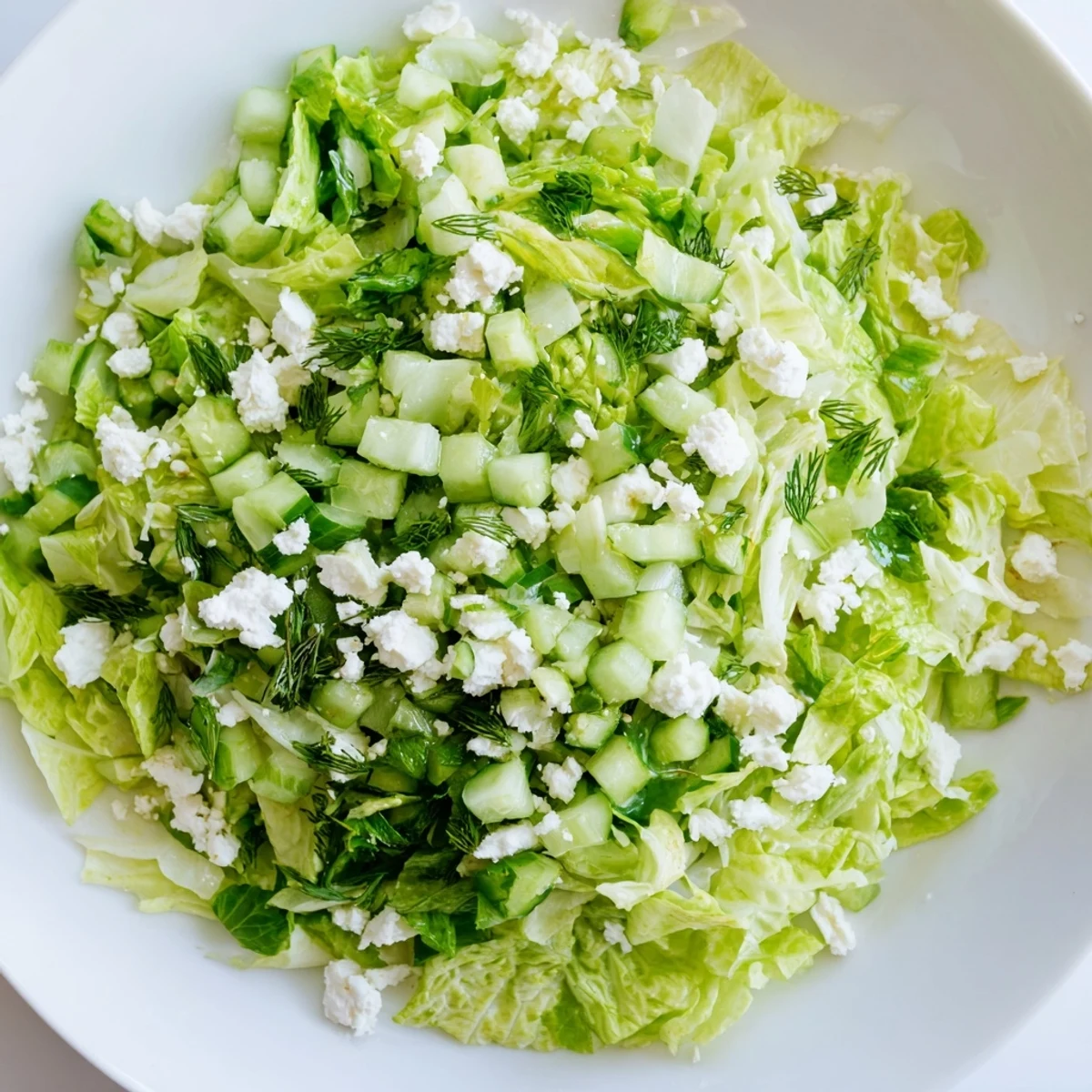
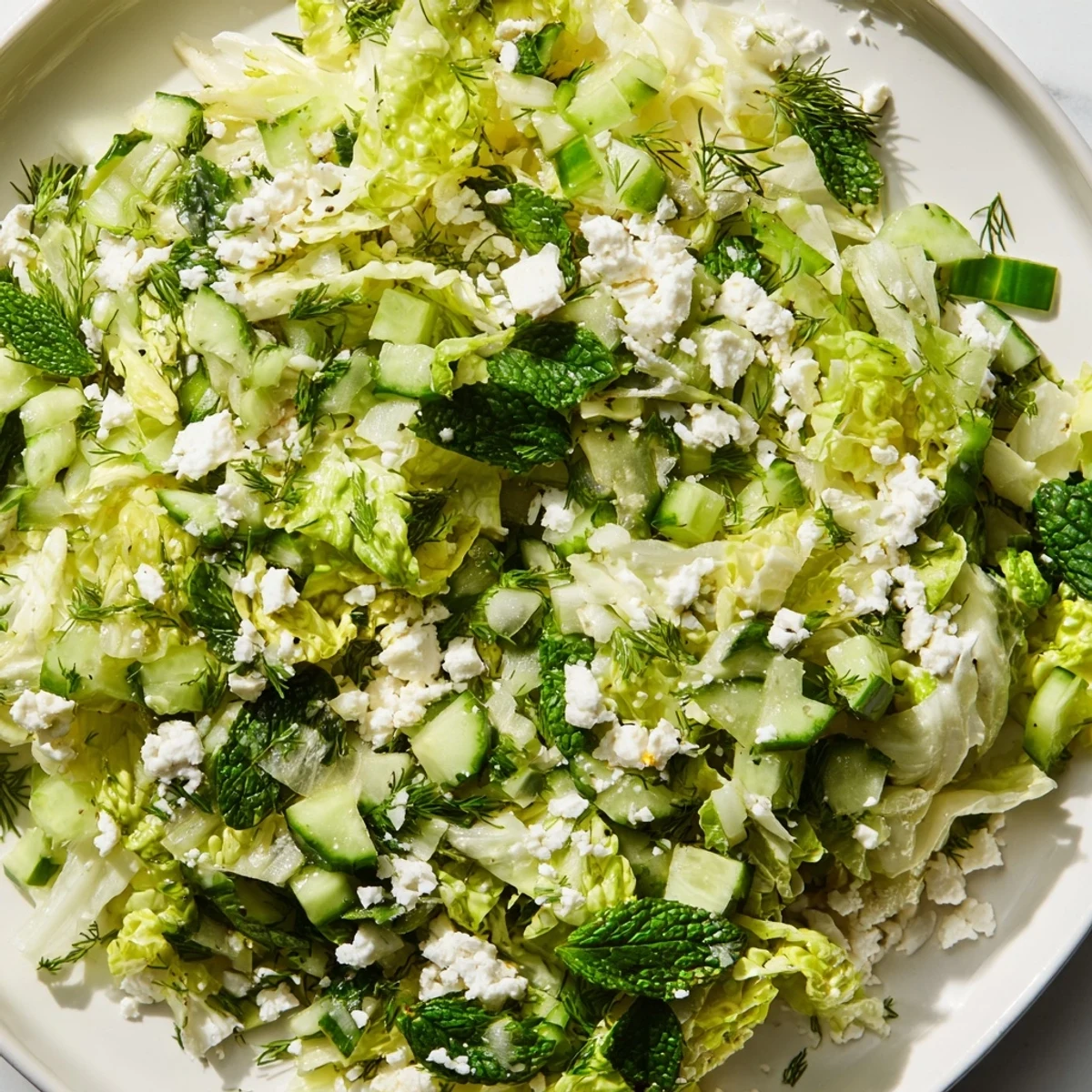
 This traditional Greek salad combines finely shredded romaine lettuce with aromatic fresh herbs including dill and mint. The crisp vegetables are tossed with scallions and a simple yet vibrant dressing made from extra virgin olive oil, fresh lemon juice, and red wine vinegar. The entire dish comes together in just 10 minutes, requiring no cooking.
The combination of cool lettuce and warm Mediterranean flavors makes this an ideal light starter or side dish. Each serving delivers a refreshing balance of textures and tastes, with the fresh herbs providing brightness and the olive oil adding rich depth. Optional feta cheese offers a creamy, tangy finish.
The first time I had Maroulosalata was at a tiny family-run taverna in Athens, where the owner's grandmother marched out of the kitchen with a bowl so bright it looked like she'd captured summer itself. She told me lettuce salads were for people who didn't know how to make lettuce taste like something worth eating, then placed this herbaceous, tangy masterpiece in front of me with a wink that said I was about to learn something important.
Last summer I made this for a backyard barbecue, and my friend Maria who's half-Greek actually got tears in her eyes. She said it tasted exactly like what her grandmother used to make, except her grandmother would never give anyone the actual recipe, just vague instructions about handfuls of this and splashes of that. Now I make it every time I need something that makes people feel taken care of.
Ingredients
- Romaine lettuce: One large head, shredded as finely as you have patience for because the texture matters so much here
- Scallions: Four of them, sliced thin to distribute that mild onion flavor throughout every bite
- Fresh dill: A quarter cup finely chopped, and please don't even think about using dried dill because that's where all the magic lives
- Fresh mint: Another quarter cup, and this is non-negotiable for that bright, cooling contrast
- Extra virgin olive oil: Three tablespoons of the good stuff because you can taste the difference
- Fresh lemon juice: One tablespoon, squeezed right before you make the dressing
- Red wine vinegar: Just one teaspoon to add depth without overpowering everything
- Salt and pepper: Half teaspoon salt and a quarter teaspoon pepper, though you'll probably want to taste and adjust
- Feta cheese: Optional but honestly recommended, a quarter cup crumbled over the top because sometimes cheese is the right answer
Instructions
- Prep your lettuce:
- Wash and dry that romaine like your life depends on it, then shred it into ribbons thin enough that you can almost see through them, piling everything into your biggest salad bowl.
- Add the herbs and vegetables:
- Toss in those scallions and the chopped dill and mint, plus diced cucumber if you're feeling it, watching the bowl fill up with all that green and thinking about how good this is going to be.
- Make the dressing:
- Whisk together the olive oil, lemon juice, vinegar, salt, and pepper in a small bowl until it looks like it's actually friends with itself.
- Bring it together:
- Pour that dressing over everything and toss so gently, like you're handling something precious, making sure every single leaf gets acquainted with the flavors.
- Finish and serve:
- Taste it and maybe add more salt if your instincts say yes, then shower it with feta if you're going that route and get it on the table while the herbs still taste like they just left the garden.
 Save to Pinterest
 My sister-in-law asked for the recipe after trying it at Easter, and when I told her how simple it was, she looked at me like I was hiding something. But that's the beauty of Greek food sometimes, just a few really good ingredients treated with respect and suddenly you have something people write home about.
Making It Your Own
I've started adding thinly sliced radishes when I want extra crunch, and honestly it's become a permanent fixture in my version. Sometimes parsley works if you're not a dill person or just can't find good fresh dill at the store.
What To Serve It With
This salad is perfect next to grilled anything, really, but especially fish or lamb or just eaten by itself with some good bread. A crisp white wine like Assyrtiko makes everything feel like you're actually sitting on a balcony in Santorini.
Getting Ahead
You can chop all the vegetables and herbs a few hours ahead, just keep them separate from the dressing until you're ready to serve. I learned the hard way that dressed herbs get soggy and sad pretty fast.
- Dry your lettuce with a salad spinner or lots of paper towels, because water is the enemy here
- Wait to add the feta until the last minute so it doesn't get weird and soft
- This salad really needs to be eaten the same day, so don't plan on leftovers
 Save to Pinterest
 There's something so satisfying about a salad that's this simple but this good, like you've cracked some kind of code that's been hiding in plain sight. Make it once and you'll understand why it's been a staple in Greek kitchens forever.
Recipe FAQs
- → What does maroulosalata mean?
-
Maroulosalata comes from the Greek word 'maroulo' meaning lettuce. It refers to this classic lettuce-based salad that's a staple in Greek cuisine, particularly popular during spring and summer months when fresh lettuce is at its peak.
- → Can I make this salad ahead of time?
-
For best results, prepare the salad just before serving. The dressed leaves will wilt if left too long. You can wash and shred the lettuce up to a day in advance, storing it wrapped in paper towels inside a sealed container in the refrigerator. Keep the dressing separate until ready to serve.
- → What other herbs work in this salad?
-
While dill and mint are traditional, you can substitute or add fresh parsley, cilantro, or basil. Each herb brings its own character—parsley adds earthiness, cilantro provides brightness, and basil contributes sweetness. The key is using fresh herbs rather than dried.
- → Is this salad served with other Greek dishes?
-
Maroulosalata typically appears alongside grilled meats like souvlaki, fish, or as part of a larger mezze spread. Its fresh, acidic nature makes it an excellent counterpoint to rich or savory main courses. It also pairs beautifully with other Greek salads like horiatiki.
- → What's the best way to dry the lettuce?
-
Use a salad spinner or pat the washed leaves thoroughly with clean kitchen towels. Excess moisture will prevent the dressing from coating properly and make the salad watery. Take time to ensure the romaine is completely dry before shredding and tossing.