
 Save to Pinterest
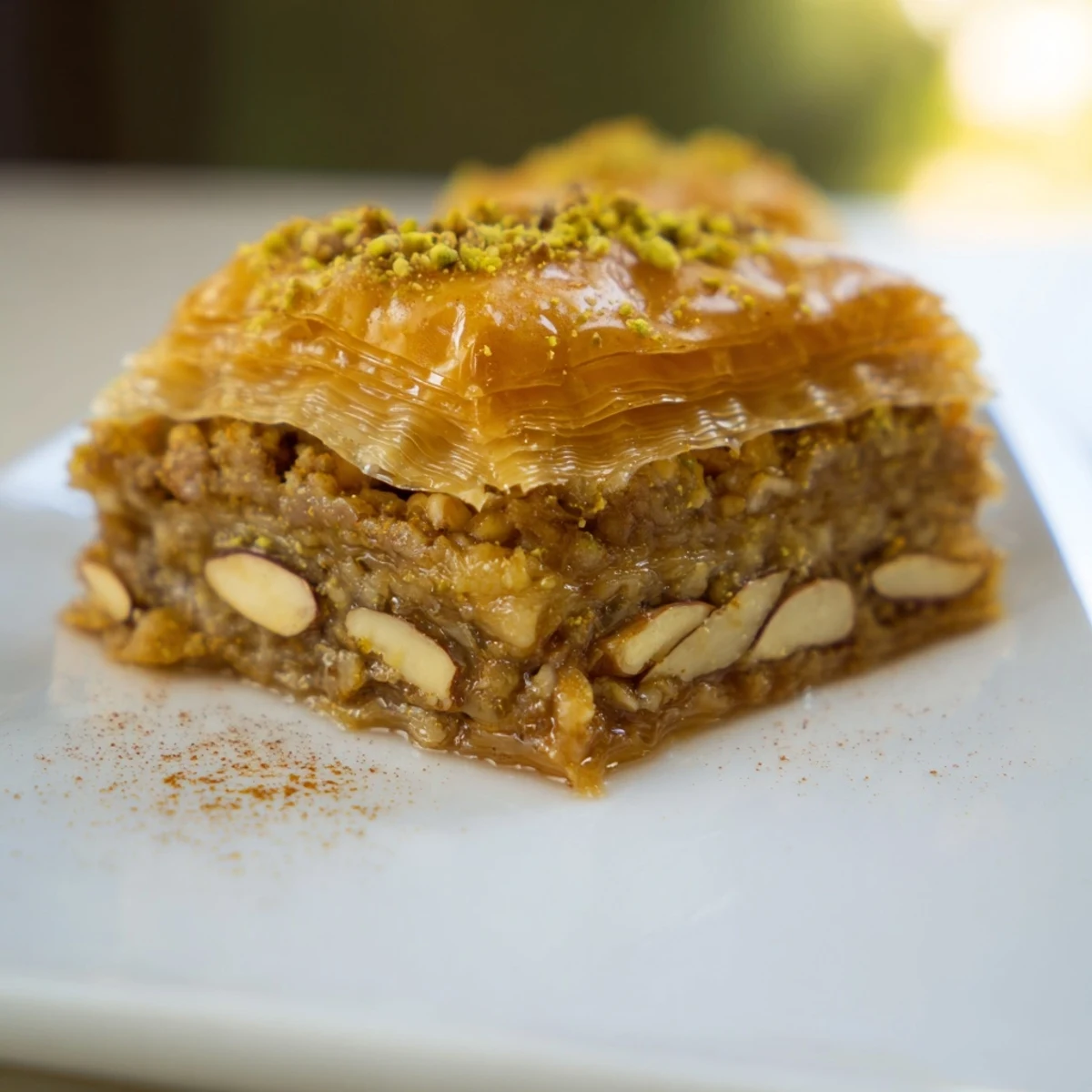
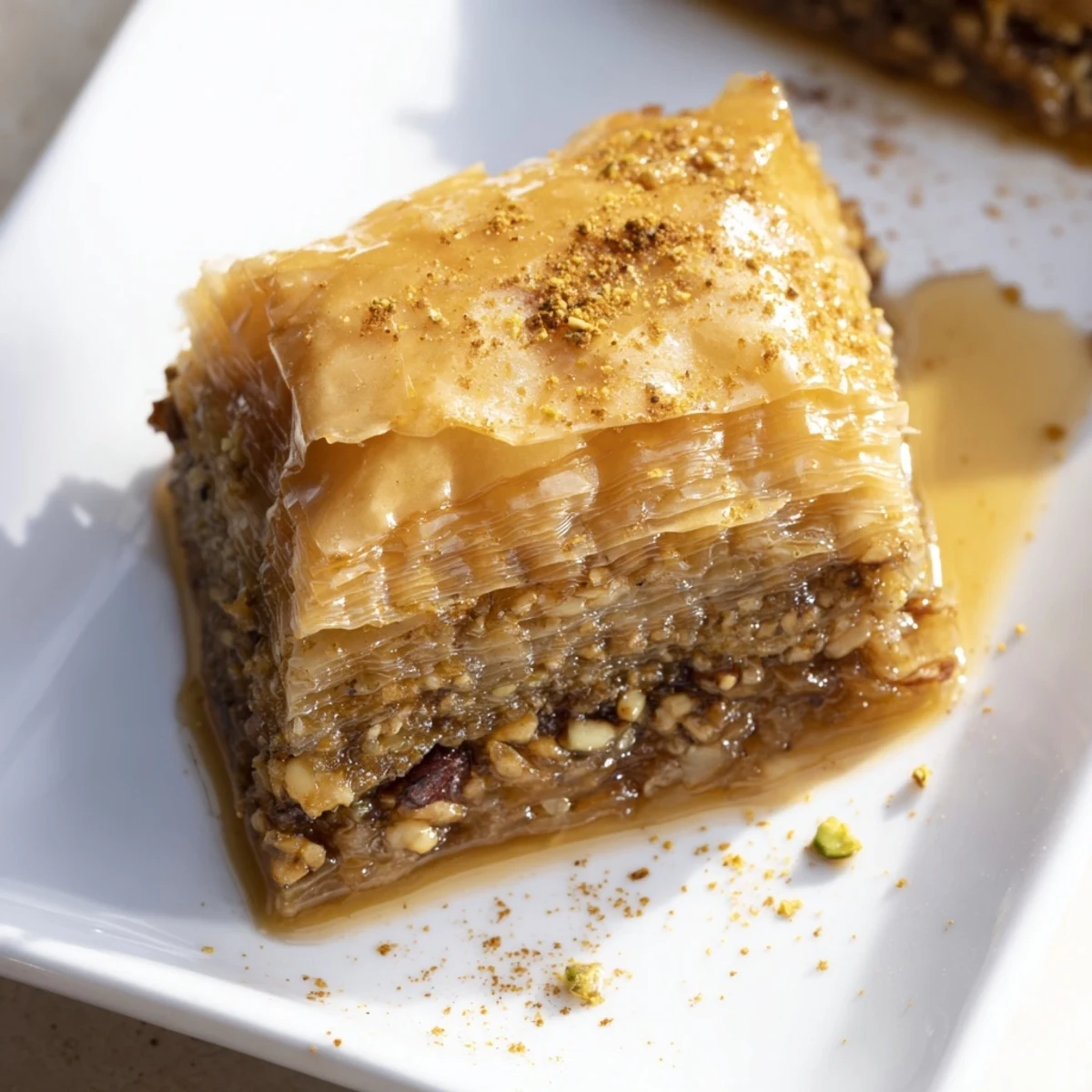
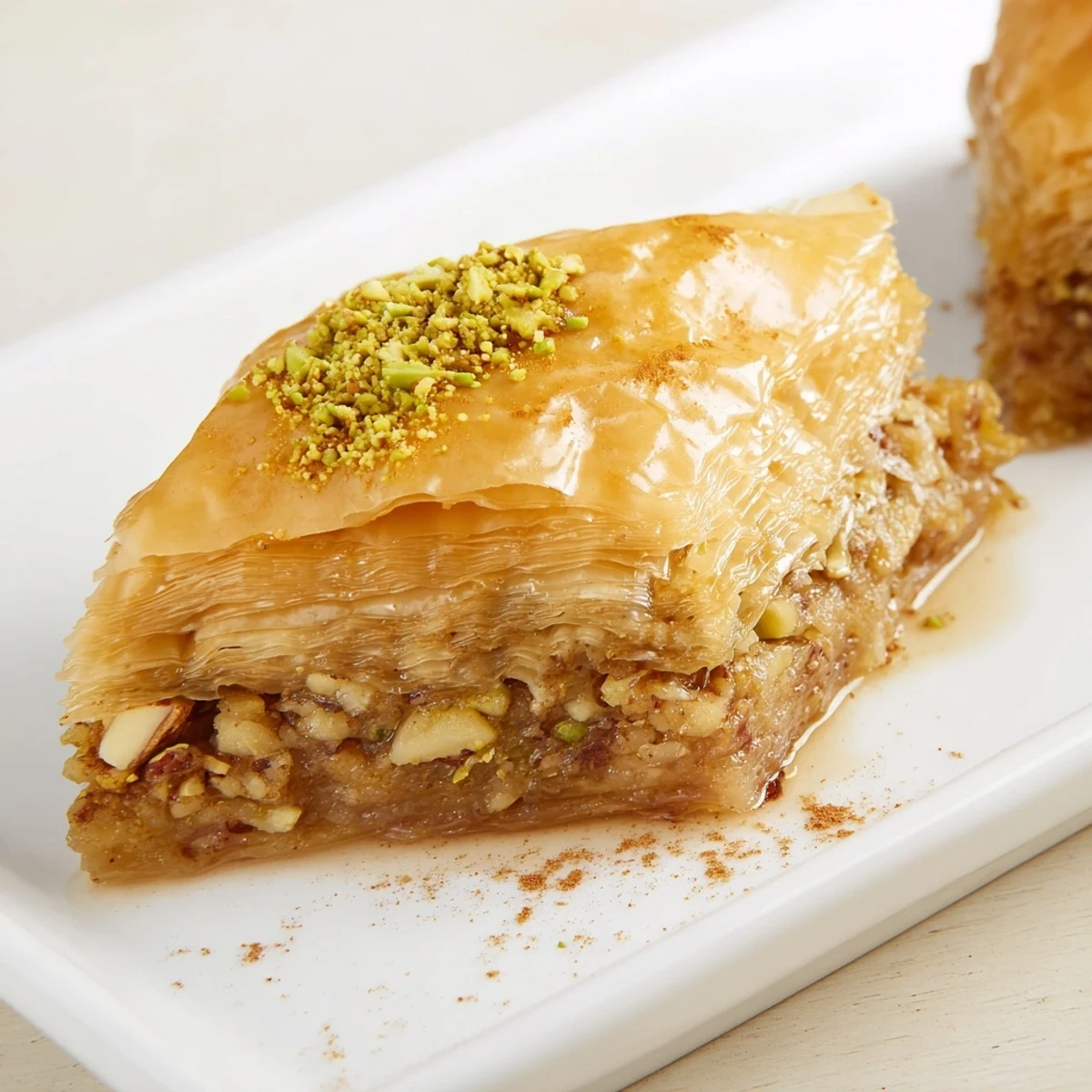
 This classic Greek dessert features twenty delicate sheets of buttery phyllo dough layered with a aromatic blend of walnuts, pistachios, almonds, cinnamon, and cloves. After baking to golden perfection, the pastry is drenched in a warm honey syrup infused with cinnamon and lemon peel. The result is a beautifully balanced sweet treat with crisp layers and a rich, fragrant syrup that soaks into every bite. Best served after resting overnight to allow flavors to fully develop.
My first encounter with baklava happened in a tiny Athens bakery where the owner, Maria, caught me staring mesmerized at the golden trays in her window. She pressed a warm diamond-shaped piece into my hands, still dripping with honey syrup, and told me that patience is the secret ingredient not listed in any recipe. That single bite revealed layers of shatteringly crisp phyllo, fragrant nuts, and syrup that tasted like sunshine itself.
Last Christmas, I spent an entire Sunday afternoon making three trays of baklava while my grandmother watched, occasionally offering tips learned from her Greek neighbor fifty years ago. We burned the first batch because we got distracted discussing holiday plans, but the second batch came out perfectly golden. Now baklava is our Christmas morning tradition, served with strong coffee while presents sit unopened under the tree.
Ingredients
- 200 g walnuts, finely chopped: Walnuts provide earthy depth and classic baklava flavor
- 100 g pistachios, finely chopped: These add beautiful green flecks and subtle sweetness
- 50 g almonds, finely chopped: Almonds round out the nut mixture with delicate crunch
- 2 tsp ground cinnamon: Warm spice that makes baklava instantly recognizable
- 1/4 tsp ground cloves: Just enough to add mysterious warmth without overpowering
- 2 tbsp granulated sugar: Helps the nuts caramelize slightly during baking
- 400 g phyllo dough, thawed: Keep it covered with a damp towel or it becomes impossible to work with
- 200 g unsalted butter, melted: Brush every single layer generously, no shortcuts here
- 250 g granulated sugar: Creates the syrup base that transforms crispy pastry into something sublime
- 200 ml water: Dissolves the sugar for smooth syrup consistency
- 180 g honey: Greek honey if possible, it adds floral complexity
- 1 cinnamon stick: Infuses the syrup with gentle spice while it simmers
- 3 strips lemon peel: Brightens the syrup and cuts through all that sweetness
Instructions
- Preheat and prepare your pan:
- Heat your oven to 170°C and generously butter a 23x33 cm baking dish
- Mix the filling:
- Combine all nuts with cinnamon, cloves, and sugar in a large bowl
- Get your workspace ready:
- Cover phyllo with a damp cloth and keep melted butter nearby
- Build the foundation:
- Layer 8 phyllo sheets, brushing each thoroughly with butter
- Add the first nut layer:
- Sprinkle one third of your nut mixture evenly across the buttered phyllo
- Continue building:
- Add 4 more buttered phyllo sheets, then another third of the nuts
- Repeat the pattern:
- Add 4 more buttered sheets, followed by the remaining nut mixture
- Finish with flair:
- Top with remaining 4 phyllo sheets, buttering each one including the top generously
- Score the pastry:
- Cut through all layers before baking to create diamonds or squares
- Bake to golden perfection:
- Cook for 45 to 50 minutes until deeply golden and crisp
- Make the syrup:
- While baklava bakes, simmer sugar, water, honey, cinnamon stick, and lemon peel for 10 minutes
- The magic moment:
- Pour warm syrup over hot baklava the instant it leaves the oven
- Exercise patience:
- Let cool completely so syrup can fully penetrate every layer
 Save to Pinterest
 My neighbor used to make baklava every Easter, and the entire apartment building would know by the honey scent waifting through the ventilation. She taught me that the real secret is not rushing the syrup absorption step, however tempting it might be to sample immediately. Now I understand why she always made enough for everyone on our floor.
Making Ahead
Baklava actually improves after sitting at room temperature for a day, giving the syrup time to fully permeate all those buttery layers. You can assemble the entire baklava, freeze it unbaked, then bake straight from frozen adding about 10 minutes to the cooking time.
Serving Suggestions
Small pieces go a long way since this dessert is intensely sweet and rich. A scoop of unsweetened Greek yogurt or tart vanilla ice cream provides perfect balance against all that honey.
Storing Your Baklava
Keep it covered at room temperature for up to 5 days, though it rarely lasts that long in my house. Avoid refrigeration unless absolutely necessary, as cold makes the phyllo lose its signature crispness.
- Use a sharp knife to recut along the scored lines before serving
- Bring baklava to room temperature before serving if refrigerated
- Extra syrup can be brushed onto any pieces that seem dry
 Save to Pinterest
 Share this with someone special, preferably over coffee and conversation that lasts longer than it took to make.
Recipe FAQs
- → Why must the syrup be cooled before pouring over hot baklava?
-
Pouring warm (not boiling) syrup over hot baklava ensures even absorption while maintaining the pastry's crisp texture. If the syrup is too hot, it can make the phyllo soggy rather than perfectly soaked and crunchy.
- → Can I prepare baklava ahead of time?
-
Yes, baklava actually improves after a day as the syrup fully penetrates the layers. Store at room temperature covered for up to 5 days. The flavors develop and the texture becomes even more delightful.
- → What's the best way to cut baklava without crushing the layers?
-
Use a very sharp knife and cut all the way through the layers before baking. Cutting after baking can cause the syrup-soaked pastry to crumble. Diamond shapes are traditional and create elegant portions.
- → How do I prevent phyllo dough from drying out during assembly?
-
Keep unused phyllo covered with a lightly damp cloth while working. Work quickly but carefully, and brush each sheet with butter immediately after placing it. This prevents cracking and ensures tender, flaky layers.
- → Can I substitute the nuts in the filling?
-
Absolutely. While walnuts and pistachios are traditional, you can use hazelnuts, pecans, or cashews. Keep the total quantity the same and ensure all nuts are finely chopped for even distribution.
- → Should I serve baklava warm or at room temperature?
-
Baklava is best served completely cool or at room temperature, allowing the syrup to fully set. This gives the proper texture—crisp layers that shatter pleasantly when bitten, balanced by the sticky sweetness.