
 Save to Pinterest
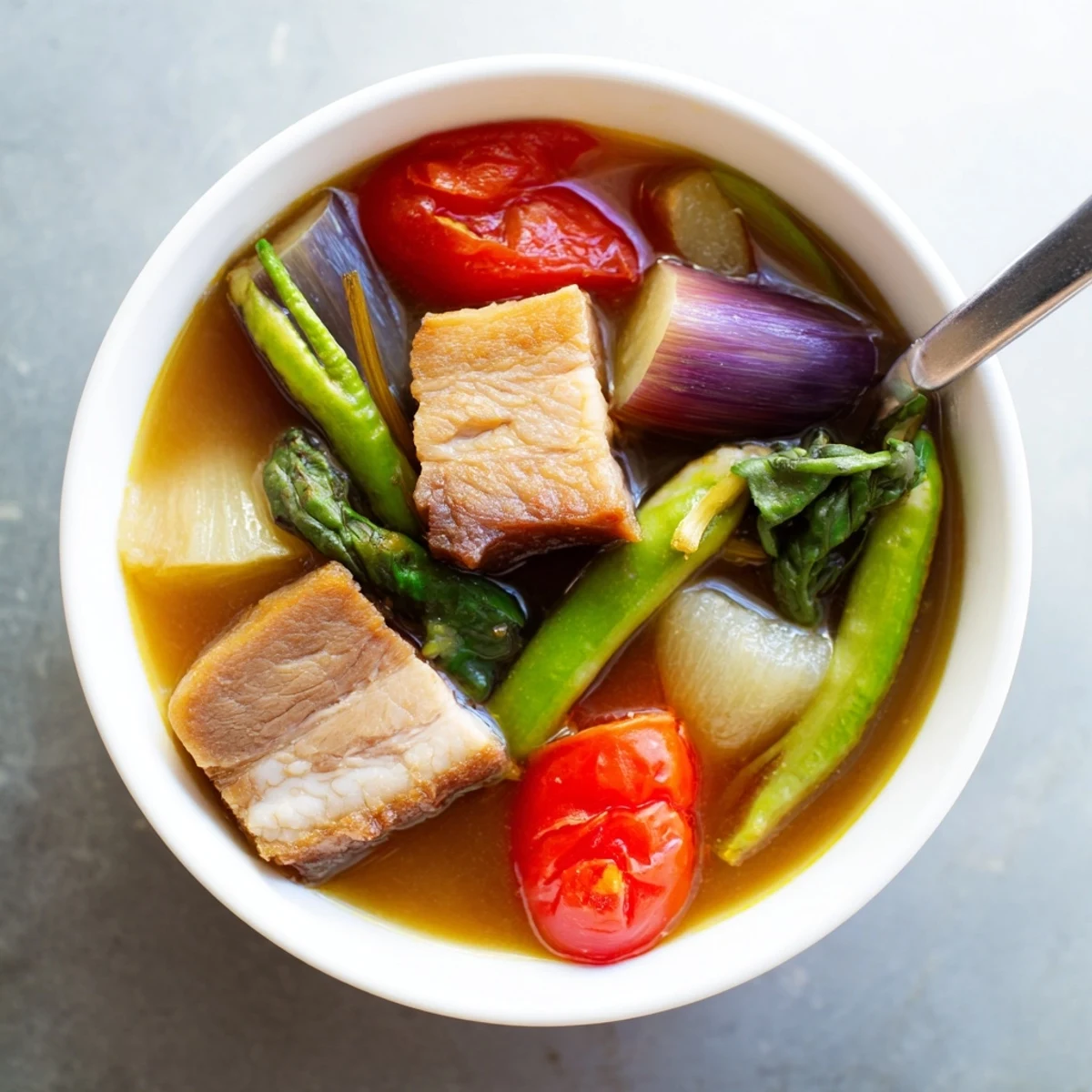
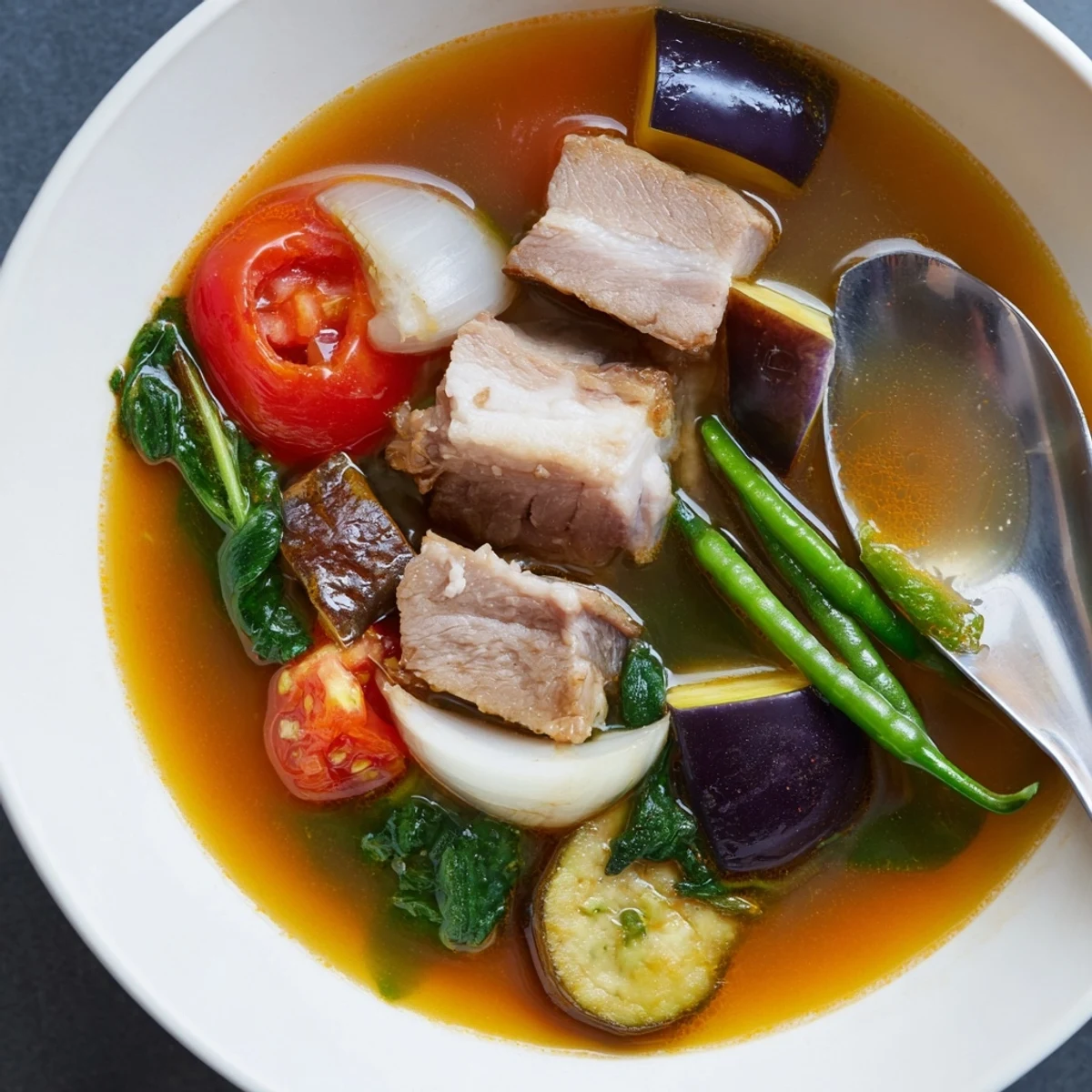
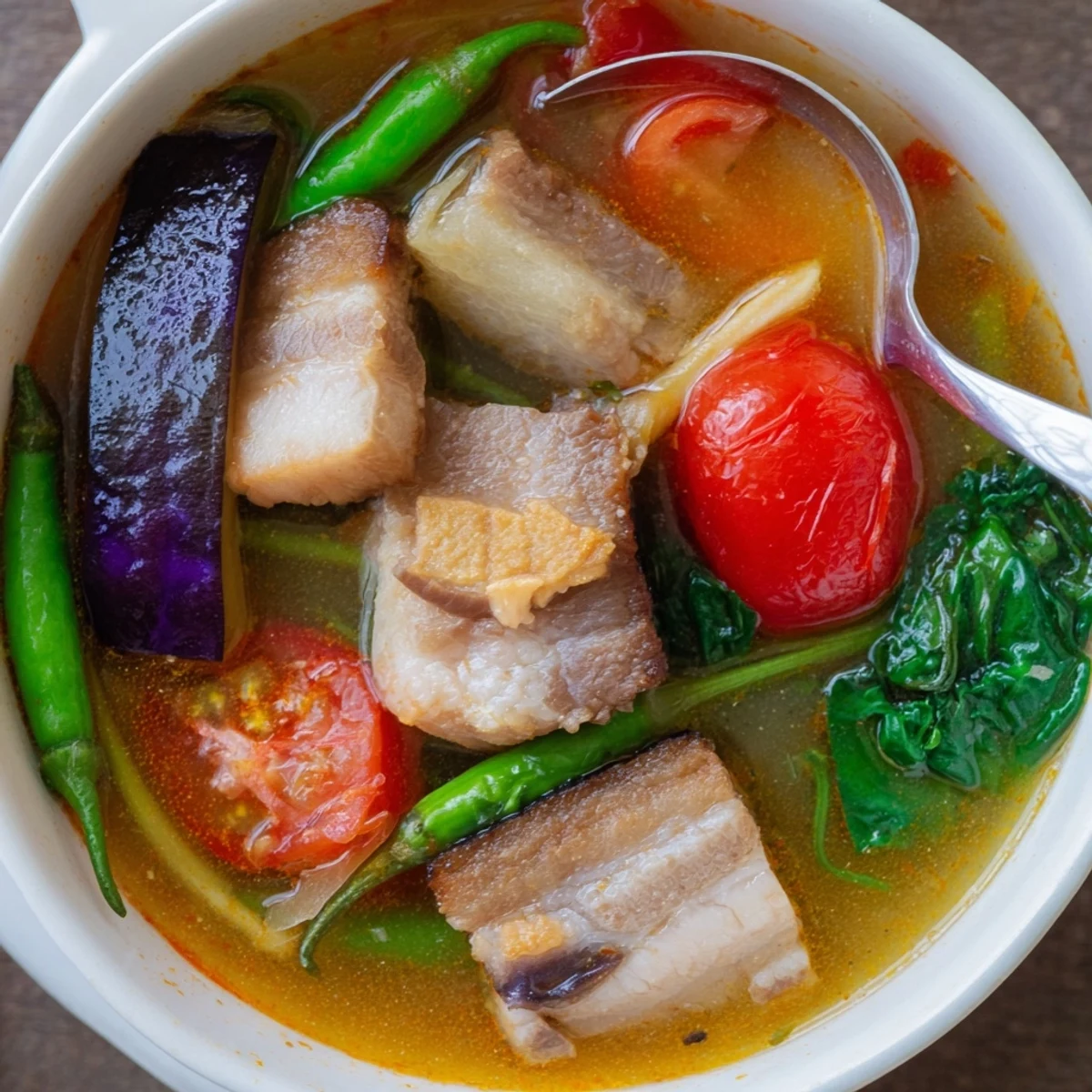
 This beloved Filipino classic combines succulent pork with an array of colorful vegetables in a broth that's perfectly balanced between tangy and savory. The signature sourness comes from tamarind, creating that distinctive flavor Filipinos everywhere crave. Perfect for rainy days or whenever you need comfort food, this one-pot dish feeds six and pairs beautifully with steamed rice.
The first time my Lola let me help make Sinigang, I was seven and standing on a wooden chair beside her. She handed me a small packet of tamarind mix with a knowing smile that suggested I was being initiated into something sacred. The sour punch that hit my nose when it hit the boiling water made my whole face scrunch up, and she laughed so hard she had to hold her stomach. That single smell still takes me back to her tiny kitchen with the windows fogged up from the steam.
Last winter, my roommate came home from a terrible day at work to find a pot of this simmering on the stove. She stood there inhaling the steam for a full minute before even taking off her coat. We ate in comfortable silence, both of us hunched over our bowls with the rain tapping against the windowpane. Sometimes soup does more than feed you, it just holds you together.
Ingredients
- 1 kg pork belly or ribs cut into chunks: The fat renders into the broth giving it body, but I often mix in some ribs for the depth of flavor that bones provide
- 2 medium tomatoes quartered: They break down and thicken the soup slightly while adding a gentle sweetness that balances all that sour
- 1 large onion peeled and quartered: Red onion works beautifully here and adds a lovely color to the final dish
- 1 daikon radish peeled and sliced: This absorbs the broth like little sponges and becomes everyone's favorite part without fail
- 10 string beans trimmed and cut into 2-inch pieces: They retain a satisfying crunch even after simmering in the hot soup
- 1 eggplant sliced: Use Filipino eggplant if you can find it, the long purple variety that holds its shape better
- 2 cups spinach or kangkong leaves: Kangkong is traditional but spinach works perfectly and is easier to find in most grocery stores
- 2 long green chili peppers: Leave them whole if you want just a hint of heat, or slice them if you like it spicy
- 1 packet tamarind soup base mix: Fresh tamarind is wonderful but sometimes the convenience of the mix means the difference between making this or ordering takeout
- 2 tbsp fish sauce: This adds that essential umami depth, though you can add more gradually to suit your taste
- 1 tsp salt or to taste: The fish sauce adds saltiness so always taste before adding more
- ½ tsp freshly ground black pepper: Grind it fresh if possible, the pre-ground stuff has lost its punch
- 6 cups water: You may need a little more as it simmers, so keep an extra cup nearby
Instructions
- Build your broth foundation:
- Bring 6 cups of water to a rolling boil in your largest pot, then carefully add the pork chunks. Skim off any gray foam that rises to the top for about 5 minutes. This simple step makes for a much clearer, cleaner tasting soup.
- Start building flavor:
- Toss in your quartered tomatoes and onion, then lower the heat to a gentle simmer. Let them work their magic for 20 minutes until the pork begins to yield when pierced with a fork. The vegetables will practically dissolve into the broth, creating a rich base.
- Add your hearty vegetables:
- Stir in the daikon radish slices and cook for another 10 minutes. You want them to become translucent at the edges but still hold their shape in the soup.
- Add the tender vegetables:
- Gently add the eggplant, string beans, and whole chili peppers to the pot. Simmer for just 5 minutes, watching carefully as the eggplant goes from bright white to creamy and tender.
- Create that signature sourness:
- Dissolve the tamarind soup mix in a small amount of warm water first, then stir it into your soup. If using fresh tamarind, mash the boiled pulp and strain the juices into the pot. This is when Sinigang truly becomes Sinigang.
- Season and balance:
- Add the fish sauce, salt, and pepper, starting with the smaller amounts. The flavors will concentrate as it cooks, so always under-season slightly at first. Taste and adjust until that perfect balance of sour, salty, and savory hits your tongue.
- Finish with the greens:
- Fold in the spinach or kangkong leaves and simmer for just 2 or 3 minutes until they wilt. They should remain vibrant green, not gray and overcooked.
- Serve immediately:
- Ladle the soup into bowls making sure everyone gets plenty of vegetables and meat. Serve with steaming hot white rice and maybe a little extra fish sauce on the side.
 Save to Pinterest
 My cousin once admitted she puts a splash of vinegar in her Sinigang when she wants it extra sour and it caused quite the debate at Sunday dinner. The traditionalists were horrified but the rest of us were secretly taking mental notes. Sometimes the best recipes are the ones that evolve to suit your own tastebuds.
Finding The Right Sour Balance
Some days I crave Sinigang so sour it makes my jaw ache, while other times I want it gentle and barely there. The beauty of this soup is that you control the intensity completely. Start with less tamarind than you think you need and let it cook for a few minutes before tasting again. The sourness blooms and intensifies as it simmers, so what seems mild at first can become quite powerful. Trust your palate rather than measuring spoons here.
The Vegetable Timing Secret
I learned this the hard way after serving a pot of completely disintegrated vegetables to my new neighbors. The texture contrast is what makes Sinigang satisfying, so add your vegetables in stages based on how long they need to cook. Daikon and eggplant need more time while spinach literally needs seconds. This small attention to timing transforms the soup from good to exceptional.
Making It Your Own
The classic recipe is beautiful as written, but Sinigang accommodates variation like almost no other soup I know. Try adding okra when you add the string beans, or throw in some taro pieces with the radish for extra heartiness. Some cooks add a few drops of calamansi juice right at the end for brightness.
- A splash of coconut milk creates an incredibly creamy version thats become a new favorite in our house
- Leftover soup actually tastes better the next day as all the flavors have more time to marry
- The broth freezes beautifully if you want to meal prep for busy weeks
 Save to Pinterest
 There is something profoundly healing about a soup that can make you pucker and smile all at once. I hope this recipe finds you on a day when you need exactly that.
Recipe FAQs
- → What makes Sinigang sour?
-
The signature tangy flavor comes from tamarind, which can be used fresh (boiled and strained) or as a convenient soup base mix. Some regional variations also use guava, calamansi, or other sour fruits.
- → Can I make Sinigang with other proteins?
-
Absolutely! While pork belly and ribs are traditional, you can easily substitute with beef, shrimp, or fish. Seafood versions cook faster—add shrimp or fish during the last 10 minutes to prevent overcooking.
- → What vegetables go best in Sinigang?
-
Classic additions include daikon radish, eggplant, string beans, tomatoes, and onions. Leafy greens like spinach or kangkong (water spinach) are added at the very end. You can also include okra, taro, or other vegetables based on preference.
- → Is Sinigang spicy?
-
Traditional Sinigang isn't typically spicy, but adding long green chili peppers gives it a gentle warmth without overwhelming the sour profile. Adjust the amount or omit them entirely based on your heat tolerance.
- → How long does Sinigang last in the refrigerator?
-
Sinigang keeps well for 3-4 days when stored in an airtight container in the refrigerator. The flavors often deepen and improve overnight. Reheat gently on the stove, adding a splash of water if the broth has reduced.
- → What should I serve with Sinigang?
-
Steamed white rice is the classic accompaniment, balancing the sour broth perfectly. For a special meal, pair with a chilled Sauvignon Blanc or other crisp white wine that complements the tangy flavors.