
 Save to Pinterest
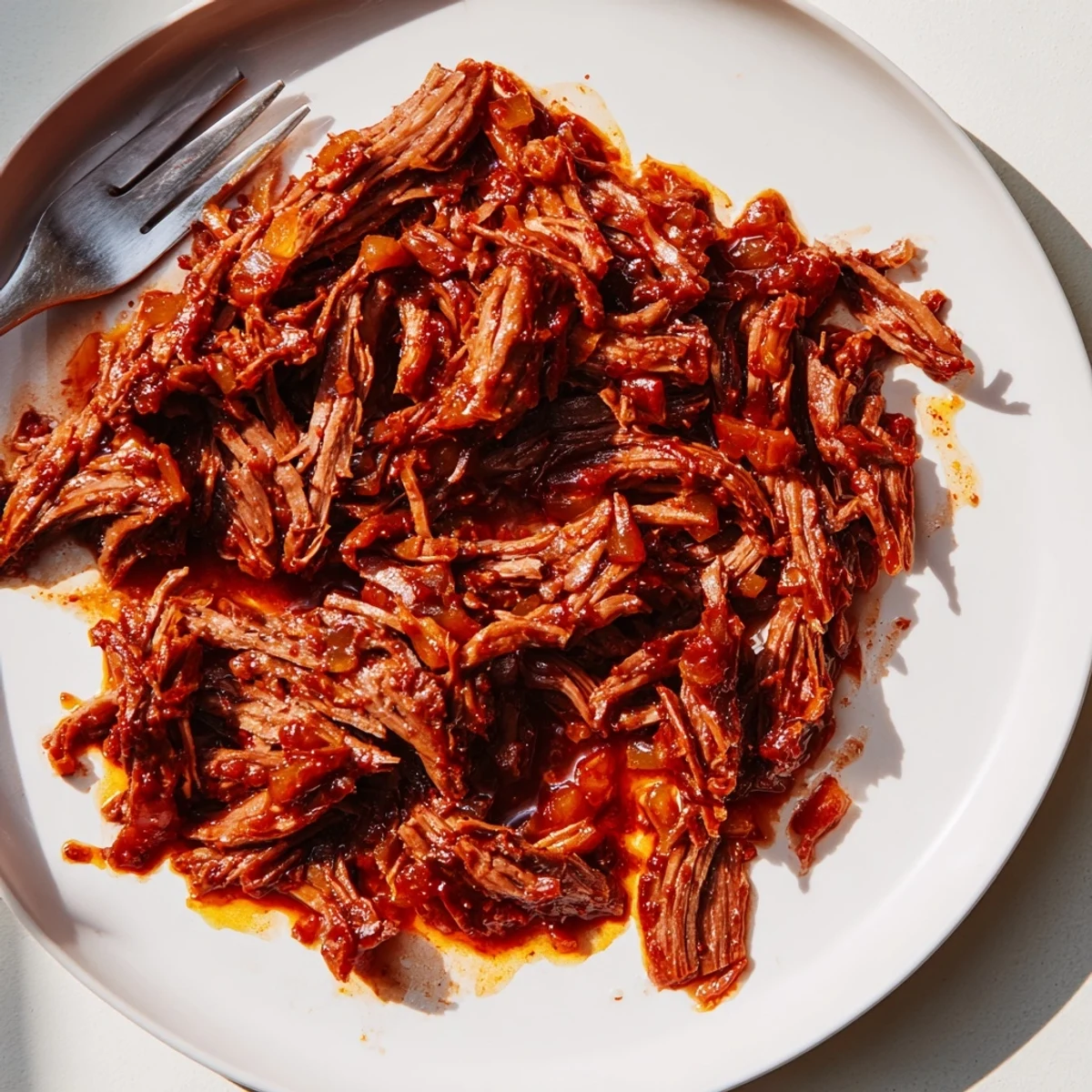
 Prepare this tender Korean-inspired beef by combining soy sauce, brown sugar, rice vinegar, sesame oil, ginger, garlic, gochujang, and grated pear. Place beef chunks in crock pot, pour sauce over, and cook on low for 6-7 hours until incredibly tender. Shred beef, thicken sauce with cornstarch slurry, and serve over rice with green onions and sesame seeds.
The first time I made Korean beef in my slow cooker, I'd completely forgotten about it until I walked through the front door after an exhausting day at work. That smell hit me first sweet, savory, with just enough warmth to make my stomach growl immediately. My roommate wandered out of her room asking what restaurant I'd ordered from, and when I told her it was just a humble chuck roast bubbling away since morning, she looked at me like I'd revealed a magic trick. We ate it straight from the pot, standing over the counter, forgetting all about the rice I'd planned to make.
I brought this to a potluck last winter when the host's heater broke, and something about warm, tender beef with that glossy caramelized sauce made everyone forget we were wearing coats indoors. My friend Sarah, who claims she doesn't like Asian food, went back for thirds and eventually asked for the recipe instead of just saying goodbye. Now whenever I see her, she asks if I'm bringing 'that beef' to whatever gathering we're heading to next.
Ingredients
- 2 lbs beef chuck roast: Chuck roast has enough marbling to stay juicy through long cooking, and it practically shreds itself when it's done. Trim off obvious fat caps but leave some intramuscular fat for flavor.
- ½ cup low-sodium soy sauce: Low-sodium gives you control over the salt level since the sauce reduces. Regular soy sauce can make the final dish overwhelmingly salty.
- ⅓ cup brown sugar: Brown sugar's molasses notes play beautifully with the soy and create that gorgeous lacquered look on the beef.
- 1 tablespoon grated Asian pear: This is the secret weapon in Korean marinades the enzymes tenderize the meat and the fruit adds a subtle sweetness that balances the salty elements.
- 1 tablespoon gochujang: Korean chili paste brings depth and gentle heat without overwhelming the dish. Red pepper flakes work in a pinch, but they miss the fermented complexity.
- 2 tablespoons sesame oil: Toasted sesame oil is potent and aromatic. A little goes a long way, so measure carefully rather than pouring straight from the bottle.
- 1 tablespoon cornstarch: This transforms the cooking liquid into a proper sauce that clings to every shred of beef instead of pooling at the bottom of your bowl.
Instructions
- Whisk together your sauce:
- Grab a medium bowl and dump in the soy sauce, brown sugar, water, rice vinegar, sesame oil, grated ginger, minced garlic, gochujang, and that grated pear. Whisk it until the sugar dissolves and everything smells like your favorite Korean restaurant. The mixture should look slightly thick from the pear and feel sticky between your fingers.
- Get the beef situated:
- Place your beef chunks in the bottom of the slow cooker. Pour the sauce over everything and use tongs to flip the pieces around until they're all wearing that gorgeous mahogany coating.
- Let time work its magic:
- Cover and cook on low for 6-7 hours. The beef is ready when it surrenders completely to a fork's pressure. No resistance, no tug of war just effortless shredding.
- Shred and skim:
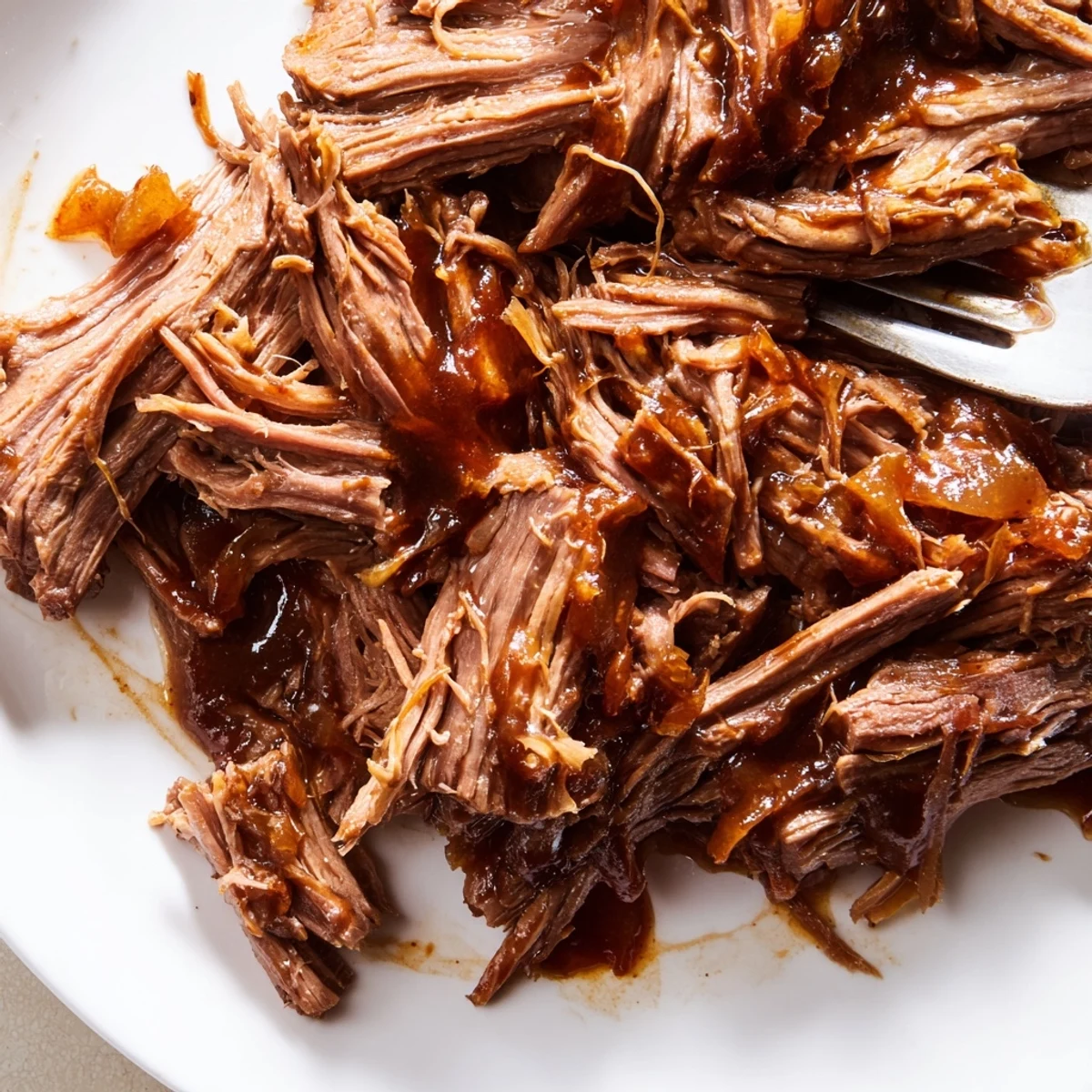
- Lift the beef out onto a cutting board and use two forks to pull it apart. Meanwhile, skim the obvious fat off the sauce surface with a large spoon. The sauce should look rich but not like an oil slick.
- Thicken things up:
- Mix cornstarch with cold water until smooth, then stir it into the sauce. Return the shredded beef to the pot and toss it until every piece is coated in that now-thickened glaze. Let it bubble on high for 15 minutes to cook out any raw starch taste.
 Save to Pinterest
 Last Thanksgiving, my sister declared she was tired of traditional turkey and asked if I could make 'that Korean beef stuff' instead. We served it alongside mashed potatoes and gravy, and somehow the combination worked. My nephew, who exists on a diet of approximately three foods, called it 'the fancy meat' and has requested it for every family gathering since.
Making It Ahead
This beef actually gets better after a day in the refrigerator. The flavors have time to marry and settle into each other, developing that depth that usually requires a restaurant kitchen and eight hours of simmering. I often make it on Sunday and portion it out for lunch throughout the week, finding myself genuinely excited about Tuesday's leftovers.
Serving Ideas
While rice is the classic choice, I've discovered this beef tucked into warm corn tortillas with quick-pickled cucumbers creates an unexpected fusion that my family now requests regularly. It also works brilliantly over steamed bok choy or tucked into baked sweet potatoes. The sauce clings to whatever you pair it with, making even simple sides feel intentional and complete.
Freezing And Storage
This freezes beautifully and has saved me on countless nights when cooking feels impossible. Portion the cooled beef into freezer bags with enough sauce to keep it moist, then thaw overnight in the refrigerator before reheating. The texture holds up surprisingly well, and sometimes I think the prolonged freezer time only makes the flavors more harmonious.
- Freeze for up to three months without any loss of quality
- Reheat gently with a splash of water to loosen the sauce
- The cornstarch thickening will relax when frozen but rethickens upon reheating
 Save to Pinterest
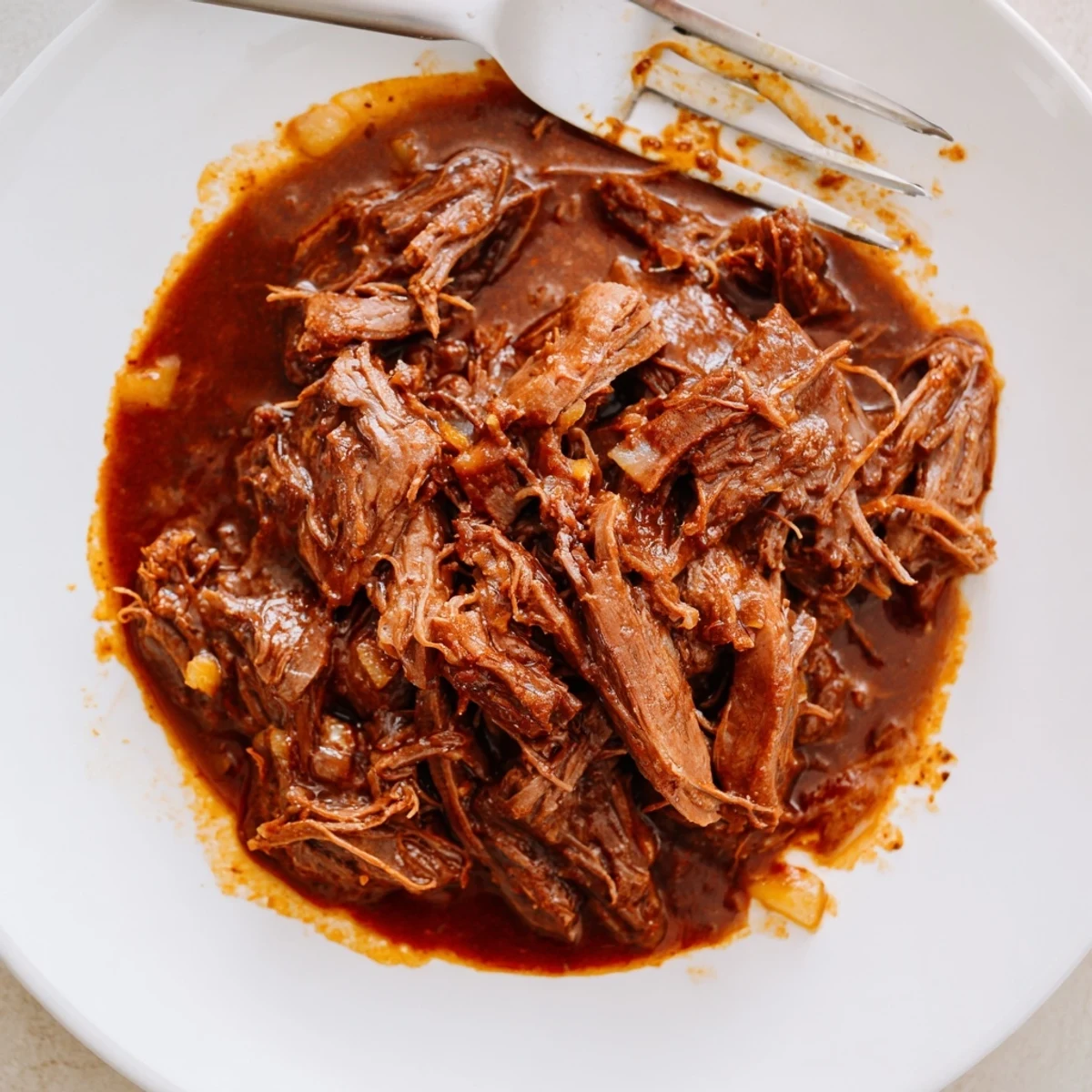
 There's something deeply satisfying about a recipe that asks for so little effort but delivers such disproportionate joy in return. This beef has become my answer to almost every question that starts with 'what should I make for dinner'
Recipe FAQs
- → Can I use a different cut of beef?
-
Yes, you can substitute with boneless pork shoulder for a variation. For best results, choose a fatty cut like chuck roast that becomes tender during slow cooking.
- → What can I serve this with besides rice?
-
This beef pairs well with steamed broccoli, sautéed vegetables, or kimchi for an authentic touch. The savory-sweet sauce complements many side dishes.
- → How can I make this spicier?
-
Add more gochujang or red pepper flakes to taste. You can also include a sliced Korean chili pepper in the sauce for extra heat.
- → Can I prepare this ahead of time?
-
Yes, you can marinate the beef in the sauce overnight before cooking for deeper flavor. Simply combine all ingredients and refrigerate until ready to cook.
- → Is this gluten-free?
-
The dish contains soy sauce and gochujang which may contain wheat. Use gluten-free soy sauce and check labels for gluten-free gochujang to make it gluten-free.