
 Save to Pinterest
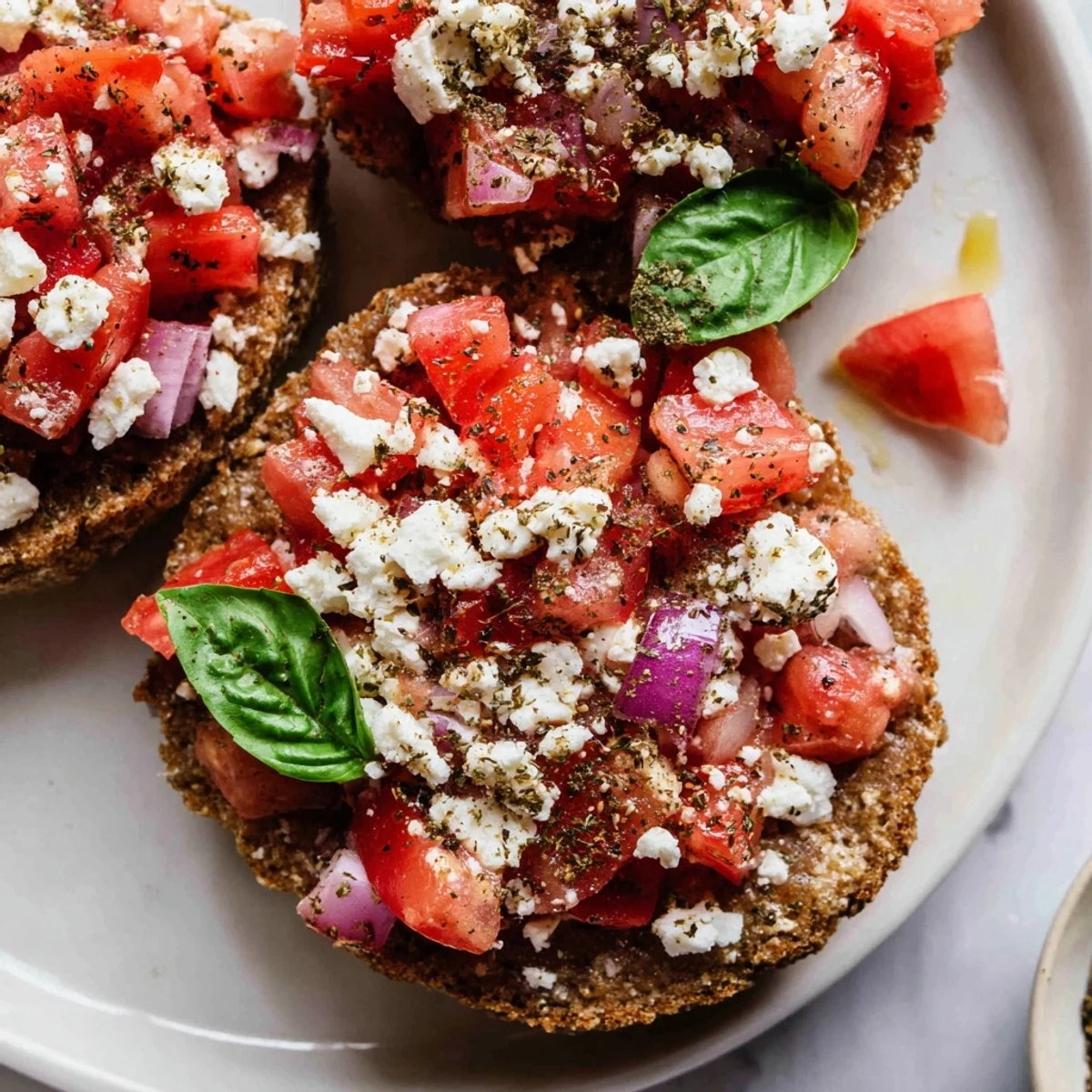
 Crispy Cretan feta rusks bring together the best of Mediterranean flavors in a simple, satisfying appetizer. Hearty barley rusks are lightly toasted, then drizzled with extra virgin olive oil and piled high with ripe diced tomatoes, crumbled feta cheese, and fragrant dried oregano.
Ready in just 25 minutes with minimal prep, these rusks make an excellent starter for a Greek-inspired dinner or a light lunch on their own. The contrast between the crunchy rusk base and the creamy, salty feta topping is irresistible.
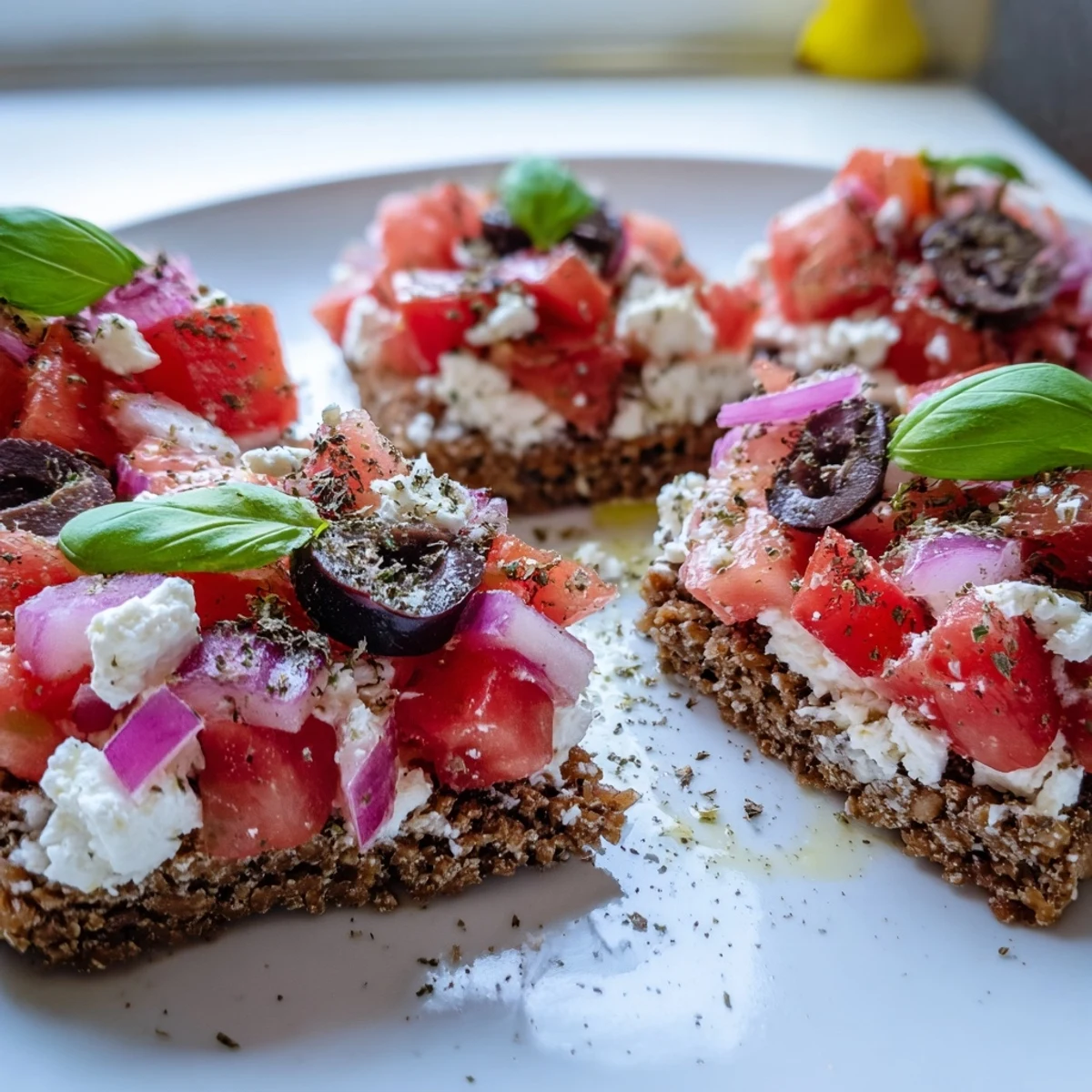
Customize each rusk with Kalamata olives, fresh herbs, capers, or diced cucumber to suit your taste.
My neighbor Elena once brought a tray of these rusks to our rooftop gathering in July, and the entire table went quiet except for the sound of crunching. I had to ask her three times for the method before she finally admitted it was barely a recipe at all, just good ingredients treated with respect. The smell of oregano hitting warm olive oil on that breezy evening is something I chase every summer now. Ten minutes of effort and you have something that tastes like a Greek island vacation.
I made a double batch for a friends potluck last spring and watched a grown man eat seven of them before dinner was even served. He looked almost embarrassed, then went back for an eighth. That is the power of simple food done well.
Ingredients
- 8 large Cretan barley rusks (dakos): These are the backbone of the dish and regular bread will not give you the same satisfying crunch or ability to hold up under wet toppings.
- 200 g feta cheese, crumbled: Use a good quality block stored in brine, not the pre crumbled kind, because the creamy texture makes all the difference.
- 3 medium ripe tomatoes, finely diced: Wait until your tomatoes are fully ripe and fragrant, as under ripe ones will taste flat no matter how much olive oil you add.
- 1 small red onion, finely chopped: Soak the diced onion in cold water for five minutes if you find raw onion too sharp, which tames the bite without losing flavor.
- 4 tbsp extra virgin olive oil: This is not the place to skimp, so use the best oil you have since it is a starring flavor here.
- 1 tsp dried oregano: Rub it between your palms before sprinkling to release the essential oils and wake up the aroma.
- Freshly ground black pepper, to taste: A generous hand with pepper balances the salty feta beautifully.
- Sea salt, to taste: Go easy because the feta and olives already bring plenty of salt to the party.
- Optional: Kalamata olives, pitted and sliced: They add a briny punch that ties everything together.
- Optional: Fresh basil or parsley leaves: A scattering of herbs at the end makes the whole plate look and taste brighter.
Instructions
- Warm up the oven:
- Preheat to 180 degrees C (350 degrees F) and let it come fully to temperature while you prepare the rusks, since a properly heated oven gives you even toasting.
- Prepare the rusks:
- Place the barley rusks on a baking tray and lightly sprinkle each one with a few drops of water, just enough to take the edge off without making them soggy.
- Toast until golden:
- Bake for 7 to 10 minutes until they sound hollow when tapped and smell warmly toasted, watching carefully at the end because they go from perfect to burnt quickly.
- Give them the oil treatment:
- Remove the rusks while still warm and drizzle about 1 tablespoon of olive oil over each one, letting it soak into the porous surface like a sponge.
- Layer on the freshness:
- Top each rusk evenly with the diced tomatoes and a scatter of red onion, pressing gently so the juices seep into the rusk surface.
- Crown with feta:
- Crumble the feta generously over each rusk in irregular chunks, because uneven pieces melt differently and create those irresistible golden edges.
- Season and finish:
- Sprinkle with oregano and black pepper, add a touch of sea salt only if needed, then drizzle any remaining olive oil on top.
- Serve right away:
- Garnish with olives and fresh herbs if using, and bring them to the table immediately because the magic is in the contrast of crunch and soft topping.
 Save to Pinterest
 There is something deeply satisfying about food that does not try too hard. These rusks taste like sunshine and salt air and someone who actually wanted you to feel welcome at their table.
Serving Ideas and Pairings
Pour something cold and crisp alongside these, preferably an Assyrtiko or a Sauvignon Blanc that can stand up to the salty feta. I have also served them alongside a simple cucumber salad on hot nights when cooking anything substantial felt impossible. For variation, try swapping the feta for fresh mizithra or a soft goat cheese, which gives a milder, creamier profile. Tossing on some capers, diced cucumber, or chopped green peppers transforms the whole plate into something new without extra effort.
Getting the Texture Right
The biggest mistake I made early on was drowning the rusks in water out of fear they would be too hard. A light hand is everything here, just a flick of wet fingers across the surface. You want the rusk to bend slightly when pressed but still feel firm and resistant in the center. Think of it like waking them up rather than soaking them, and you will nail the texture every single time.
Making It Your Own
Once you understand the basic structure of crunchy base, juicy topping, and salty cheese, you can riff endlessly on this idea. I have used grilled vegetables in autumn, roasted peppers in winter, and even leftover lentil salad when I wanted something more filling. Trust your instincts and your pantry, because the spirit of this dish is generosity and ease, not perfection.
- Keep extra rusks on hand because they store for months and you will want to make this again sooner than you think.
- A squeeze of lemon juice over the finished rusks brightens everything if the tomatoes are less than peak season.
- Always taste your feta before adding salt, since some brands are dramatically saltier than others.
 Save to Pinterest
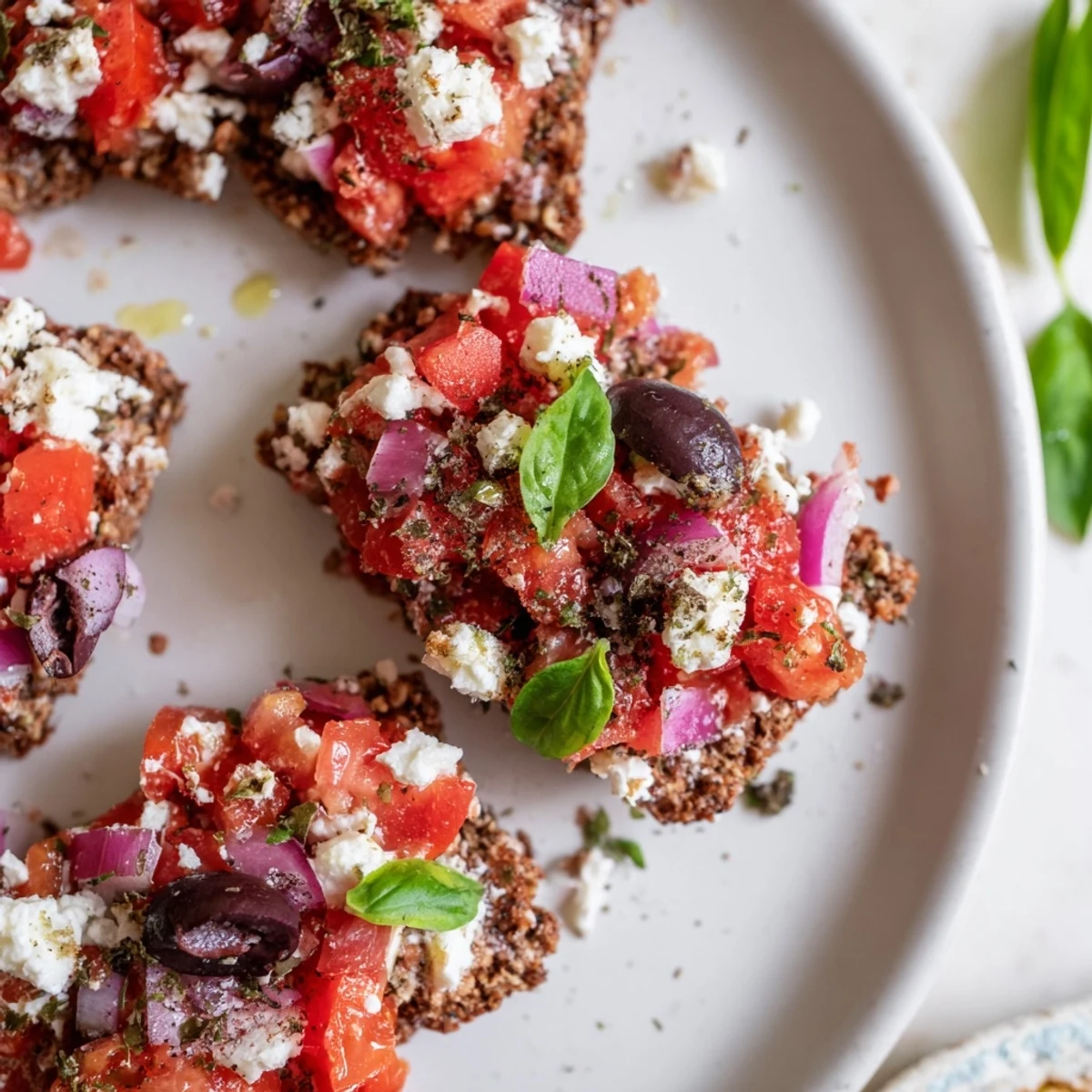
 Set these out on a warm evening with good company and something cold to drink, and you will understand why this humble snack has been beloved in Crete for generations. It is honest food at its finest.
Recipe FAQs
- → What type of rusks work best for this dish?
-
Traditional Cretan barley rusks, known as dakos, are ideal because of their dense, hearty texture that holds up well under toppings without becoming soggy. Any thick, whole grain rusk or hard bread can work as a substitute if barley rusks are unavailable.
- → Can I prepare the toppings ahead of time?
-
Yes, you can dice the tomatoes and onion, and crumble the feta in advance. Store them separately in the refrigerator. Assemble the rusks just before serving to maintain the satisfying crunch of the base.
- → Why do you sprinkle water on the rusks before baking?
-
A light sprinkle of water slightly softens the very hard surface of traditional barley rusks, allowing them to absorb the olive oil more effectively while still retaining a pleasing crunch after baking.
- → What cheese can I use instead of feta?
-
Fresh mizithra offers a milder, creamier alternative that is also traditional in Crete. Crumbled goat cheese or ricotta salata are excellent substitutions that pair beautifully with the tomato and oregano toppings.
- → How should I store leftover assembled rusks?
-
Assembled rusks are best enjoyed immediately, as the toppings will gradually soften the crunchy base. If needed, store leftovers in the refrigerator for up to one day and briefly re-crisp in the oven at 160°C for a few minutes.
- → What wine pairs well with Cretan feta rusks?
-
A crisp white wine such as Assyrtiko from Santorini or a Sauvignon Blanc complements the salty feta and herbaceous oregano beautifully. A light, dry rosé also works wonderfully as a refreshing pairing.