
 Save to Pinterest
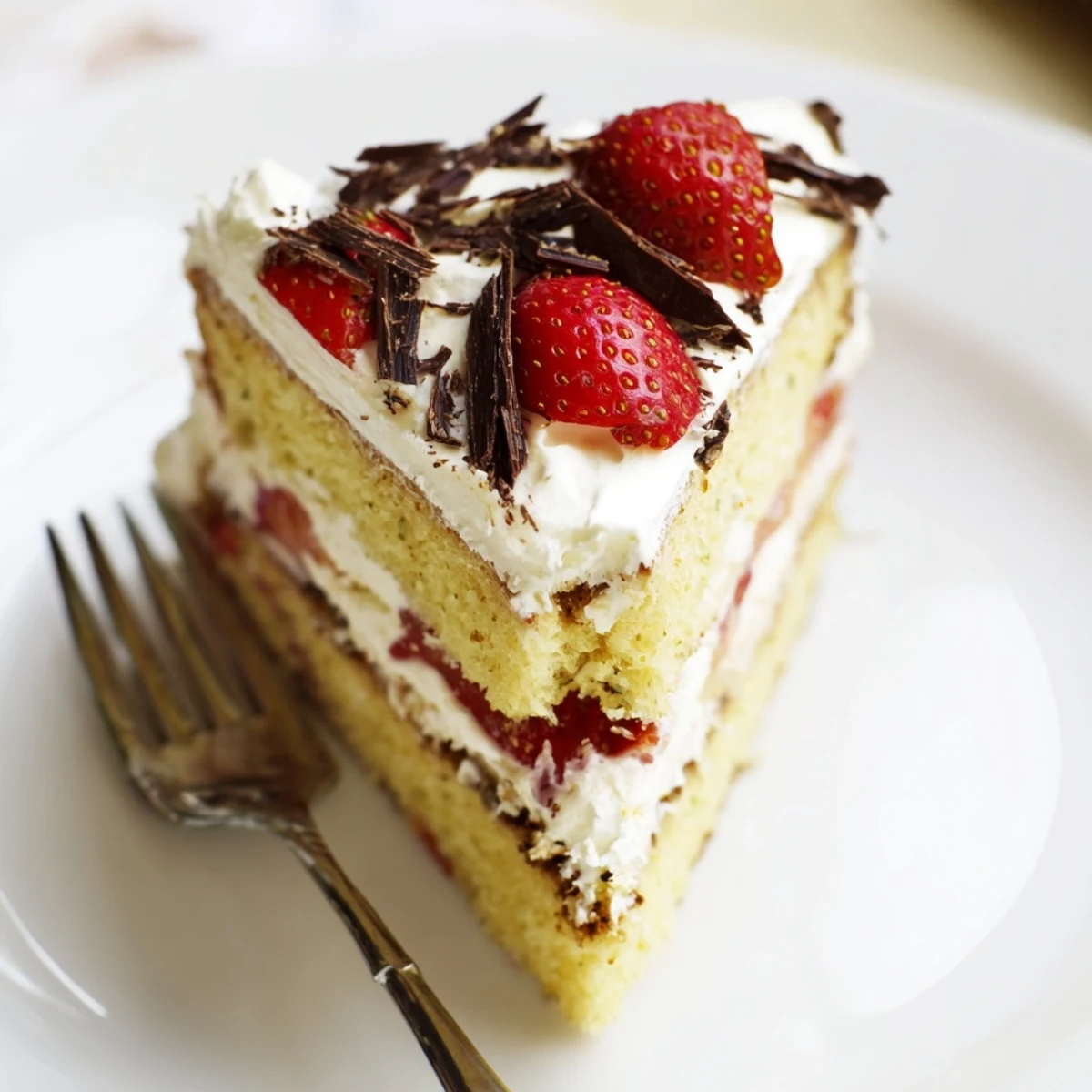
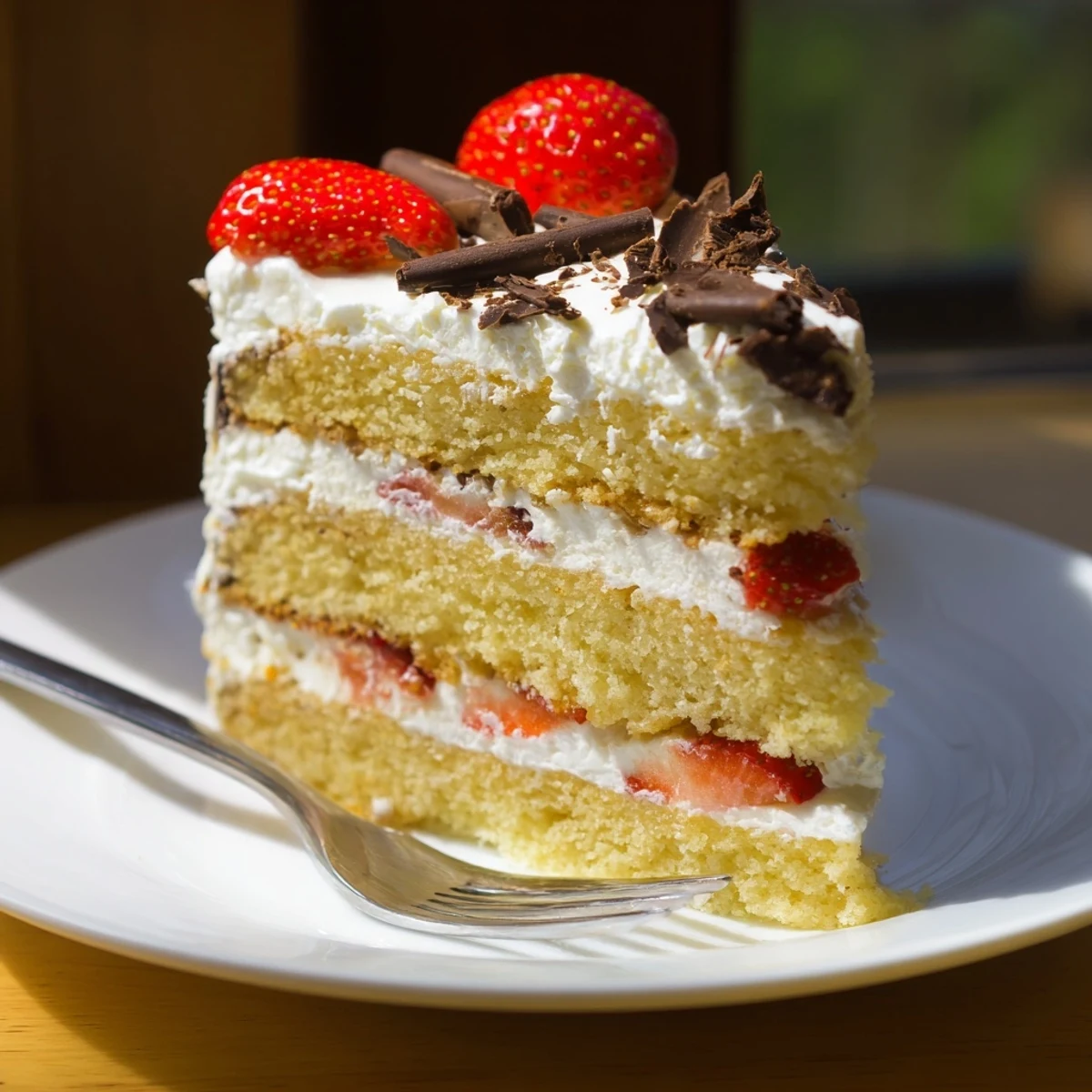
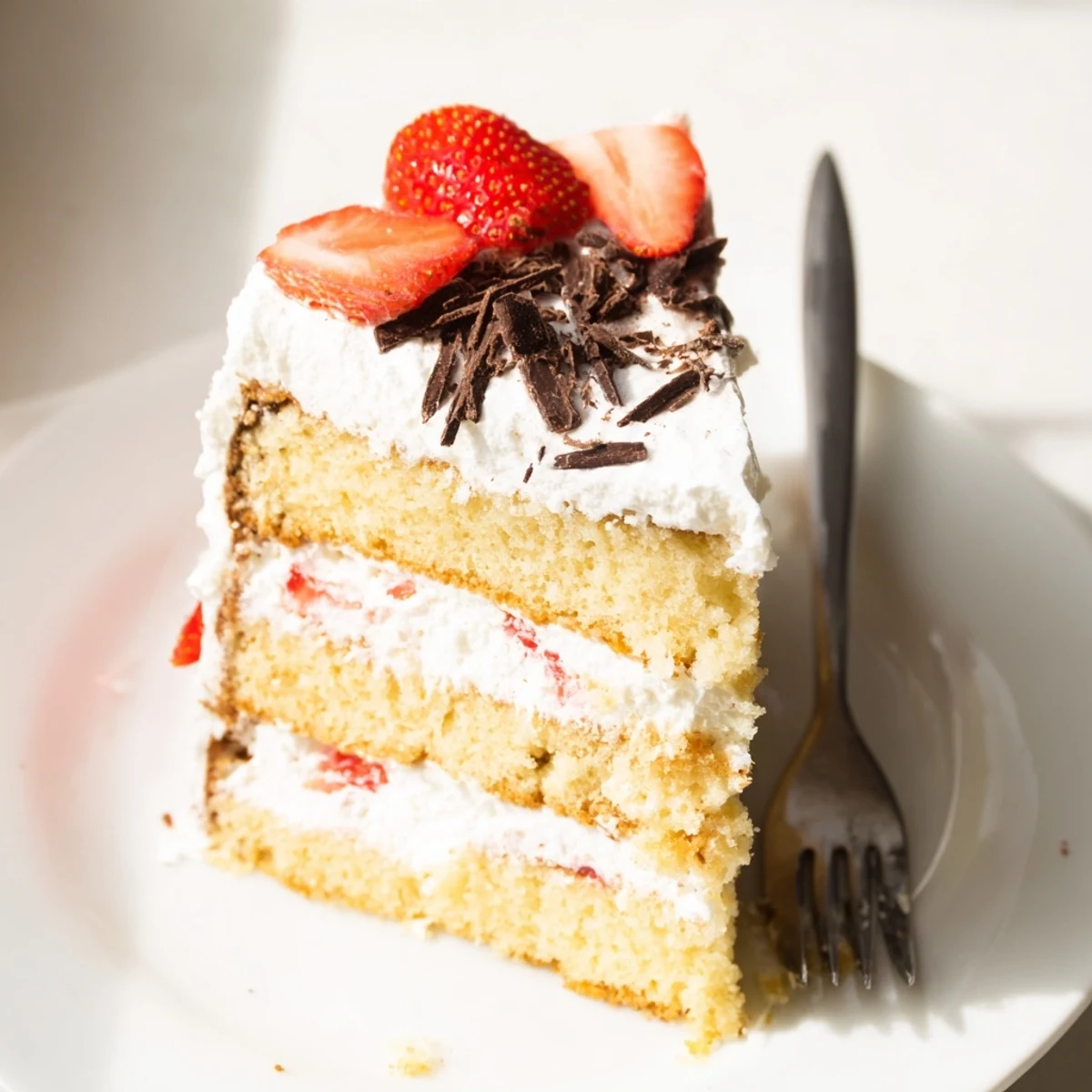
 This multi-layered creation features tender sponge layers combined with a rich, velvety cream cheese and whipped cream filling. Light vanilla notes enhance its luscious texture, while optional fresh berries, chocolate shavings, or toasted nuts provide a delightful contrast. Designed for ease of preparation, it requires baking, cooling, and careful layering to achieve an indulgent dessert perfect for gatherings or special occasions. Chilling before serving improves texture and flavor harmony.
My sister called at midnight the night before her wedding, panicking about dessert. The baker had cancelled, and she needed something impressive by tomorrow evening. I found myself in the kitchen at 1 AM, making this creamy layer cake from memory—the one my mom used to bake for our birthdays. As the layers cooled and I whipped that cloud-like cream cheese filling, I realized this wasn't just about salvaging a wedding. It was about showing up when it mattered.
I served it at that wedding, and guests kept asking if I'd bought it from a fancy bakery. Watching my sister take the first bite—that moment when she realized everything would be okay—made all those early morning hours worth it. Now whenever someone needs a cake that actually tastes homemade, this is what I make.
Ingredients
- All-purpose flour: Two cups gives you the right structure without being heavy; make sure it's fresh because old flour can betray you halfway through baking.
- Baking powder: One and a half teaspoons is your lift—don't skip it or substitute with baking soda unless you enjoy dense cake.
- Salt: Just a quarter teaspoon, but it makes the vanilla sing and balances the sweetness in a way people can't quite name.
- Eggs at room temperature: This matters more than people think; cold eggs won't incorporate properly and you'll lose volume where you need it most.
- Granulated sugar: One cup, beaten with eggs until pale and thick—this takes about five minutes and is non-negotiable for the cake's crumb.
- Whole milk at room temperature: Half a cup keeps the cake tender; cold milk will shock the batter and you'll end up with uneven texture.
- Unsalted butter, melted and cooled: Half a cup of melted butter adds richness without making the cake greasy, and cooling it first prevents curdling the eggs.
- Vanilla extract: Two teaspoons of real vanilla, not the imitation stuff—your cake will taste noticeably better and more sophisticated.
- Heavy cream, cold: Two cups that you've chilled in the freezer for twenty minutes beforehand whip into clouds faster and hold peaks longer.
- Powdered sugar: Half a cup mixed with cream cheese first creates a smooth filling without gritty texture.
- Cream cheese, softened: Eight ounces at room temperature blends without lumps; leaving it cold is how you end up frustrated with your mixer.
Instructions
- Set the stage:
- Preheat your oven to 350°F and grease those two eight-inch pans, then line them with parchment—it's the difference between cake that comes out cleanly and cake that breaks apart.
- Build your dry foundation:
- Whisk flour, baking powder, and salt together in a medium bowl; this distributes the leavening evenly so you don't get weird dense pockets in your finished cake.
- Create the airy base:
- Beat eggs and sugar on high speed for a full five minutes until the mixture is thick, pale, and ribbons form when you lift the beaters; rushing this step means a denser, less luxurious crumb.
- Bring it together gently:
- Add milk, melted butter, and vanilla to your egg mixture and mix just until combined, then fold in the dry ingredients with a spatula using the absolute minimum number of strokes. This is where cakes either stay tender or become tough—overmixing gluten development is the enemy.
- Fill and bake:
- Divide the batter evenly between your prepared pans and bake for 25 to 30 minutes until a toothpick inserted in the center comes out clean; every oven is different, so start checking at 25 minutes.
- Cool with patience:
- Let the cakes cool in their pans for ten minutes—this sets the structure—then turn them out onto wire racks to cool completely, which takes about an hour. Trying to frost warm cake is a recipe for it sliding everywhere.
- Make the magic filling:
- Beat softened cream cheese and powdered sugar until smooth, add vanilla, then gradually beat in cold heavy cream until stiff peaks form; this whole process takes about three minutes with an electric mixer and creates the most addictive frosting.
- Build your layers:
- Place one cooled cake layer on your serving platter, spread a generous amount of filling on top, and repeat with remaining layers, ending with filling on the very top. If you want extra-fancy layers, carefully slice each cake in half horizontally first.
- The final touch:
- Decorate with fresh berries, chocolate shavings, or toasted nuts right before serving, then chill the whole cake for at least an hour so the layers set and the flavors meld together beautifully.
 Save to Pinterest
 Years later, my sister still mentions that midnight cake whenever we talk about that wedding. What started as a panic became proof that homemade—made with actual care in an actual kitchen—matters in ways store-bought never will. This cake became part of our family story.
Why Room Temperature Matters
The first time I made this cake with ingredients straight from the fridge, I got an oddly dense, sunken layer that confused me for weeks. Turns out, cold eggs and milk don't incorporate smoothly into the batter, and you lose air volume right where you need it most. Now I always pull my eggs and milk out fifteen minutes before I start—it's a small step that makes an enormous difference in how light and airy your finished cake turns out.
Customizing Your Filling
Once you master the basic cream cheese frosting, you can play with it endlessly. I've added a tablespoon of fresh lemon zest for brightness, or swapped half the cream cheese for mascarpone when I wanted something less tangy and more cloud-like. A friend of mine layers fruit preserves between the cake layers, and it transforms the whole dessert into something more complex and memorable. The filling is forgiving enough to accommodate your instincts, which is part of why this recipe feels so personal once you've made it a few times.
Storage and Make-Ahead Strategy
You can bake the sponge layers a full day ahead and store them wrapped at room temperature, which means the actual assembly and frosting takes less than thirty minutes. The finished cake keeps beautifully in the refrigerator for three days, and somehow tastes even better the next day once everything has settled and melded together. If you're nervous about timing for an event, this is honestly one of the most forgiving desserts to prepare ahead.
- Bake and cool layers completely, then wrap them tightly in plastic wrap and keep at room temperature for up to twenty-four hours.
- Make the filling up to two hours ahead and keep it in a piping bag in the refrigerator so you're ready to assemble whenever you want.
- The finished frosted cake keeps in the refrigerator for three days, so dessert stress becomes completely optional.
 Save to Pinterest
 This cake proves that the most memorable desserts don't come from fancy techniques or hard-to-find ingredients—they come from showing up with care and time. Make it for someone you love, or make it for yourself on a Tuesday just because you deserve something beautiful.
Recipe FAQs
- → How do I achieve moist sponge layers?
-
Ensure eggs and milk are at room temperature, and do not overmix the batter once flour is added to keep sponge tender and moist.
- → What is the best way to get stiff whipped cream for filling?
-
Use cold heavy cream and chill the bowl and beaters beforehand. Beat at medium-high speed until stiff peaks form without overwhipping.
- → Can I add extra flavor between the layers?
-
Yes, spreading a layer of fruit preserves between sponge and cream adds a bright, fruity contrast that complements the creamy filling.
- → What toppings work well with this layered dessert?
-
Fresh berries, chocolate shavings, and toasted nuts enhance texture and provide visual appeal, balancing sweetness with subtle crunch.
- → How long should the layered dish chill before serving?
-
Chill for at least one hour to let the layers set and flavors meld, resulting in improved texture and ease of slicing.