
 Save to Pinterest
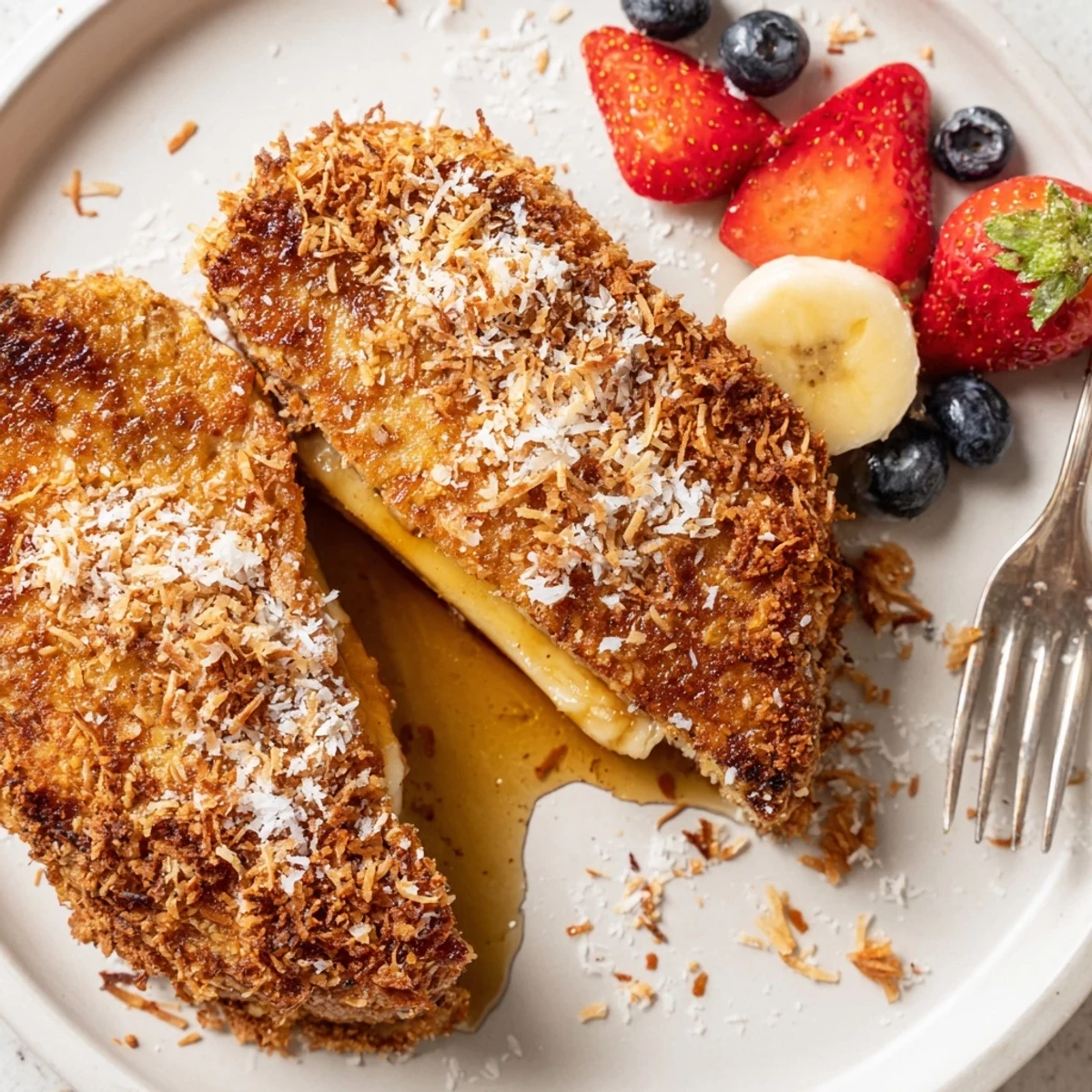
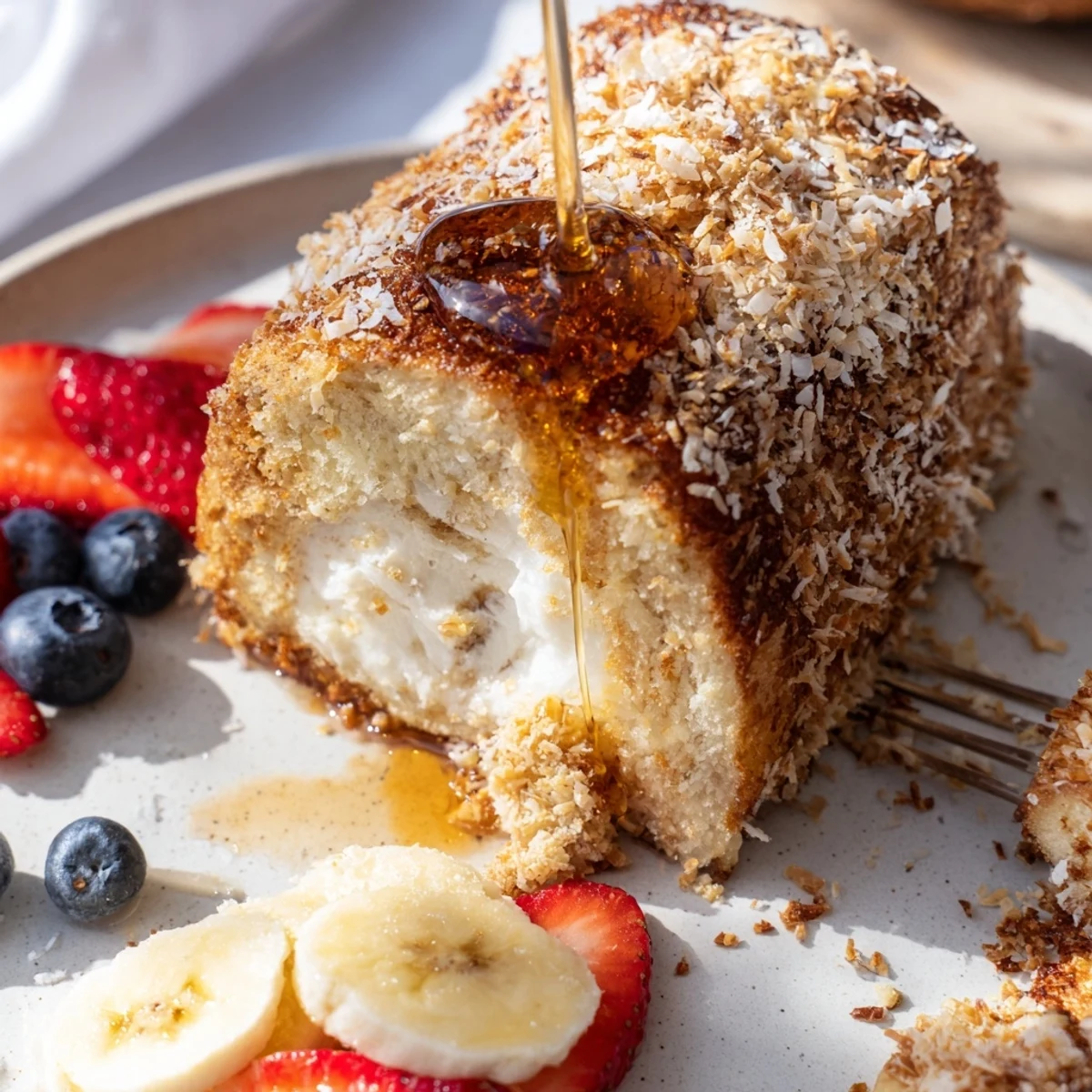
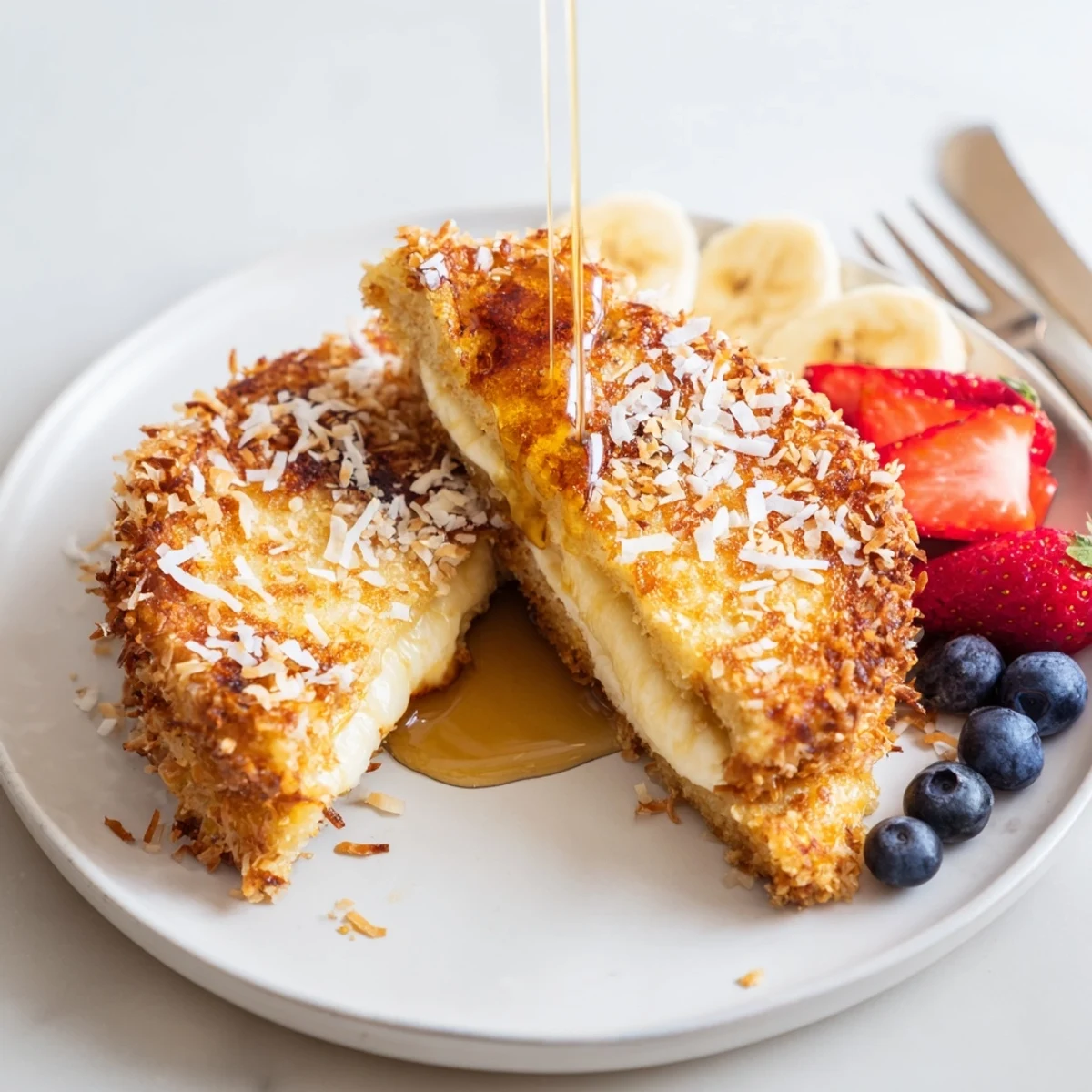
 This coconut-crusted French toast yields golden, crunchy edges and a rich, custardy interior. Thick brioche or challah slices are briefly soaked in a cinnamon‑vanilla egg and milk custard, then pressed into shredded coconut (and optional panko) before pan-frying in butter and coconut oil until deeply golden. Serve immediately with maple syrup, fresh berries or bananas. For dairy-free cooking, swap in coconut milk and use only coconut oil; cook over medium heat to avoid burning the coconut.
The smell of toasted coconut hitting hot butter is the kind of thing that pulls people out of bed on a lazy Sunday morning, no alarm needed. My sister walked into the kitchen barefoot, still half asleep, and stopped mid yawn when she saw the golden crust forming in the pan. She asked if I had somehow turned French toast into a vacation. That question alone told me this recipe was going to become a permanent fixture in our weekend rotation.
I made a double batch of these for a friends potluck brunch last spring and watched three grown adults argue over the last slice. Someone actually tried to hide a plate behind the coffee maker. The coconut coating caramelizes in the pan in a way that makes each bite taste like it took far more work than twenty five minutes.
Ingredients
- Eggs (4 large): The backbone of your custard, and using fresh eggs makes a real difference in how rich the mixture coats the bread.
- Whole milk or coconut milk (240 ml): Coconut milk leans into the tropical theme, but whole milk creates a slightly lighter custard.
- Granulated sugar (1 tablespoon): Just enough sweetness to help the coconut brown beautifully without making it dessert sweet.
- Pure vanilla extract (1 teaspoon): Rounds out the flavors and makes everything smell like a bakery.
- Ground cinnamon (1/2 teaspoon): A warm note that bridges the gap between classic French toast and the coconut twist.
- Salt (pinch): Never skip this or the whole thing will taste flat.
- Brioche or challah (8 slices, 2 cm thick): These enriched breads soak up custard like a dream and stay pillowy inside.
- Unsweetened shredded coconut (100 g): Sweetened versions will burn before the bread cooks through, so stick with unsweetened.
- Panko breadcrumbs (55 g, optional): Adds an extra layer of crunch that holds up even as the toast sits.
- Butter (2 tablespoons): Brings flavor and helps the coconut brown evenly.
- Coconut oil (2 tablespoons): Prevents the butter from burning and adds a subtle coconut aroma.
- Maple syrup, fresh berries, sliced bananas, powdered sugar: Pick your favorites or pile them all on.
Instructions
- Whisk the custard:
- Crack the eggs into a wide shallow dish and pour in the milk, sugar, vanilla, cinnamon, and salt. Whisk until everything is smooth and you see no streaks of yolk floating around.
- Set up the coating station:
- In a second shallow dish, toss the shredded coconut with the panko if you are using it. Use your fingers to break up any clumps in the coconut so it coats evenly.
- Soak the bread:
- Lay a slice of bread in the custard and let it sit for about ten seconds per side. You want it saturated but not falling apart, so lift it out gently and let the excess drip off.
- Press on the crust:
- Place the soaked slice directly into the coconut mixture and press down firmly. Flip it and press again so both sides are covered in a thick, even layer with no bare patches.
- Heat the pan:
- Set a large non stick skillet over medium heat and add both the butter and coconut oil. Wait until the butter stops bubbling and the mixture shimmers across the surface.
- Fry until golden:
- Place the coated slices in the pan without crowding and cook two to three minutes per side. You are looking for a deep golden brown crust that sounds crispy when you tap it with your spatula.
- Serve immediately:
- Transfer to plates right away and add whatever toppings make you happy. The crust stays crispiest when served straight from the pan.
 Save to Pinterest
 One rainy Saturday my neighbor knocked on the door to return a borrowed pan just as I was pulling the last batch off the stove. She ended up staying for an hour, sitting on the kitchen counter with a plate balanced on her knee, telling me this was the first breakfast in years that made her forget about checking her phone.
Making It Dairy Free
Swapping to coconut milk and frying in only coconut oil is a seamless change that keeps all the flavor intact. The result is slightly richer and deeply coconut forward, which most people actually prefer once they taste it. Just double check that your bread does not contain any hidden dairy ingredients.
Choosing the Right Bread
Brioche and challah are ideal because their tender crumb soaks up custard while staying structured enough to hold the coconut crust. Thick cut white bread from a bakery works in a pinch, but avoid presliced sandwich bread since it falls apart the moment it hits the egg mixture. Slice it yourself to about two centimeters thick for the best balance of crunch and soft center.
Keeping It Crispy
The easiest way to keep finished slices crispy while you cook the rest is to set a wire rack inside a baking sheet in a low oven. This trick has saved many a brunch from turning into a pile of soggy disappointment.
- Never stack finished slices on top of each other or steam will destroy the crust.
- If you need to reheat, a quick pop in the toaster oven works far better than the microwave.
- Always serve warm for the best texture and flavor.
 Save to Pinterest
 Some recipes are just breakfast, but this one has a way of turning an ordinary morning into something worth remembering. Keep a fork ready, because nobody waits long once that coconut hits the pan.
Recipe FAQs
- → Which bread works best?
-
Thick slices of brioche or challah give the richest texture and soak without falling apart. Day‑old bread holds up well; very fresh, soft slices can become too soggy.
- → How do I prevent the coconut from burning?
-
Use medium heat and a mix of butter and coconut oil to balance flavor and smoke point. Watch pans closely and adjust heat if the coconut browns too quickly.
- → Can I make a dairy-free version?
-
Yes. Replace whole milk with canned or carton coconut milk and fry using only coconut oil or a neutral oil for a fully dairy‑free finish.
- → Is panko necessary in the coconut coating?
-
Panko is optional—add it for extra crunch and structure. Pure shredded coconut yields a lighter, chewier crust with more pronounced coconut flavor.
- → How do I keep the center custardy without sogginess?
-
Soak slices briefly so they absorb custard but don’t collapse. Use thick bread, press off excess custard before coating, and cook over medium heat until golden to set the interior.
- → What’s the best way to reheat leftovers?
-
Store cooled pieces in an airtight container in the fridge up to 48 hours. Reheat in a skillet or toaster oven to restore crispness rather than the microwave, which makes the coconut soggy.