
 Save to Pinterest
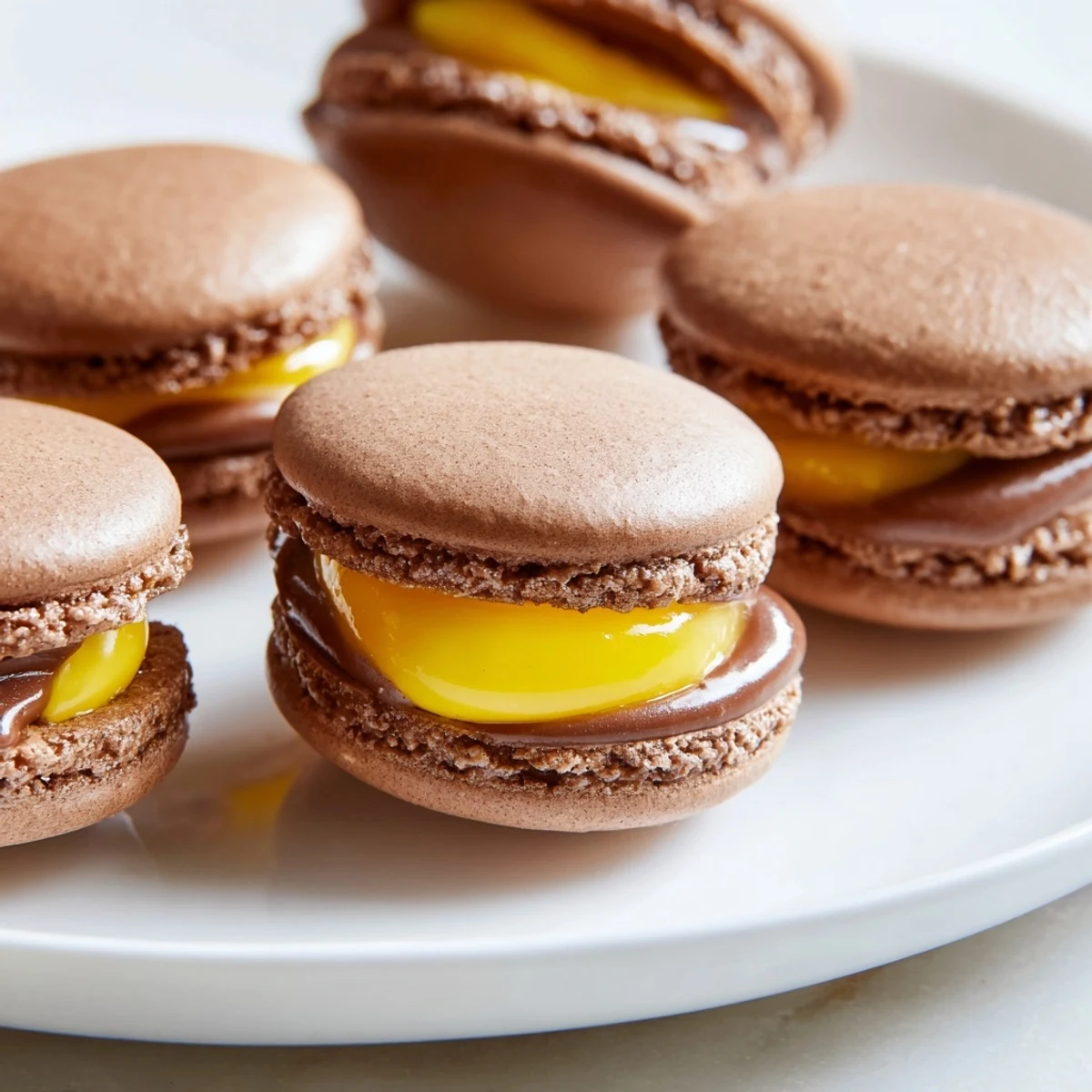
 These delicate French macarons capture the iconic Cadbury Creme Egg experience in elegant pastry form. The crisp almond meringue shells encase a luscious milk chocolate ganache filling with a surprise yellow center mimicking the beloved egg yolk. Perfect for Easter celebrations or spring gatherings, these impressive treats require patience but reward with stunning presentation and nostalgic flavor.
The key lies in properly preparing the meringue and mastering the macaronage technique for those signature smooth shells. The filling combines quality milk chocolate with heavy cream and golden syrup for authentic Cadbury flavor, while the butter adds silky richness. Allow assembled macarons to rest overnight for optimal texture and flavor melding.
The first Easter I attempted these, my kitchen looked like a pastel explosion and I may have eaten more filling than made it into the shells. There's something wonderfully mischievous about recreating that iconic creme egg experience in delicate French cookie form.
I brought a batch to my sister's spring brunch last year and watched her five-year-old's eyes light up when she discovered the yellow center. Sometimes the most complicated-looking desserts create the simplest moments of joy.
Ingredients
- 100 g almond flour: The foundation of that signature chewy texture, sift it twice for the smoothest shells possible
- 100 g powdered sugar: Creates the delicate crisp exterior while keeping the interior tender
- 90 g egg whites: Must be room temperature for proper volume, aged whites work even better if you plan ahead
- 90 g granulated sugar: Provides structure to the meringue, add gradually for those gorgeous stiff peaks
- 1/4 tsp cream of tartar: The secret ingredient that stabilizes your meringue and prevents weeping
- 100 g milk chocolate: Cadbury Dairy Milk gives the most authentic flavor but any quality milk chocolate works beautifully
- 50 ml heavy cream: Creates that silky ganache texture that pairs perfectly with the delicate shells
- 3 tbsp golden syrup: Adds the signature gooey consistency of the original creme egg center
- 50 g unsalted butter: Brings everything together into a smooth pipeable filling
Instructions
- Prep your station:
- Line two baking sheets with silicone mats or parchment paper and fit a pastry bag with a 1/2-inch round tip before you start mixing anything.
- Sift the dry ingredients:
- Combine almond flour and powdered sugar in a bowl and sift them together at least twice to ensure lump-free shells.
- Make the meringue:
- Whisk egg whites and cream of tartar until soft peaks form, then gradually add granulated sugar while continuing to whisk until you have stiff glossy peaks that hold their shape.
- Mix the batter:
- Gently fold the almond mixture into the meringue in three additions, mixing until the batter flows in thick ribbons off your spatula and disappears back into itself within 20 seconds.
- Pipe the shells:
- Transfer batter to your prepared pastry bag and pipe 32 rounds about 1.5 inches wide, then tap trays firmly on the counter to release any trapped air bubbles.
- Rest and bake:
- Let shells sit at room temperature for 30-60 minutes until dry to touch, then bake at 150°C for 13-15 minutes, rotating halfway through.
- Make the filling:
- Heat cream until simmering and pour over chopped chocolate, let sit for 2 minutes then stir smooth before adding golden syrup and butter until glossy.
- Create the yolk effect:
- Reserve about a quarter of the filling and tint it yellow with gel food coloring, then chill both fillings until thick enough to pipe.
- Assemble your eggs:
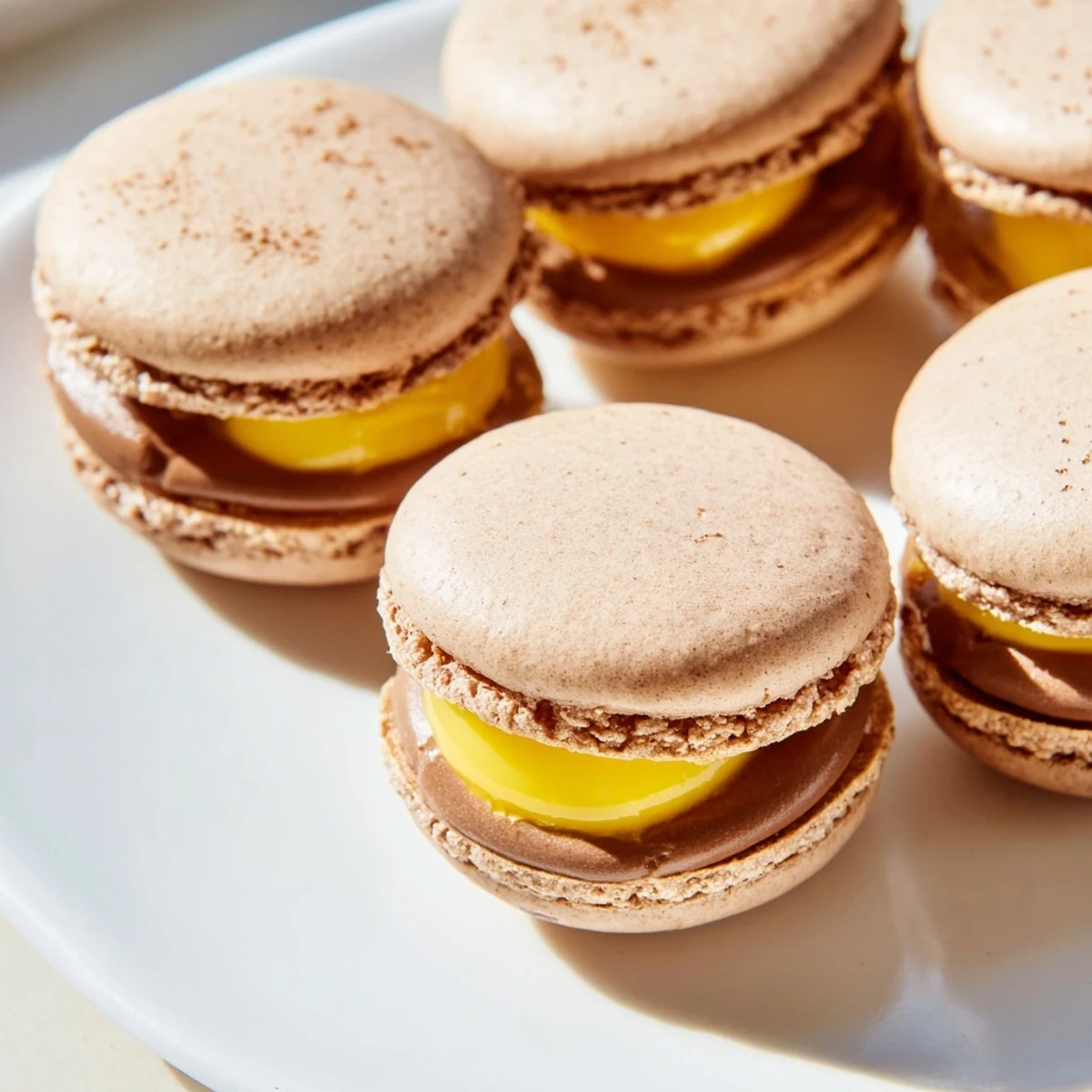
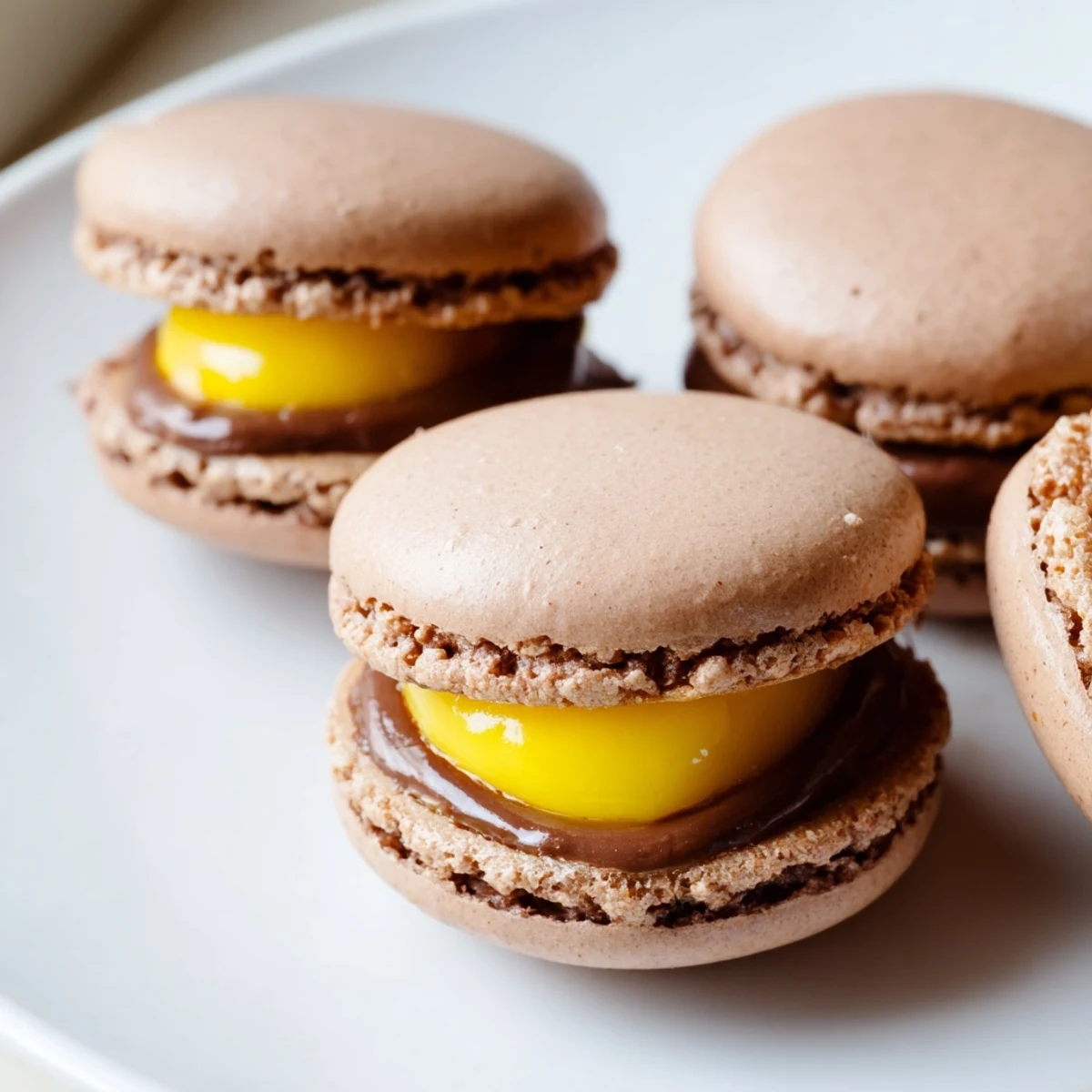
- Pipe a ring of chocolate filling on one shell, add a small dollop of yellow filling in the center, then gently press another shell on top.
 Save to Pinterest
 These have become my go-to contribution for spring gatherings, watching people discover the yellow center never gets old. Food that makes people smile before they even take a bite is worth every minute of effort.
Getting The Colors Right
Gel food coloring is your best friend here, it won't affect the batter consistency like liquid dyes can. For a truly authentic look, tint only a portion of your batter yellow for some shells and leave the rest natural or go pastel for Easter vibes.
Making The Filling In Advance
The chocolate ganache actually benefits from sitting overnight in the refrigerator. This head start means you can focus entirely on the sometimes finicky shell-making process the day you plan to assemble them.
Perfecting Your Technique
The resting period before baking isn't optional, those skins that form are what creates the signature foot and prevents cracked shells.
- Tap your trays multiple times and at different angles to remove stubborn air bubbles
- Rotate your pans halfway through baking for even browning
- Let assembled macarons mature in the fridge for at least 24 hours for the best texture
 Save to Pinterest
 There's something deeply satisfying about mastering a technique that once seemed intimidating. These little sandwich cookies have taught me that patience in the kitchen always pays off in the most delicious ways.
Recipe FAQs
- → Why must macaron shells rest before baking?
-
The resting period allows a skin to form on the surface of each shell. This skin traps steam during baking, creating the characteristic frilly feet and preventing cracks. Wait until shells are dry to touch before baking.
- → Can I make these without a stand mixer?
-
Yes, a hand mixer works perfectly for whipping the meringue. It may take slightly longer to reach stiff peaks, but the results will be equally good. Ensure your bowl and whisk are completely clean and dry.
- → Why did my macarons crack during baking?
-
Cracking usually indicates the shells didn't rest long enough, or the batter was overmixed. Ensure surfaces are completely dry before baking and stop folding when the batter flows in thick ribbons.
- → Can I use dark chocolate instead of milk?
-
Yes, dark chocolate creates a richer, less sweet filling. Use the same proportions and adjust sugar in the shells if desired. The flavor profile will be more intense.
- → How do I know when the batter is properly mixed?
-
The batter is ready when it flows slowly from your spatula in thick ribbons and disappears into the mass within 20 seconds. Avoid overmixing, which causes flat shells.
- → Why must macarons mature overnight?
-
Resting allows moisture from the filling to soften the shells slightly, creating that signature melt-in-your-mouth texture. Flavor development also improves, making them worth the wait.