
 Save to Pinterest
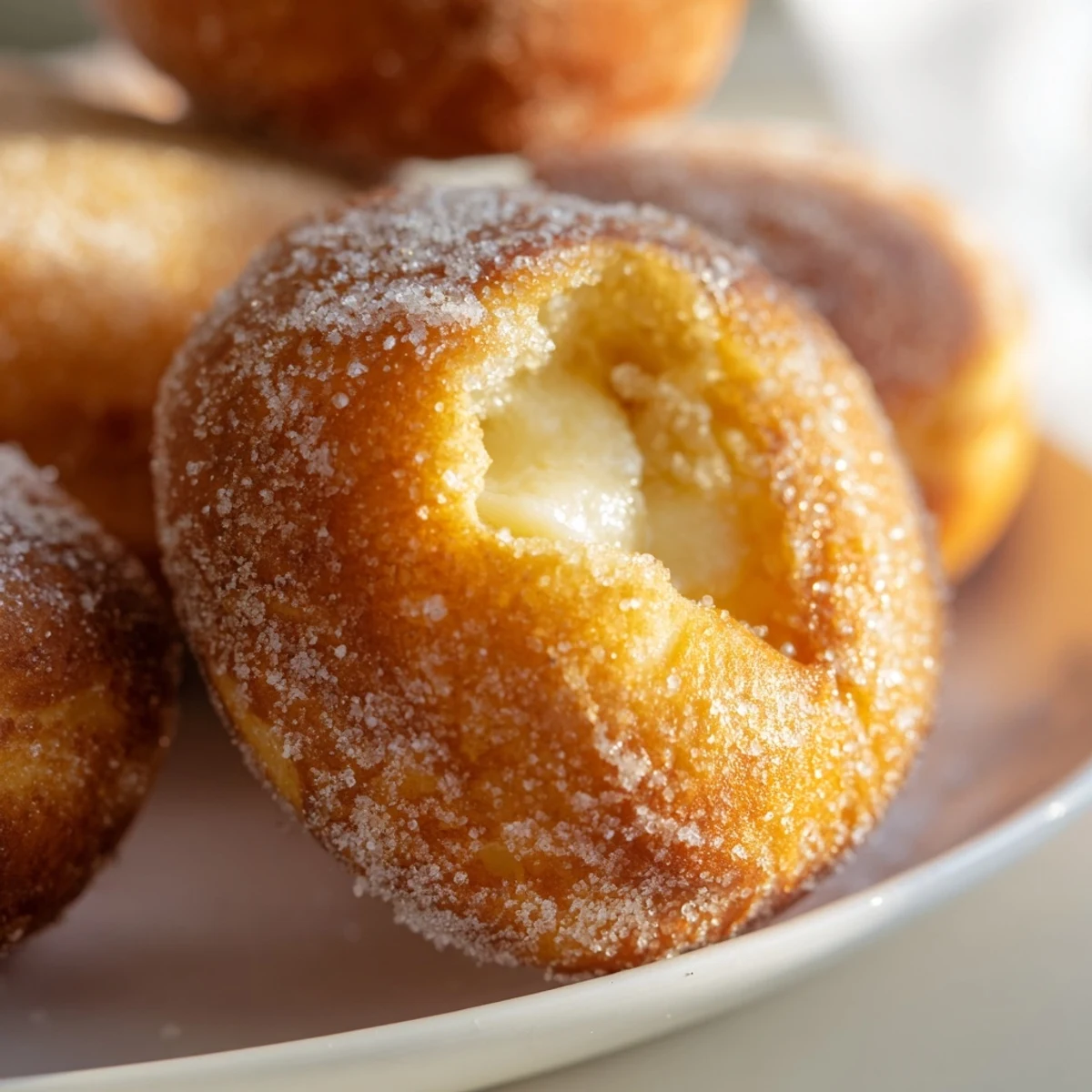
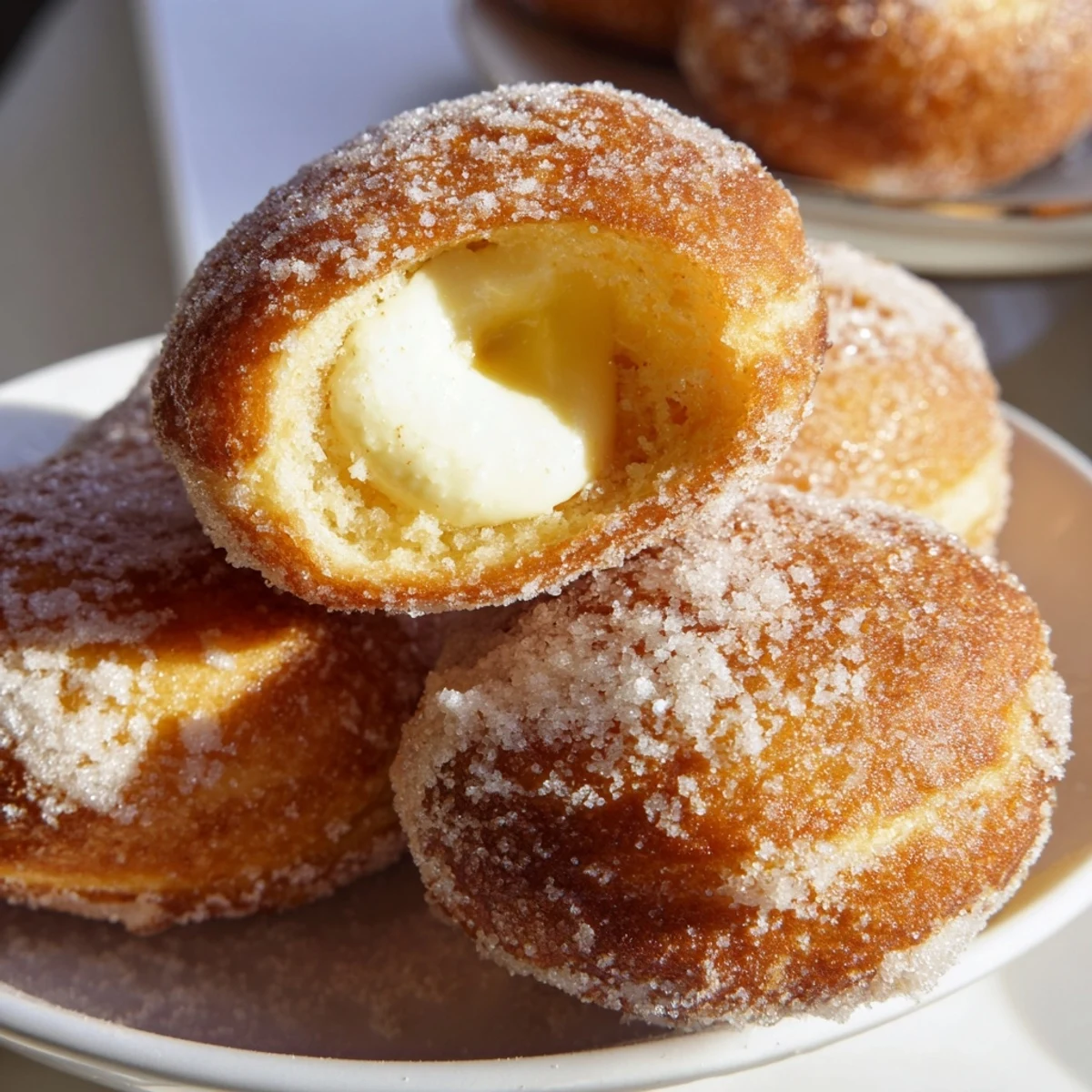
 These beloved Italian pastries feature pillowy-soft dough that's fried to golden perfection and filled with luscious vanilla pastry cream. The dough develops its characteristic lightness through a careful rising process, while the silky filling balances sweetness with the subtle brightness of lemon zest. Best enjoyed warm with a dusting of sugar and a cup of espresso for the ultimate Italian breakfast experience.
The first time I bit into a bombolone in a tiny Florence bakery, I actually stopped midstride. The counter was covered in a mountain of sugar, and I watched the nonna behind the counter drop fresh doughnuts into bubbling oil like she was conducting a symphony. She caught me staring and handed me one warm from the fryer, steam still escaping from the side where she had piped in the cream. That single bite taught me more about Italian joy than any guidebook ever could.
Last winter, I made these for a Sunday brunch when my sister visited from abroad. She walked into the kitchen just as I was rolling the warm bomboloni in sugar, and the look on her face was exactly like a childs on Christmas morning. We stood at the counter eating them straight from the paper towel lined plate, burnt fingers forgotten, licking sugar and traces of cream from our thumbs. Sometimes food is just the excuse we need for the moments that matter.
Ingredients
- 500 g all-purpose flour: The foundation of everything, bread flour works too but AP gives that tender crumb we want
- 60 g granulated sugar: Just enough to balance the yeast and help the dough brown beautifully
- 7 g instant dry yeast: One packet, no measuring needed, makes life simpler
- 200 ml whole milk, lukewarm: Warm enough to activate the yeast but never hot enough to kill it
- 60 g unsalted butter, softened: Room temperature so it incorporates seamlessly into the dough
- 2 large eggs: Bring these to room temperature too, they will blend much better
- 1 tsp vanilla extract: Pure vanilla makes all the difference in the final flavor
- 1/2 tsp salt: Essential to balance the sweetness and strengthen the gluten structure
- Zest of 1 lemon: Freshly grated adds this subtle bright note that people cannot quite identify but love
- 500 ml whole milk: Full fat is nonnegotiable here for the creamiest pastry cream
- 4 large egg yolks: Save the whites for an omelet or meringue later
- 100 g granulated sugar: For the custard, this amount hits the perfect sweet spot
- 40 g cornstarch: The thickening magic that transforms milk into silk
- 1 tsp vanilla extract: Do not skip or substitute, this is the soul of the cream
- Zest of 1/2 lemon: A whisper of citrus that cuts through the richness beautifully
- 30 g unsalted butter: Stirred in at the end for that glossy finish and extra velvetiness
- Vegetable oil: You need enough for at least 3 inches of depth in your pan
- 100 g granulated sugar: For coating, have extra ready because you will probably need it
Instructions
- Make the dough base:
- In your largest bowl, whisk together the flour, sugar, yeast, and salt until everything is evenly distributed. In a separate bowl, beat the lukewarm milk, eggs, vanilla, and lemon zest until combined. Pour the wet mixture into the dry and stir with a wooden spoon until a shaggy dough forms.
- Knead until smooth:
- Add the softened butter to the dough and knead for 8 to 10 minutes, either by hand or with a stand mixer fitted with a dough hook. The dough will start sticky and shaggy but should transform into something smooth, elastic, and slightly tacky. Trust the process.
- Let it rise:
- Place the dough in a lightly oiled bowl, cover with plastic wrap or a clean towel, and tuck it away in a warm spot for 1 to 1.5 hours. The dough should double in size, and when you press a finger into it gently, the indentation should stay.
- Prepare the pastry cream:
- While the dough rises, heat the milk with lemon zest in a saucepan until you see tiny bubbles forming around the edges. In a bowl, whisk the egg yolks, sugar, and cornstarch until completely smooth and pale yellow, about 2 minutes of dedicated whisking.
- Temper and thicken:
- Slowly pour about one third of the hot milk into the egg mixture while whisking furiously, then return everything to the saucepan. Cook over medium heat, stirring constantly with a heatproof spatula, until the mixture thickens dramatically, about 2 to 3 minutes.
- Cool the cream:
- Remove from heat and stir in the vanilla and butter until the butter melts completely. Press plastic wrap directly onto the surface of the cream to prevent a skin from forming, then refrigerate until completely cold and set.
- Shape the bomboloni:
- Punch down the risen dough gently and roll it out on a floured surface to about 1.5 cm thickness. Cut rounds with a 6 to 7 cm cutter, gathering and rerolling scraps only once to avoid tough dough. Arrange on a baking sheet, cover, and let rise for 30 to 40 minutes until puffy.
- Fry to perfection:
- Heat your oil to 170°C, or 340°F, and test with a scrap of dough which should bubble and rise immediately. Fry 2 to 3 bomboloni at a time for 2 to 3 minutes per side, flipping when deep golden brown. Drain on paper towels.
- Sugar and fill:
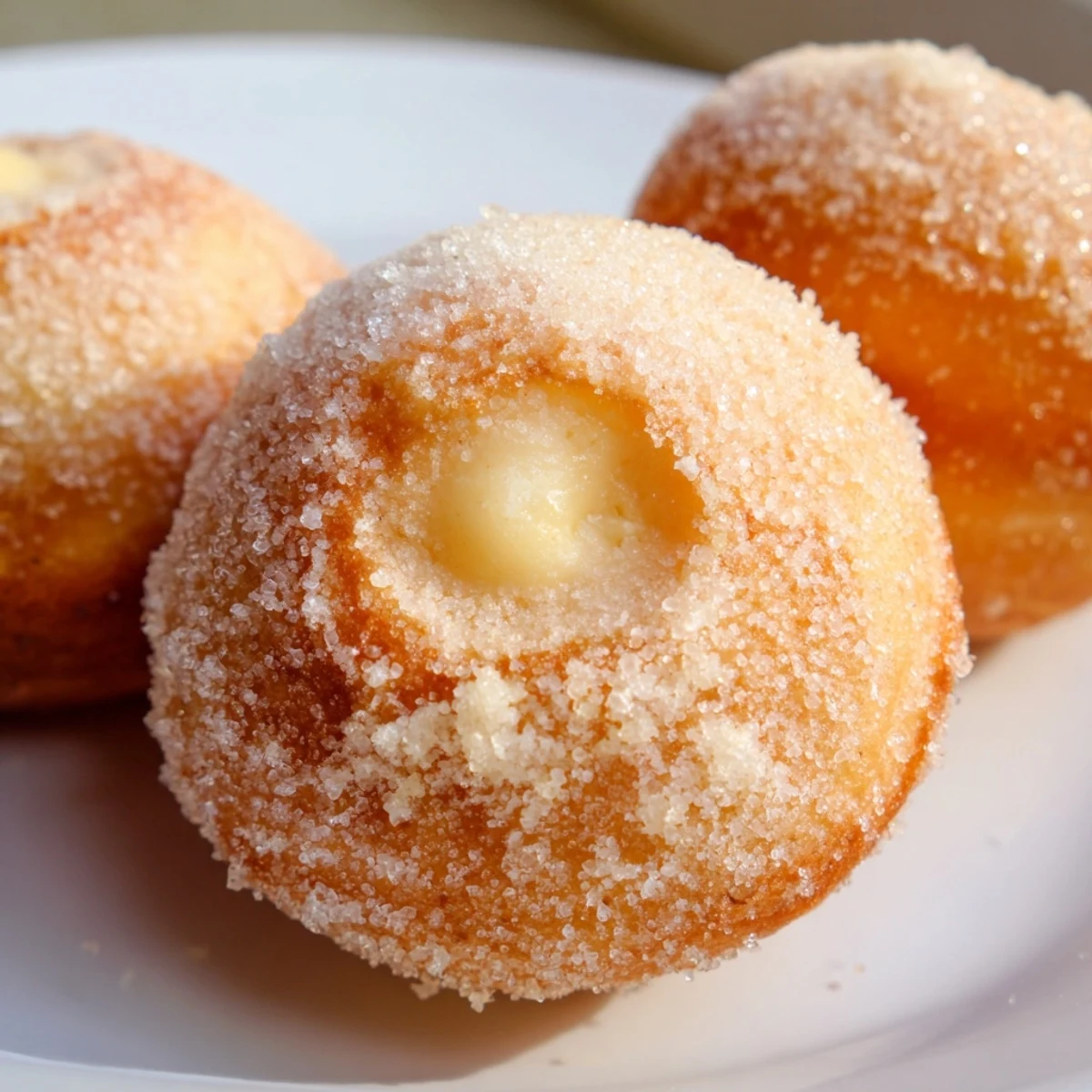
- Roll the warm bomboloni in sugar while they are still hot so it adheres beautifully. Fill a piping bag fitted with a long narrow tip with the chilled pastry cream, poke into the side of each bombolone, and pipe generously until you feel slight resistance.
 Save to Pinterest
 My daughter now requests these for every special occasion, and I have learned to double the recipe because they disappear faster than I can fry them. The kitchen fills with this incredible scent of warm dough and vanilla that draws everyone in from wherever they are in the house. These have become our family love language in pastry form.
Making Ahead Like a Pro
The dough can actually be prepared the night before and left to rise slowly in the refrigerator, which develops even better flavor. Just let it come to room temperature for about 30 minutes before rolling and shaping. The pastry cream also keeps beautifully for up to 3 days in the refrigerator, making assembly day much less stressful.
Frying Without Fear
Home frying intimidates so many people, but once you understand oil temperature, it becomes second nature. I use a candy thermometer or instant read thermometer to maintain the right temperature, and I never walk away from the hot oil. The key is not overcrowding the pan, which drops the temperature too dramatically and results in soggy, greasy doughnuts.
Creative Variations to Try
Once you master the classic version, the variations are endless and equally delicious. Chocolate pastry cream is made by melting 100g dark chocolate into the hot cream before chilling. For Nutella lovers, warm the hazelnut spread slightly and pipe it in instead of pastry cream. Some Italian bakers add a tablespoon of rum or limoncello to the dough for an adult twist.
- Try mixing some lemon curd with the pastry cream for extra brightness
- Dusting some with powdered sugar instead of rolling in granulated
- Serving immediately is always best but room temperature ones are still pretty wonderful
 Save to Pinterest
 There is something almost meditative about the process of making bomboloni, from the rhythm of kneading to the satisfaction of that perfect golden fry. I hope these bring as much joy to your kitchen as they have to mine.
Recipe FAQs
- → What makes bomboloni different from regular doughnuts?
-
Bomboloni are lighter and airier than typical American doughnuts, thanks to an enriched dough with eggs and butter. They're always filled with pastry cream rather than glazed, and the sugar coating goes on while they're still warm for perfect adherence.
- → Can I make the dough ahead of time?
-
Yes, the dough can be prepared and refrigerated overnight after the first rise. Let it come to room temperature before rolling and frying. This actually develops more complex flavors and can make shaping easier.
- → What's the best way to fill bomboloni without making a mess?
-
Use a piping bag fitted with a long, narrow nozzle (Bismarck tip). Insert the nozzle into the side or bottom of each cooled bombolone and gently squeeze until you feel slight resistance. The filling should be cold and thick for clean piping.
- → Can I bake these instead of frying?
-
While traditional bomboloni are fried, you can bake them at 375°F (190°C) for 12-15 minutes. Note that baked versions will have a different texture—more bread-like and less crispy on the exterior, though still delicious.
- → How long does pastry cream keep in the refrigerator?
-
Pastry cream will stay fresh for up to 3 days when stored in an airtight container with plastic wrap pressed directly onto the surface to prevent a skin from forming. For best results, fill the bomboloni the same day you plan to serve them.
- → What temperature should the oil be for frying?
-
Maintain your oil at 170°C (340°F). If the oil is too hot, the outside will burn before the inside cooks through. If too cool, the doughnuts will absorb excess oil and become greasy. Use a kitchen thermometer for accuracy.